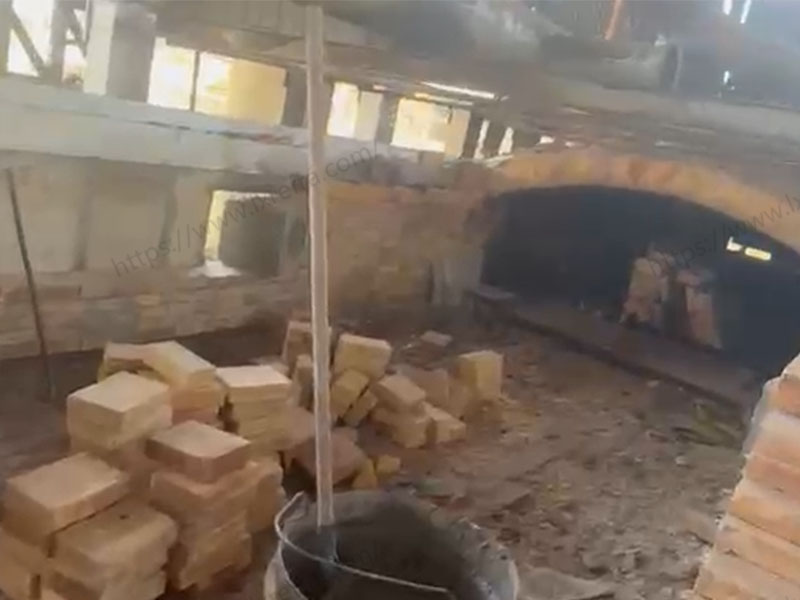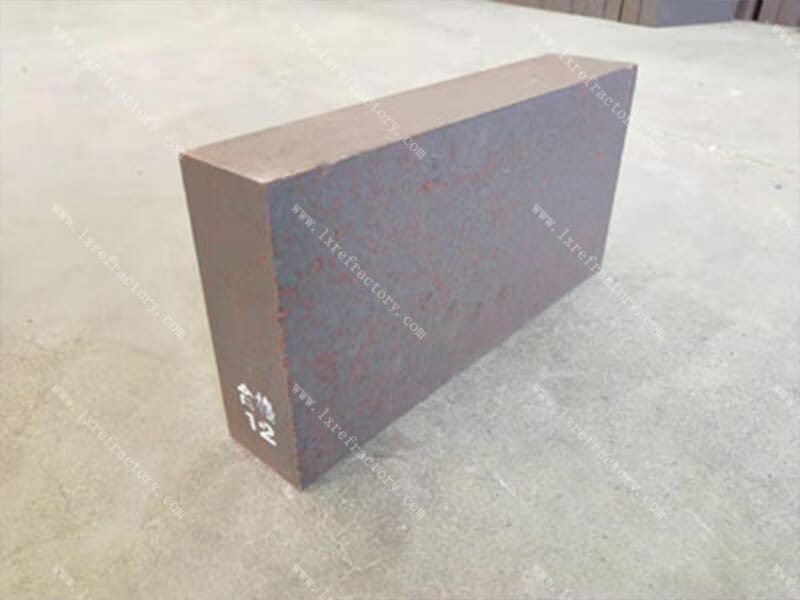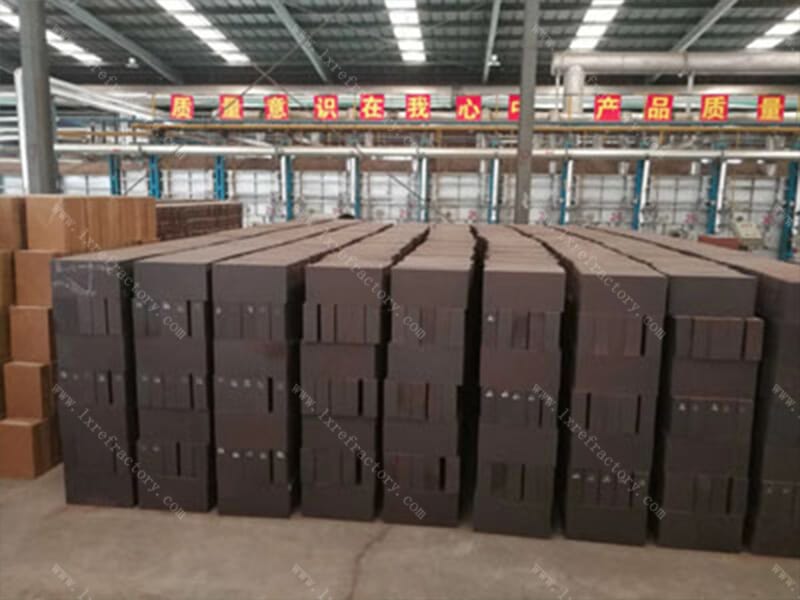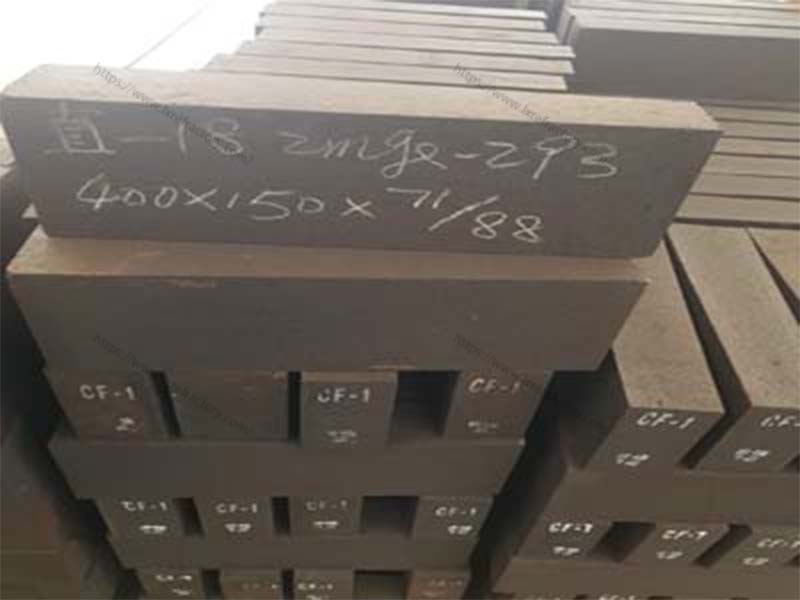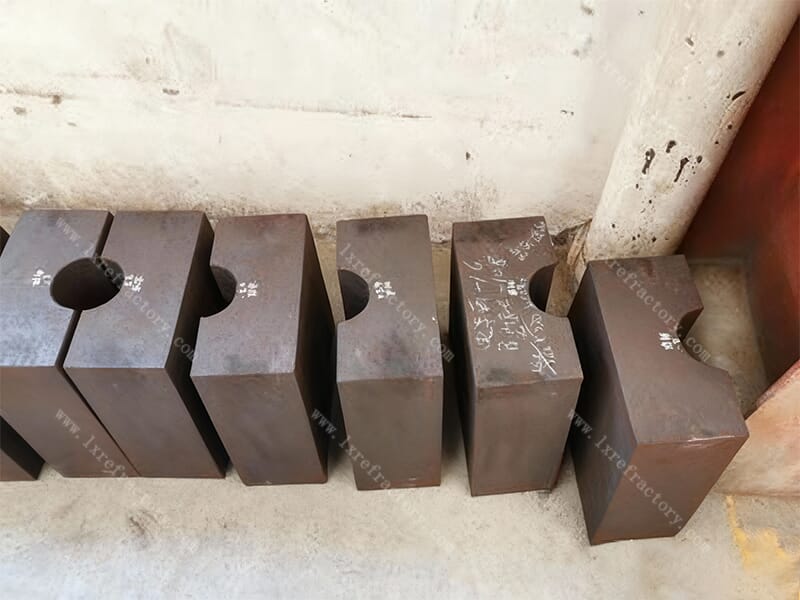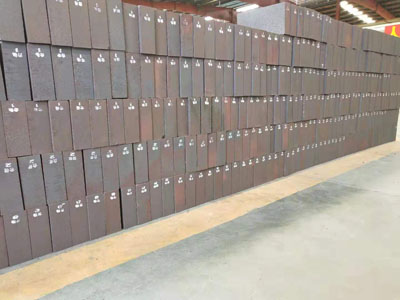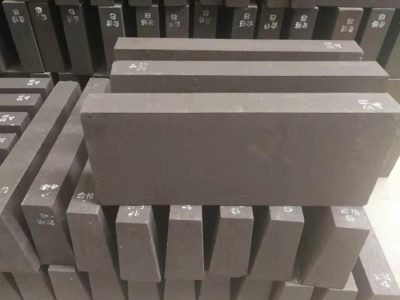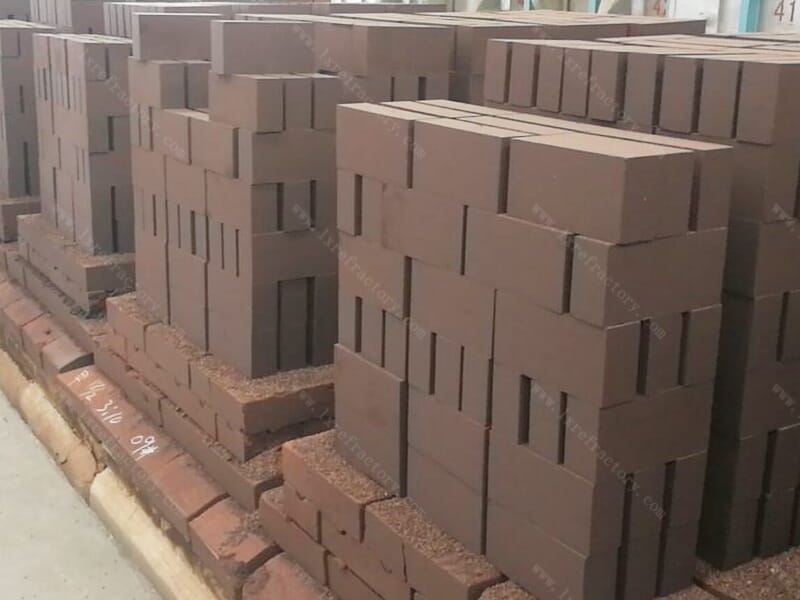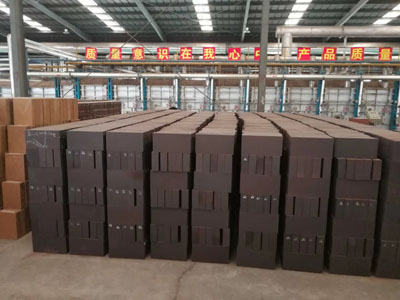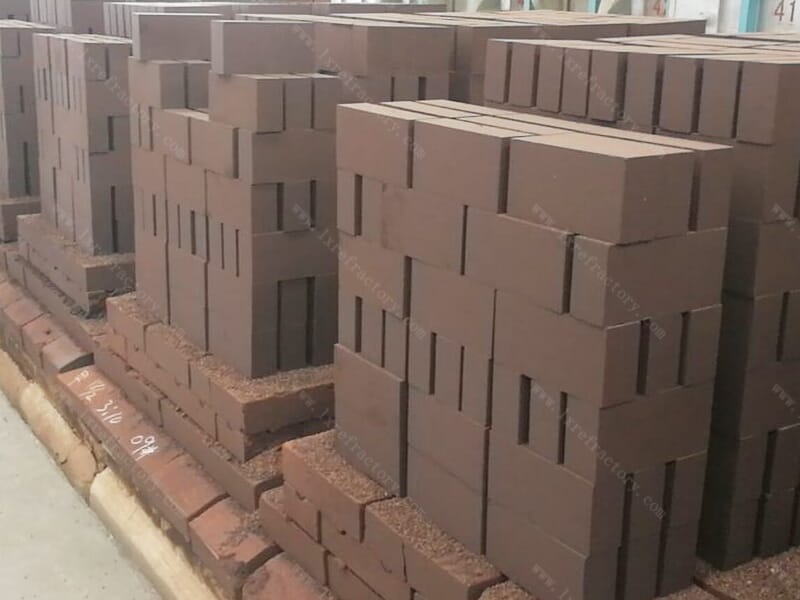
In high-temperature industrial applications, magnesia-chrome bricks, as a typical alkaline refractory material, are the preferred choice for demanding applications due to their unique composition and superior performance. Their selection stems from a balance of performance adaptability and end-of-life value.
Ⅰ.Core Performance: The Key Guarantee for High-Temperature Applications
Magnesia chrome bricks are composed of periclase (MgO) and chromite, sintered at high temperatures to form a dense structure. They possess three key properties:
1.High-Temperature and Thermal Shock Resistance: Periclite has a melting point of approximately 2800°C and can withstand prolonged temperatures exceeding 1700°C. Chromite has an optimized thermal expansion coefficient, making it less susceptible to spalling under repeated thermal shock.
2.Strong Corrosion Resistance: Magnesia-chrome bricks are non-reactive and non-wetting to alkaline slag and molten metal, resisting the penetration of alkaline vapors and corrosive gases, reducing material loss and structural failure.
3.High Volume Stability: After high-temperature sintering, the volume change rate is less than 1%, resulting in no secondary shrinkage over long-term use, maintaining the integrity of the masonry and preventing potential fire hazards.

Magnesia Chrome Bricks
Ⅱ. Industrial Adaptability: Precise Match for High-Demand Scenarios
Its performance is highly compatible with demanding scenarios:
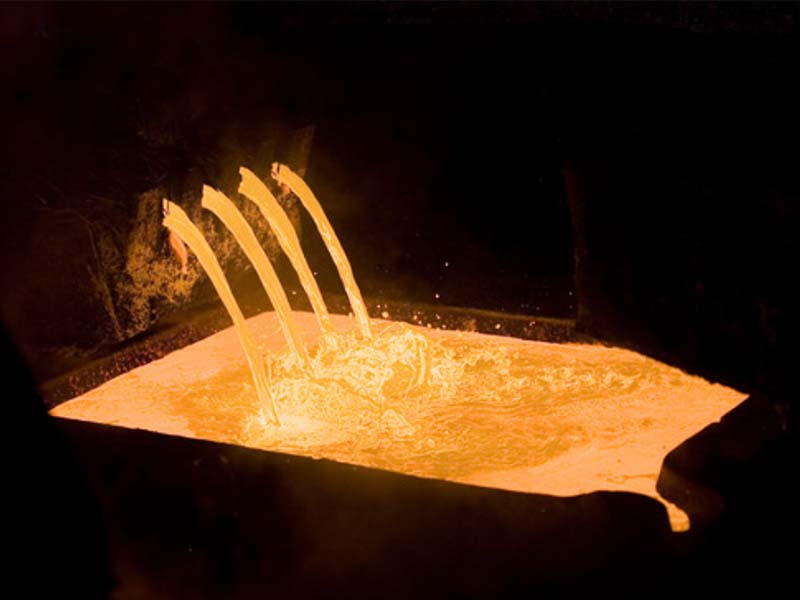
1.Metallurgical Industry: As linings for converters, ladles, aluminum electrolytic cells, and copper flash furnaces, it resists erosion and corrosion from molten steel/metal, ensuring stable production and product purity.
2.Building Materials Industry: As core linings for cement rotary kilns, it withstands high temperatures of 1450-1600°C and corrosion from alkalis and sulfur, reducing the risk of “red kiln failure” and improving cement quality.
3.Chemical Industry: As linings for coal chemical gasifiers and sulfuric acid roasters, it prevents the penetration of high-temperature, highly corrosive gases, ensuring equipment safety and production efficiency.
Ⅲ.Economic Value: Full-Lifecycle Cost Optimization
Although the initial purchase cost is high, the overall cost-effectiveness is outstanding: its service life is 2-5 times that of ordinary refractory materials, reducing replacement and procurement costs; its stable structure reduces production downtime and maintenance costs; and it ensures equipment thermal efficiency and reduces energy consumption (for example, coal consumption in cement kilns is reduced by 2%-3%).
Summary: Choosing magnesia-chrome bricks is the optimal solution for “performance adaptation” and “value balance” in high-temperature industrial scenarios.