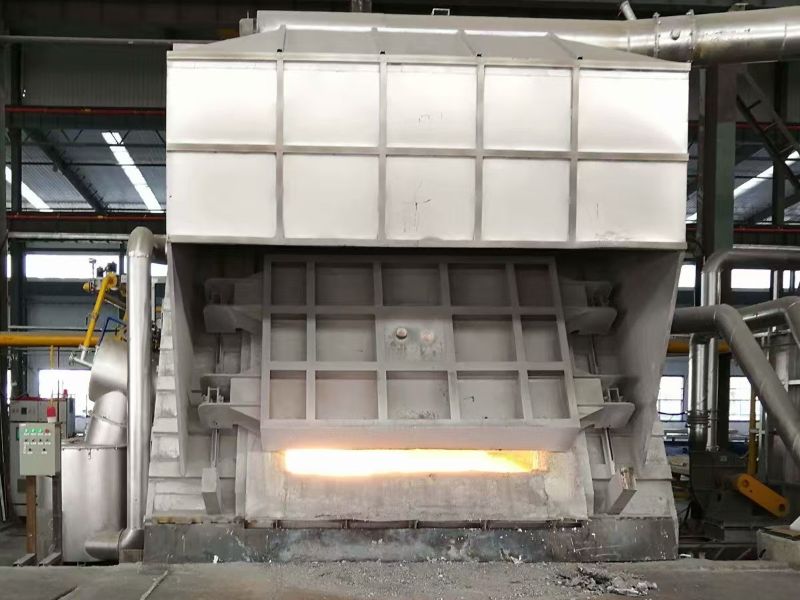
Cement rotary kilns are core equipment in cement production, facing multiple challenges including high temperatures, material erosion, and chemical attack.
Refractory bricks, as crucial internal lining materials, directly impact the rotary kiln’s operating efficiency, service life, and production costs. High-quality refractory bricks combined with a scientific lining scheme can effectively reduce equipment failure rates and ensure continuous cement production.
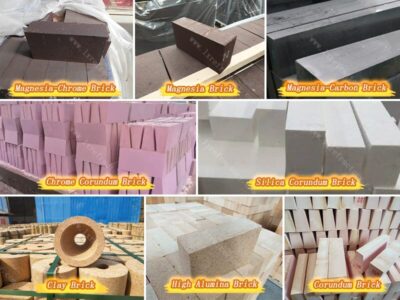
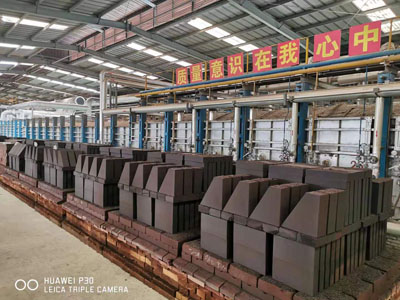
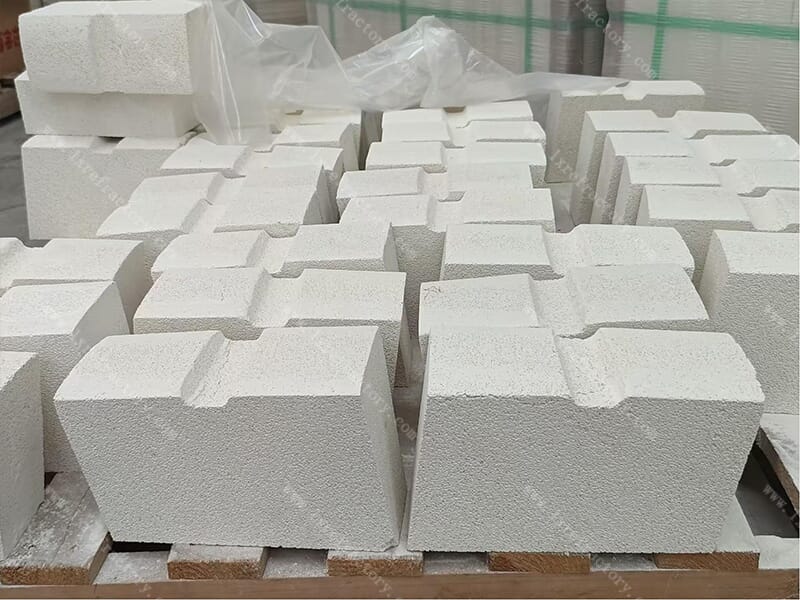
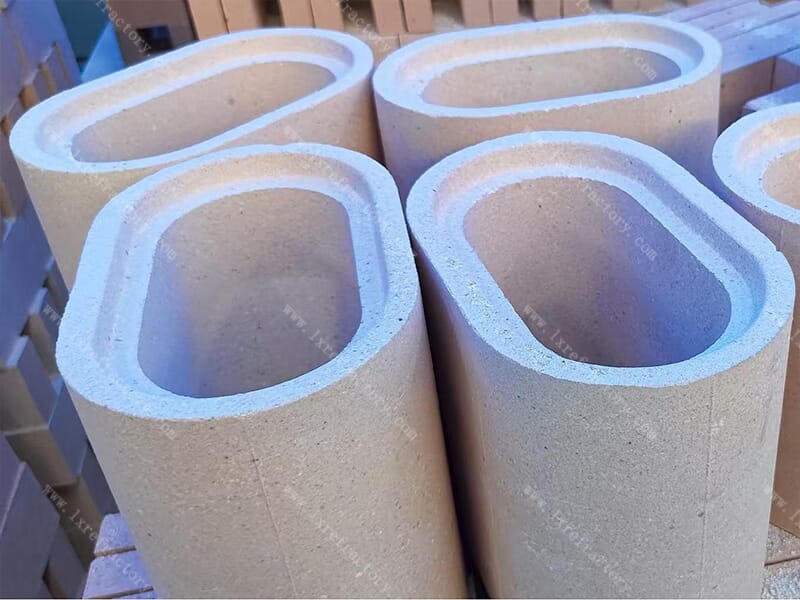
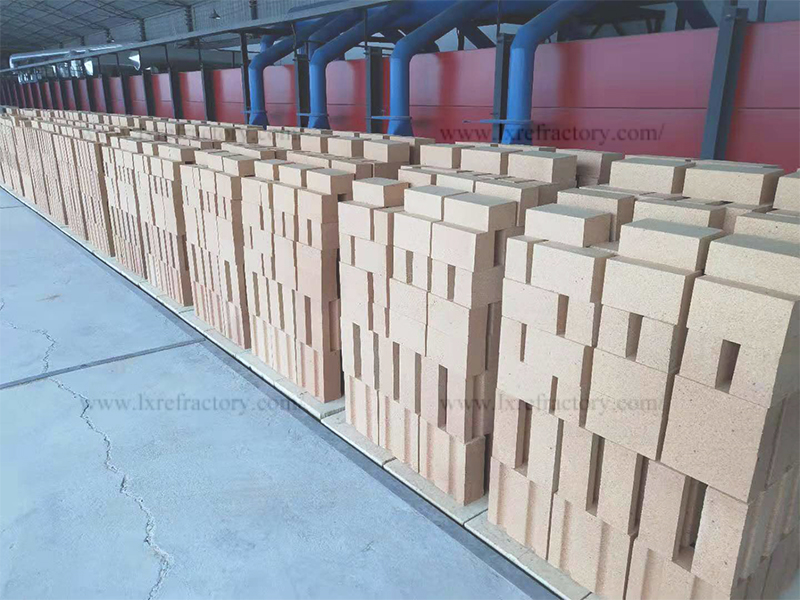
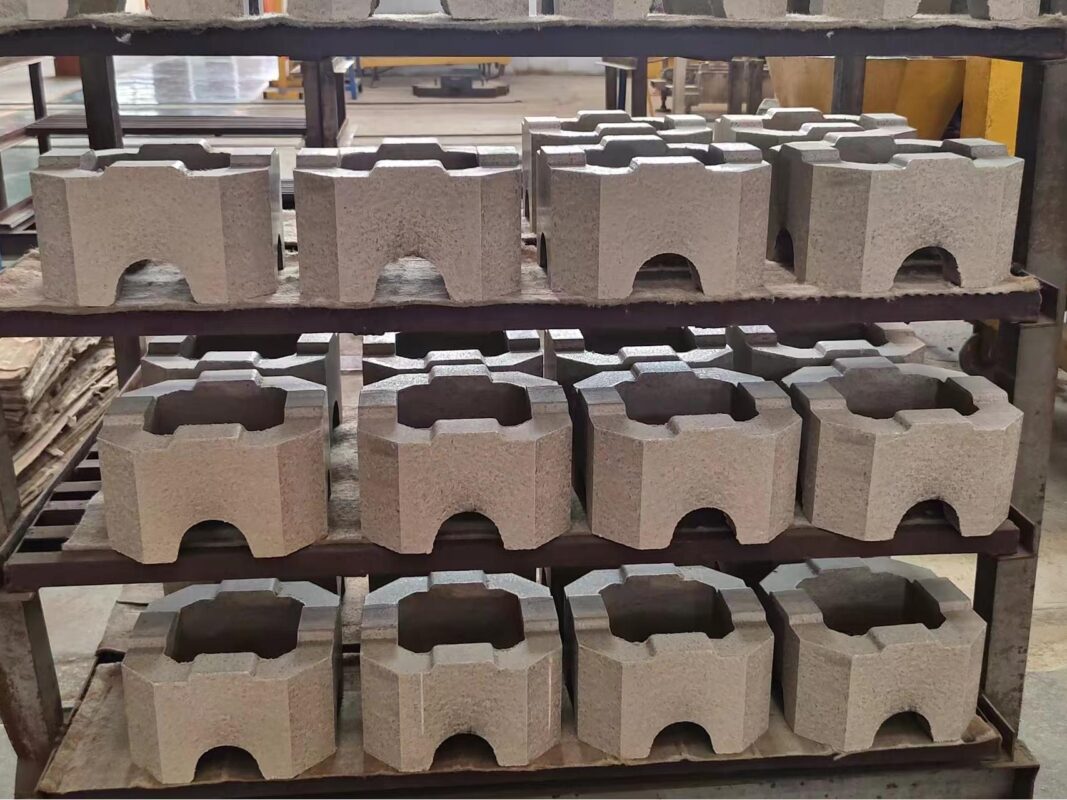
Various Refractory Bricks
Key Application Points of Refractory Bricks in Different Parts of a Cement Rotary Kiln
Different parts of a rotary kiln have significantly different operating conditions, requiring different performance characteristics from refractory bricks. Therefore, suitable products must be selected accordingly.
1. Firing Zone: High Temperature Resistance is a Core Requirement
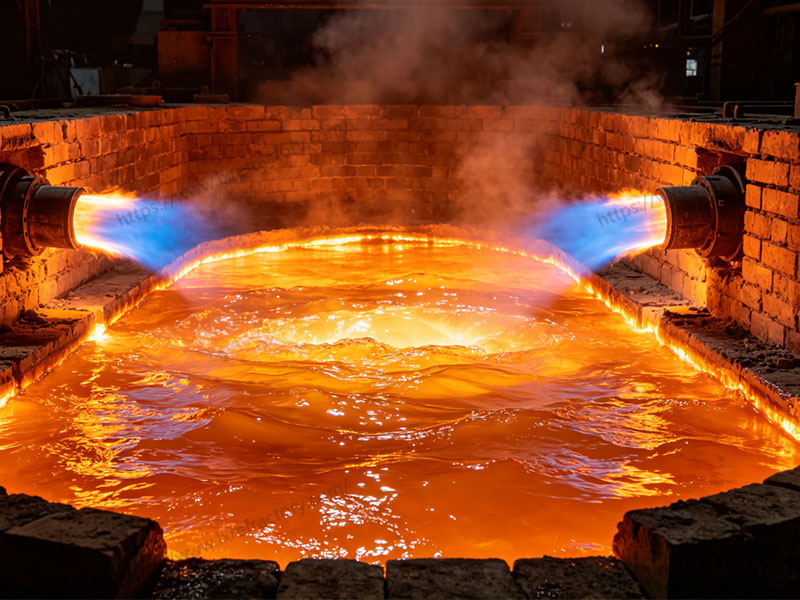
The firing zone is the hottest area within the rotary kiln, reaching temperatures exceeding 1700℃, and simultaneously withstands intense erosion and chemical attack from cement clinker.
Here, high-alumina refractory bricks or magnesia-alumina spinel refractory bricks with excellent high-temperature resistance should be selected. These types of refractory bricks possess good high-temperature structural stability, resisting the abrasion of clinker particles and the erosion of alkaline substances, which is crucial for ensuring the long-term stable operation of the firing zone.
2. Transition Zone and Decomposition Zone: Balancing Erosion Resistance and Spalling Resistance
The transition zone experiences significant temperature fluctuations, making it prone to refractory brick spalling due to sudden temperature changes; the decomposition zone faces repeated impacts from materials and erosion from acidic gases.
Here, clay refractory bricks or silica-molybdenum bricks are recommended. The former has good thermal shock resistance, while the latter balances erosion resistance and strength, adapting to complex working conditions.
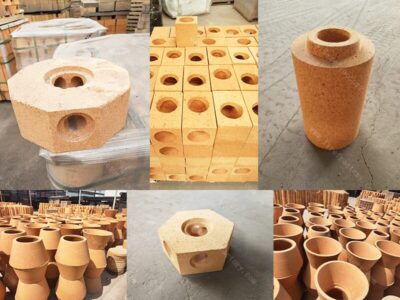
lx clay refractory bricks
Key Points for the Selection and Use of Refractory Bricks in Cement Rotary Kilns
The rational selection and use of refractory bricks is key to extending their service life, and the following two points should be considered:
1. Precise Selection Based on Working Conditions
When selecting refractory bricks, factors such as the specifications of the rotary kiln, fuel type, and clinker variety should be taken into account. For example, rotary kilns using high-sulfur fuels should prioritize refractory bricks with strong resistance to sulfur erosion. Large rotary kilns require higher-strength products to prevent brick damage due to vibration during equipment operation.
Simultaneously, it is recommended to choose products certified by a refractory material quality system to ensure performance meets standards.
2. Standardized Construction and Daily Maintenance
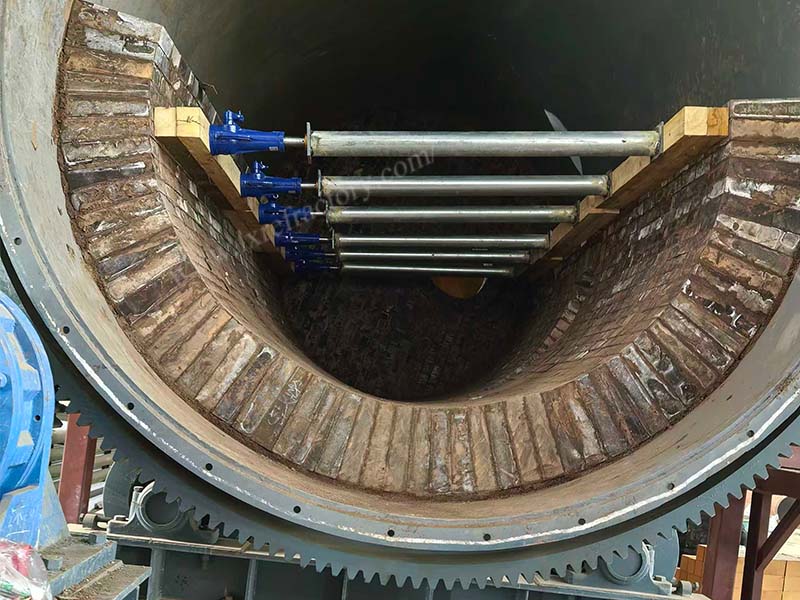
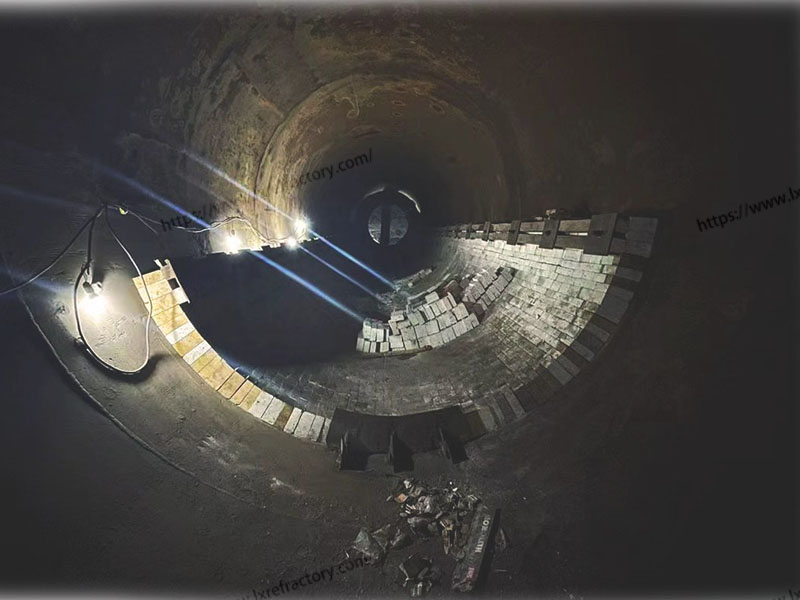
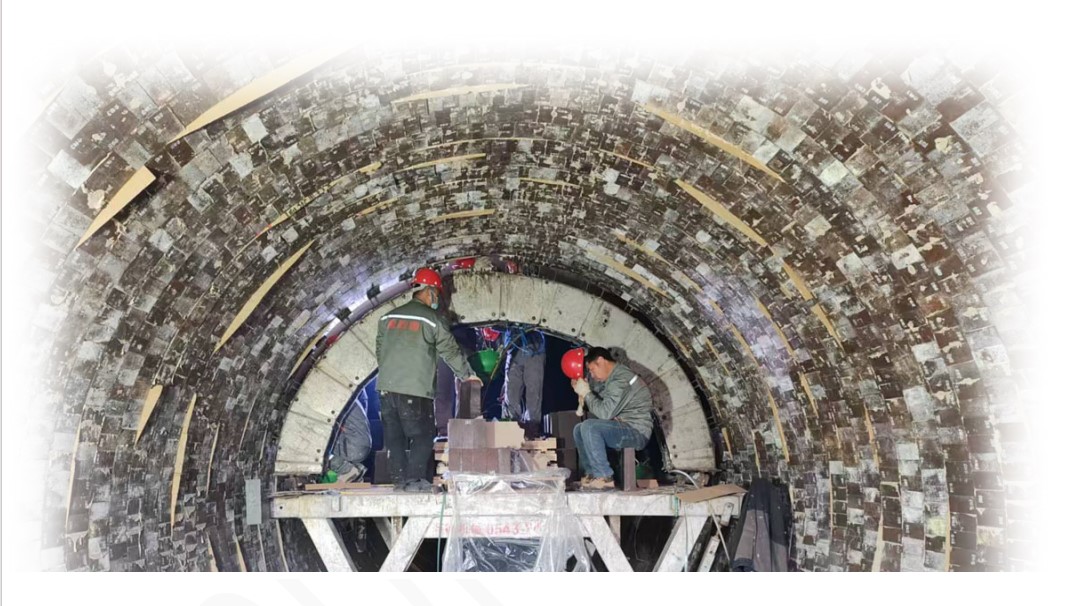
The quality of refractory brick construction directly affects performance. Strict control must be exercised over indicators such as joint gaps and flatness to prevent air leakage and fire spread.
During daily production, the condition of the refractory bricks inside the kiln should be regularly inspected, and any localized damage or spalling should be addressed promptly to prevent small problems from escalating into equipment failures. High-quality refractory bricks are crucial for the efficient operation of cement rotary kilns; selecting the right products and proper maintenance can significantly reduce production losses.
If you have questions about refractory brick selection for your cement rotary kiln, or need customized refractory brick solutions for different operating conditions, please feel free to contact us.
We have a professional technical team and a complete product system, which can provide one-stop service from selection and production to masonry guidance, helping you improve production efficiency and reduce operating costs.