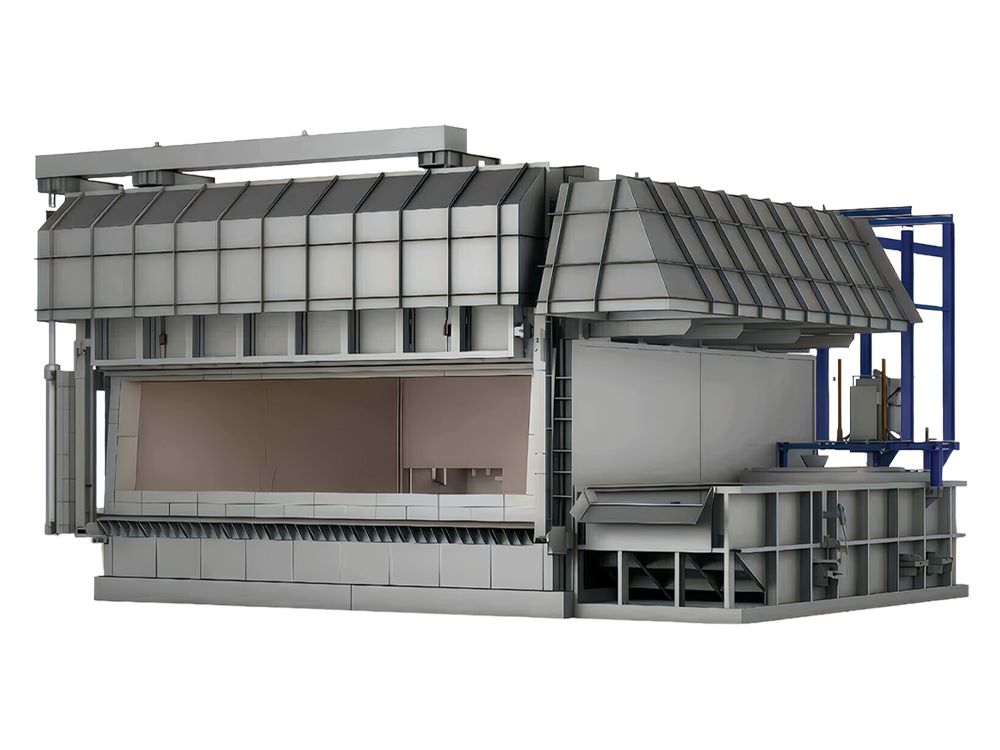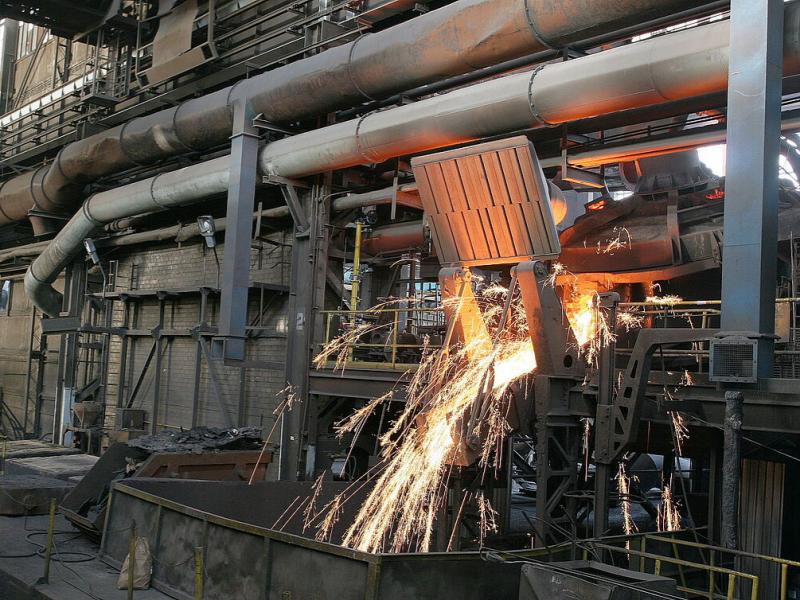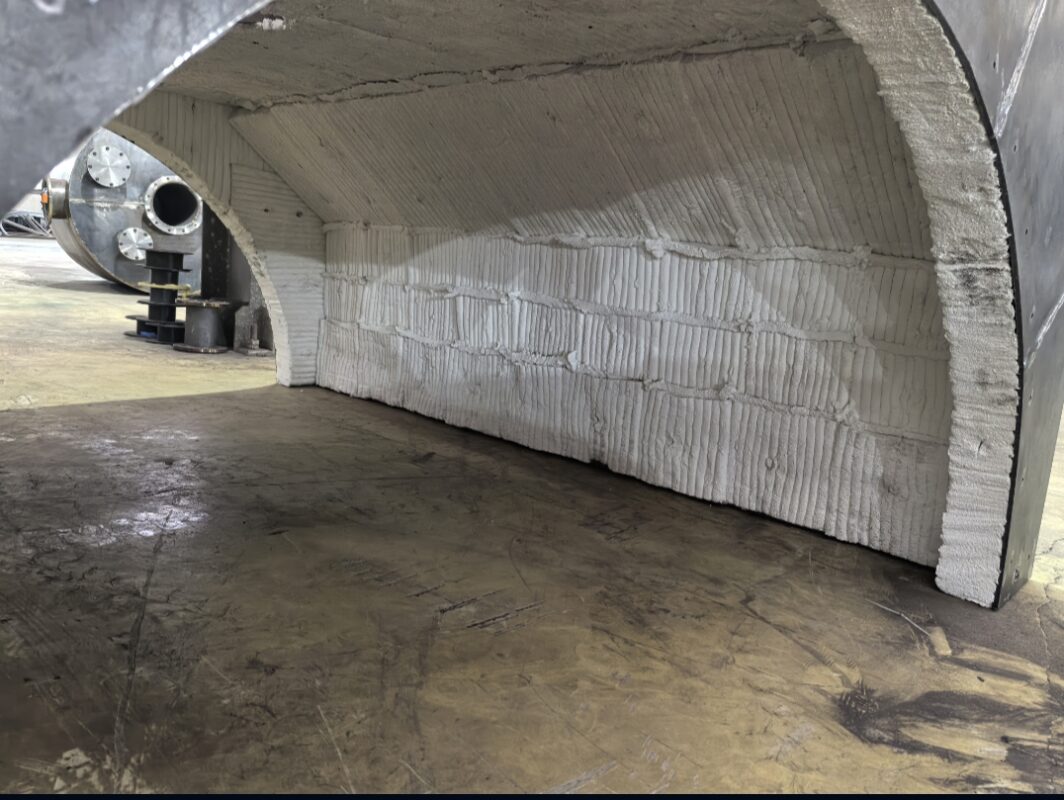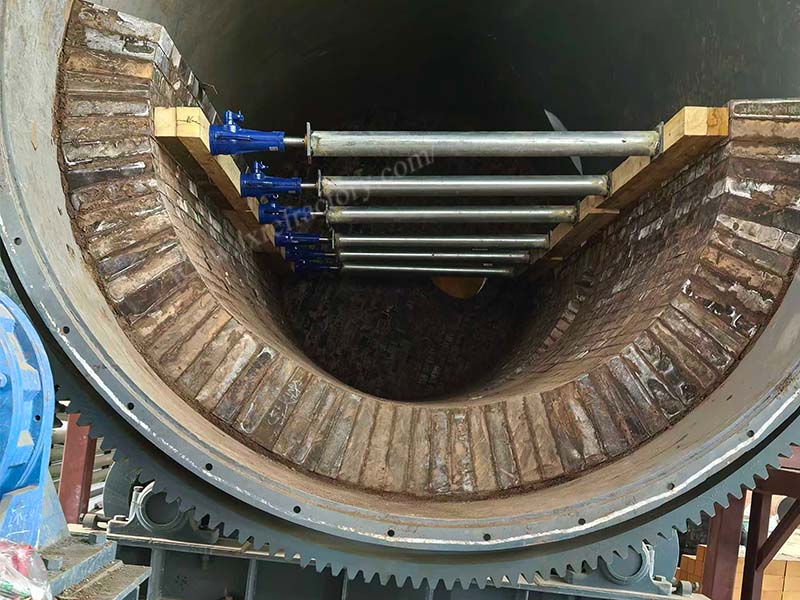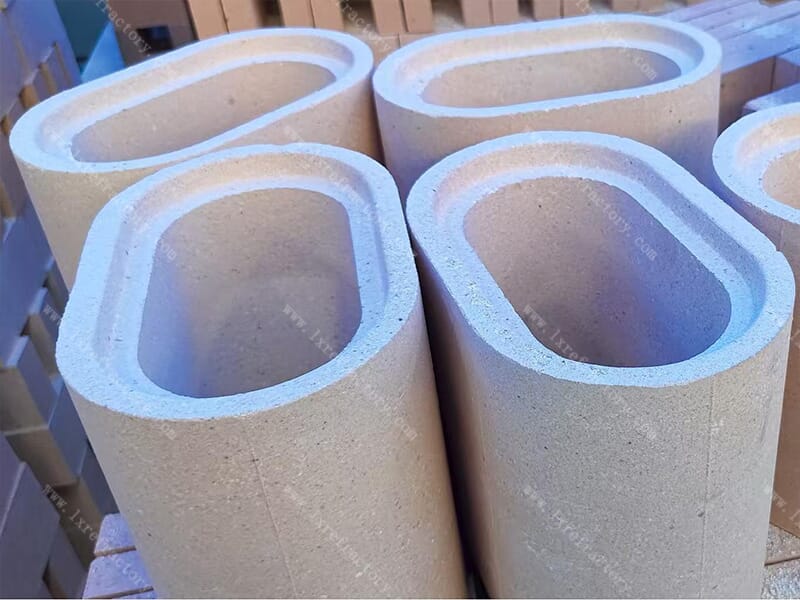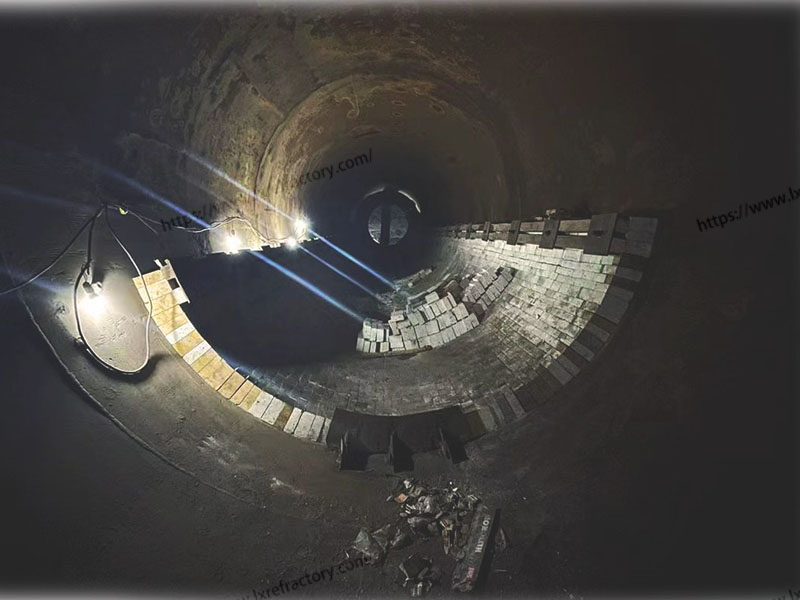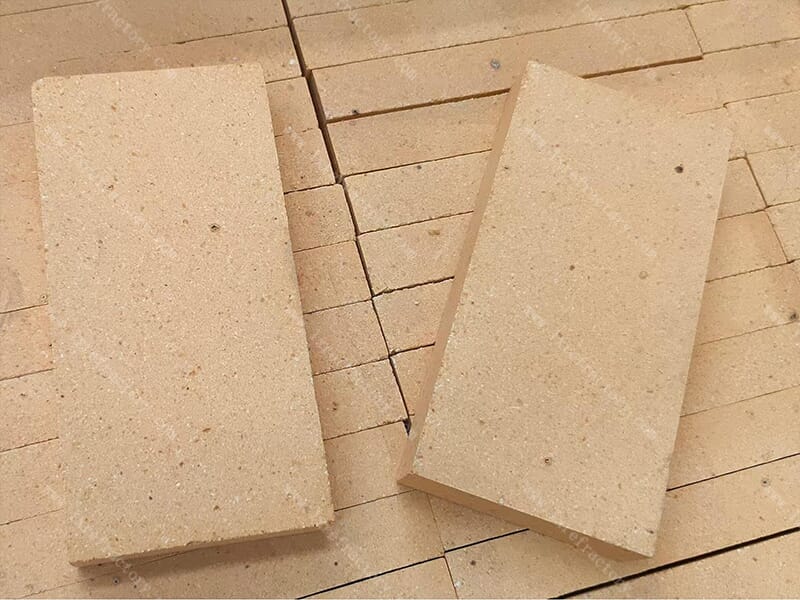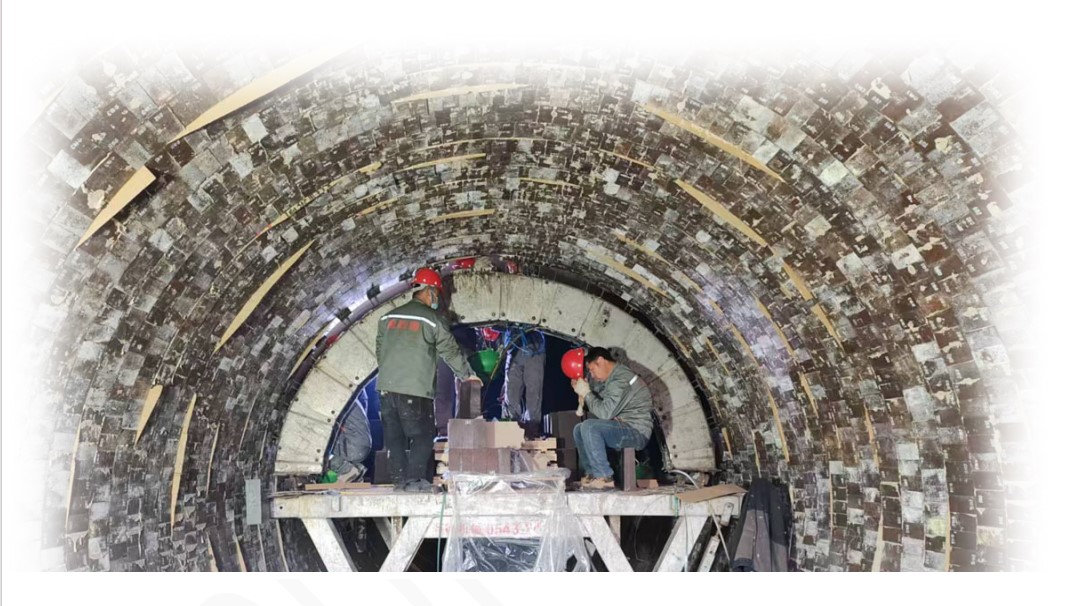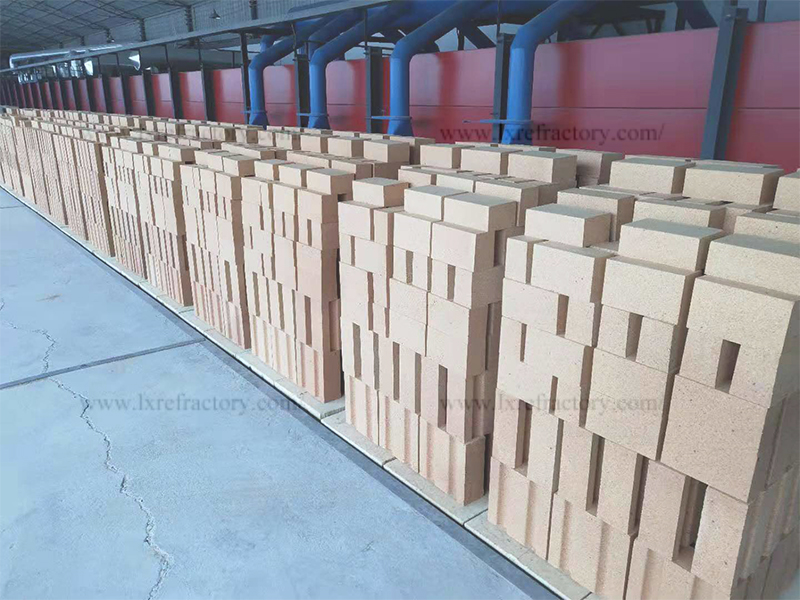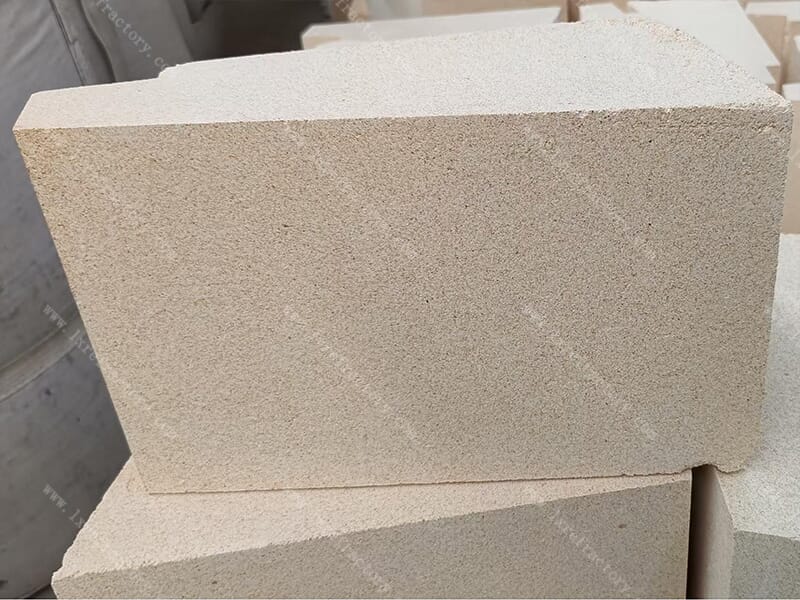
The refractory materials used in different parts of a side-blown furnace vary significantly depending on the furnace type and smelting process. Therefore, it is necessary to explain them separately for iron and steel side-blown converters and non-ferrous metallurgical side-blown molten pool furnaces.
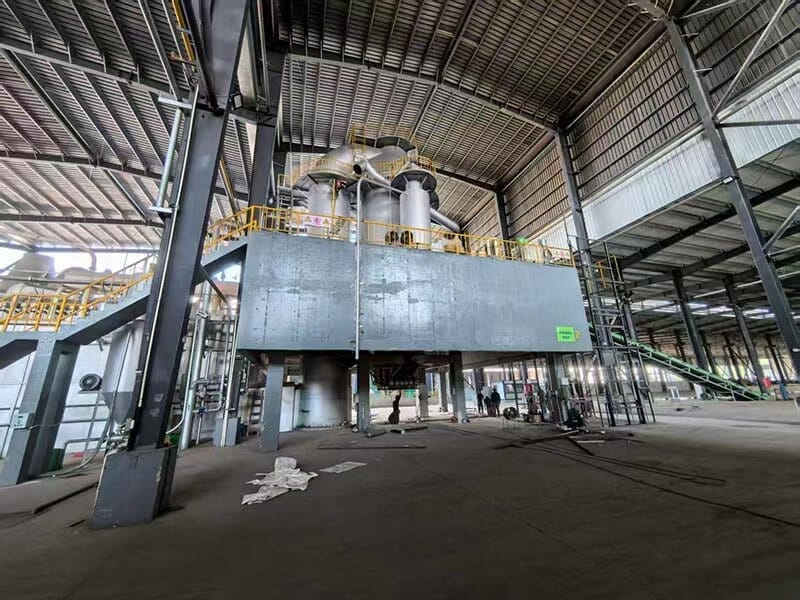
I. Iron and Steel Side-Blowing Converter
The lining of a side-blown converter is generally divided into a working layer, a permanent layer, and a filling layer.
The working layer is in direct contact with the metal and slag, and traditionally it is constructed using tar-dolomite bricks or tar-magnesia sand bricks. The tuyere area has the harshest working conditions and requires tar-magnesia sand bricks, brine-magnesia sand bricks, or fired magnesia bricks. Early side-blown basic converters used tuyere bricks made of tar-magnesia sand, which performed better than tar-dolomite tuyere bricks. The furnace bottom generally uses a multi-layered structure: the bottom layer is clay bricks, and the middle and upper layers are tar-dolomite bricks.
The permanent layer is in close contact with the furnace shell and is usually constructed with magnesia bricks or high-alumina bricks, serving to protect the furnace shell.
The filler layer, located between the working layer and the permanent layer, is typically constructed by tamping tar-bonded magnesia or tar-bonded dolomite. While modern converters have widely adopted magnesia-carbon bricks, historical practice in side-blown converters has primarily relied on tar-bonded dolomite and magnesia materials.
II. Non-ferrous Side-Blowing Melt Pool Smelting Furnaces
The lining materials for non-ferrous side-blown furnaces (such as those used in copper, lead, and tin smelting) place greater emphasis on slag erosion resistance and thermal shock resistance, with magnesia-chrome materials dominating.
The molten pool zone is one of the most severely eroded areas, and magnesia-chrome refractory materials with high Cr₂O₃ content are usually selected to extend service life.
The tuyere and slag line zones are further upgraded to electrofused rebonded magnesia-chrome bricks or semi-rebonded magnesia-chrome bricks, while other parts of the furnace body can use directly bonded magnesia-chrome bricks.
In oxygen-enriched side-blown reduction furnaces for tin smelting, the molten pool section in the middle of the furnace body uses ferrochrome brick lining, and the hearth is constructed of a composite layer of bottom refractory bricks and top ferrochrome bricks. Al₂O₃-Cr₂O₃ refractory materials can be used for the slag discharge port of the side-blown furnace, while magnesia-chrome refractory materials or a combination of clay bricks and lightweight high-alumina bricks are used for the transition section between the lower part of the copper water jacket and the hearth. In addition, magnesia ramming mixes are also used in oxygen-enriched side-blown processes for filling and protecting specific areas.
Generally speaking, iron and steel side-blown converters traditionally use tar-dolomite-based and magnesia materials. Non-ferrous side-blown furnaces, on the other hand, use magnesia-chrome bricks (especially electrofused and semi-fused grades) as the core, and higher-grade refractory materials are required for key areas such as tuyeres and slag lines to match the differentiated damage mechanisms.