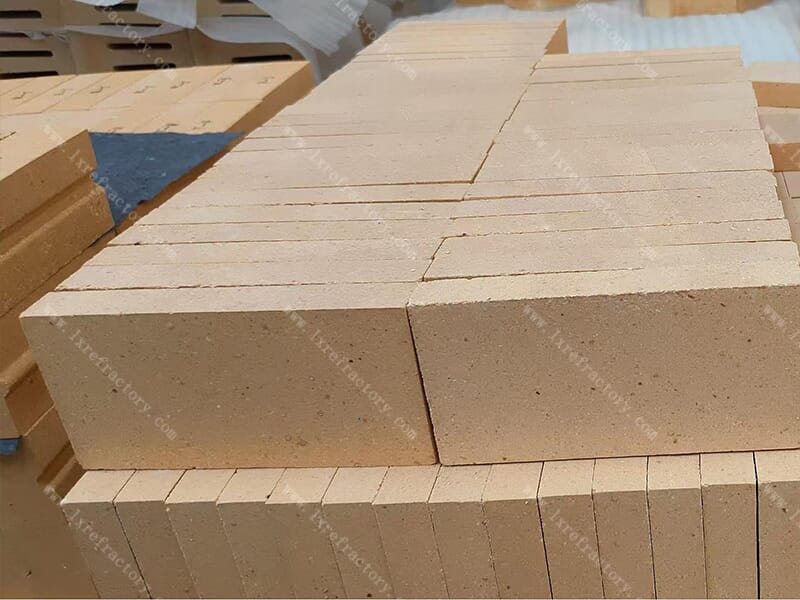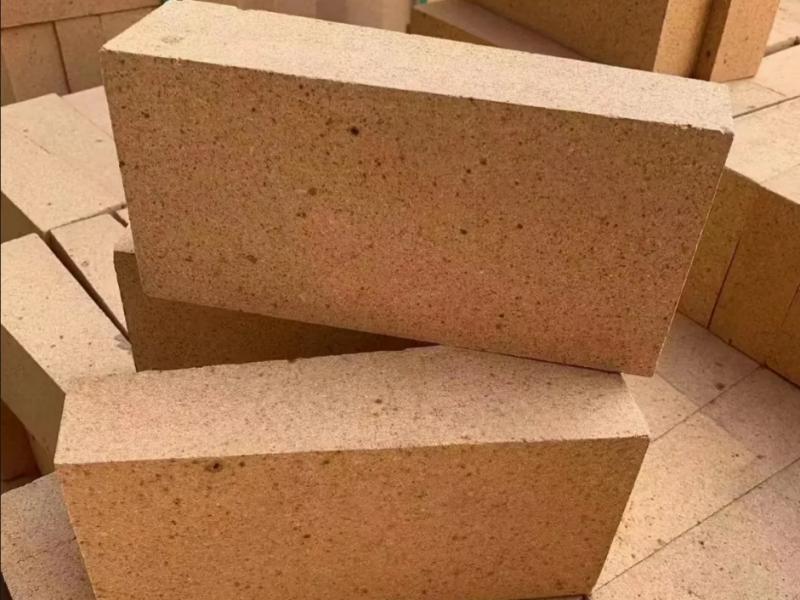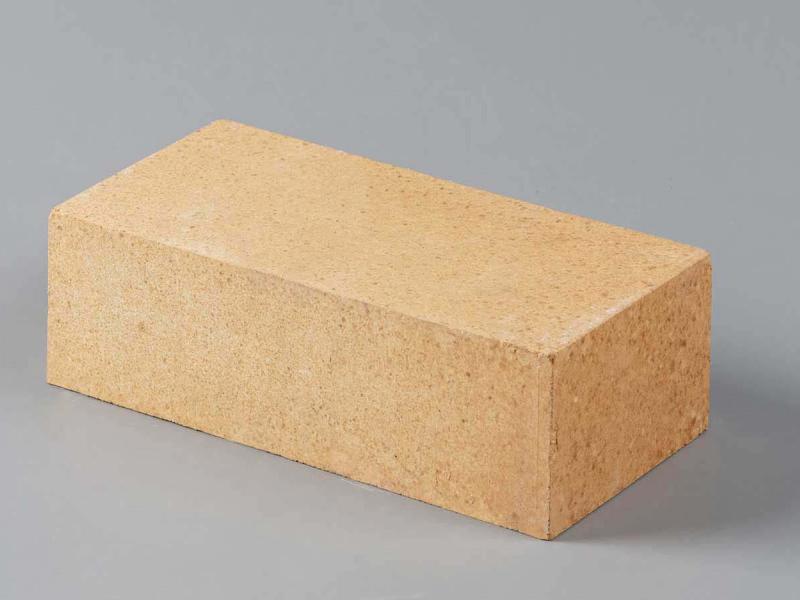
Clay refractory bricks are the most widely used aluminosilicate refractory materials in industrial kilns. Their Al₂O₃ content is typically between 30% and 48%, offering advantages such as high refractoriness (1690-1730℃), good thermal shock resistance, and low price. However, being a weakly acidic material, their resistance to alkaline corrosion is slightly weaker, and their load softening temperature is relatively low (1250-1300℃). Therefore, clay refractory bricks are mainly used in non-load-bearing, non-slag-liquid contact areas of specific kilns, such as:
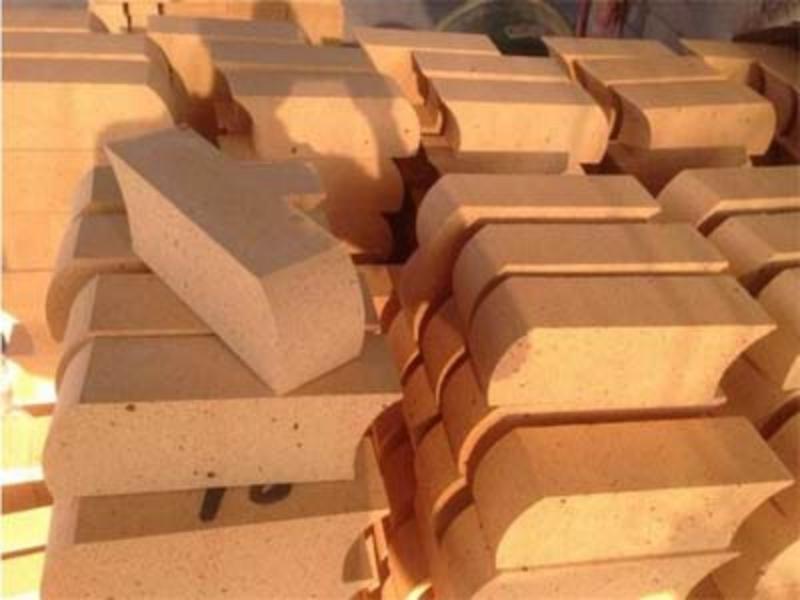
1. Iron and Steel Metallurgical Kilns
The iron and steel industry is a major consumer of clay fire bricks, primarily used for lining blast furnaces and hot blast stoves.
Blast Furnaces: Clay fire bricks are mainly used in the furnace body, throat, and bottom of blast furnaces. In these locations, they need to withstand severe abrasion from the descending burden and chemical corrosion from CO gas. To adapt to these operating conditions, clay refractory bricks used in blast furnaces typically require low porosity and low iron oxide content to prevent carbon deposition and resulting loose brick structure.
Hot Blast Stove: Clay fire bricks are used for the furnace walls, regenerators, and partitions of hot blast stoves. Because hot blast stoves require frequent heating and reversing of airflow, resulting in drastic temperature fluctuations, the bricks must possess high thermal shock resistance and low high-temperature creep rate to maintain structural stability under long-term high temperatures.
2. Coke Ovens and Glass Furnaces
Clay refractory bricks also play an important role in the coking and building materials industries.
Coke Ovens: Due to shrinkage at high temperatures and lower mechanical strength compared to silica bricks, clay bricks are generally not used in the high-temperature load-bearing parts of coke ovens. Instead, they are mainly used for constructing the sealing walls of regenerators, lining small flues, furnace doors, and riser pipes—minor components.
Glass Furnaces: Primarily used for the regenerator lattice structure of glass melting furnaces. In regenerators, clay refractory bricks must withstand alternating erosion from dusty flue gas and alkaline volatiles (such as sodium sulfate). If the material is unsuitable, “nepheline” erosion can easily occur, leading to blockage of the grid pores.
3. Lightweight Insulation Applications
Besides heavy bricks, lightweight clay insulating bricks (bulk density <1.5 g/cm³) manufactured using porous processes are widely used as insulation layers in kilns. These bricks have low thermal conductivity and low heat capacity, and are mainly used for back lining insulation in thermal boilers, cement kilns, and various heat treatment furnaces to help reduce heat loss. They must not come into contact with molten material or corrosive gases.
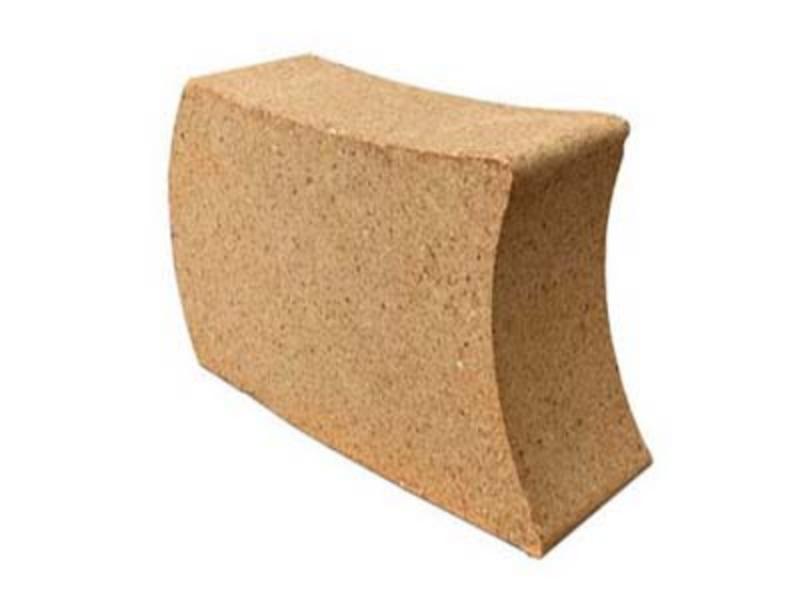
In summary, due to their excellent thermal shock resistance and extremely high cost-effectiveness, clay refractory bricks are widely used in thermal equipment such as blast furnaces, hot blast stoves, coke ovens, and glass kilns, making them one of the most widely used refractory building blocks in high-temperature industrial applications.