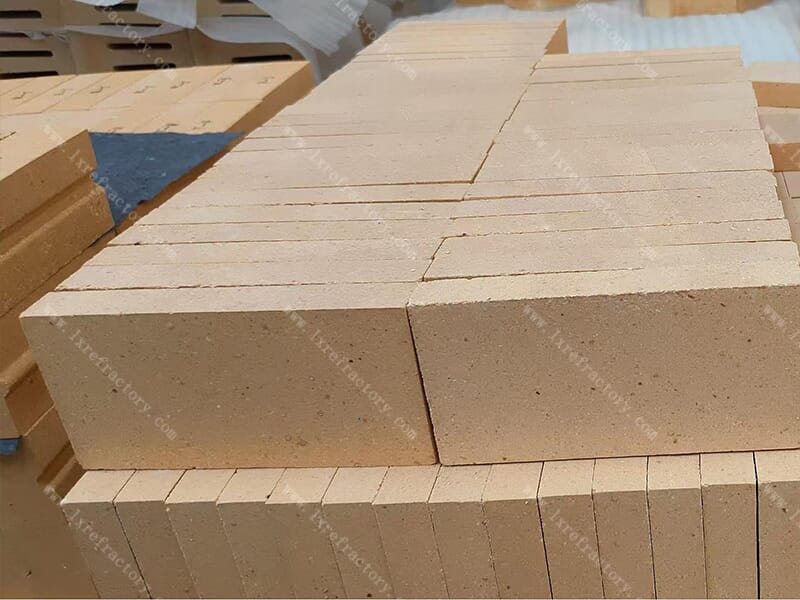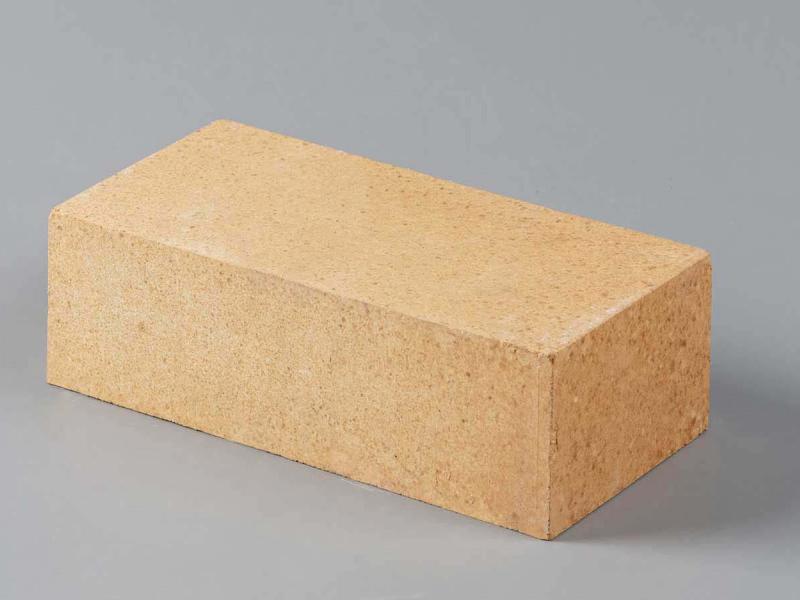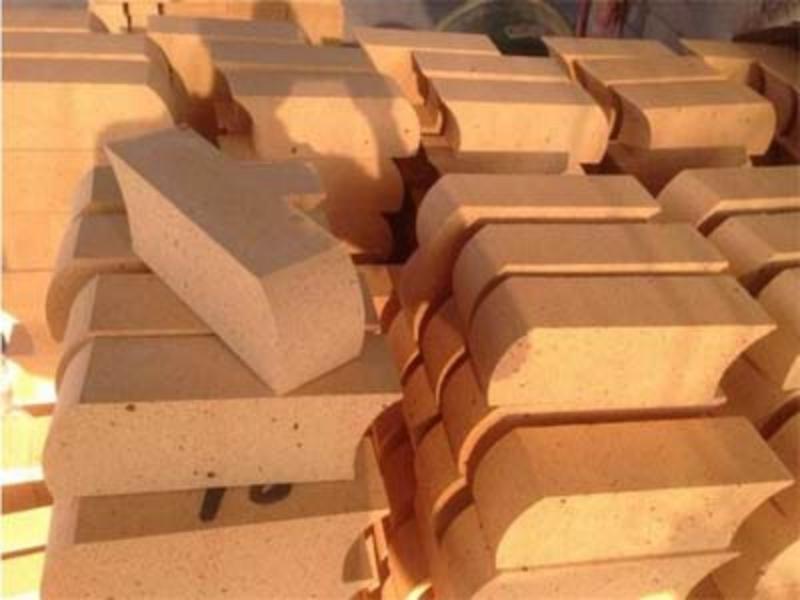
Clay refractory bricks are common refractory materials in kilns, but their inherent weaknesses require careful attention during use.
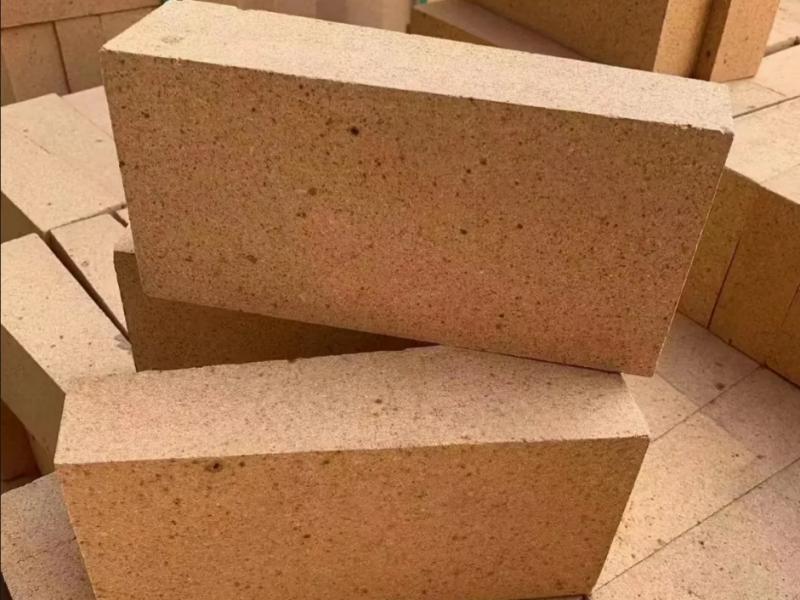
Unable to Bear Weight Under High Temperatures
This is the most critical point to consider with clay bricks. Although their refractoriness can reach 1700℃, their softening temperature under load is only about 1300℃. This means that under pressure exceeding 1300℃, they will soften and deform. Therefore, they are unsuitable for load-bearing structures in kilns or parts directly exposed to high-temperature flames; they can only be used in lower-temperature, stress-free areas such as the lower part of the furnace wall and flues. When exposed to alkali metals (such as K₂O and Na₂O), their softening temperature under load will further decrease to around 1050℃, further limiting their application.
Meticulous Construction is Essential
The quality of construction directly affects the kiln’s lifespan and safety. Several key requirements exist:
Controlling Brick Joint Thickness: The thickness of the brick joints in clay bricks must meet specifications. For example, in critical areas such as the arch and furnace walls, the brick joints should generally not exceed 1.5mm to 2mm. Excessively large brick joints can reduce the strength of the masonry, becoming a point of entry for erosion.
Expansion Joints: To prevent damage from thermal expansion and compression of the bricks at high temperatures, expansion joints must be pre-installed between the bricks according to design requirements. The brick joints should be kept clean and free of debris.
Use Special Mortar and Pre-laying: Use matching refractory mortar during construction to ensure the strength and sealing of the joints. For complex or critical structures, pre-laying is recommended to ensure brick dimensions match and avoid on-site errors.
Storage and Usage Environment
Clay bricks contain soluble salts. In humid environments, moisture evaporation will release salts, causing the brick surface to powder and peel off—a phenomenon known as efflorescence. Therefore, clay bricks must be stored in a dry warehouse, with proper moisture and water protection.