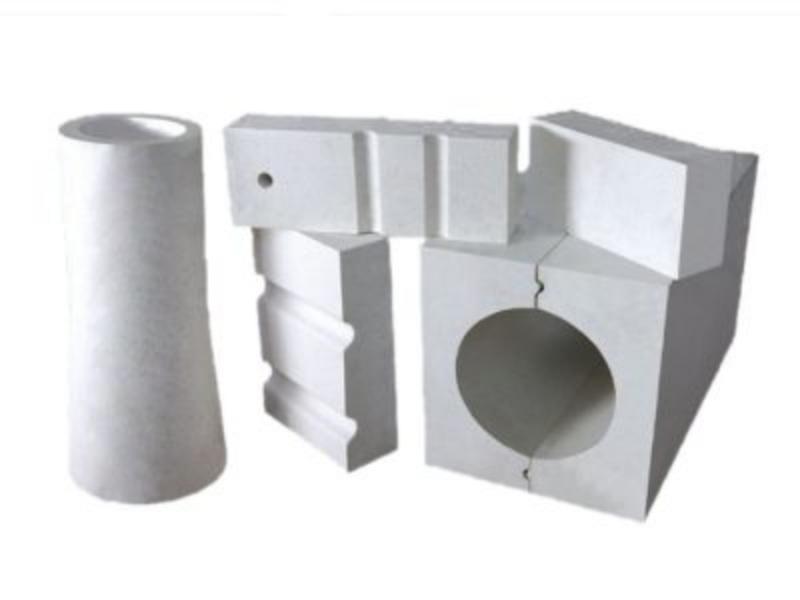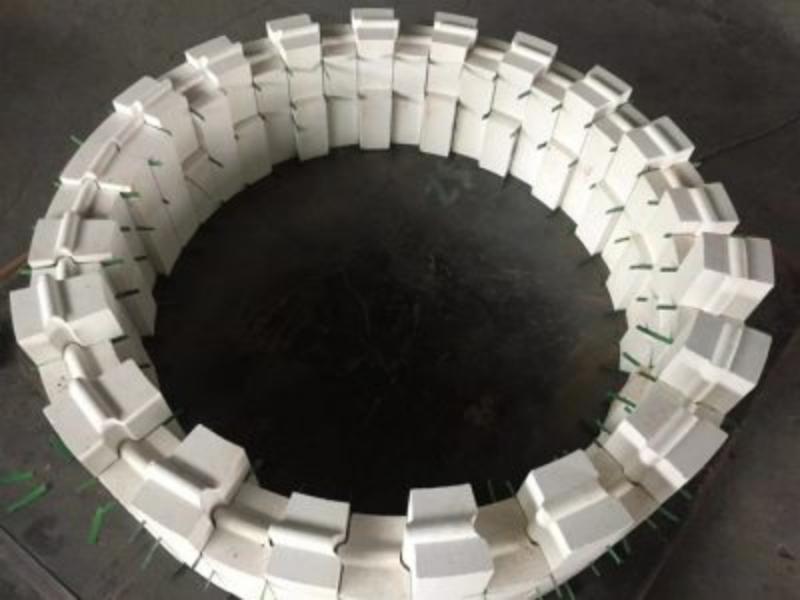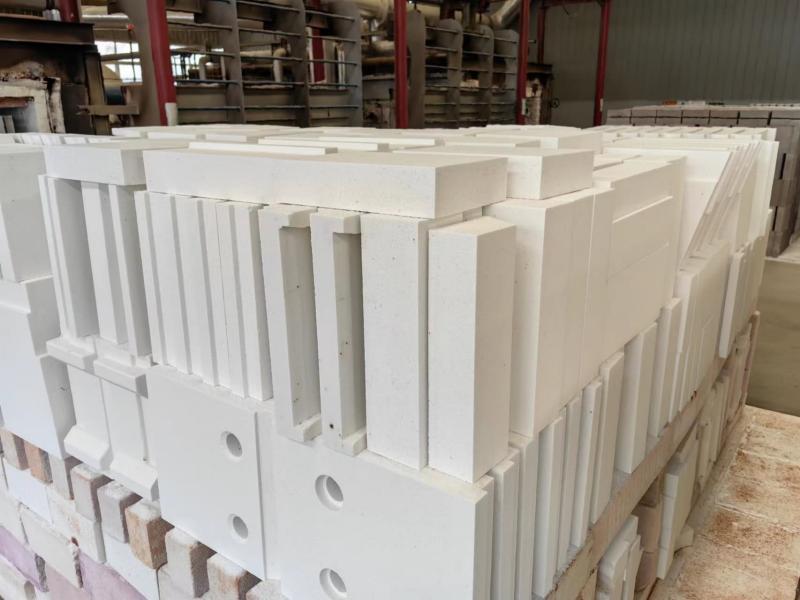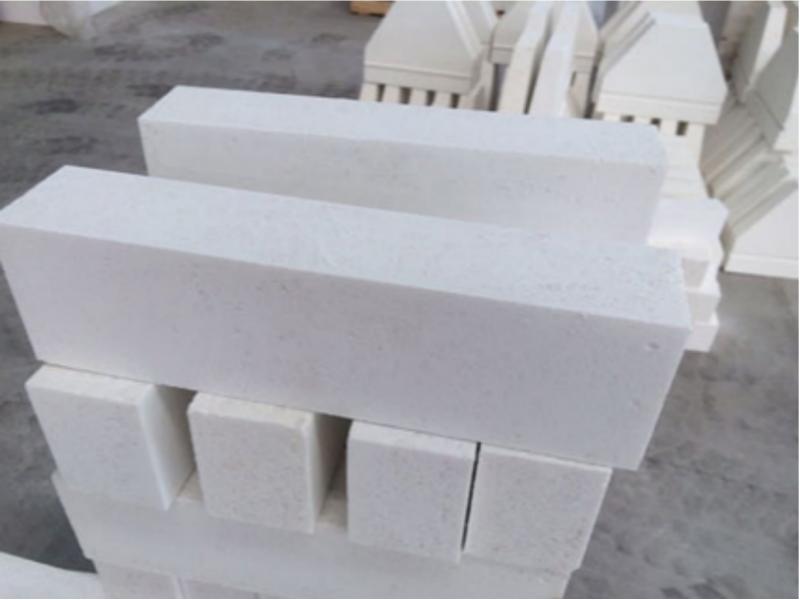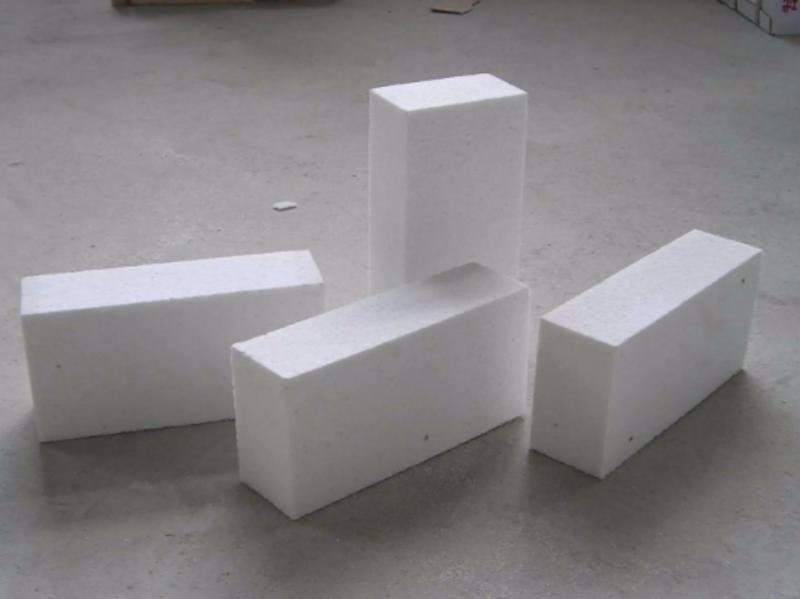
Corundum bricks are an indispensable key basic material in the metallurgical industry. They are high-performance refractory products with an alumina (Al₂O₃) content exceeding 90% and corundum as the main crystalline phase. Due to their excellent properties, corundum bricks play the role of “high-temperature guardians” in many key stages of the metallurgical industry.
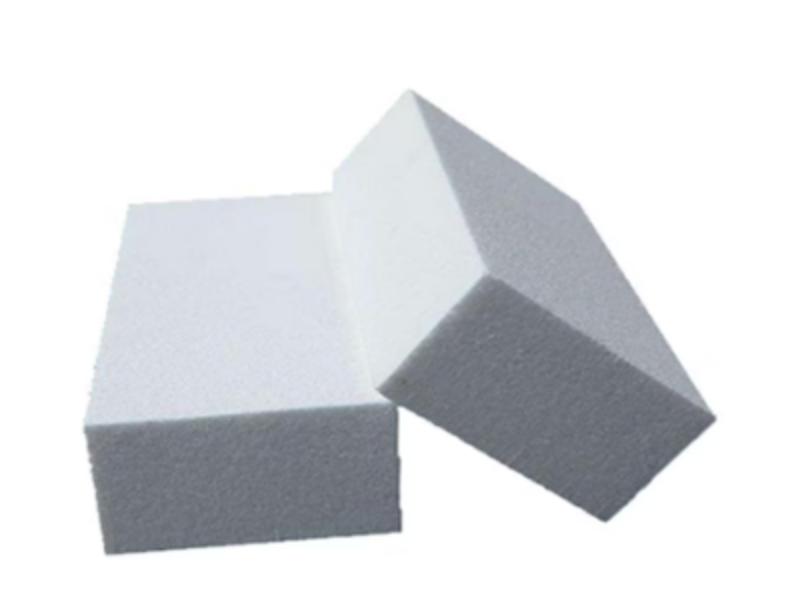
Core Function: Constructing a robust lining that resists high temperatures and corrosion
The most crucial use of corundum bricks in the metallurgical industry is as a lining material for various high-temperature kilns and equipment, directly protecting the furnace structure and ensuring production safety and stability.
Suitable for extreme high-temperature environments: Corundum bricks have extremely high refractoriness, typically reaching 1750°C to 1830°C, and their softening start temperature under load also exceeds 1700°C. This allows them to withstand the ultra-high temperatures inside core equipment such as blast furnaces, hot blast stoves, steel converters, and electric arc furnaces without softening or deforming under long-term use.
Resistant to chemical and physical erosion: Molten metal, metal oxides, and slag produced during metallurgical processes exhibit strong chemical corrosiveness to furnace linings. Corundum bricks possess excellent chemical stability, effectively resisting corrosion from acidic or alkaline slags. Simultaneously, their high-density, low-porosity structure prevents slag penetration, while their extremely high room-temperature compressive strength (up to 340 MPa) and wear resistance allow them to withstand the physical erosion of high-temperature gas flows and materials.
Key Applications: covering the entire metallurgical process
Based on its superior performance, corundum bricks are used in several key areas of metallurgical production:
Ironmaking: Primarily used as linings for the lower part of the blast furnace body, the furnace waist, the furnace belly, and the blast furnace hot blast stove.
Steelmaking: Widely used in converters, electric arc furnaces, and ladle refining furnaces (such as VAD/VOD furnaces) where extremely high steel purity is required, preventing the lining material from corroding and contaminating the molten steel. Additionally, they are used in critical components such as sliding gate nozzles and vent plugs.
Continuous casting process: Used in tundishes and other parts of continuous casting to ensure stability during the casting process.
In summary, corundum bricks are used in the metallurgical industry to build “armor” in the most critical and demanding high-temperature areas. By resisting high temperatures, erosion, and scouring, they play a decisive role in extending equipment life, ensuring smooth production, and improving steel quality.