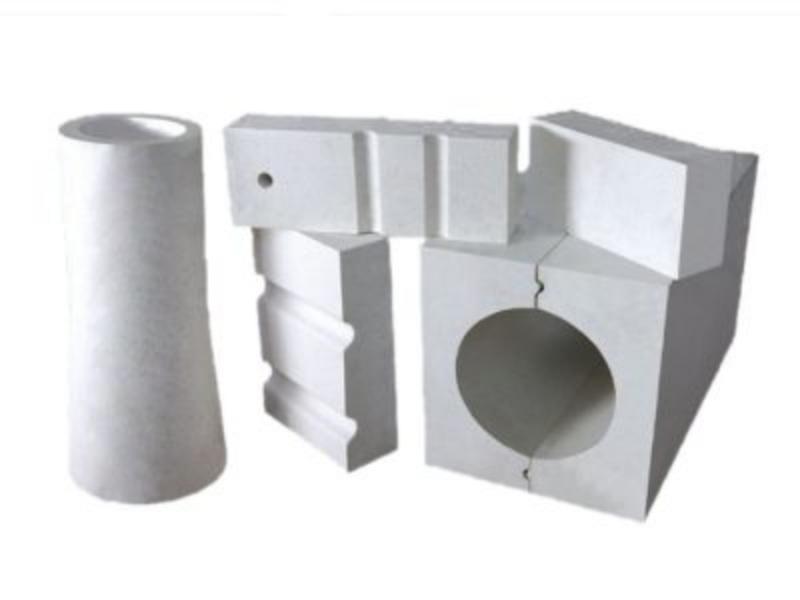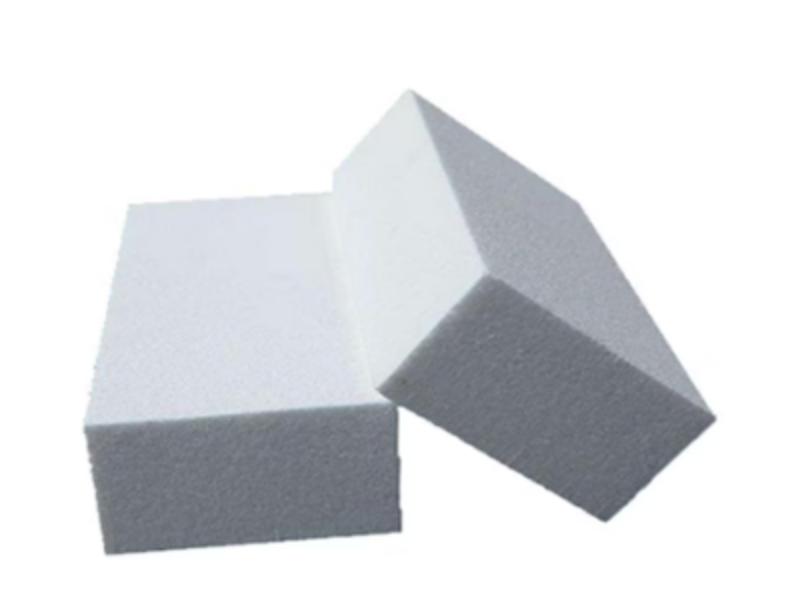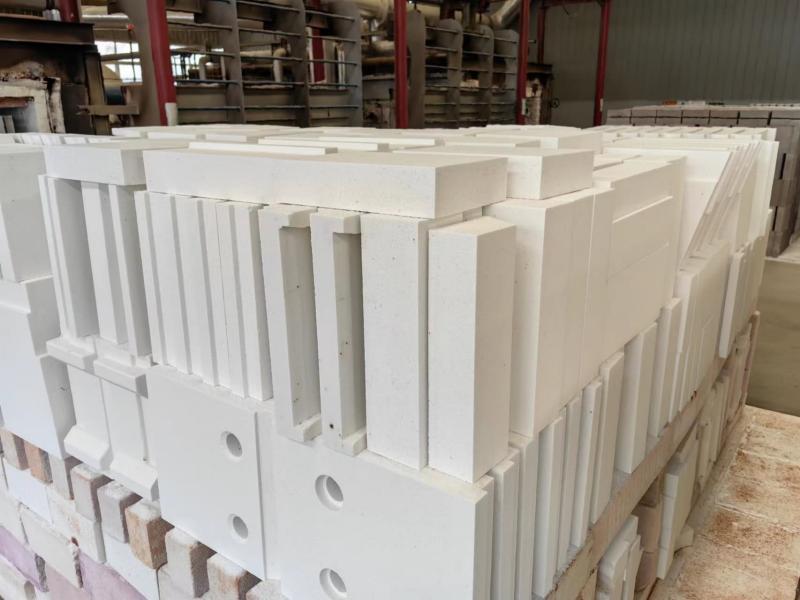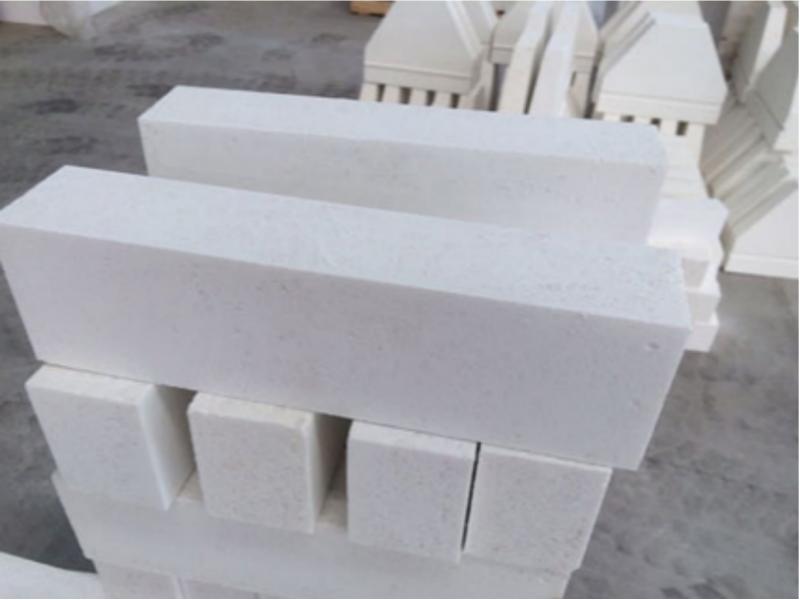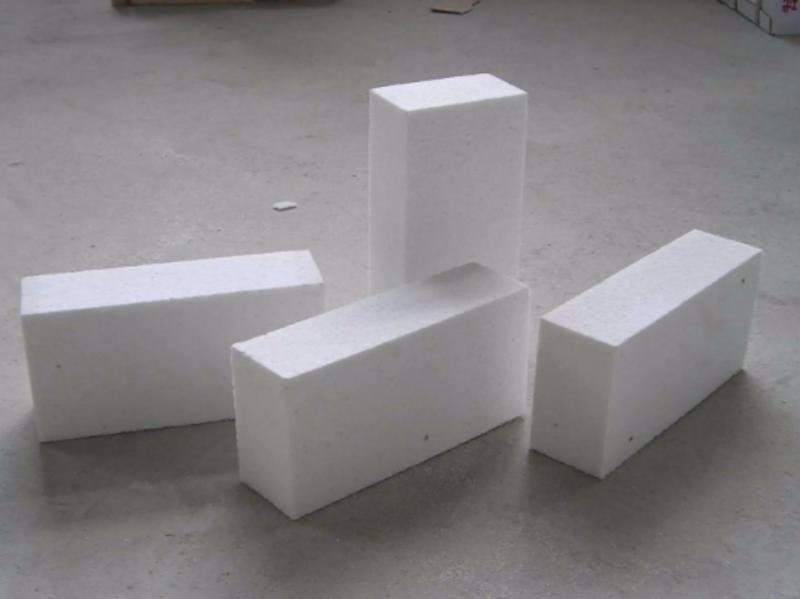
Corundum bricks play a crucial role in the petrochemical industry, serving as an indispensable “steel armor” in various high-temperature reactors and conversion furnaces.
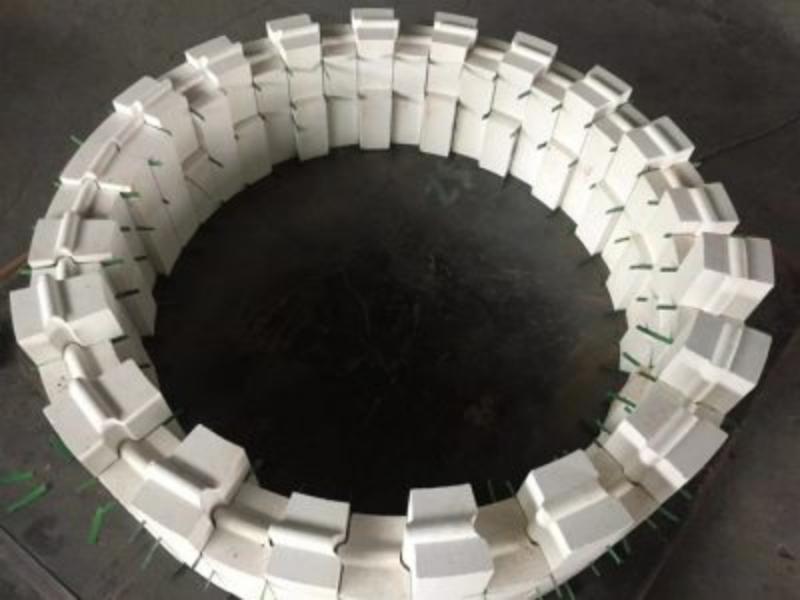
In core petrochemical equipment—such as gasifiers, ethylene cracking furnaces, second-stage ammonia synthesis conversion furnaces, and various gasification furnaces—corundum bricks are used as critical lining materials. These devices operate in extreme high-temperature and high-pressure environments, with the lining directly subjected to the continuous erosion and impact of chemical feedstock gases, flames, and slag. Corundum bricks, with their superior performance, provide a reliable protective barrier for the equipment, ensuring the stability and safety of the reaction process.
Corundum bricks are able to fulfill this crucial role due to their unique material properties: Excellent high-temperature resistance: The main crystalline phase of corundum bricks is corundum (α-Al₂O₃), with an alumina (Al₂O₃) content typically exceeding 90%, and high-purity products even exceeding 99%. This gives it extremely high refractoriness (above 1790℃) and a very high load softening onset temperature (greater than 1700℃), enabling it to maintain structural stability without deformation or softening under the high-temperature conditions of the petrochemical industry.
Strong resistance to erosion and scouring: Petrochemical production often involves acidic or alkaline gases, slag, and high-speed flowing materials. Corundum bricks have good chemical stability, effectively resisting the chemical erosion of these substances. At the same time, its high compressive strength at room temperature (up to 340MPa) and dense structure allow it to withstand strong erosion and wear from materials, thus extending the service life of equipment.
Targeted formula upgrades: To further cope with more demanding operating conditions, the industry has also developed chromium corundum bricks and zirconium corundum bricks. The addition of chromium oxide (Cr₂O₃) significantly improves the material’s resistance to slag erosion. The addition of zirconium oxide (ZrO₂) can utilize its “phase transformation toughening” mechanism to improve the relatively poor thermal shock resistance of corundum bricks, thereby enhancing the material’s toughness and thermal shock resistance.