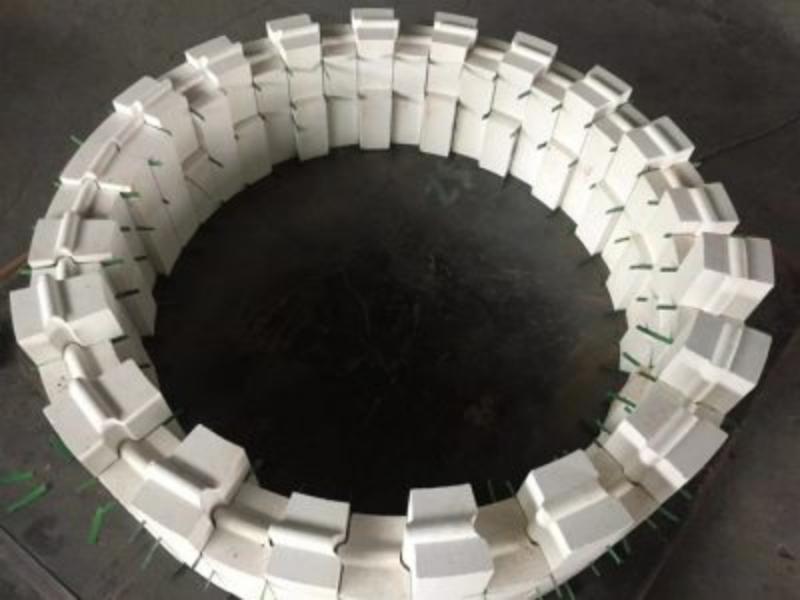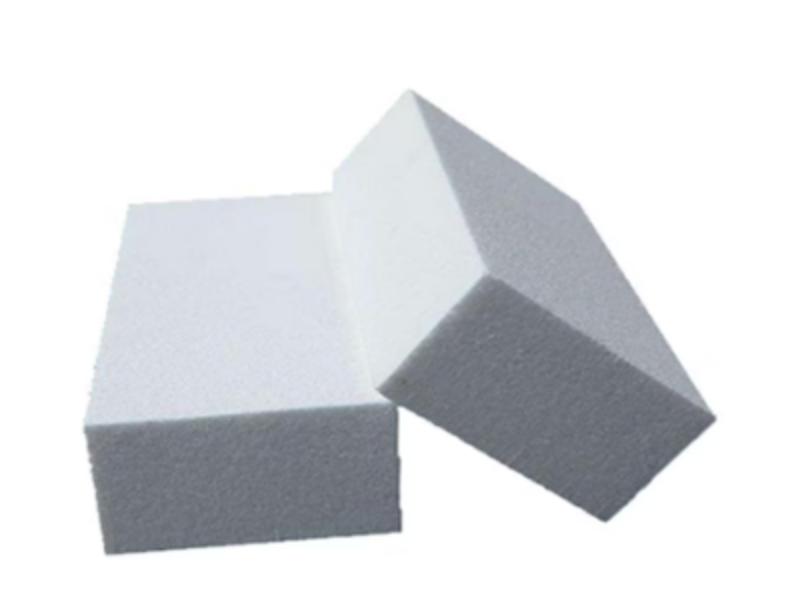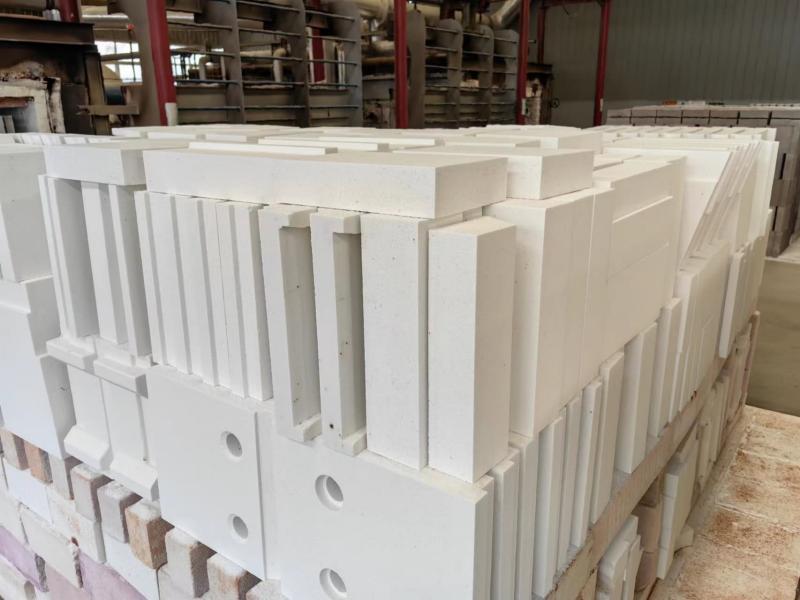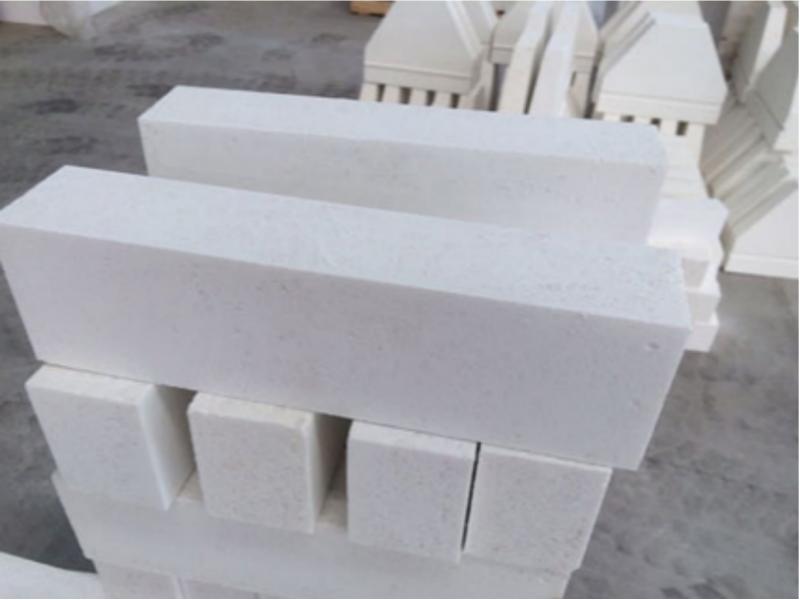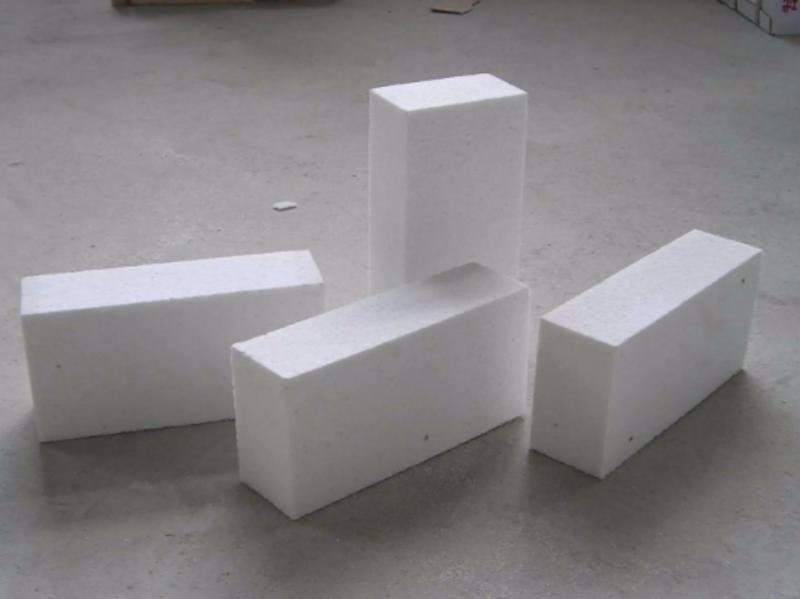
Corundum bricks (usually referring to fused cast corundum bricks and their main variety, zirconia corundum bricks) are key furnace-building materials for glass furnaces. Their application spans the entire glass melting process, playing an irreplaceable role in the following core areas:
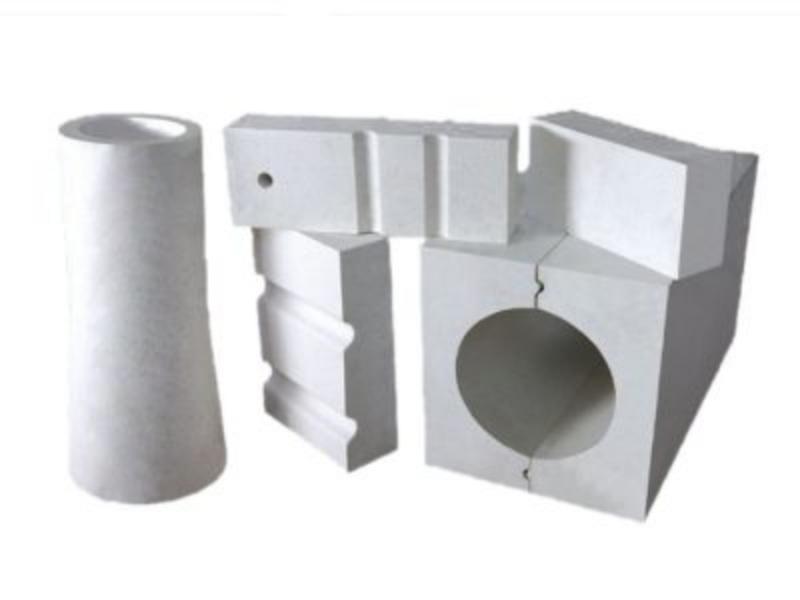
Key areas in direct contact with molten glass
This is the most critical and demanding application scenario for corundum bricks, directly determining the furnace’s lifespan and the quality of the molten glass.
Pool walls and bottom: This is the area most severely affected by the chemical erosion and physical scouring of molten glass at approximately 1600℃. Fused cast corundum bricks, with α-Al₂O₃ as the main crystalline phase, effectively resist erosion and prevent molten glass leakage due to their extremely high density and chemical inertness. Among these, fused zirconia corundum bricks (AZS bricks) containing 33%, 36%, and 41% ZrO₂ (zirconia) are ideal choices for this area. Higher ZrO₂ content results in stronger corrosion resistance; 41% ZrO₂ bricks are commonly used in the most demanding areas such as feed port corners and flow channels.
Flow Channels and Feed Ports: The flow rate of molten glass in flow channels is extremely high, leading to severe abrasion. Feed ports are simultaneously subjected to powder abrasion, flame impact, and chemical erosion. These areas preferentially utilize AZS-41 bricks produced using a shrinkage-free (WS) casting process to ensure an extremely uniform and dense structure.
Forming Areas Ensuring the Purity of Molten Glass
In the “late stages” of glass forming, preventing any external contamination is paramount. Fused α-β corundum bricks are the preferred choice here. Their unique composite structure of α-phase (corrosion resistance) and β-phase (thermal shock resistance) ensures sufficient corrosion resistance while virtually preventing the precipitation of impurities that cause bubbles, streaks, or stones into the molten glass. Therefore, they are the preferred material for critical forming areas such as the refining section, working tank, and feed channel.
Upper structure that withstands high-temperature flames
The upper structure of the furnace, which withstands high-temperature flames, is exposed to high temperatures, flame erosion, and alkaline vapor corrosion, even though it does not directly contact the molten glass. Electrofused AZS-33 bricks are widely used in small furnaces and burner nozzles due to their excellent overall performance. Furthermore, for demanding conditions such as modern pure oxygen combustion, low-exudation cast zirconia-corundum bricks, through optimized composition, significantly reduce the exudation of the glass phase within the brick, lowering the risk of glass defects and further extending the service life of the upper structure.
The application of corundum bricks in the glass industry is essentially a performance matching process centered on “erosion resistance,” “erosion resistance,” and “low pollution.” From high-strength pool walls to high-purity feed channels, it is through the precise selection of α-phase, β-phase, and different ZrO₂ contents that the efficient, stable, and long-term operation of glass furnaces is ensured.