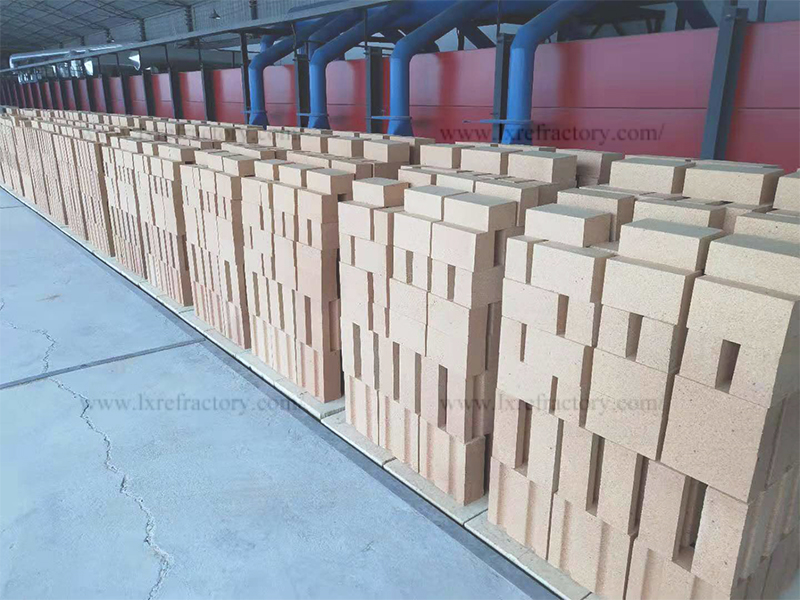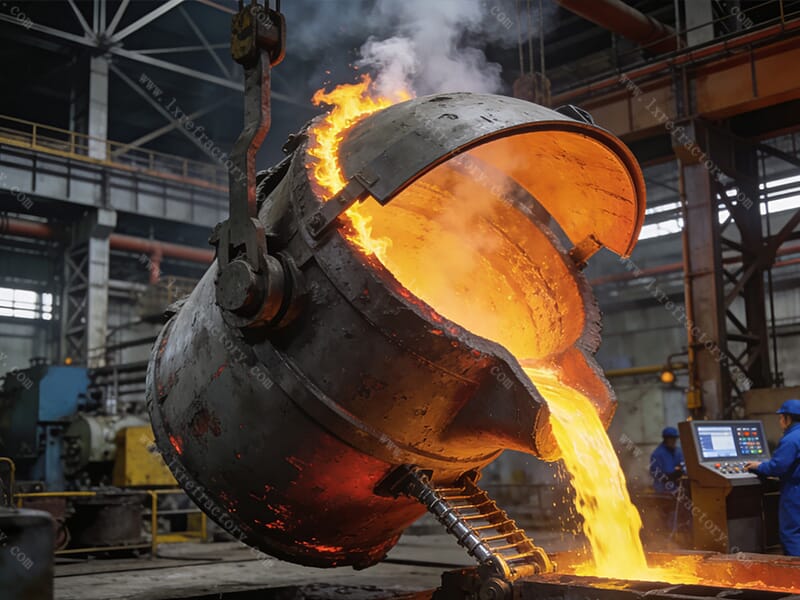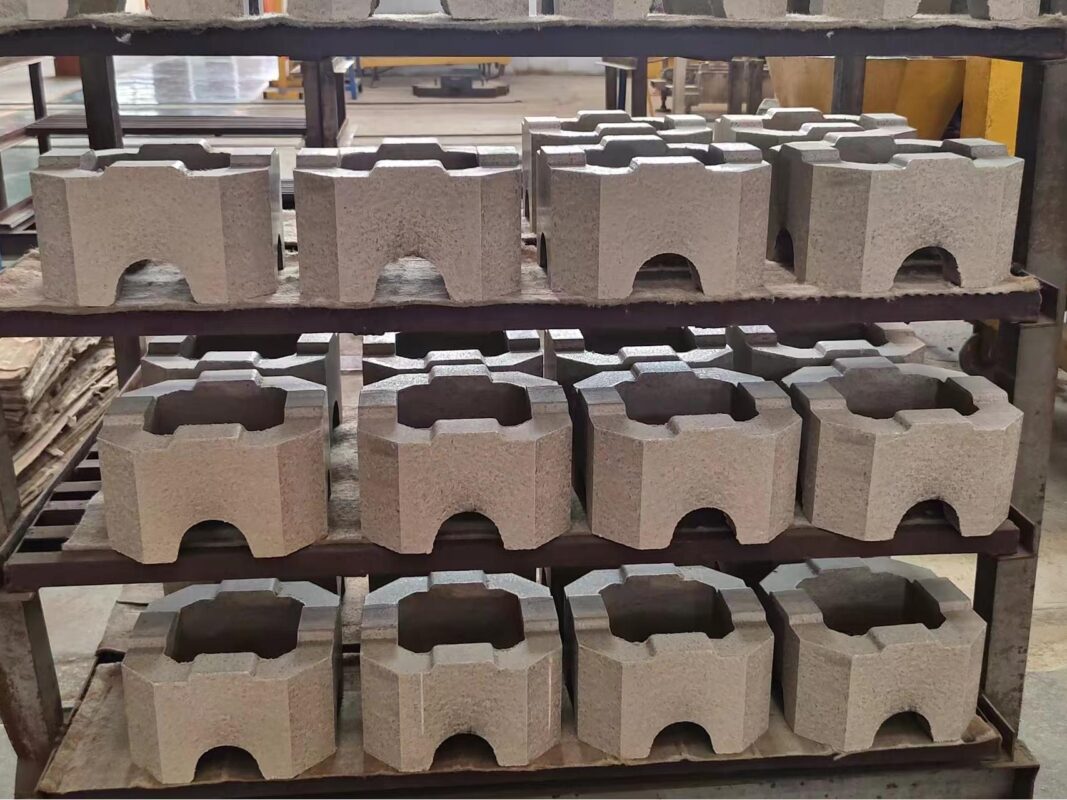
Is your glass furnace also made with calcium-free silica bricks?
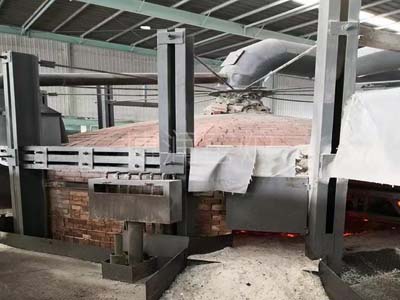
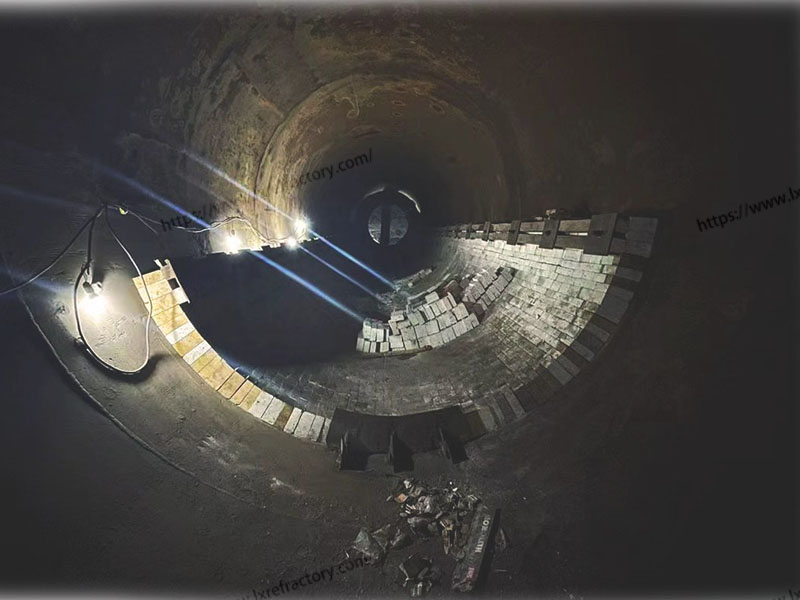
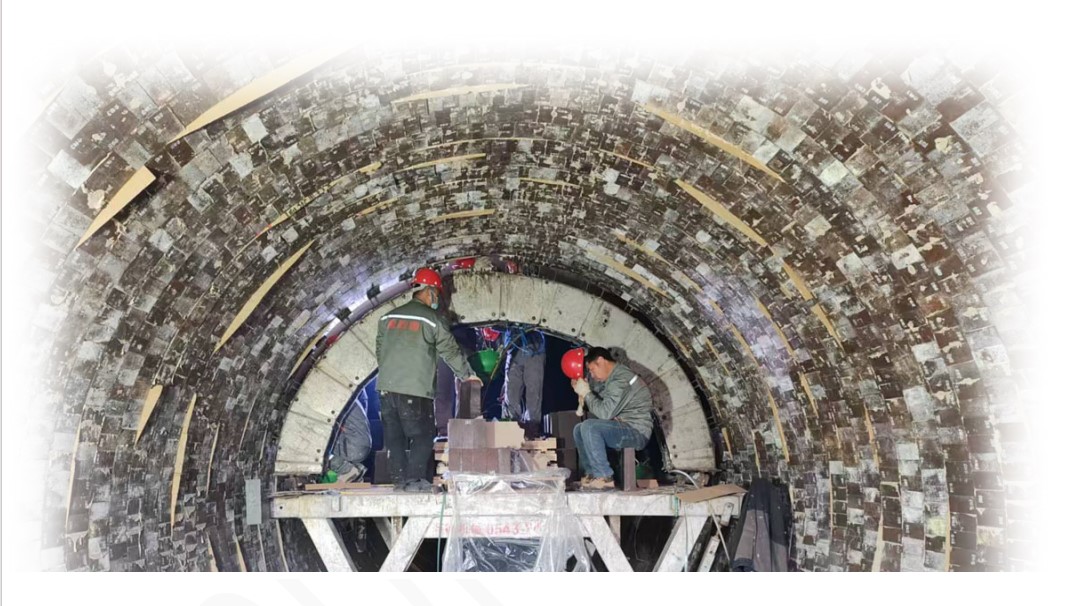
In the high-temperature production of the glass industry, calcium-free silica bricks have become a key material for upgrading glass furnaces, mainly used in high-temperature, high-corrosion core parts such as the main arch, tongue arch, and small furnaces.
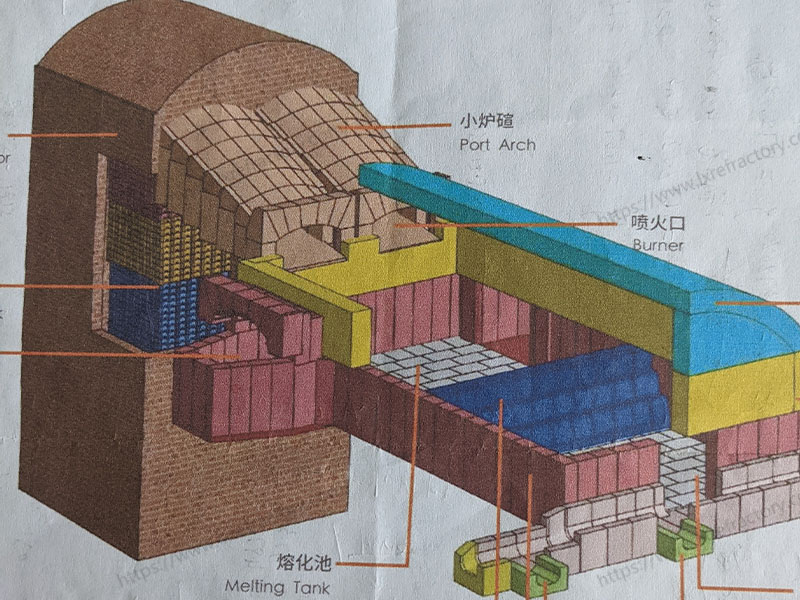
The core advantage of calcium-free silica bricks lies in their pure material composition. Their silica content can reach over 98.5%, and the extremely low calcium oxide content completely eliminates the defect of traditional silica bricks that easily form low-melting-point calcium sodium silicates, fundamentally avoiding structural damage caused by high-temperature alkaline flue gas corrosion.
Compared to ordinary silica bricks, their alkali corrosion rate is significantly reduced. Under high-alkali, high-temperature furnace conditions, their service life is extended from 18 months to over 34 months, significantly reducing the frequency of furnace maintenance and production costs.
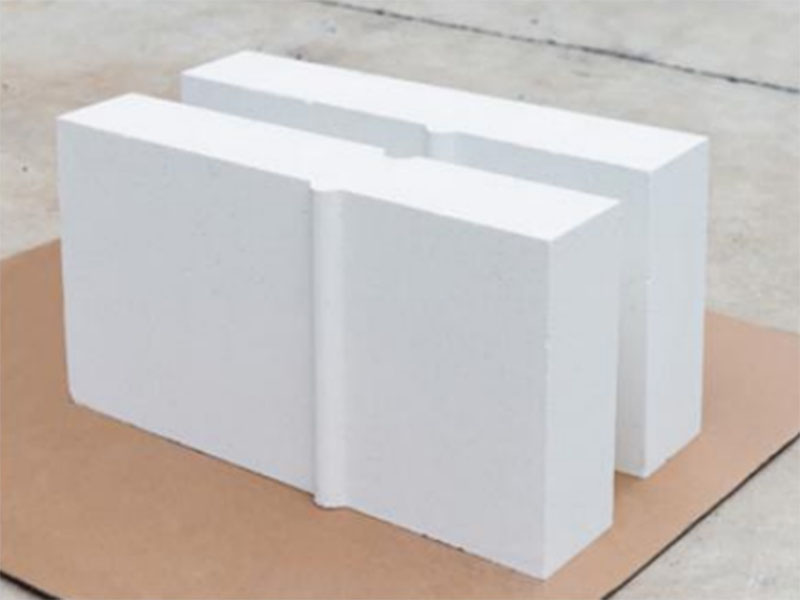
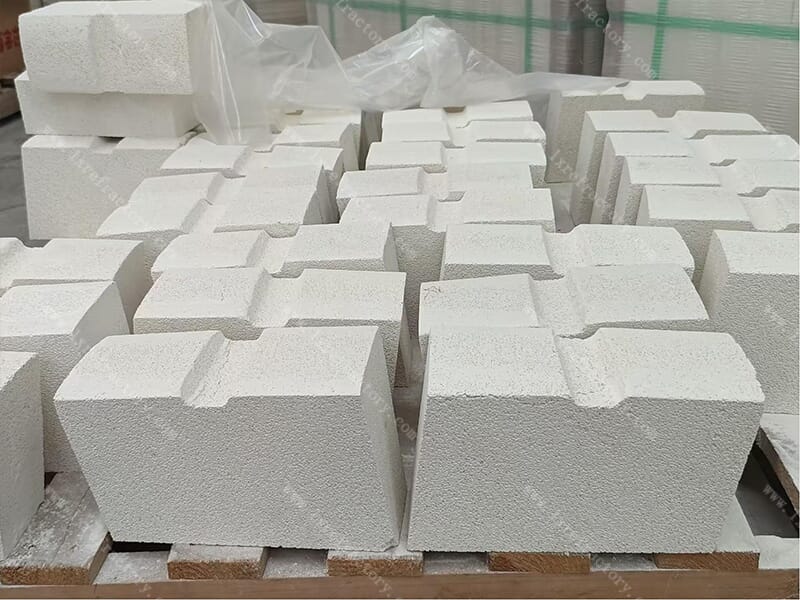
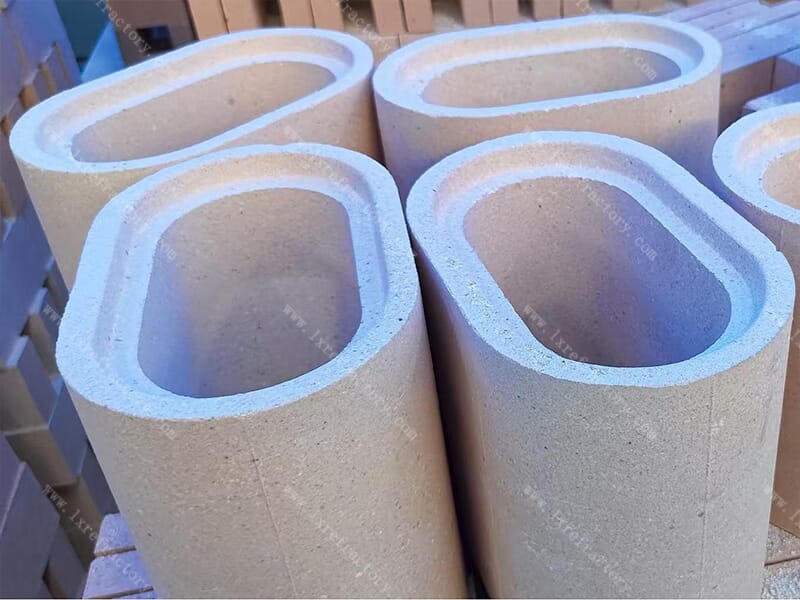
calcium free silica bricks
Calcium-Free Silica Brick Performance Indicators:
High Temperature Resistance:
This material possesses excellent high-temperature stability, with a load softening temperature as high as 1690℃, making it suitable for the continuous high-temperature operating environment of glass furnaces.
Thermal Expansivity:
Its coefficient of thermal expansion is extremely low, resulting in minimal deformation at temperatures above 600℃. This makes it resistant to cracking and peeling over long-term use, eliminating the need for extensive expansion joints after construction and effectively improving the airtightness of the kiln walls and arch.
Furthermore, the product contains extremely low levels of impurities, preventing contamination of the molten glass and effectively reducing defects such as bubbles and impurities, thus ensuring the purity and light transmittance of the finished product.