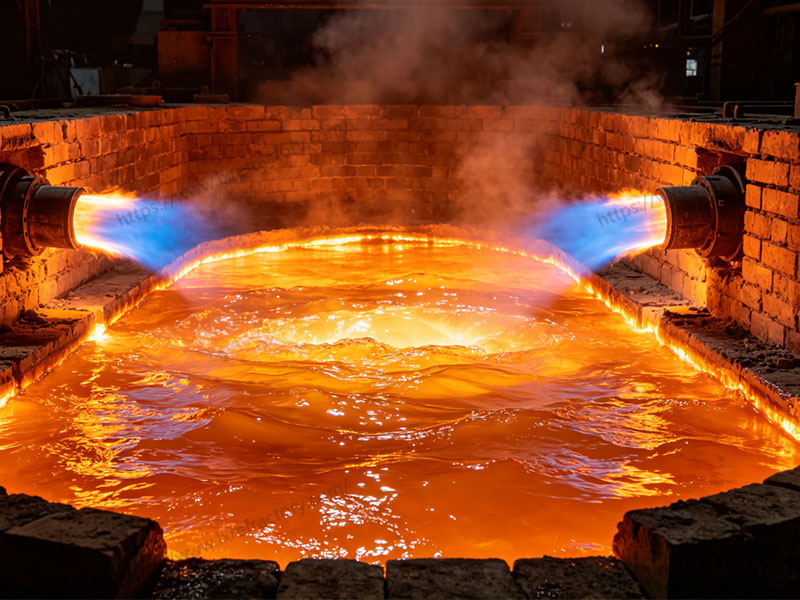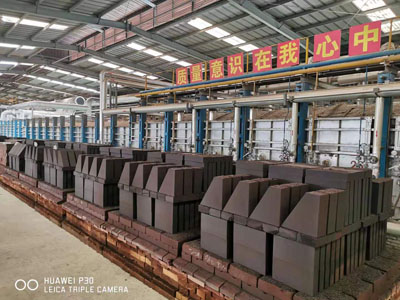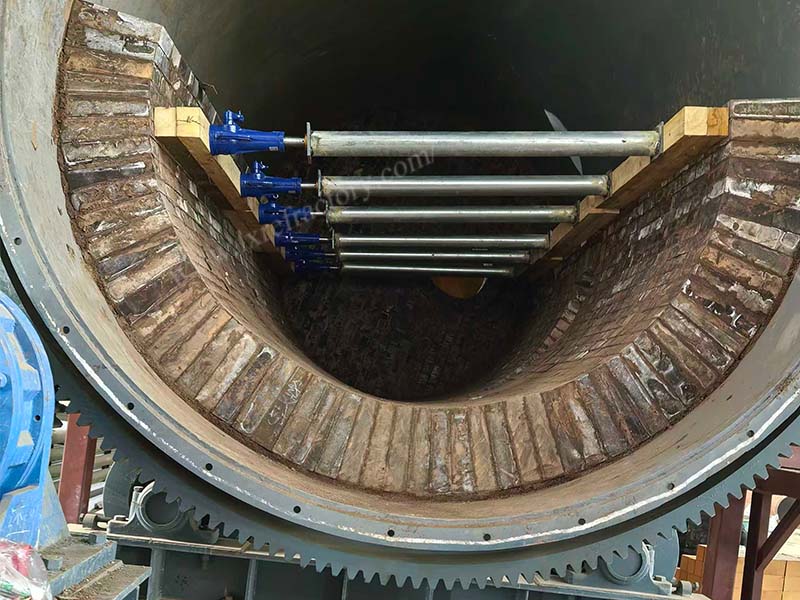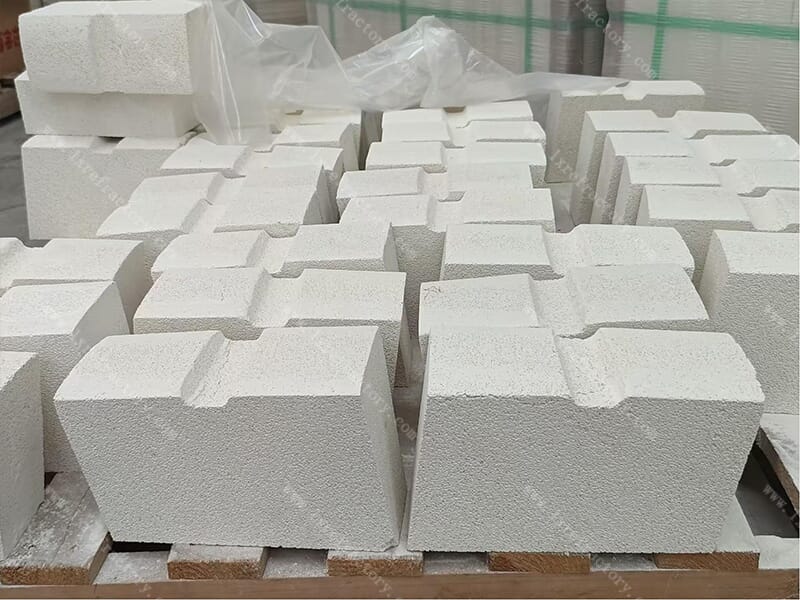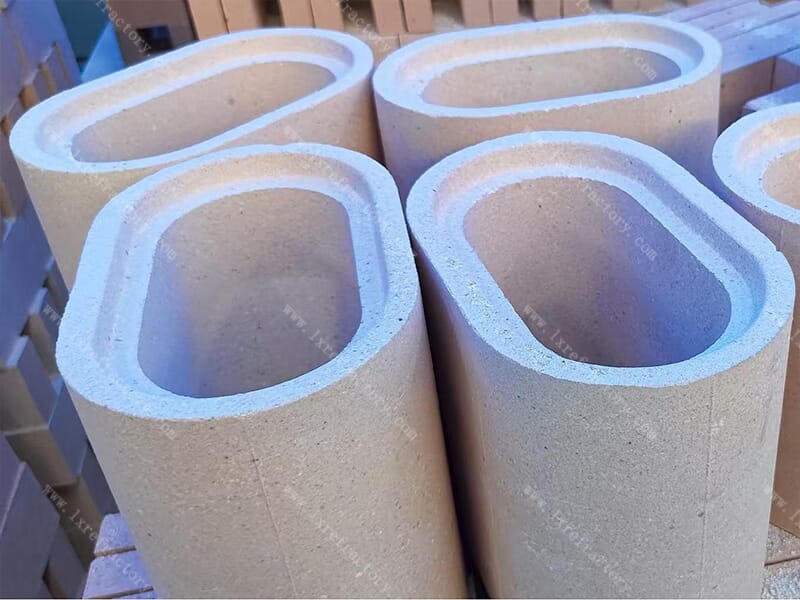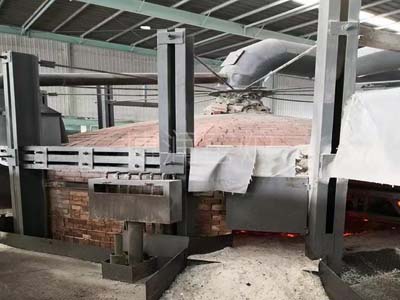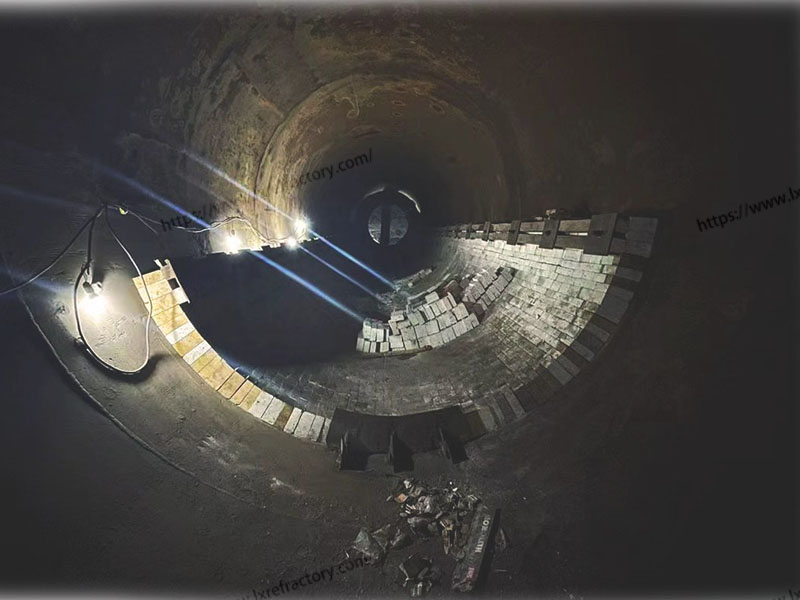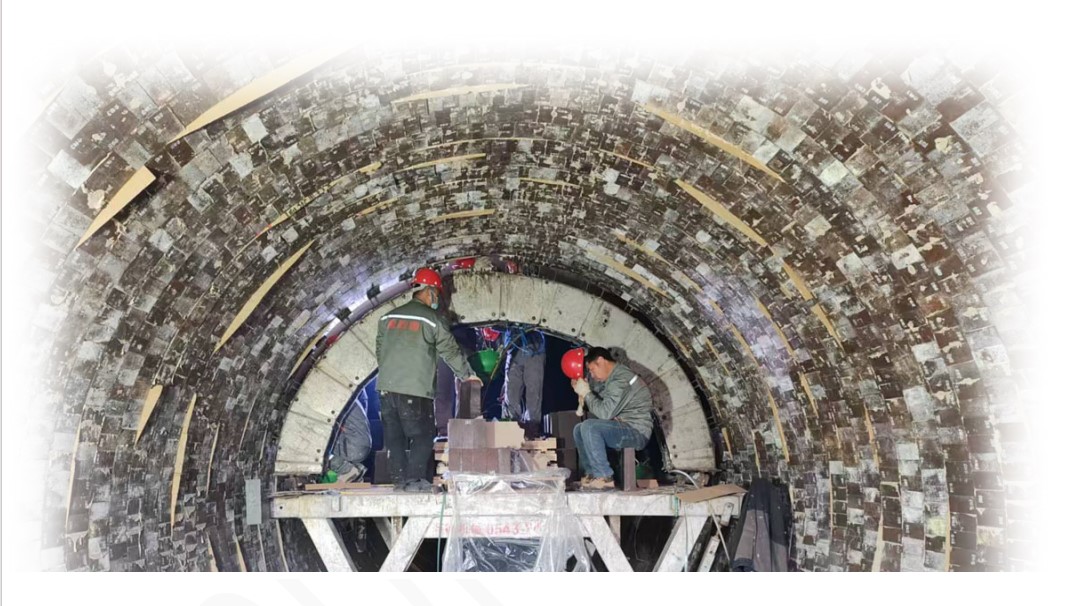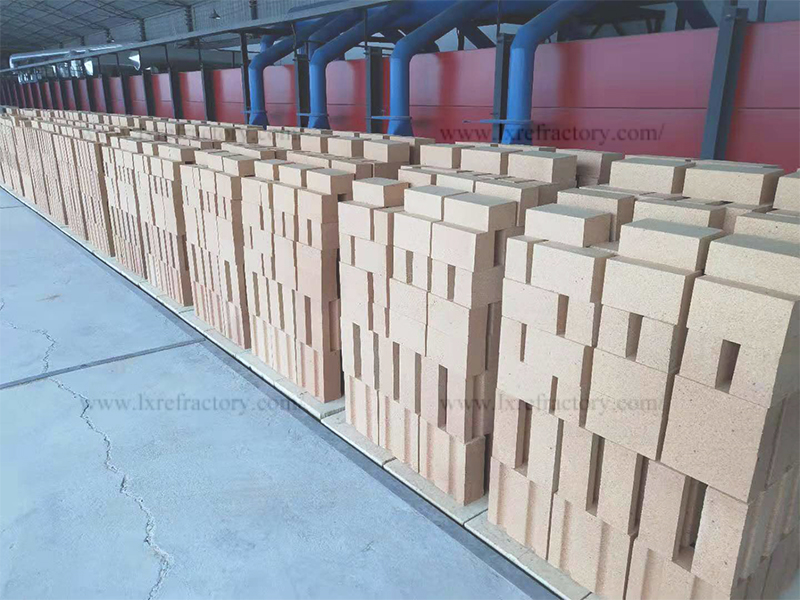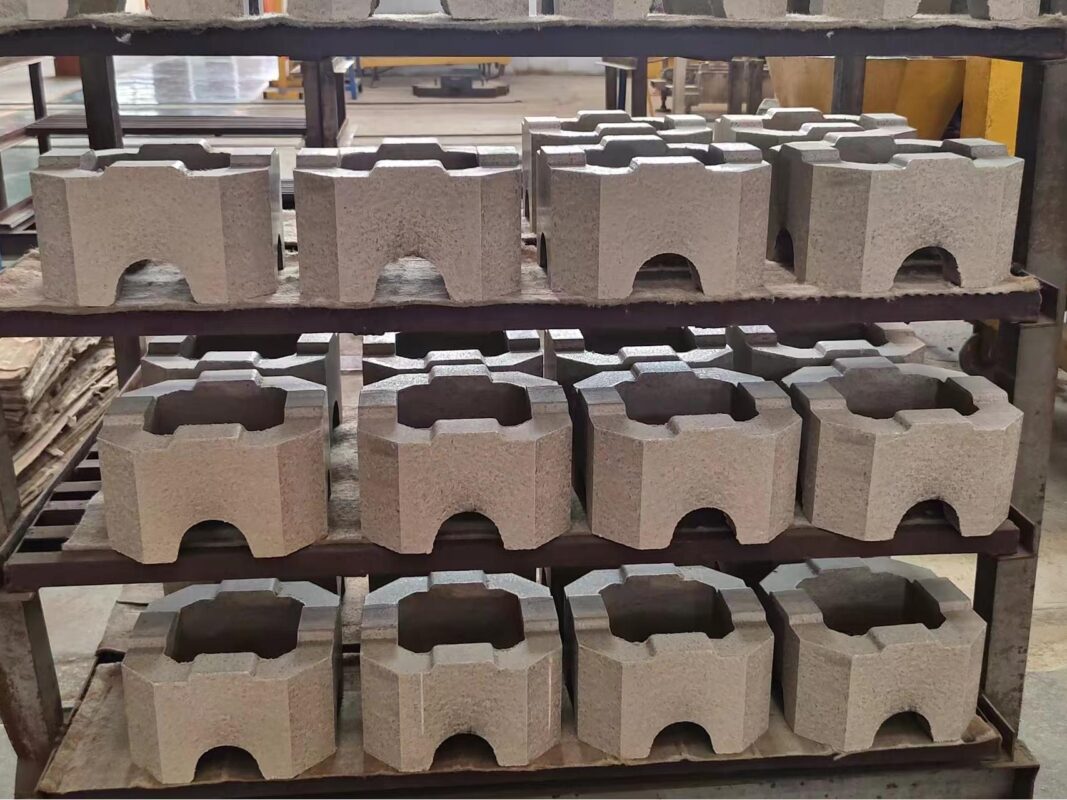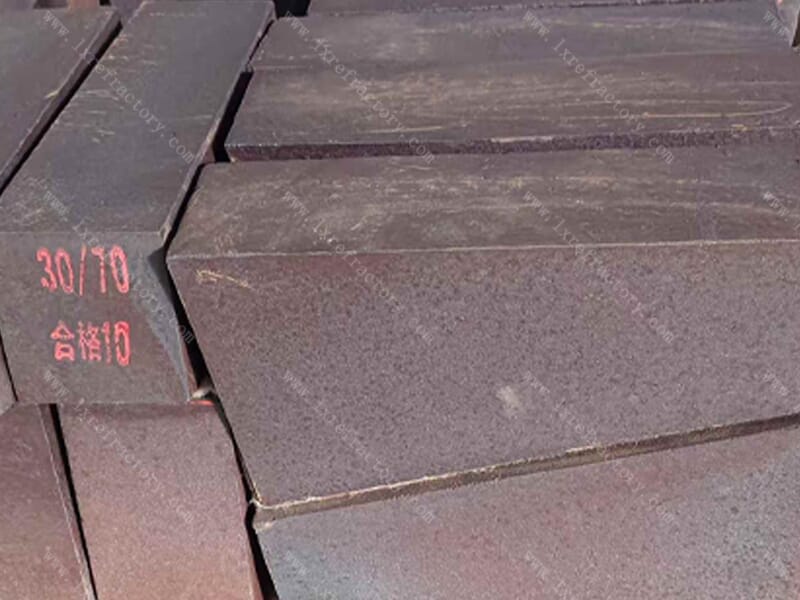
There is no uniform standard for the service life of refractory bricks. It varies greatly depending on the type of kiln, working area, brick material, and operating conditions, ranging from a few dozen firings to over ten years.
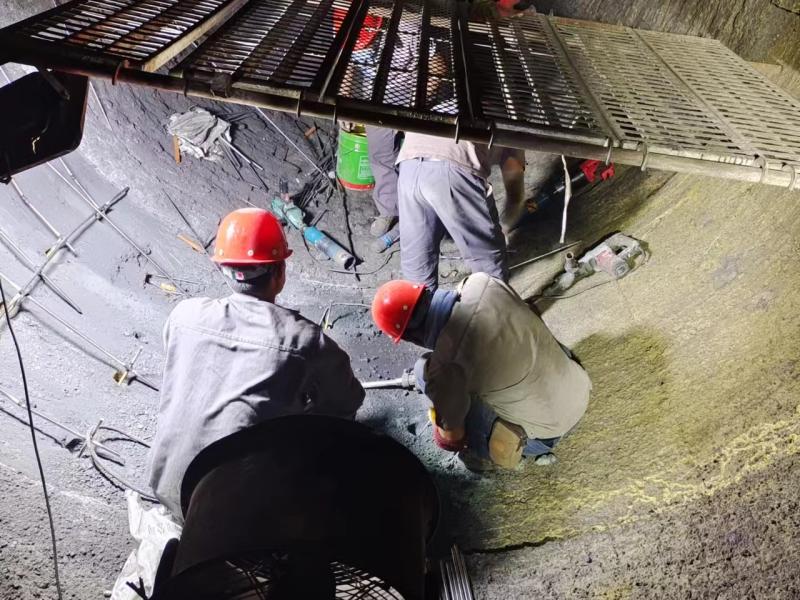
In cement rotary kilns, the firing zone and transition zone have the highest heat loads. The service life of high-quality basic bricks (such as directly bonded magnesia-chrome bricks and magnesia-spinel bricks) is typically around one year, and under certain conditions, it can reach 9 months to 2 years. If traditional materials such as phosphate bricks are used, the service life is mostly between six months and 200 days. The service life of refractory bricks in new dry-process kilns is generally required to be no less than 10 months.
The service life of lime kilns varies significantly. The lining life of ordinary lime kilns is about 3 years, while the service life of the rotary kiln calcination zone can be extended from 8-10 months to 18-24 months through material and masonry optimization. The service life of the kiln lining in an active lime rotary kiln can reach up to 30 months.
Glass melting furnaces are representative of long-life kilns. The service life of high-end fused cast refractory materials (such as the AZS series) used in modern float glass furnaces has been steadily increased to over 5 years, while electrofused materials can even support furnace operation for 10 years or longer. Industry technical targets have set a service life of over 12 years for key components.
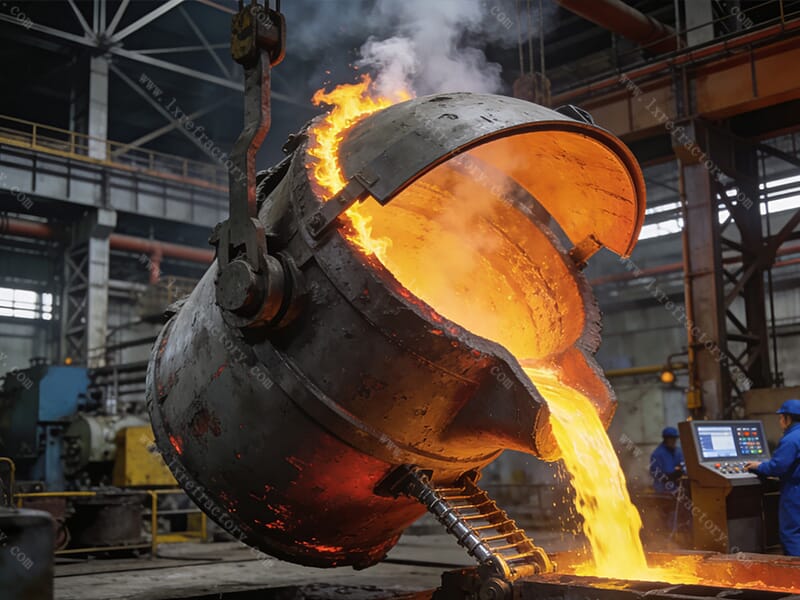
The pace of use is fastest in steel smelting furnaces. The lining life of LF refining furnaces is typically only 50 to 100 heats. When the vacuum degassing process accounts for a high proportion, the single-heat life of magnesia-carbon bricks in the slag line zone is drastically shortened to 18-30 heats. In contrast, blast furnace hearths, constructed with carbon bricks, can have a service life exceeding 10 years, with the longest recorded service life reaching 19 years.
In short, the service life of refractory bricks is the result of the combined effects of material properties and operating conditions. Stable thermal regimes, good kiln lining maintenance, and reasonable material selection and construction are all key to extending their service life.