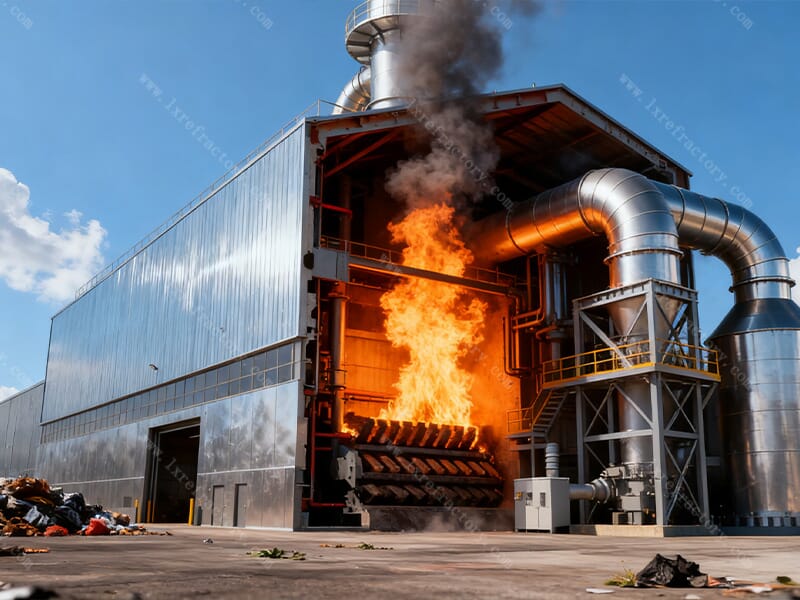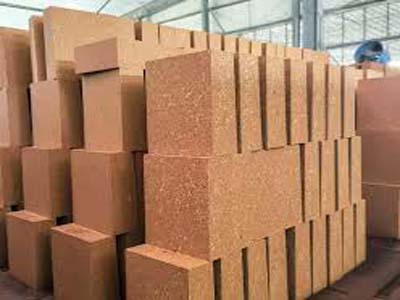
Refractory fire bricks are core consumables in high-temperature industries, and their performance directly affects kiln life and production efficiency. Different industries have significantly different operating conditions, leading to varying requirements for the material and performance of refractory bricks.
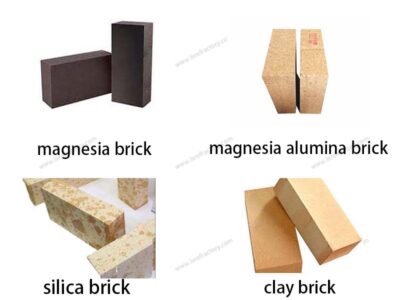
refractory bricks
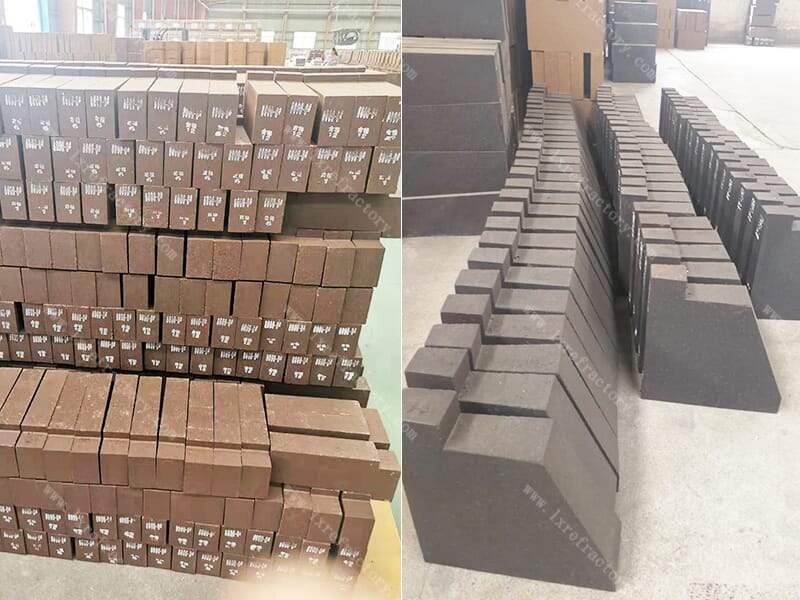
Henan Ruitai Lianxin Refractory Materials Co., Ltd. has been deeply involved in the industry for many years, providing customized refractory brick solutions tailored to the characteristics of the steel, cement, and glass industries. These solutions cover a full range of products, including high-alumina bricks, corundum bricks, and magnesia-carbon bricks.
Steel Industry: Corrosion Resistance and Shock Resistance are Core Requirements
1.1 Characteristics of Core Operating Conditions
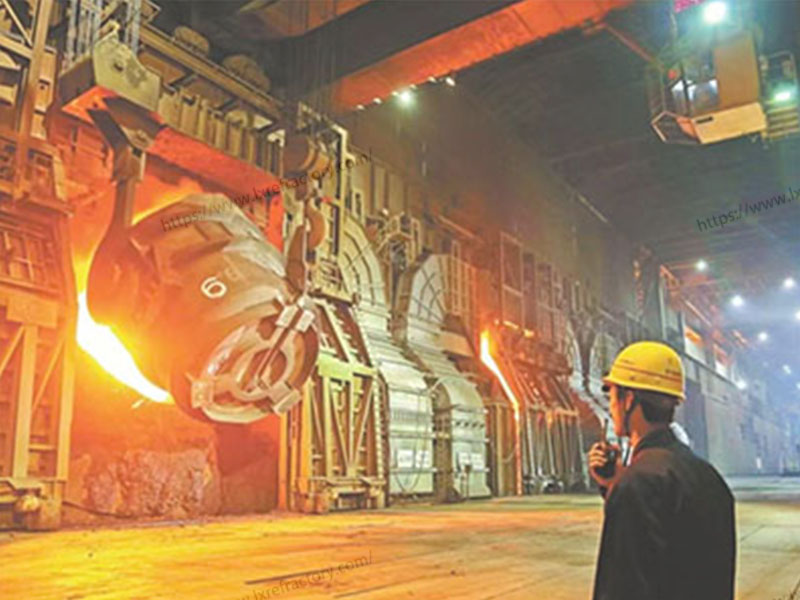
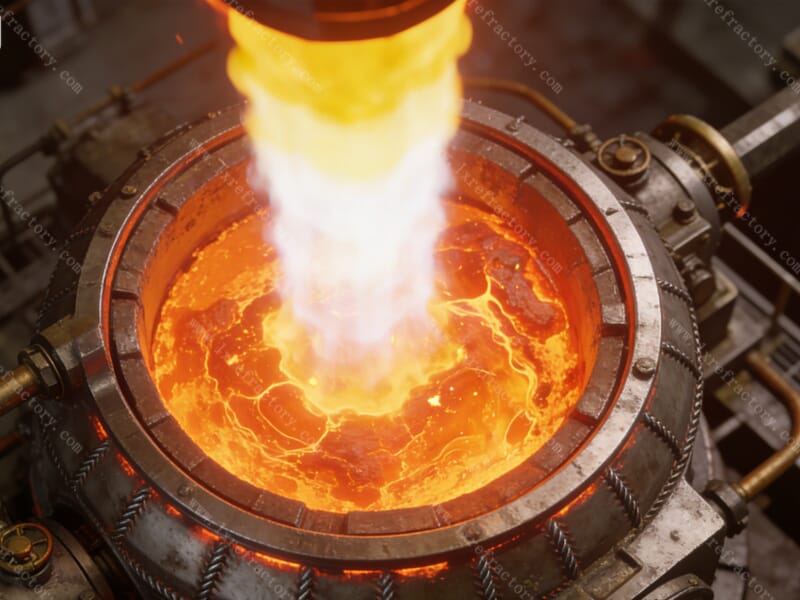
Steel smelting kilns can reach temperatures above 1800℃. The furnace is subject to erosion from molten steel and slag, accompanied by severe temperature fluctuations, placing extremely high demands on the slag erosion resistance and thermal shock resistance of refractory bricks.
1.2 Differentiated Selection and Application
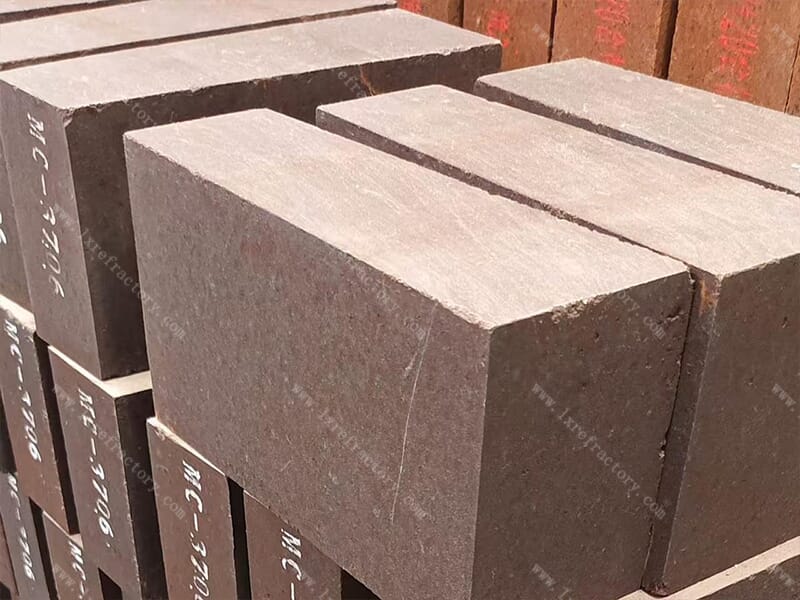
Magnesia-carbon bricks are used for the walls and openings of converters and electric furnaces due to their excellent slag resistance against steel slag erosion. High-alumina bricks are used in the furnace roof and upper part of the furnace walls to balance thermal shock resistance and high-temperature resistance.
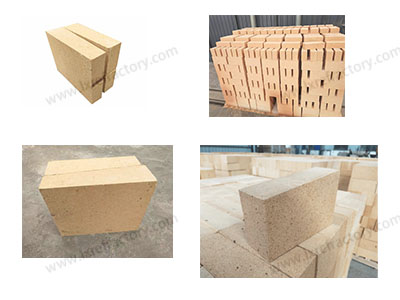
high alumina brick
Henan Ruitai Lianxin’s customized magnesia-carbon bricks and magnesia-chrome bricks have been widely used in key parts of steel smelting.
Cement Industry: Wear-resistant and Alkali-resistant for Complex Working Conditions
2.1 Core Working Condition Characteristics
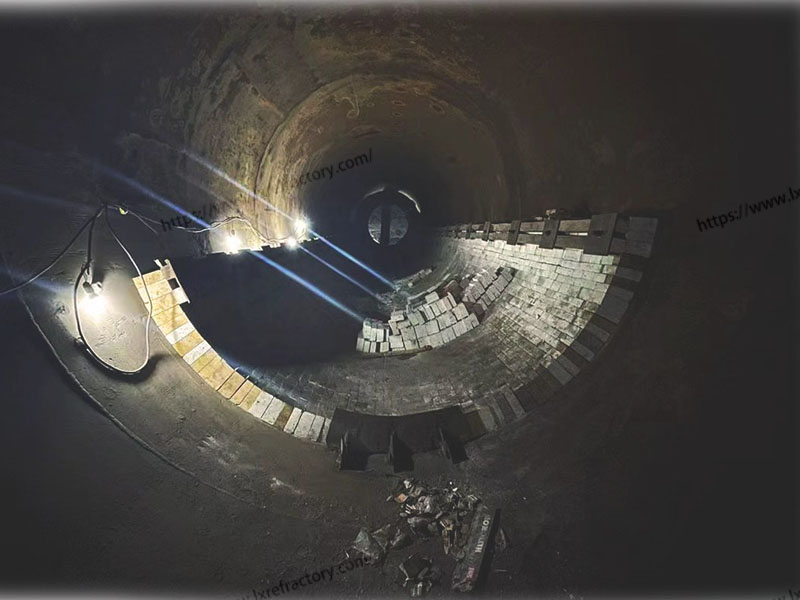
The operating temperature of a cement rotary kiln is 1300-1500℃. The kiln experiences clinker grinding, alkali corrosion, and temperature fluctuations. Different areas of the kiln have significantly different working conditions, requiring different levels of wear resistance and alkali resistance in the refractory bricks.
2.2 Differentiated Selection and Application
Low-chromium periclase composite spinel bricks are used in the firing zone, offering strong resistance to clinker erosion. Silicon-mullite bricks are used in the transition zone, providing excellent wear resistance and thermal shock resistance.
Alkali-resistant bricks are used in the preheating zone to prevent alkali corrosion and spalling. Henan Ruitai Lianxin provides a full range of products, from alkali-resistant bricks to spinel bricks, for different areas of the cement kiln.
Glass Industry: Corrosion Resistance, Thermal Insulation, and High-Temperature Stability
3.1 Core Operating Conditions
Glass melting furnaces reach temperatures of 1400-1600℃. Molten glass is highly corrosive, requiring excellent furnace insulation while also mitigating thermal stress from temperature fluctuations.
3.2 Differentiated Selection and Application
The melting pool zone utilizes corundum bricks and fused mullite bricks to resist molten glass corrosion. Lightweight insulating bricks are used for the furnace roof and upper structure to reduce heat loss.
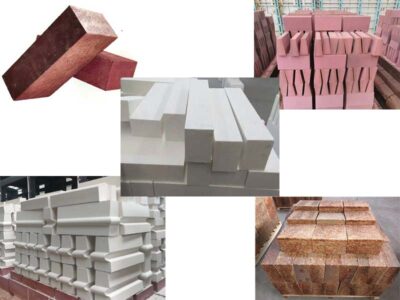
Corundum Brick Series
High-alumina bricks are suitable for the cooling zone to enhance thermal shock resistance. Henan Ruitai Lianxin’s corundum bricks and lightweight insulating bricks can meet the stringent requirements of all parts of the glass furnace.
Henan Ruitai Lianxin, relying on a professional technical team, can customize refractory brick solutions for different industrial scenarios. Its products cover core categories such as high-alumina bricks, corundum bricks, magnesia-carbon bricks, and silicon-mullite bricks, combining high quality and cost-effectiveness.
Whether you are a steel, cement, or glass company, if you need refractory brick products and technical support tailored to your operating conditions, please contact us!
We will provide you with one-on-one selection guidance and comprehensive after-sales service, working together to ensure stable and efficient production.