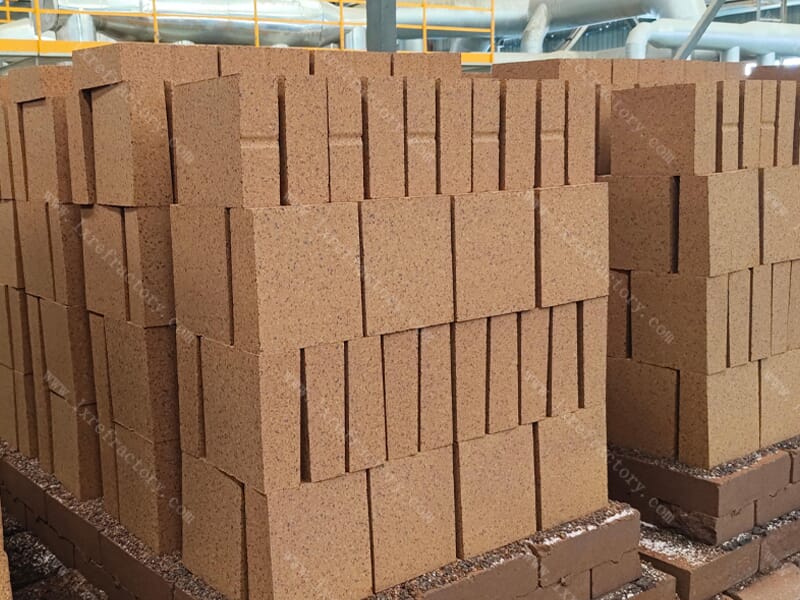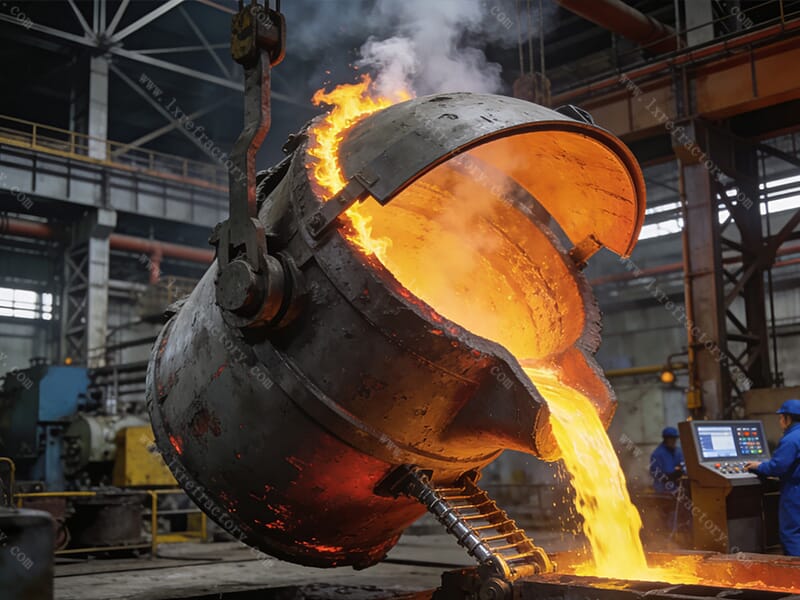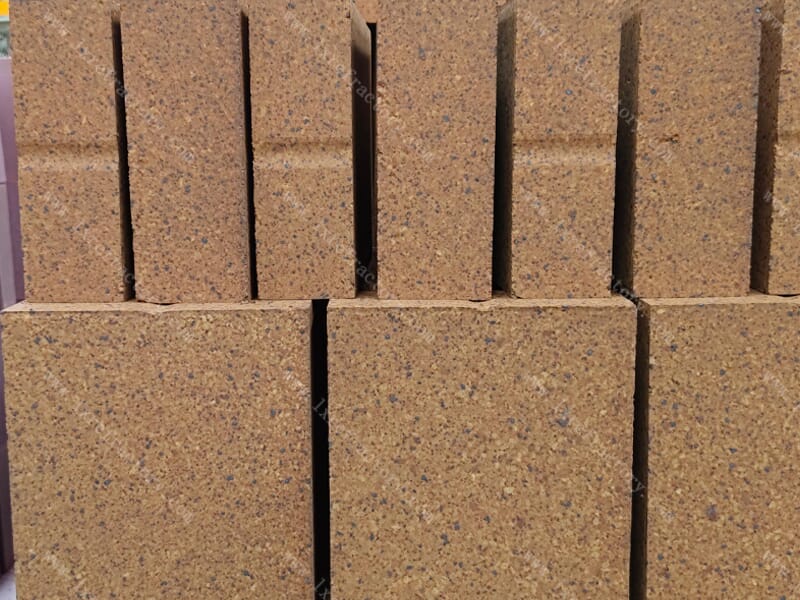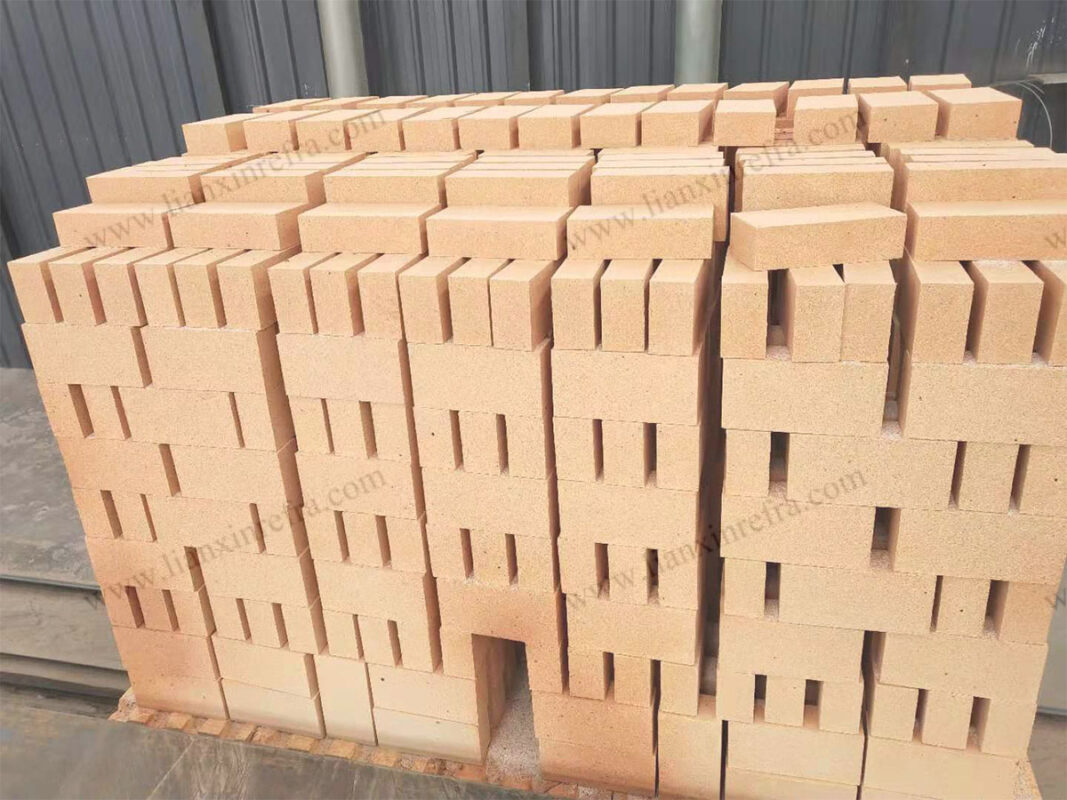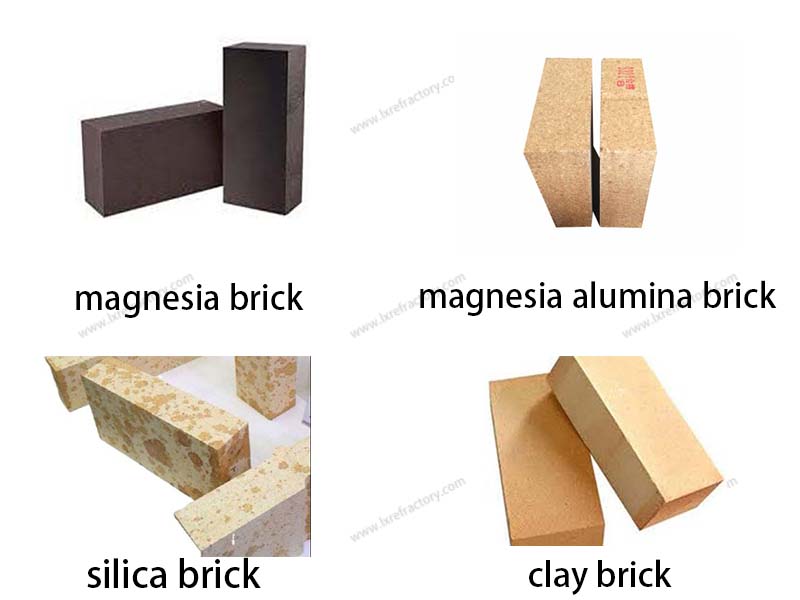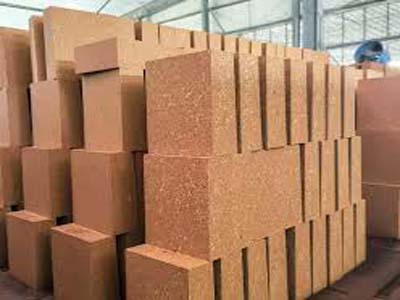
Fire bricks, as an indispensable core lining material for metallurgical kilns, directly determine the kiln’s safe operating cycle, production efficiency stability, and overall operation and maintenance costs through their quality and compatibility. Metallurgical kilns operate under extremely complex and harsh conditions, constantly exposed to high temperatures. They must simultaneously withstand multiple loads, including molten material erosion, slag chemical corrosion, thermal shock fluctuations caused by sudden temperature changes, mechanical vibration, and material impact. Even slight misselection can lead to lining spalling, cracking, or even penetration, causing production shutdowns. Therefore, the scientific selection of fire bricks is not a simple material selection process but requires a comprehensive assessment considering kiln operating characteristics, core material properties, economic cost control, and environmental requirements to achieve a precise match between materials and operating conditions.
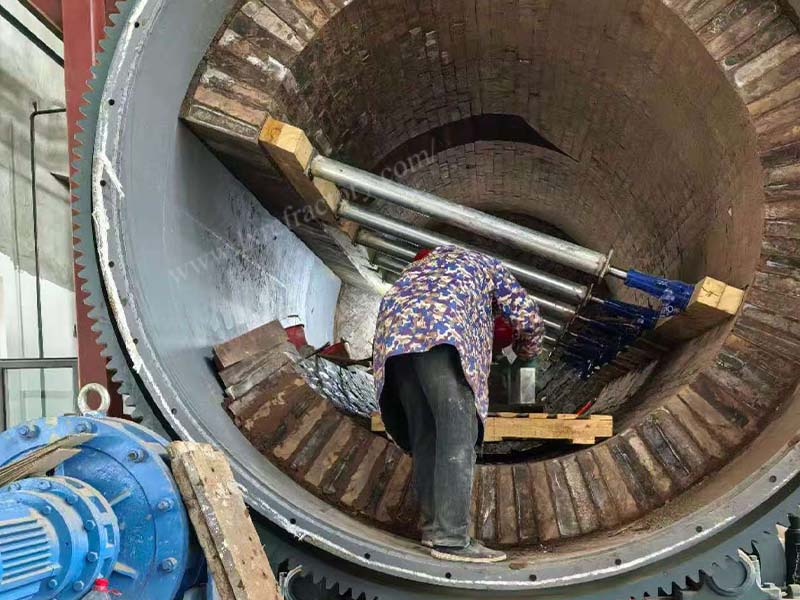
The following systematically breaks down the challenges of selecting fire brick material for metallurgical kilns from four aspects: core selection principles, key elements, scientific processes, and optimized prevention and control strategies, providing practical solutions.
I. Core Principles of Fire Brick Selection
The selection of fire bricks for metallurgical kilns must strictly adhere to three core principles: performance suitability, operating condition matching, and economic rationality. These three principles form an organic whole, and none can be omitted.
Performance suitability is the fundamental prerequisite, requiring fire bricks to possess core technical indicators such as high-temperature resistance, erosion resistance, thermal shock stability, and high-temperature volume stability. It must not only meet the parameter requirements for normal kiln operation but also reserve a certain safety margin to cope with extreme operating conditions such as instantaneous overheating and fluctuations in medium composition.
Operating condition matching is the core logic. It requires precise consideration of specific operating conditions such as kiln type, actual operating temperature of various parts, acidity/alkalinity of the medium, and mechanical load strength to select fire bricks of corresponding materials and specifications, avoiding a “one-size-fits-all” selection.
Economic rationality is the optimization goal. While ensuring the service life of the fire bricks and meeting production safety requirements, it balances material procurement costs, construction costs, and subsequent maintenance and replacement costs. It avoids blindly selecting high-end materials leading to over-investment, while also avoiding the pursuit of low prices that result in rapid material failure and hidden losses due to frequent production shutdowns and maintenance.
II. Key Selection Factors Analysis
(I) Precise Matching of Operating Temperature
Temperature is the primary core indicator for fire brick selection. Different areas of the kiln exhibit significant temperature variations, necessitating precise material matching based on the actual operating temperature gradient.
High-temperature critical areas of metallurgical kilns, such as converter slag lines, blast furnace hearths, and electric arc furnace bottoms, can experience long-term operating temperatures of 1600-1800℃, with some instantaneous temperatures even exceeding 1850℃. These areas require alkaline refractory materials with a refractoriness ≥1800℃ and excellent high-temperature volume stability, such as magnesia bricks, magnesia-alumina spinel bricks, and magnesia-carbon bricks. These materials are less prone to softening and deformation at high temperatures and can resist the erosion of extreme temperatures.
Medium-temperature areas, such as the kiln roof, flue, and soaking furnace walls, have stable operating temperatures of 1200-1500℃. High-alumina bricks (Al₂O₃ content 60%-85%) and clay bricks, as well as other neutral to weakly acidic materials, can be selected to balance good structural stability and cost-effectiveness, meeting the requirements of conventional medium-temperature operating conditions.
In low-temperature areas such as preheaters and flue gas duct tail sections, where temperatures are below 1200℃, lightweight fire bricks are preferred. Materials such as lightweight high-alumina bricks and diatomaceous earth bricks have high porosity and low thermal conductivity, which can meet the basic insulation requirements while effectively reducing kiln heat loss and saving energy consumption.
It is particularly important to note that any refractory material has a rated temperature upper limit. Prolonged operation above these temperatures must be strictly avoided, as this will accelerate material oxidation and decomposition, destroy the crystal structure, and significantly shorten its service life.
(II) Material Matching Based on Media Properties
Molten metal, slag, and gaseous media (such as CO, SO₂, etc.) in metallurgical kilns undergo complex chemical reactions and physical penetration with fire bricks. The degree of erosion directly determines the service life of the fire bricks; therefore, the material must be precisely matched according to the acidity or alkalinity of the media.
Acidic slag conditions are common in silicon-based smelting and acidic steelmaking. The slag has a high SiO₂ content, making acidic refractory materials suitable. Silica bricks, with an SiO₂ content ≥93%, possess extremely strong resistance to acid erosion and high high-temperature structural strength, making them an ideal choice for acidic conditions such as coke oven carbonization chambers and glass melting furnaces.
Alkaline slag conditions are widespread in steel converters, ladles, and refining furnaces. The slag is rich in alkaline components such as CaO and MgO, requiring the selection of alkaline refractory materials. Magnesia bricks and dolomite bricks, rich in MgO and CaO, have low affinity for alkaline slag and effectively resist slag penetration and erosion. Dolomite bricks offer even stronger alkali resistance but are prone to moisture absorption and hydration, necessitating proper storage and construction protection.
In complex multi-media conditions, such as certain non-ferrous metal reverberatory furnaces and composite smelting kilns, where the medium simultaneously contains weak acids, weak bases, and various molten metals, neutral refractory materials are preferred. These include corundum bricks (Al₂O₃ content ≥90%) and silicon carbide bricks, which are chemically stable, do not react violently with acidic or alkaline media, and can withstand both weak acid/weak base erosion and molten metal scouring.
(III) Mechanical Properties and Structural Requirements
During kiln operation, fire bricks must withstand multiple mechanical forces, including impact loads from falling materials, erosion and abrasion from molten metal and slag, structural stress from mechanical vibration, and thermal stress caused by temperature changes. Therefore, materials with suitable mechanical properties must be selected accordingly.
For areas subjected to intense erosion from molten metal and high-temperature slag, such as tapping troughs, tapholes, and nozzles, high-density, high-hardness, and highly wear-resistant silicon carbide bricks should be selected. These bricks should have a SiC content ≥80%, a room-temperature compressive strength exceeding 100 MPa, and excellent wear resistance and thermal conductivity, effectively resisting high-speed erosion and abrasion.
For load-bearing components of the kiln roof and walls, which must withstand their own weight and the load of the superstructure while maintaining structural stability at high temperatures, high-strength high-alumina bricks or corundum bricks should be selected. These materials have high high-temperature compressive strength and are less prone to deformation and collapse.
Areas experiencing drastic temperature fluctuations, such as furnace doors and hot blast stove combustion chambers, are prone to thermal shock cracking due to frequent heating and cooling. Therefore, thermal shock stability should be a primary consideration. Mullite bricks, due to their stable crystal structure, can withstand more than 15 water-cooled thermal shock cycles at 1100℃, exhibiting excellent thermal shock resistance and making them the preferred material for these areas. Cordierite bricks can also be used in some scenarios due to their low coefficient of thermal expansion and superior thermal shock stability, but their high-temperature resistance is relatively weak, requiring temperature control.
(IV) Targeted Selection Based on Kiln Type
Different metallurgical kilns have significantly different working principles and operating parameters. Differentiated selection based on kiln type is necessary to ensure a high degree of compatibility between materials and equipment operating requirements.
Blast furnaces, as core equipment in ironmaking, have their bottom and hearth in long-term contact with high-temperature molten iron and slag, making them susceptible to molten iron penetration and erosion. A composite structure of microporous carbon bricks and ceramic cups is recommended. Microporous carbon bricks have low porosity and strong resistance to molten iron penetration, while graphite bricks can withstand temperatures exceeding 2000℃. Combined with ceramic cups, they form a double protection, effectively extending the service life of the hearth.
During converter operations, the slag line area is subject to strong erosion from alkaline slag, high-temperature scouring, and sudden temperature changes. Magnesia-carbon bricks (MgO+C≥14%) are selected, utilizing the slag-repellent properties of carbon to prevent molten slag penetration. The addition of graphite enhances the material’s thermal shock stability, reducing the risk of cracking.
Aluminum electrolytic cells require operation in a high-temperature, alkaline environment. The electrolyte is highly corrosive to refractory materials, necessitating the selection of alkaline-resistant carbonaceous refractories. Semi-graphite carbon bricks and graphitized carbon bricks effectively withstand corrosion from alkaline media such as NaF and AlF₃ during electrolysis, while also possessing good electrical and thermal conductivity.
For non-ferrous metal equipment such as copper converters and nickel smelting furnaces, where molten metal is highly corrosive and operating conditions fluctuate greatly, chromium-based refractory materials can be selected. For example, chrome-magnesia bricks possess both resistance to molten metal erosion and thermal shock, enabling them to adapt to complex and demanding smelting conditions.
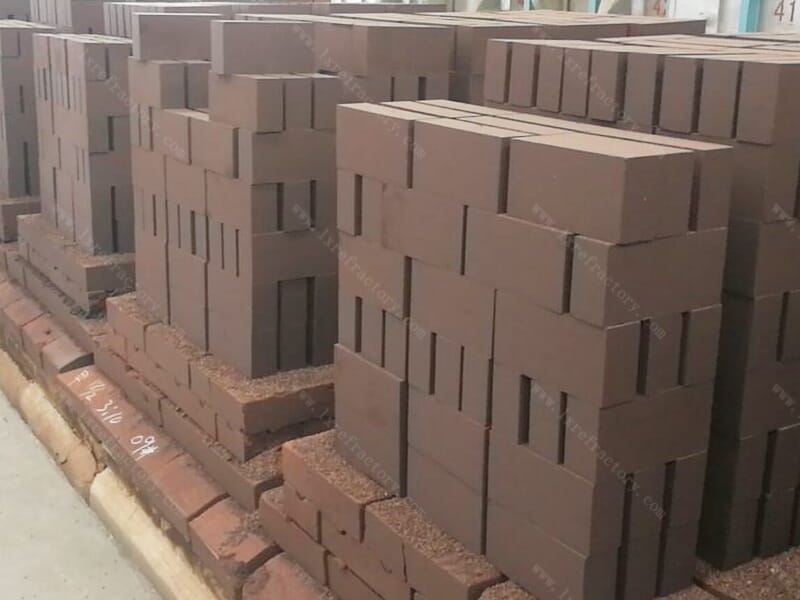
III. Scientific Selection Process
A scientific selection process is crucial to ensuring the suitability of fire bricks, and it must follow a four-step process: “Data Review—Preliminary Screening—Compatibility Verification—Optimized Implementation.”
First, comprehensively review the core parameters of the kiln. Through on-site testing and equipment record checks, clarify the actual operating temperature curves, medium composition and content, mechanical load strength, operating cycle, and maintenance frequency of each part, defining the boundary conditions for selection and avoiding selection deviations due to missing parameters.
Second, based on the reviewed parameters, initially screen material types, and establish a material candidate list based on the performance indicators and applicable scenarios of each material. Simultaneously, compare the procurement costs, delivery cycles, construction difficulty, and maintenance costs of different materials to create a multi-dimensional comparison table, providing a basis for subsequent decisions.
Third, verify suitability through small-scale tests or by referring to similar kiln application cases. For new materials or special operating conditions, high-temperature erosion tests and thermal shock stability tests are required. Simulate actual working conditions to test material performance, avoiding blind application that could lead to failure. For similar cases, prioritize projects with similar processes and parameters to ensure reference value.
Finally, optimize the selection scheme based on construction conditions. For complex structural parts such as kiln corners and joints, use custom-shaped bricks to ensure proper fit. Irregular areas are repaired and filled with unshaped refractory materials (such as castables and plastics). Strictly control the masonry process, leaving reasonable expansion joints, typically 5-6mm per meter, filled with ceramic fiber blankets to effectively mitigate thermal stress caused by temperature changes and ensure overall structural stability.
IV. Selection Optimization and Risk Control
Fire brick selection must consider longevity, environmental friendliness, and safety. Through optimized design and risk control, maximize service life and overall benefits.
Regarding selection optimization, it is necessary to closely follow environmental policy requirements. Traditional magnesia-chrome bricks, which easily produce toxic Cr⁶+ substances during use and cause environmental pollution, are gradually being replaced by environmentally friendly alkaline materials such as chromium-free magnesia-calcium bricks and magnesia-alumina spinel bricks. These materials not only meet environmental standards but also exhibit erosion resistance comparable to traditional magnesia-chrome bricks. A composite structural design optimizes energy consumption and performance. The working layer uses dense refractory bricks to resist erosion and scouring, while the insulation layer uses lightweight refractory materials or insulation boards, forming a “dense + insulating” double-layer structure. This ensures effective protection while reducing kiln heat loss, achieving a balance between performance and energy consumption.
Regarding risk control, construction defects are a significant cause of early refractory brick failure. In high-temperature areas, mortar joints must be controlled within 1mm, using ultra-fine refractory mortar to ensure joint density and prevent slag penetration. Strict adherence to kiln drying and shutdown procedures is crucial. During drying, the temperature is gradually increased according to a preset curve to avoid sudden temperature rises that could cause thermal shock cracking of the refractory bricks. During shutdown, the temperature is slowly reduced to minimize structural stress. A regular monitoring mechanism should be established, utilizing methods such as infrared thermography and surface inspection to monitor the erosion level and structural condition of refractory bricks in real time. When localized spalling or cracking is detected, timely repairs such as surface coating or partial replacement should be implemented to prevent the defects from escalating and causing safety accidents.
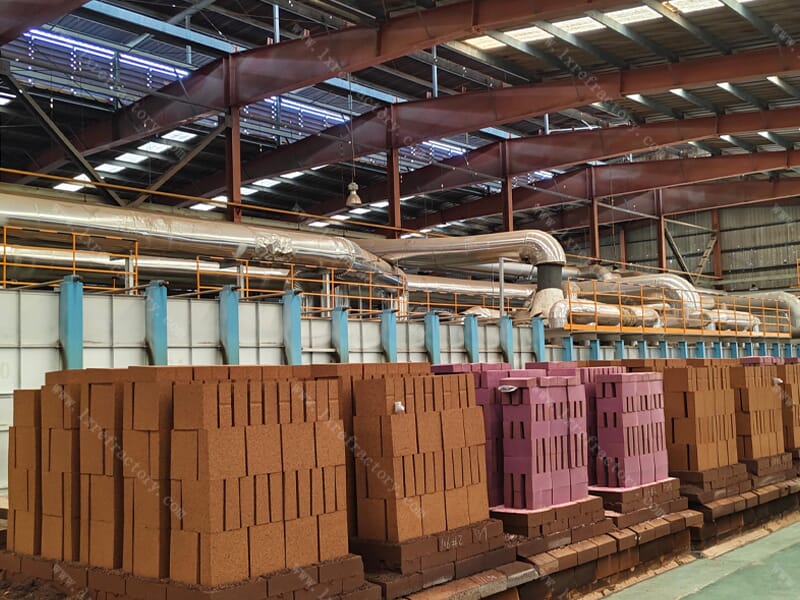
refractory brick
In summary, the selection of refractory bricks for metallurgical kilns is a systematic project. It requires precise matching of material temperature adaptability, media resistance, and mechanical properties based on operating parameters, strictly adhering to a scientific selection process, and simultaneously considering environmental requirements, economic costs, and construction feasibility. Through multi-dimensional comprehensive consideration, dynamic optimization of selection schemes, and full-process risk control, selection challenges can be effectively solved, the service life of kiln linings can be extended, production and maintenance costs can be reduced, and safety risks can be mitigated, providing a solid guarantee for efficient, stable, and green production in the metallurgical industry.
As one of top fire brick suppliers in China, Henan Ruitai Lianxin Refractory Materials Co., Ltd is a modern R&D-centered refractory manufacturer manufacturing enterprise integrated with refractories sales and marketing, furnace engineering construction, recycling and sales of waste refractories as well as refractory raw material, technology and goods import and export, and technical services. If you have any needs for refractory materials and purchase refractory bricks, please contact us and we will provide you with the best service.