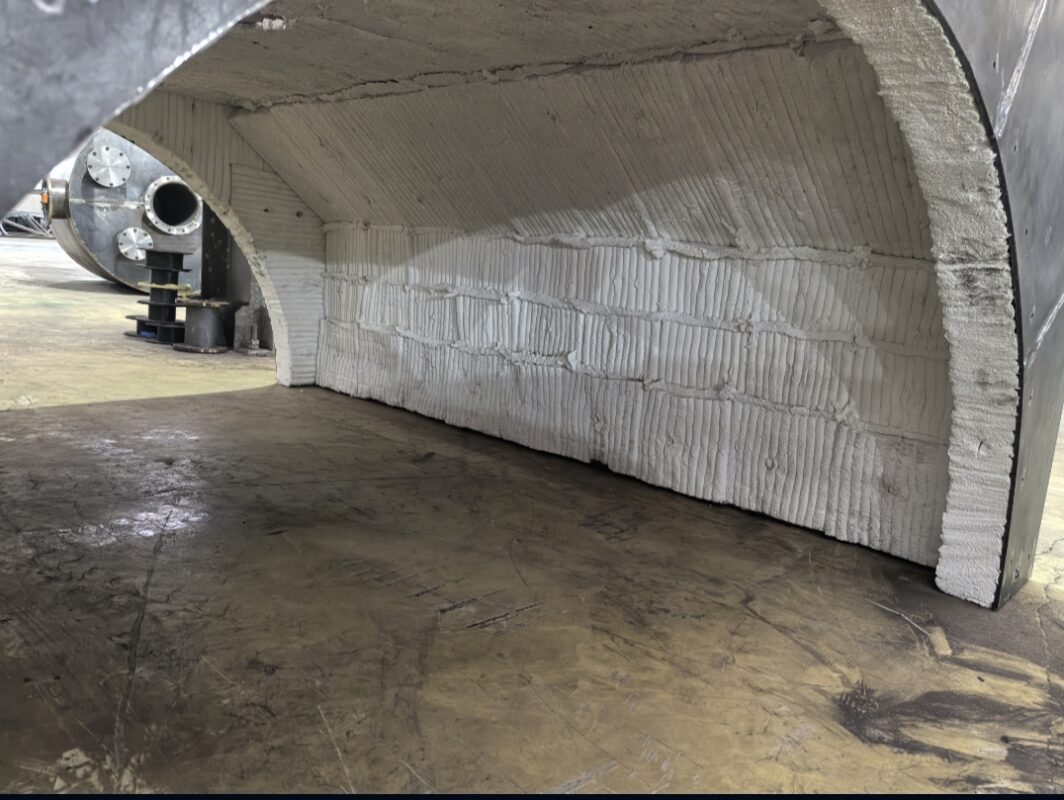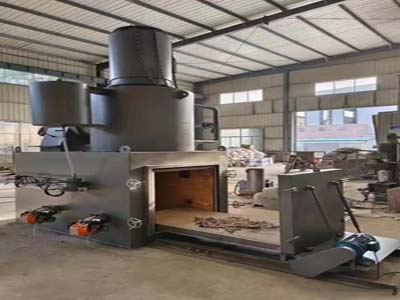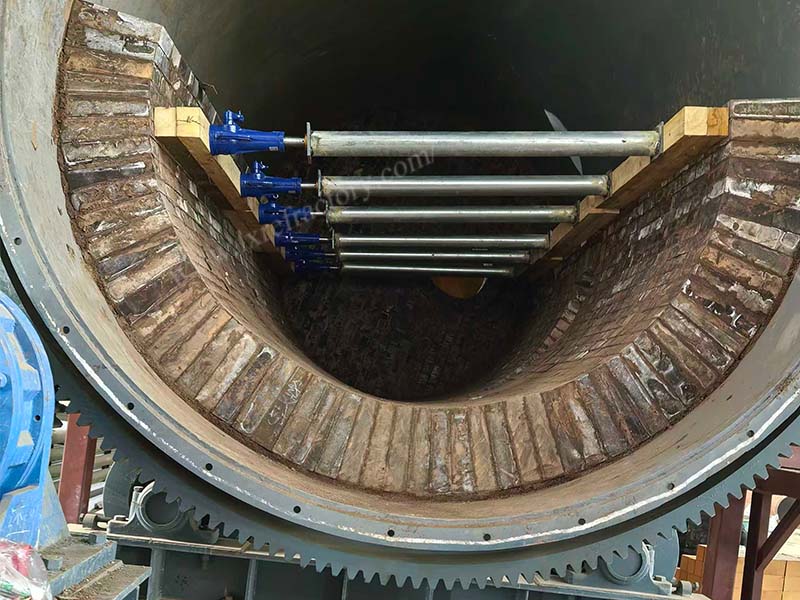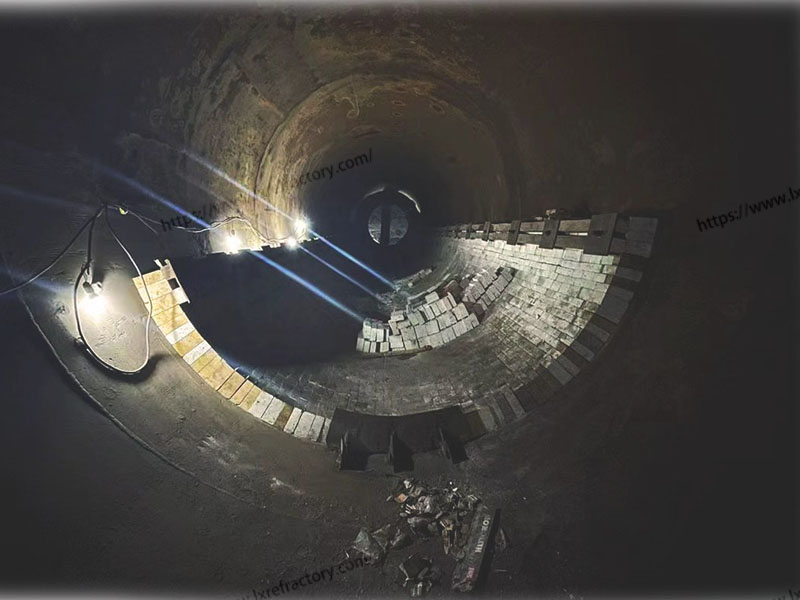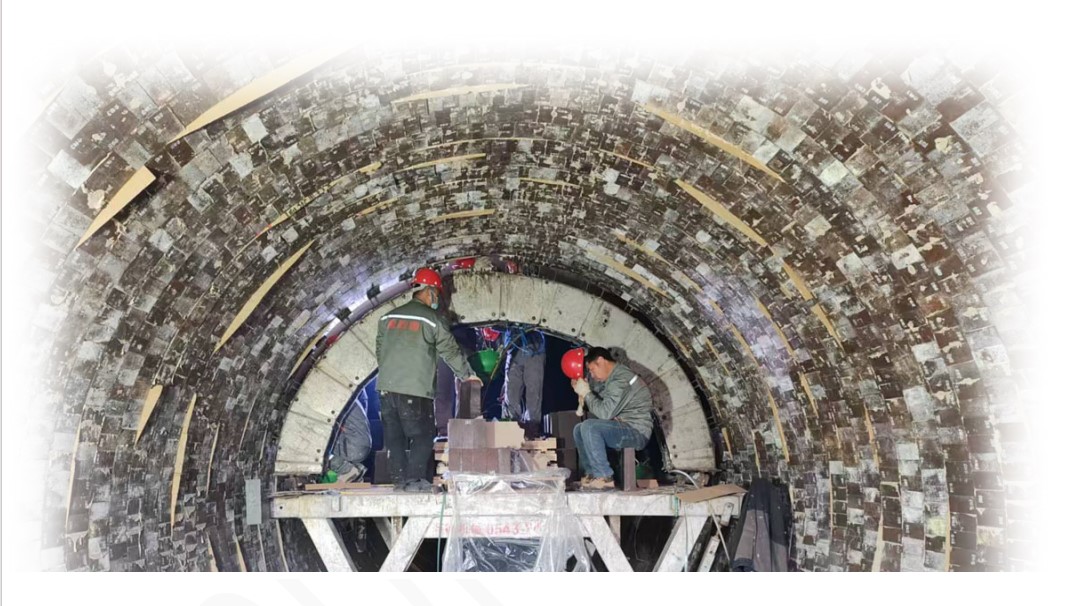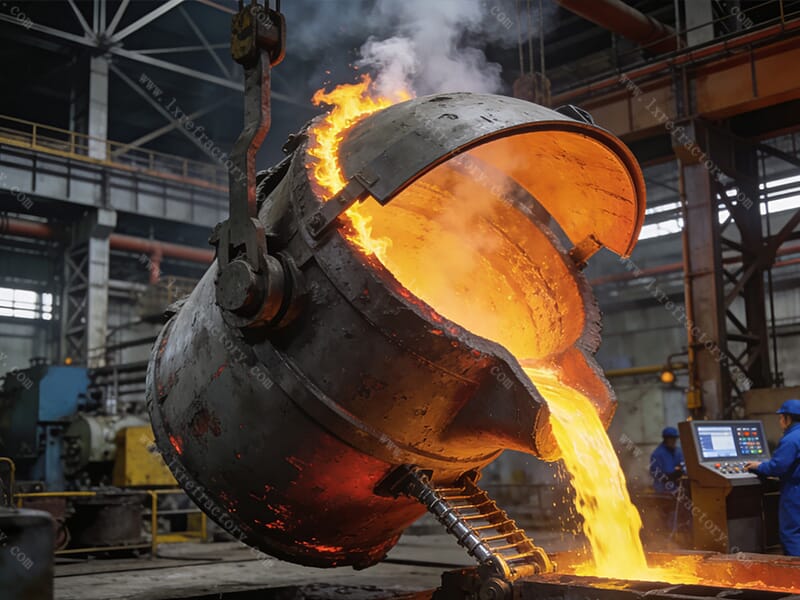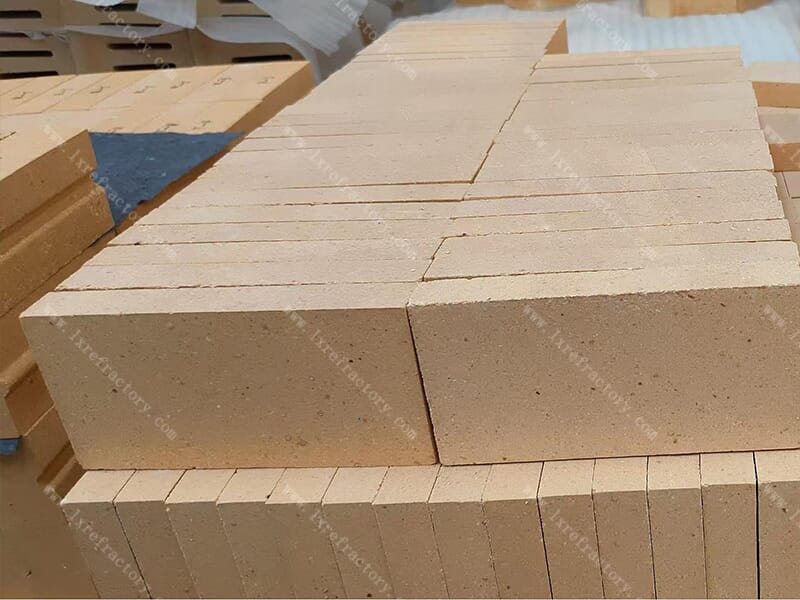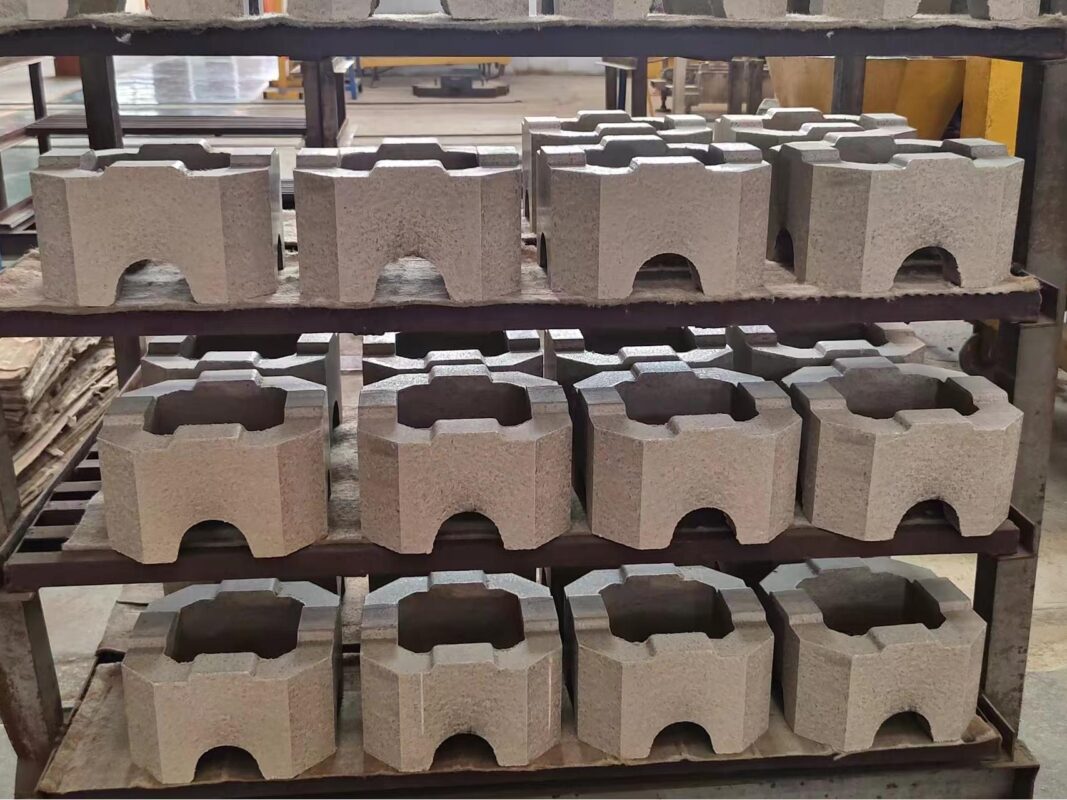
Cement kilns are the core equipment in cement production, operating in harsh environments of high temperature, corrosion, and abrasion. Different parts of the kiln have significantly different working conditions, requiring appropriate refractory materials to ensure stable operation and extend service life. Below are commonly used refractory materials and their characteristics for key parts of cement kilns.
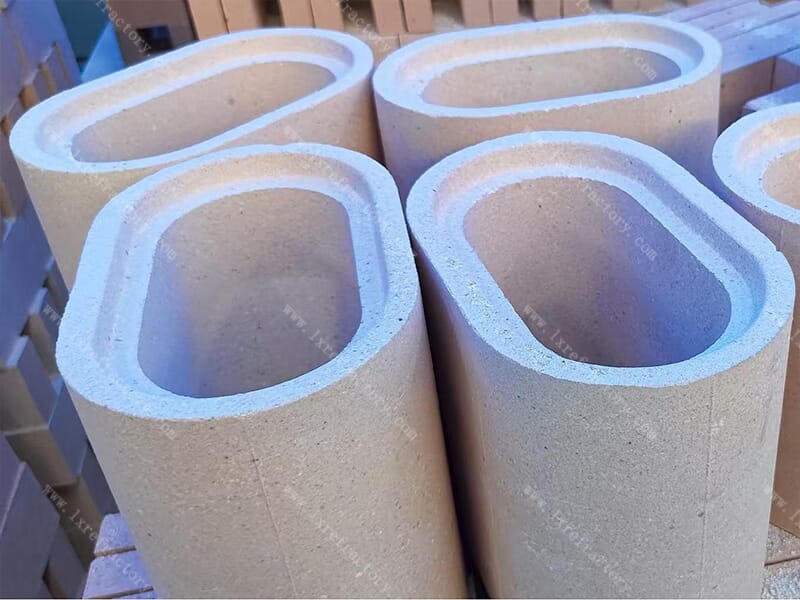
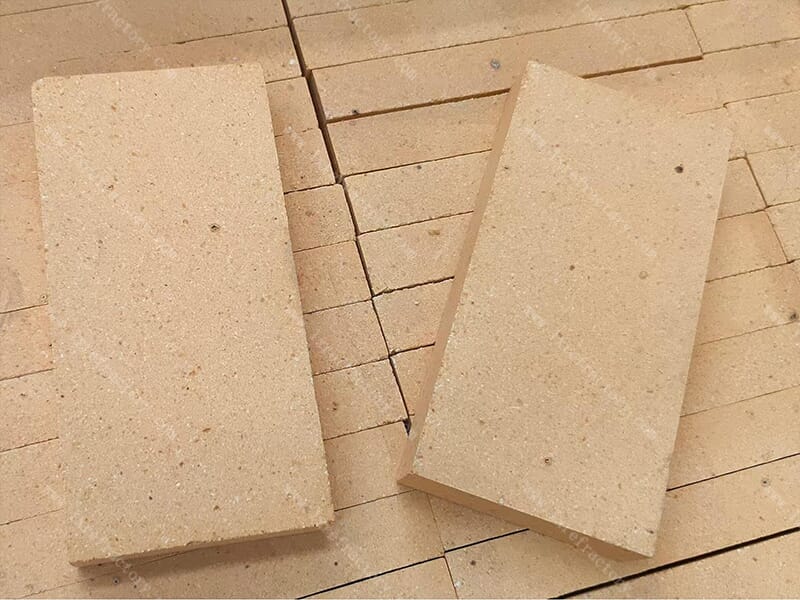
lianxin refractory brick
The firing zone is the area with the highest temperature in the kiln (1450-1550℃), directly contacting high-temperature clinker and flames. It needs excellent high-temperature resistance, erosion resistance, and thermal shock resistance. High-alumina refractory bricks and magnesia-alumina spinel refractory bricks are commonly used. High-alumina bricks have high aluminum content, high refractoriness, and good mechanical strength, resisting clinker erosion. Magnesia-alumina spinel bricks have strong resistance to alkaline erosion, excellent thermal stability, and can effectively reduce high-temperature spalling, meeting the long-term high-temperature operating requirements of the firing zone.
The transition zone has a slightly lower temperature (1200-1450℃) and large temperature fluctuations, mainly affected by clinker abrasion and thermal shock. Clay refractory bricks and high-alumina lightweight refractory bricks are commonly used. Clay bricks are lower in cost, have good thermal shock resistance, and can adapt to frequent temperature changes. Lightweight high-alumina bricks combine heat insulation and high-temperature resistance, reducing kiln heat dissipation and saving energy, while also possessing certain wear resistance.
In the decomposition furnace, preheater, and flue sections, the temperature is between 800-1200℃. These sections are mainly affected by high-temperature gas erosion, dust abrasion, and alkaline gas corrosion. Clay bricks, lightweight high-alumina bricks, and refractory castables are commonly used. Refractory castables can be cast on-site, adaptable to equipment parts of different shapes, have strong adhesion, and are wear- and corrosion-resistant, making them widely used in flue sections with irregular cross-sections and at preheater interfaces.
The temperature in the grate cooler section is moderate, primarily affected by clinker impact, cooling air erosion, and wear. Commonly used materials include wear-resistant castables, high-alumina refractory bricks, and corundum refractories. Corundum materials have high hardness and extremely strong wear resistance, effectively resisting the impact and wear of clinker particles and extending the service life of the grate cooler.
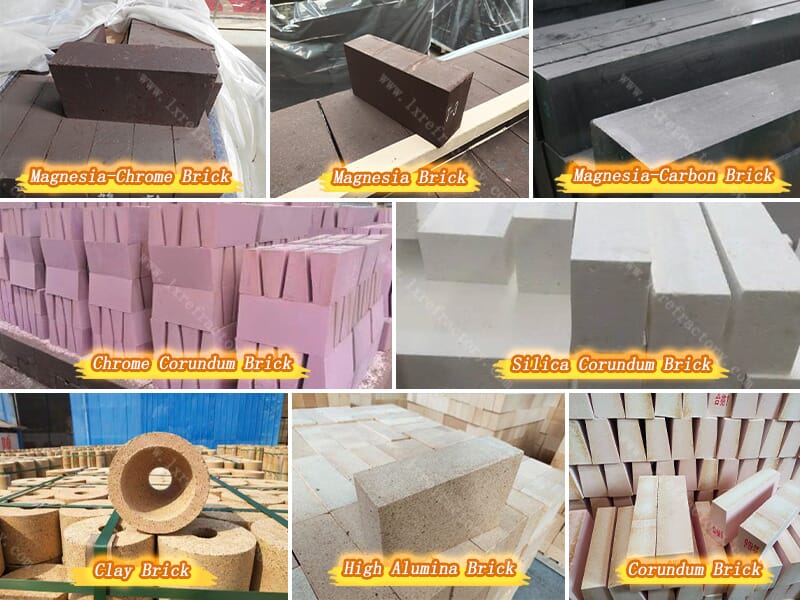
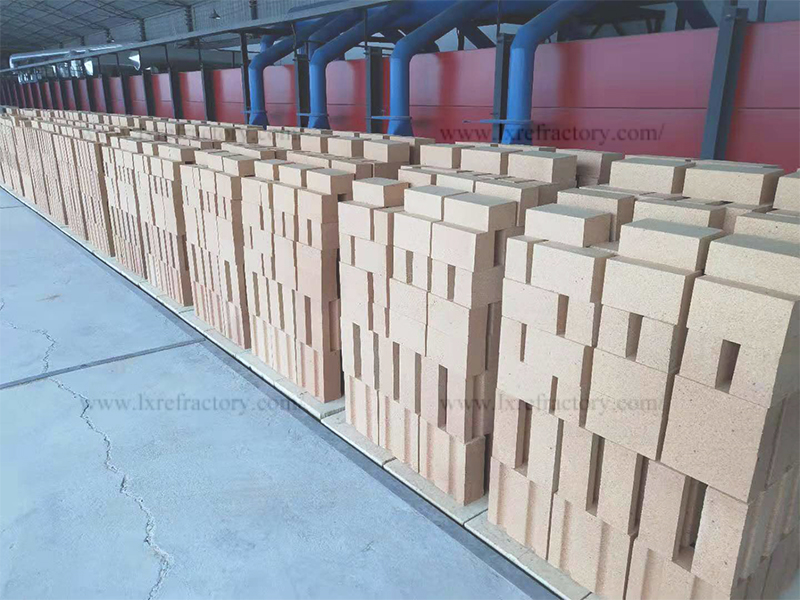
Various Refractory Bricks
These refractory materials are matched according to their performance characteristics, taking into account core requirements such as high-temperature resistance, corrosion resistance, and wear resistance. Appropriate selection can reduce kiln maintenance costs and ensure continuous and stable cement production.