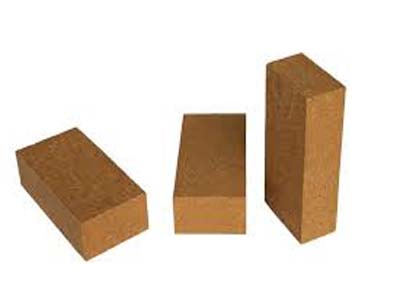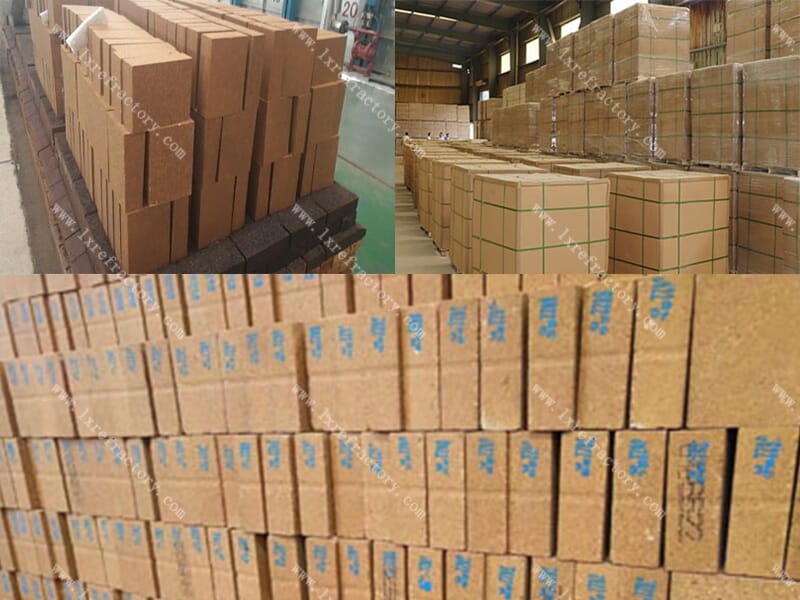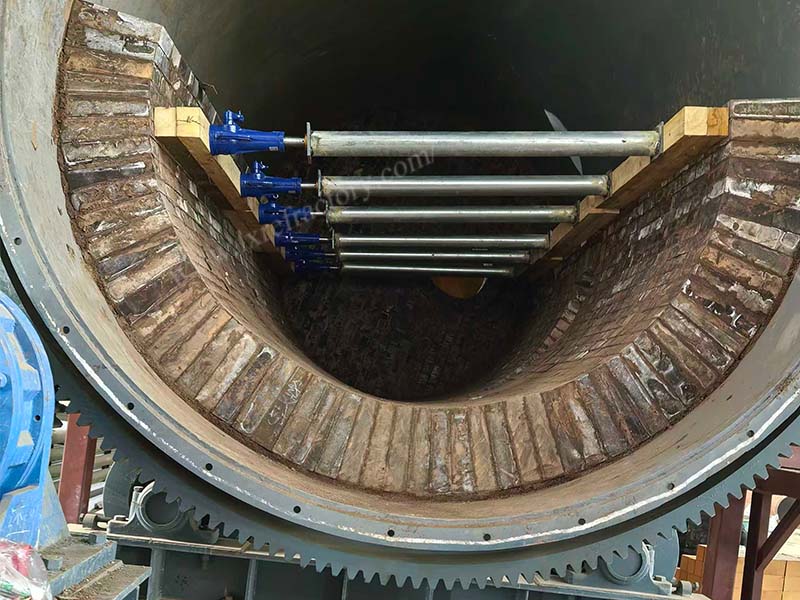
The core reason for the widespread use of magnesia-alumina spinel bricks in converters is their performance precisely matched to the extreme operating conditions of converters, exceeding 1650℃. They effectively resist mechanical impact, chemical erosion, and thermal stress. Simultaneously, they balance environmental protection with steel quality, making them a preferred refractory material for converter linings.
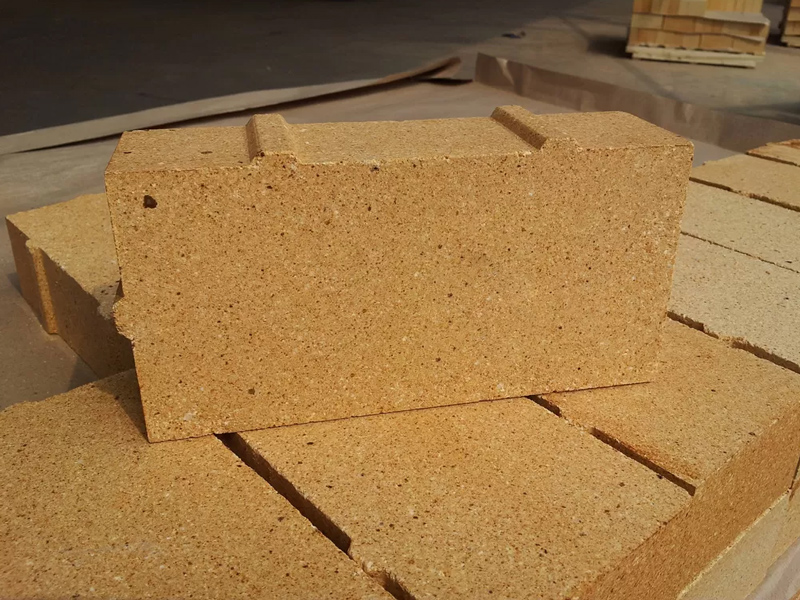
During converter blowing, the lining must withstand severe erosion from molten steel and highly oxidizing slag. Magnesia-alumina spinel bricks, with their main crystalline phase having a melting point as high as 2135℃, can react with slag to form high-melting-point products, creating a dense protective layer that prevents slag penetration and solves the problem of easy melting and erosion of ordinary refractory bricks. The dense structure of magnesia-alumina spinel bricks also resists the mechanical impact of falling scrap steel and the scouring effect of turbulent molten steel, extending the lining’s lifespan.
During the drastic temperature changes during converter smelting intervals, magnesia-alumina spinel bricks, with their low coefficient of thermal expansion and excellent thermal shock resistance, are particularly effective. It avoids cracking and spalling caused by rapid heating and cooling, making it suitable for the frequent start-up and shutdown conditions of converters. Furthermore, magnesia-alumina spinel bricks are chromium-free and environmentally friendly materials, capable of replacing heavily polluting magnesia-chrome bricks and meeting green metallurgy requirements.
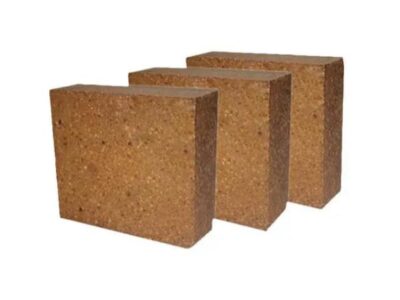
Simultaneously, magnesia-alumina spinel bricks exhibit good high-temperature volume stability and strong chemical stability, reducing the contamination of molten steel by brick spalling and contributing to improved steel cleanliness. Compared to traditional refractory bricks, magnesia-alumina spinel bricks can significantly extend converter life, reducing refractory material consumption and shutdown maintenance costs. They meet the design requirements of modern converters for “zonal lining and customized performance,” thus becoming a core material for key components of converter linings.