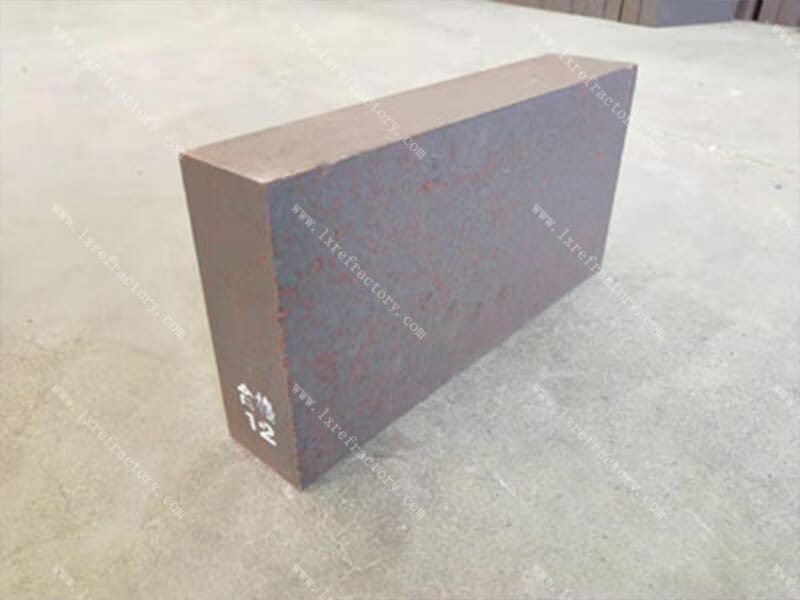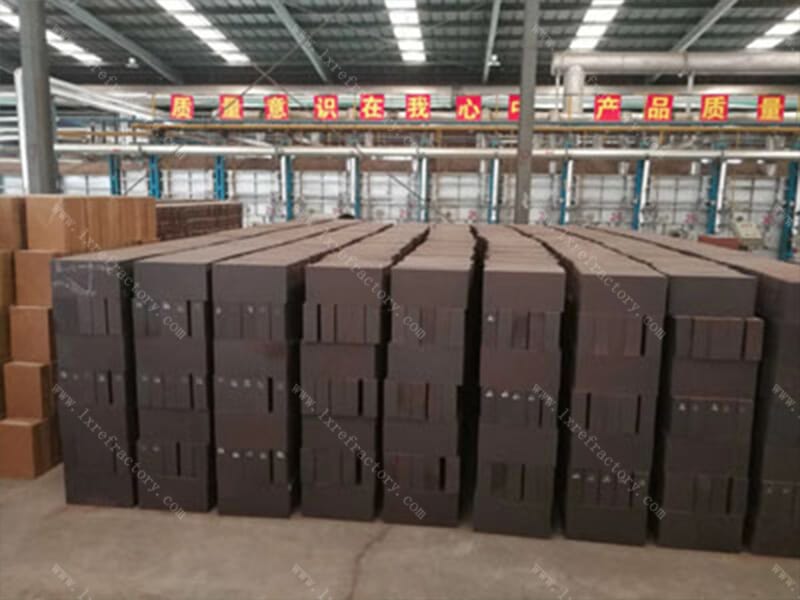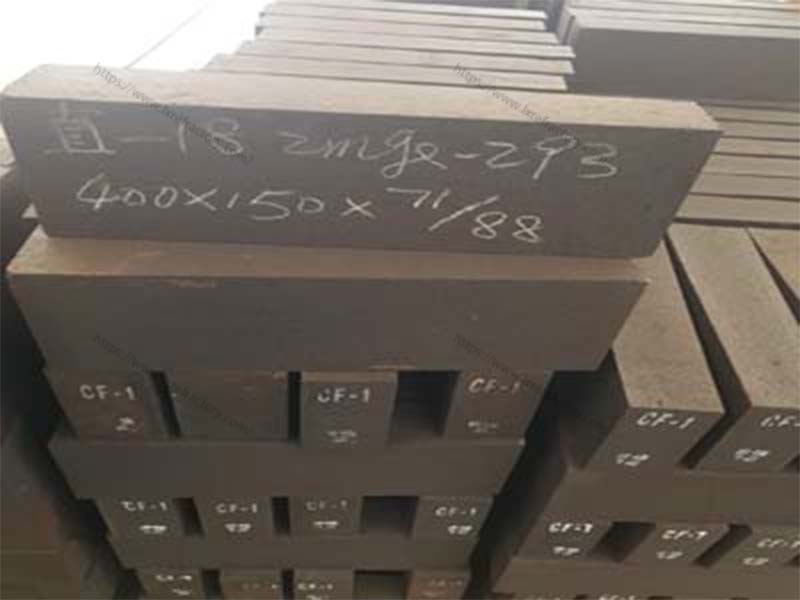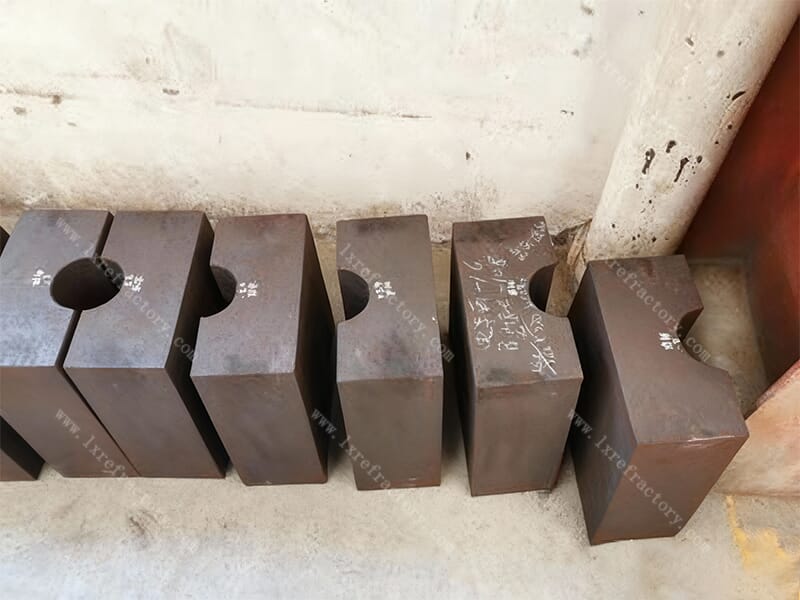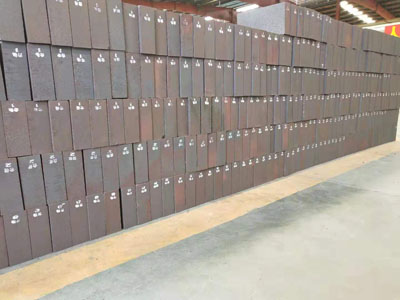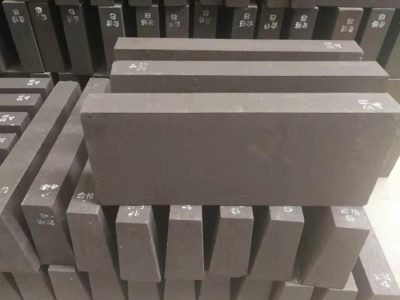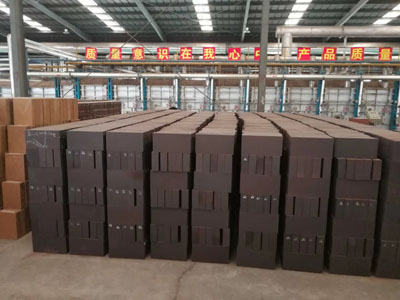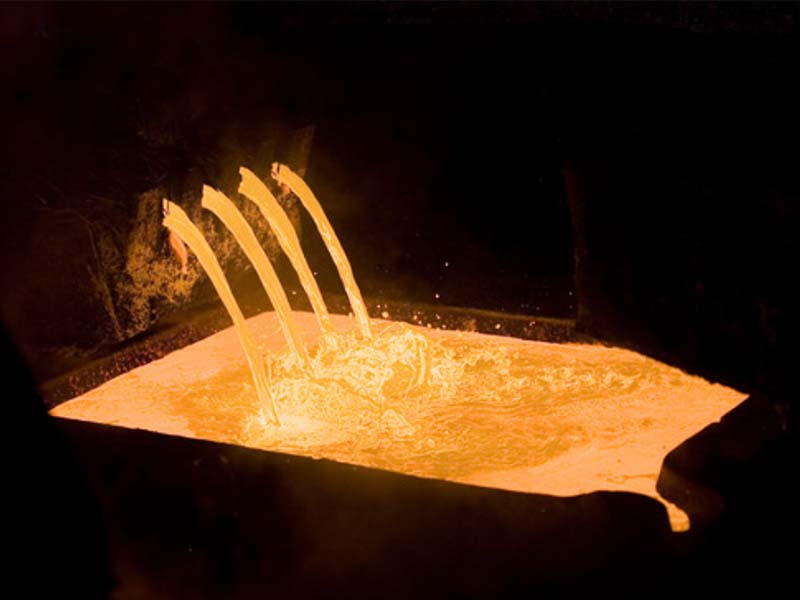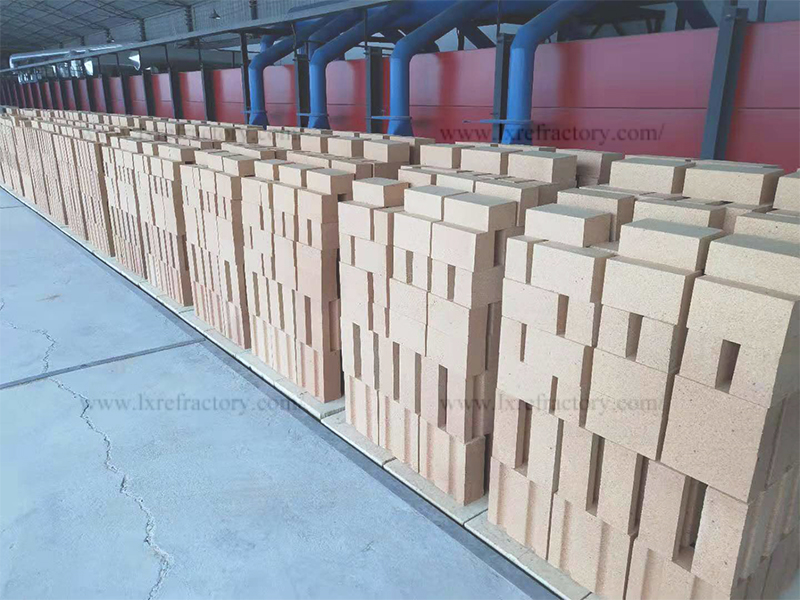
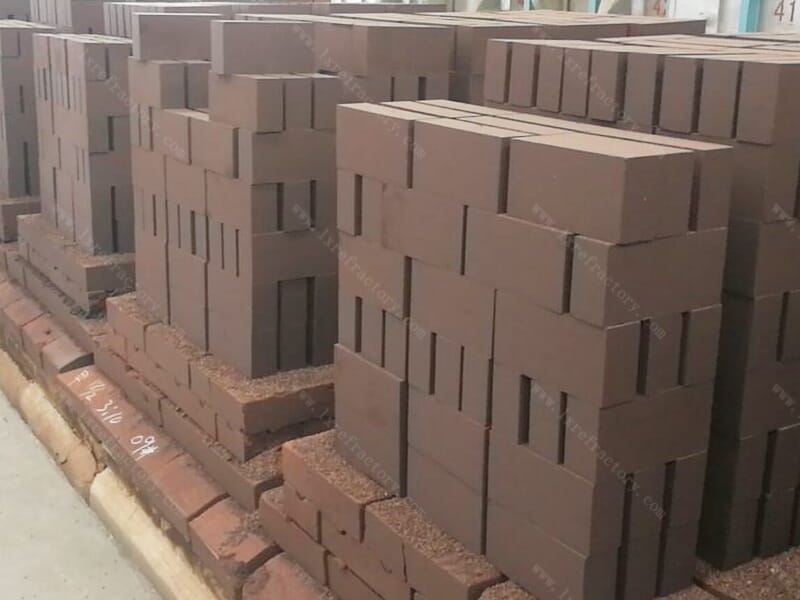
Magnesia-chrome bricks are alkaline refractory materials with magnesium oxide and chromium oxide as their main components. They possess core advantages such as high temperature resistance, resistance to alkaline slag erosion, strong thermal shock resistance, and high mechanical strength. Their refractoriness can reach over 1800℃, enabling them to withstand harsh working conditions of high temperature, strong corrosion, and high erosion. Therefore, they are widely used in many high-temperature industrial fields such as metallurgy, non-ferrous metals, building materials, and chemicals, becoming an indispensable key lining material for various high-temperature kilns.
1. Iron and Steel Metallurgy Industry
The iron and steel metallurgy industry is the most core and primary application area for magnesia-chrome bricks. The kiln conditions in this industry are harsh, requiring extremely high slag resistance and high-temperature resistance of refractory materials. Magnesia-chrome bricks occupy an important application position due to their excellent performance.
In converters, magnesia-chrome bricks are mainly used in key parts such as the furnace bottom, furnace wall, and taphole. During converter steelmaking, the temperature of molten steel reaches 1600–1700℃, accompanied by the erosion and scouring of large amounts of alkaline slag. Magnesia-chrome bricks effectively resist the erosion of molten steel and slag, extending the service life of converters and ensuring the continuity of steelmaking production.
In electric arc furnaces, magnesia-chrome bricks are primarily used in the furnace bottom, furnace walls, and slag line area. Electric arc furnace smelting involves concentrated and fluctuating temperatures, with intense redox reactions occurring within the furnace. The high-temperature resistance and thermal shock resistance of magnesia-chrome bricks can adapt to these complex conditions, preventing furnace damage.
Furthermore, in refining equipment such as RH and DH vacuum degassing furnaces, VOD and AOD refining furnaces, and LF ladles, magnesia-chrome bricks are used in critical lining areas. They can resist the erosion of high-temperature molten slag and molten steel under vacuum, strong oxidizing, or strong reducing atmospheres, ensuring the stable operation of the refining process and improving steel quality.
2. Non-ferrous Metal Smelting Industry
The non-ferrous metal smelting industry is also an important application area for magnesia-chrome bricks. The high-temperature and highly corrosive conditions of various non-ferrous metal smelting furnaces are highly compatible with the performance of magnesia-chrome bricks.
In copper smelting, magnesia-chrome bricks are widely used in the reaction towers and settling tanks of flash furnaces, as well as in the slag lines, tuyeres, and hot spots of converters, anode furnaces, and Kaldor furnaces. The alkaline slag produced during copper smelting is highly corrosive. Magnesia-chrome bricks effectively resist slag erosion, preventing premature damage to the furnace lining and ensuring smelting efficiency.
In the smelting of non-ferrous metals such as aluminum, zinc, and lead, magnesia-chrome bricks are used as linings for aluminum smelting furnaces, vertical distillation furnaces, and blast furnaces. These furnaces operate at high temperatures and produce large amounts of corrosive slag and flue gas. The corrosion resistance and high-temperature resistance of magnesia-chrome bricks effectively extend the service life of the furnaces and reduce equipment maintenance costs. Simultaneously, magnesia-chrome bricks can also be used as linings in settling chambers and flues in non-ferrous metal smelting to resist the erosion of high-temperature flue gas and dust.
3. Building Materials Industry
In the building materials industry, magnesia-chrome bricks are mainly used in high-temperature furnaces in the cement and glass industries.
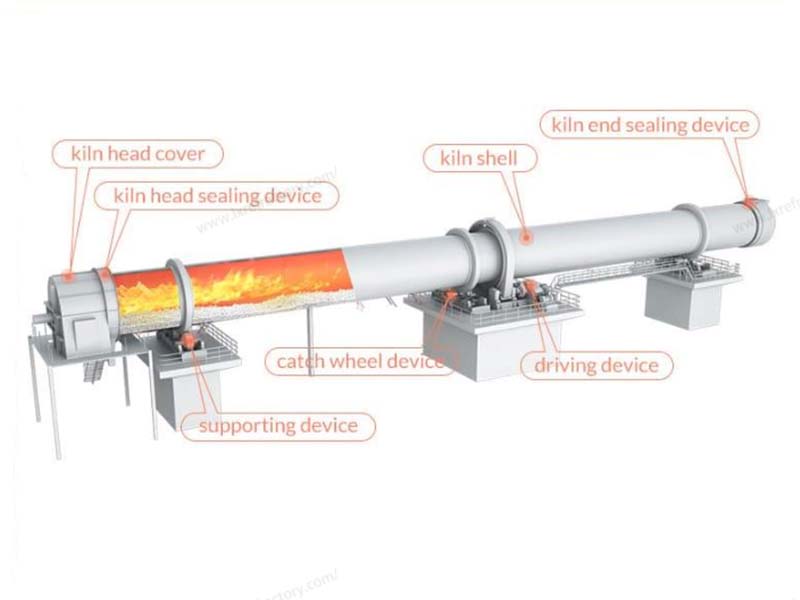
In traditional cement rotary kilns, magnesia-chrome bricks are used in the firing zone, kiln mouth, and kiln lining. This area reaches temperatures of 1450–1550℃ and experiences significant erosion from alkaline clinker. Magnesia-chrome bricks effectively resist this erosion, ensuring the stable operation of the cement rotary kiln. However, it’s important to note that because magnesia-chrome bricks contain chromium, their disposal poses environmental risks. Currently, the cement industry is gradually replacing magnesia-chrome bricks with chromium-free refractories such as magnesia-alumina spinel bricks and magnesia-zirconium bricks.
In glass melting furnaces, magnesia-chrome bricks are used in the lower part of the regenerator grid, the flow channel, and the feed inlet. During glass melting furnace operation, a large amount of alkali metal oxides are generated. These substances are highly corrosive, and magnesia-chrome bricks effectively resist the erosion of these oxides, preventing kiln damage and ensuring the continuity of glass production. Furthermore, magnesia-chrome bricks can also be used in small quantities in high-temperature sections of equipment such as ceramic kilns and refractory material firing kilns in the building materials industry.
4. Chemical Industry
In the chemical industry, magnesia-chrome bricks are used as linings for high-temperature reaction equipment such as ethylene cracking furnaces and gasification furnaces. They resist high-temperature chemical corrosion and thermal shock, ensuring stable equipment operation.
5. Environmental Protection Industry
In the environmental protection field, magnesia-chrome bricks can be used as linings in the high-temperature alkaline corrosion zones of waste incinerators. They resist the erosion of alkaline fly ash and molten slag, reducing equipment wear and improving waste incineration efficiency.
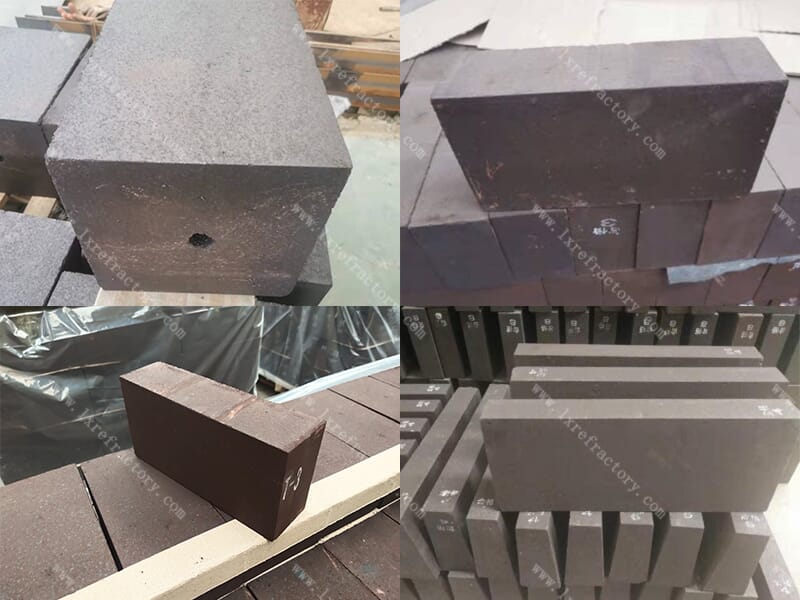
Overall, magnesia-chrome bricks, with their excellent high-temperature resistance and resistance to alkaline molten slag erosion, have become an indispensable refractory material in high-temperature industrial fields. Their applications cover multiple industries including steel, non-ferrous metals, building materials, chemicals, and environmental protection, providing crucial protection for the stable operation of various high-temperature kilns. Meanwhile, with increasingly stringent environmental requirements, alternative products to magnesia-chrome bricks are gradually being promoted. However, under certain harsh operating conditions, they still possess irreplaceable advantages.