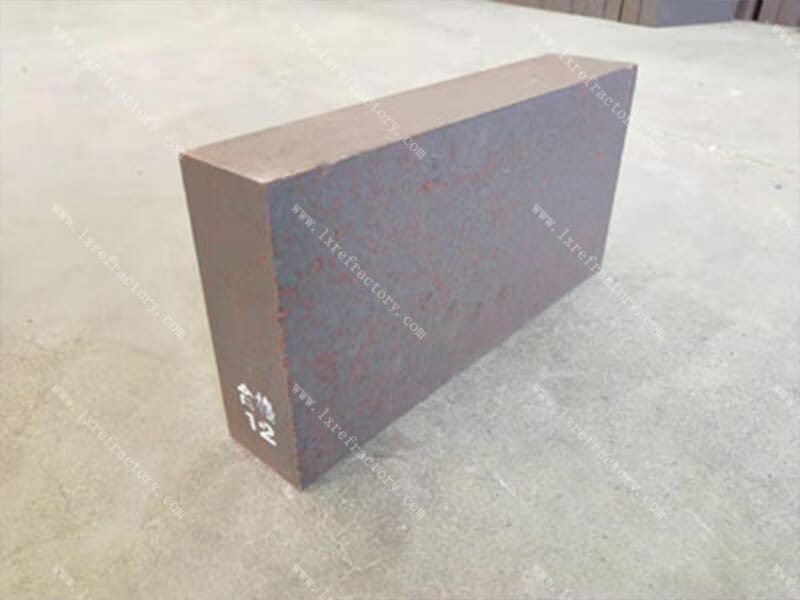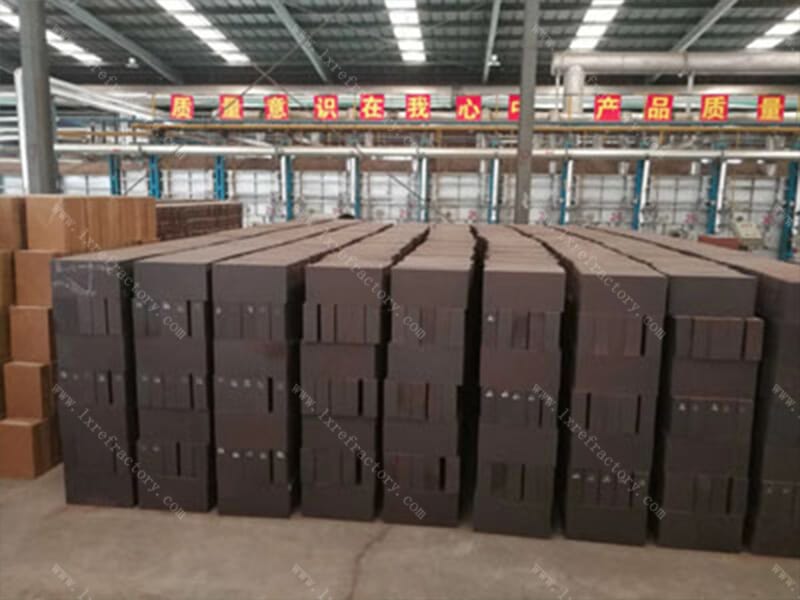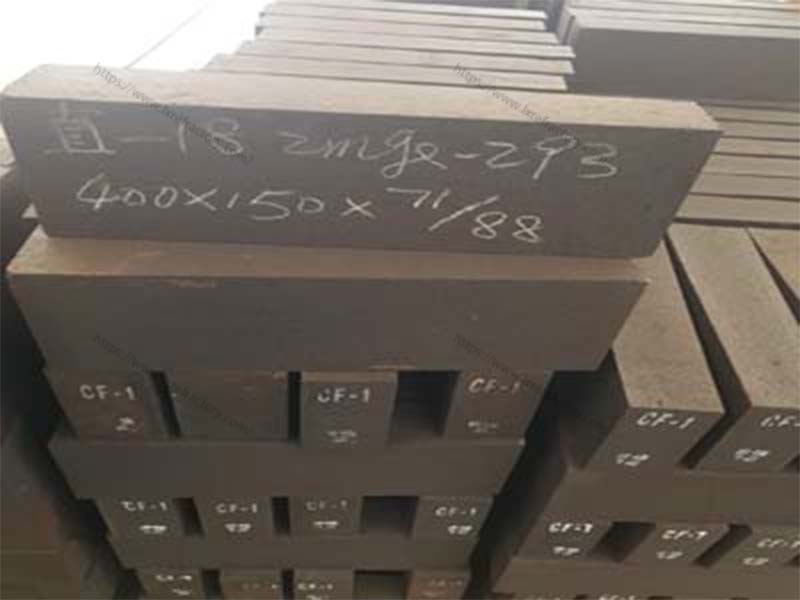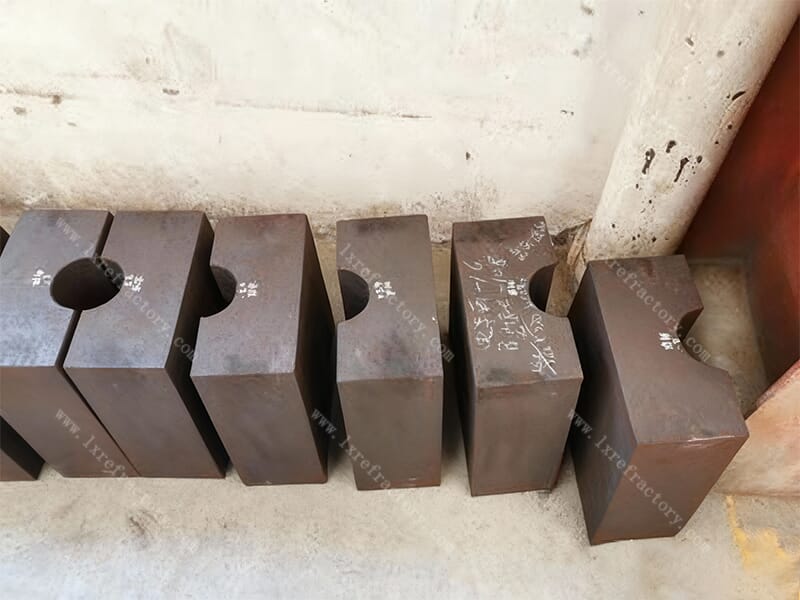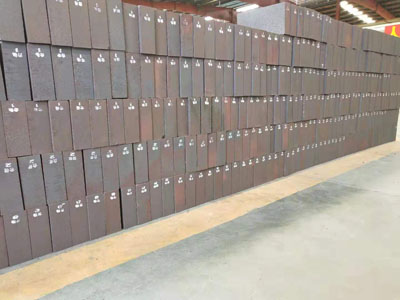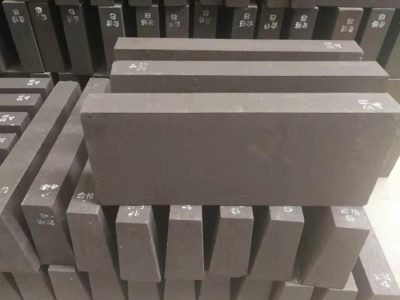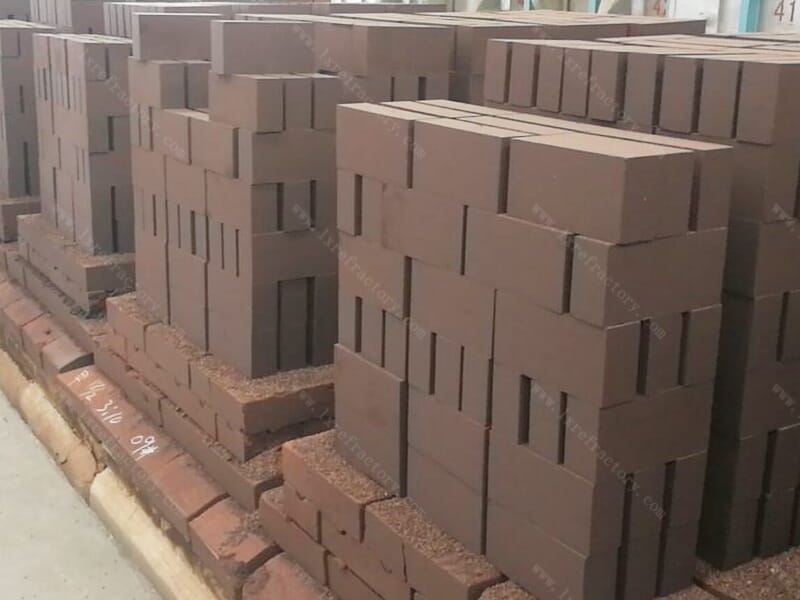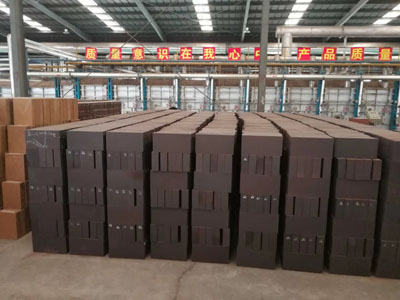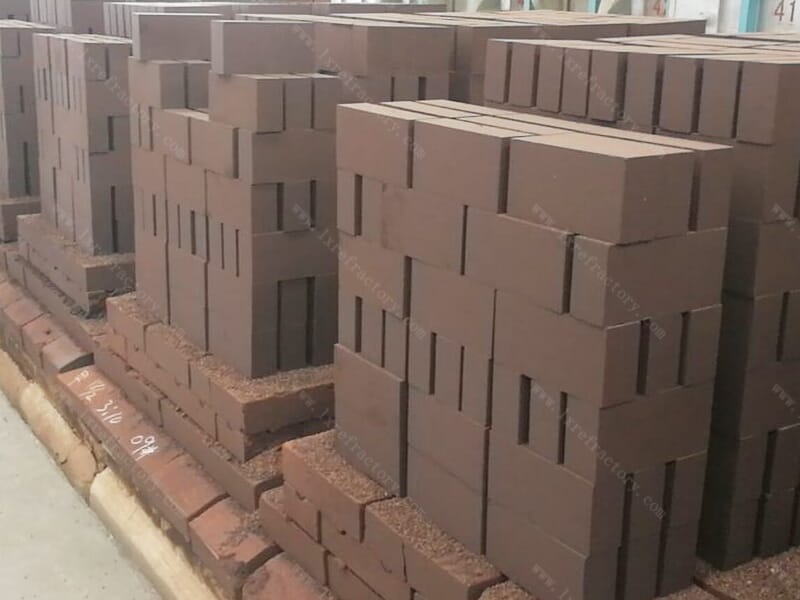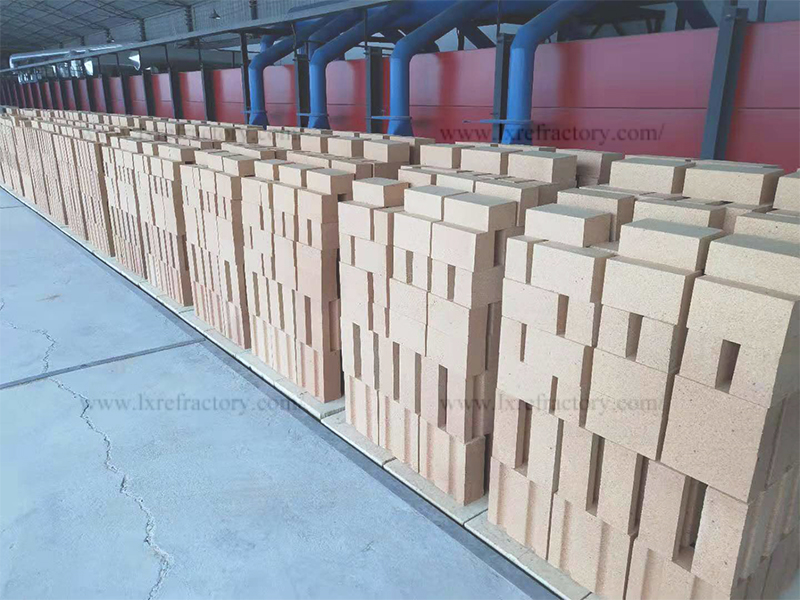
Magnesia chrome bricks are refractory products with magnesium oxide and chromium trioxide as the main components, and periclase and spinel as the main mineral components. They are characterized by high refractoriness, high high-temperature strength, strong resistance to alkaline slag erosion, and excellent thermal stability. They are widely used in key parts of high-temperature kilns in metallurgy, building materials, and chemical industries, and are suitable for various harsh operating conditions involving strong alkalinity and high erosion.

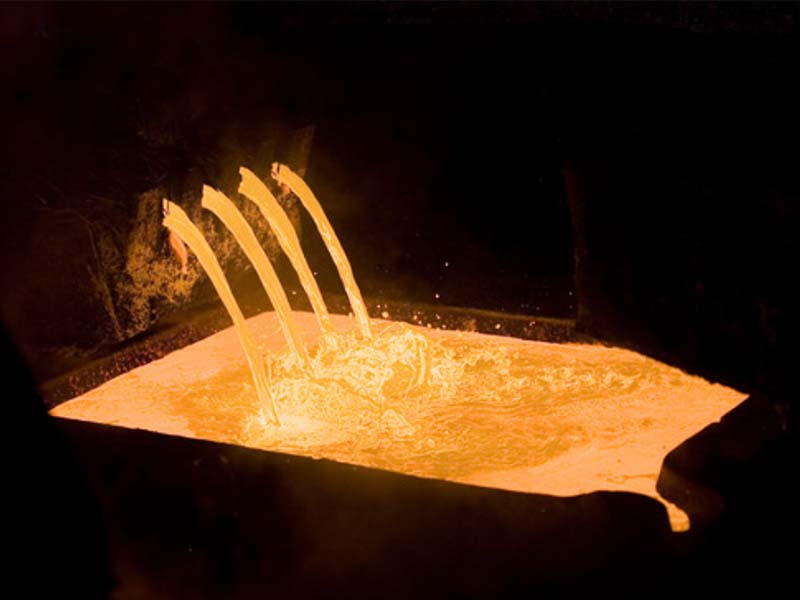
In steelmaking converters, magnesia chrome bricks are a key material for the furnace lining working layer, especially suitable for easily corroded areas such as the furnace bottom, furnace wall, and taphole. During converter steelmaking, a large amount of alkaline slag is produced. The periclase in the magnesia chrome bricks can form high-melting-point compounds with the calcium oxide in the slag. The magnesia-chrome spinel can hinder slag penetration and withstand high temperatures of 1600-1700℃ and the erosion of molten steel, significantly extending the service life of the furnace lining.
Magnesia chrome bricks are also widely used in steel ladles and refining furnaces, primarily for the slag line section of the ladle and as linings in refining furnaces such as LF and VD furnaces. During the refining process, the furnace operates under complex conditions including alkaline slag erosion, vacuum, and strong reduction. Magnesia chrome bricks, with their excellent erosion resistance and high-temperature stability, can resist molten slag erosion while ensuring the purity of molten steel, meeting the stringent requirements of refining processes.
In flash furnaces for copper-nickel smelting and blast furnaces for lead-zinc smelting, magnesia chrome bricks are used in critical areas such as the furnace body’s molten pool and slag line. They can withstand the dual erosion of molten non-ferrous metals and alkaline slag. Furthermore, their thermal shock resistance is superior to pure magnesia bricks, effectively ensuring the stable operation of smelting kilns.
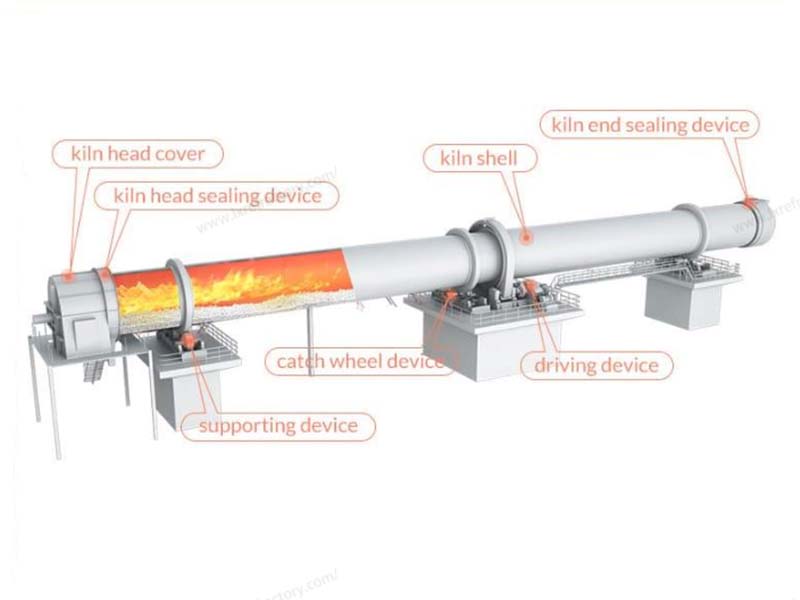
Cement rotary kilns are a major application area for magnesia chrome bricks, primarily used in the kiln mouth and kiln lining of the firing zone. During the calcination of cement clinker, a strongly alkaline atmosphere is formed. The periclase crystalline phase of magnesia chrome bricks combines with calcium oxide to form a stable compound, resisting the high-speed erosion of clinker particles. This allows for long-term service at 1450-1550℃, making it a core refractory material in the traditional cement kiln firing zone. Currently, due to environmental restrictions, it is gradually being replaced by chromium-free refractories.
In glass melting furnaces, magnesia chrome bricks are used in alkaline areas such as the lower part of the regenerator grid and flow channels, resisting the erosion of alkaline oxides in the molten glass and preventing grid collapse.
In chemical rotary kilns, such as soda ash calcining kilns and phosphate fertilizer roasting kilns, magnesia chrome bricks resist high-temperature corrosion and mechanical wear from alkaline materials, ensuring long-term stable operation of the kiln.
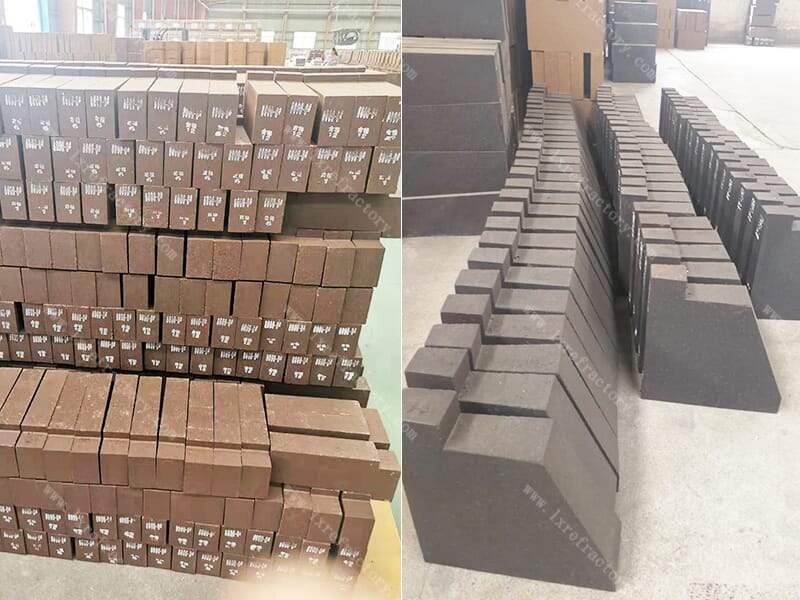
In summary, magnesia chrome bricks, with their excellent high-temperature performance and erosion resistance, have become a key refractory material for high-temperature kilns in the metallurgical, building materials, and chemical industries. They play an irreplaceable role, especially in strongly alkaline and highly corrosive conditions.