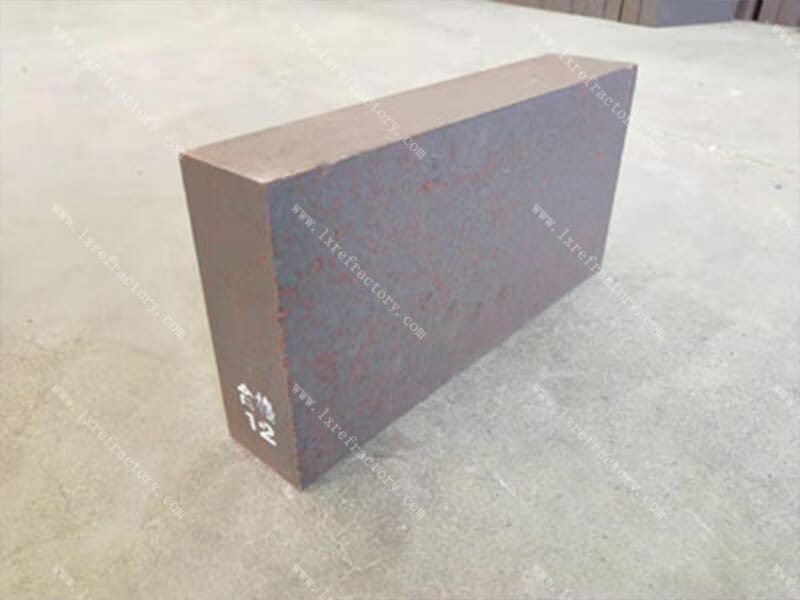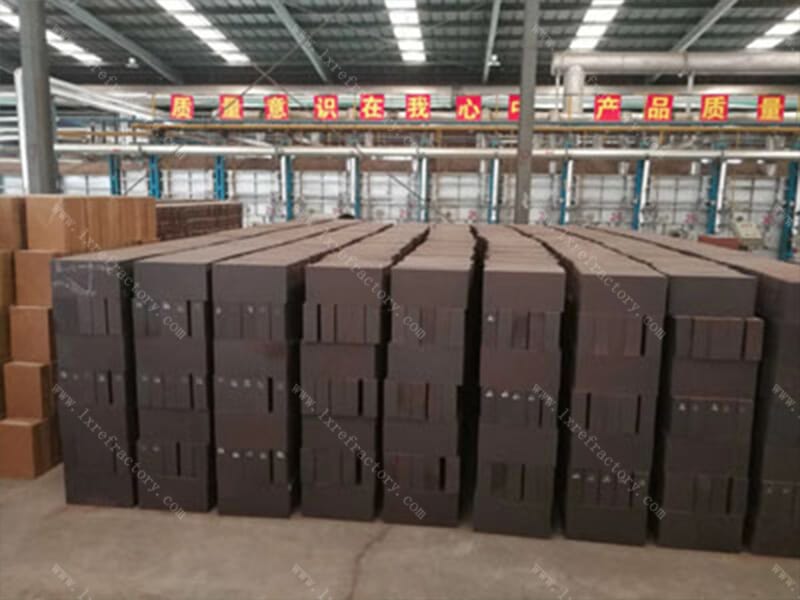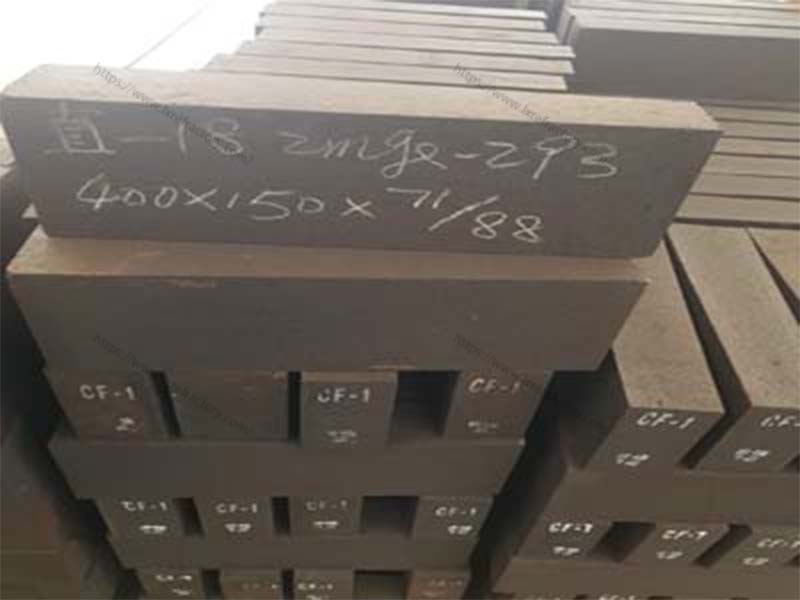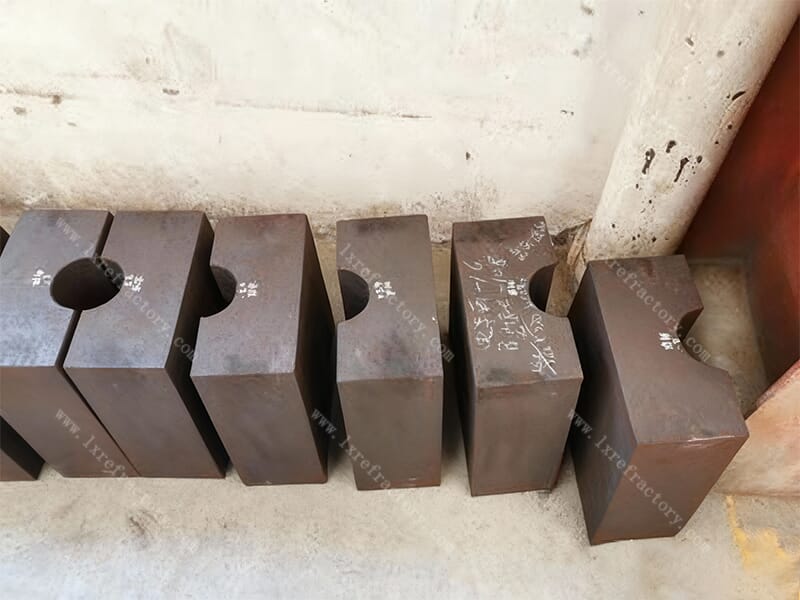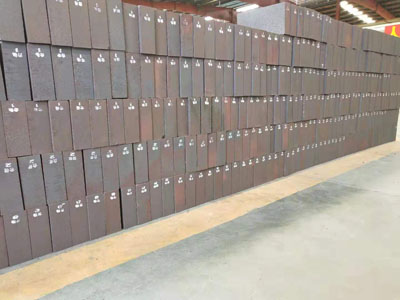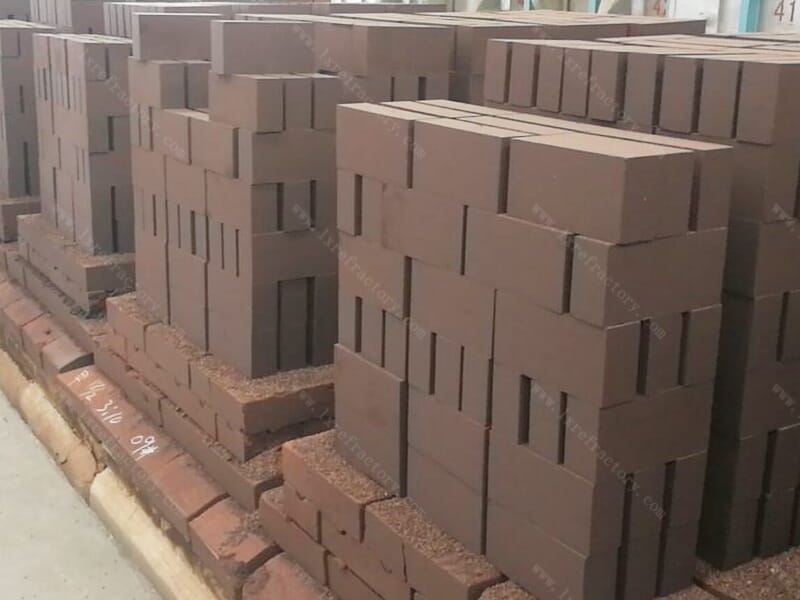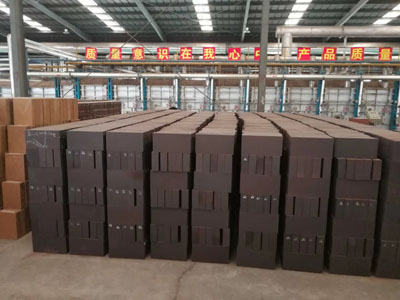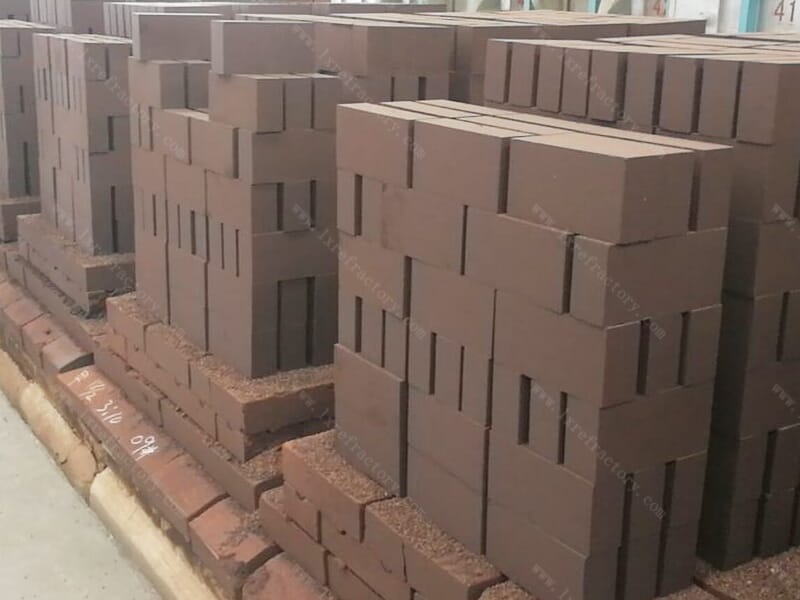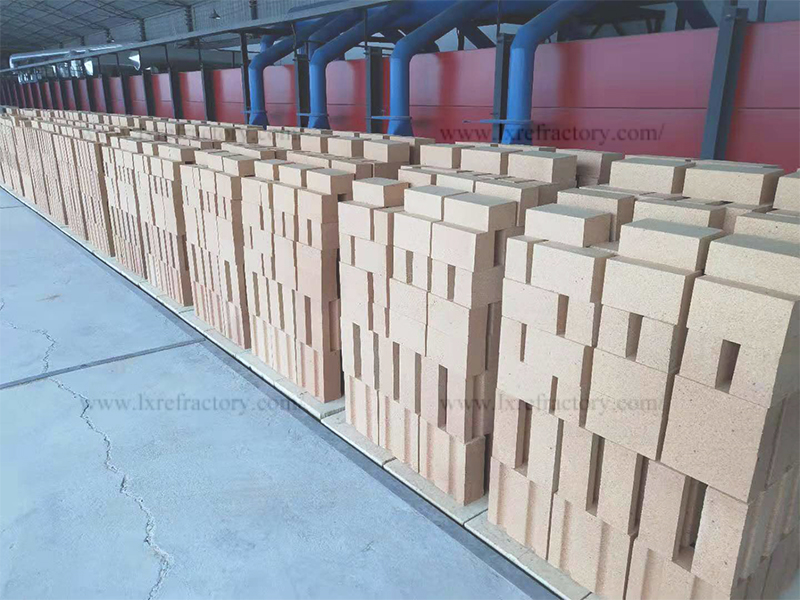
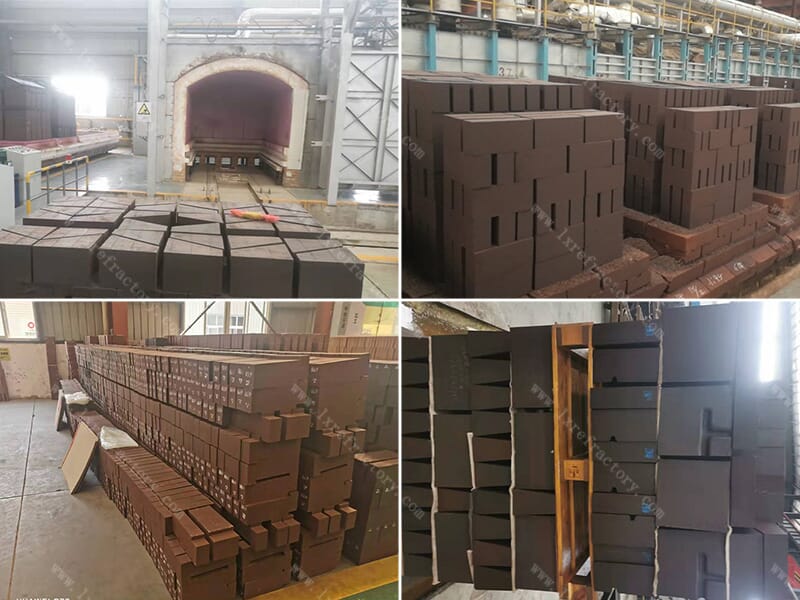
Magnesia chrome bricks are alkaline refractory products with magnesium oxide and chromium trioxide as the main components and periclase and magnesia-chrome spinel as the main crystalline phases. They possess advantages such as high refractoriness, strong resistance to alkaline slag erosion, and good thermal stability, making them a core refractory material for critical parts of non-ferrous metal smelting furnaces. They are widely used in the smelting processes of various non-ferrous metals such as copper, lead, zinc, and nickel, and are suitable for various harsh furnace conditions.
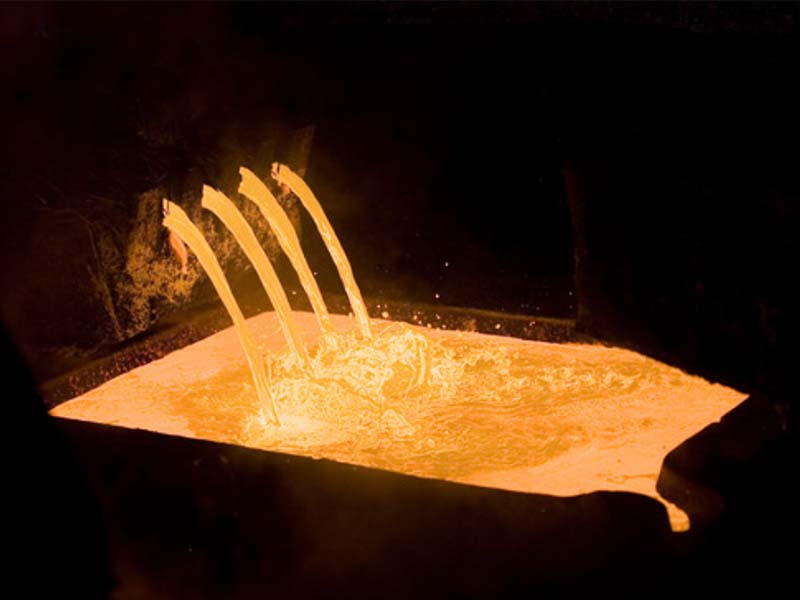
In copper smelting furnaces, magnesia chrome bricks have the most extensive and critical applications. Flash furnaces, as the core equipment for copper concentrate smelting, have local temperatures reaching 1400–1800℃, and are subject to intense molten metal scouring and slag erosion. Directly bonded or rebonded magnesia chrome bricks are used in high-temperature and highly corrosive areas such as the molten pool and slag line, effectively resisting the dual erosion of molten copper and alkaline slag, thus extending furnace life. In copper refining equipment such as PS converters and anode furnaces, electrofused magnesia chrome bricks are used in vulnerable areas such as the tuyeres and furnace mouth. These bricks can withstand the high temperatures and frequent thermal shocks of oxygen-enriched blowing, increasing the lifespan of tuyeres from less than 150 heats to over 300 heats.
In lead-zinc smelting furnaces, magnesia chrome bricks are mainly used to cope with complex erosion conditions. In lead-zinc ISP combined furnaces, the hearth faces a high-temperature reducing environment, and the upper part is severely corroded by zinc vapor. Magnesia chrome bricks, with their excellent resistance to oxidation and reduction and resistance to vapor phase erosion, are used in key parts of the furnace lining to ensure long-term stable operation of the furnace. In the slag line and molten pool areas of equipment such as blast furnaces and top-blown furnaces, magnesia chrome bricks can resist the erosion and high-speed scouring of lead-zinc slag, solving the problem of short lifespan of traditional refractory materials and reducing maintenance costs.
Magnesia chrome bricks also play an important role in the smelting of nickel and other non-ferrous metals. In flash furnaces and submerged arc furnaces used for nickel concentrate smelting, magnesia chrome bricks are employed as working linings. These bricks can withstand high temperatures and strong reducing atmospheres, resisting erosion from molten nickel and slag, ensuring continuous smelting. Furthermore, in recycled non-ferrous metal smelting furnaces, magnesia chrome bricks are used to improve the erosion resistance of the furnace lining, addressing the shortcomings of traditional materials such as short lifespan and frequent replacement.
In practical applications, magnesia chrome bricks are selected based on the furnace’s operating conditions. High-purity direct-bonded or cast magnesia chrome bricks are used in high-temperature, high-erosion zones. Ordinary silicate-bonded magnesia chrome bricks are used in less critical areas, and their service life can be further extended with the aid of cooling devices. Despite environmental concerns regarding chromium, under current technology, magnesia chrome bricks remain an indispensable refractory material in the most demanding parts of non-ferrous metal smelting furnaces, ensuring efficient and stable production in the smelting industry.