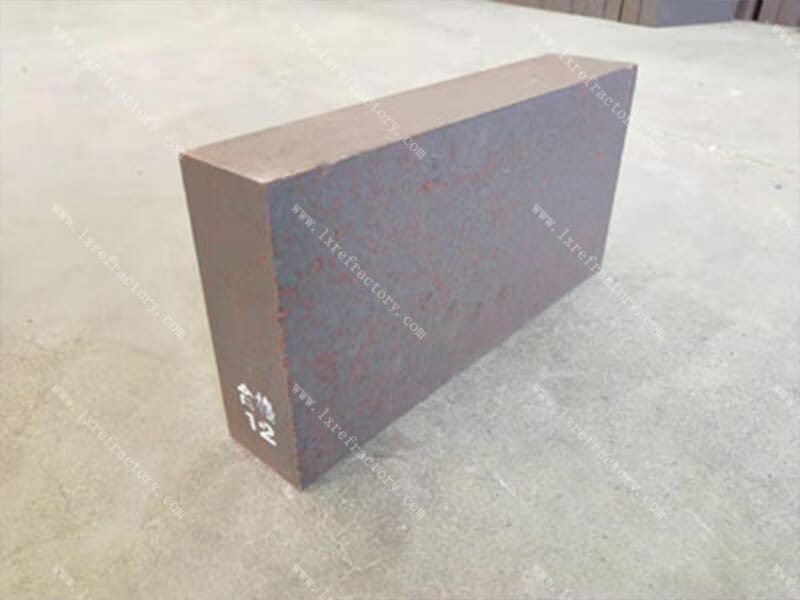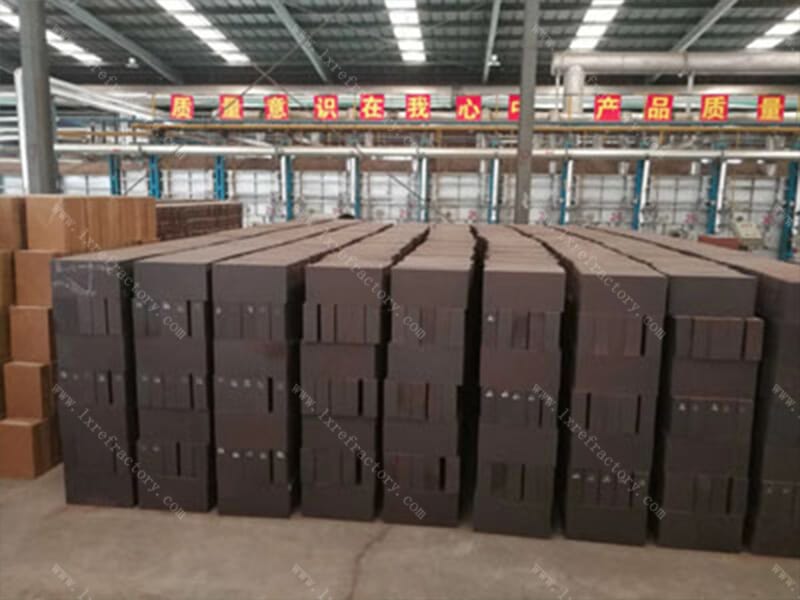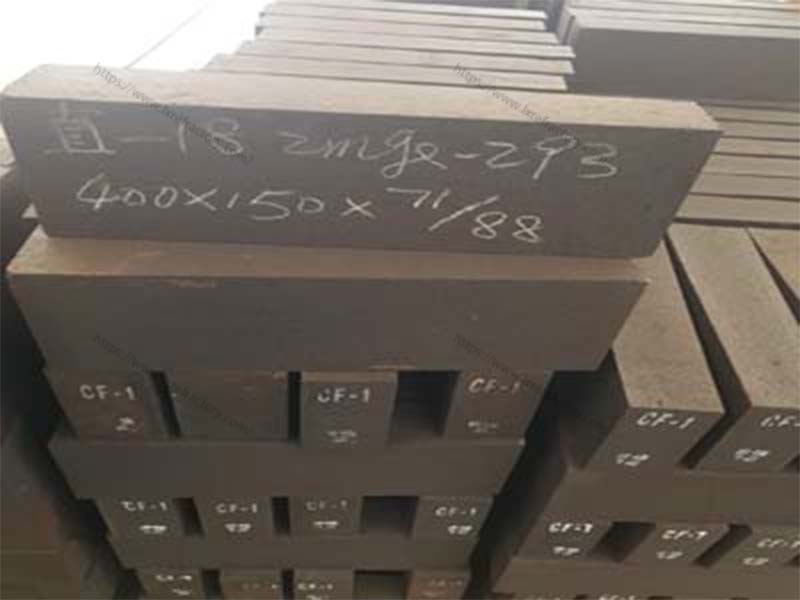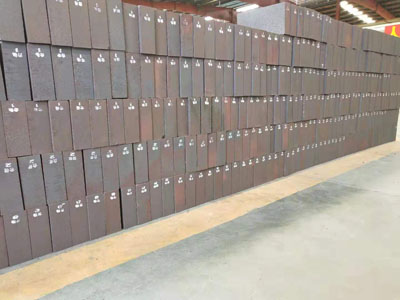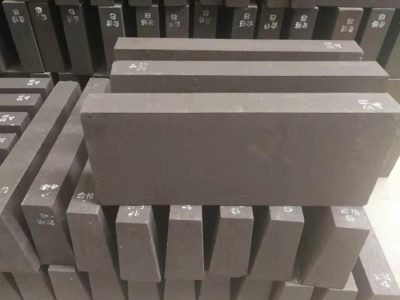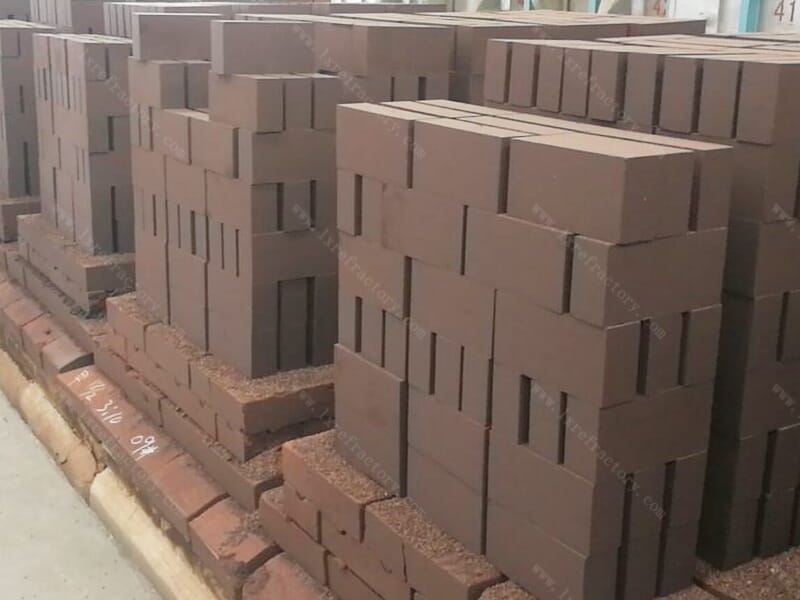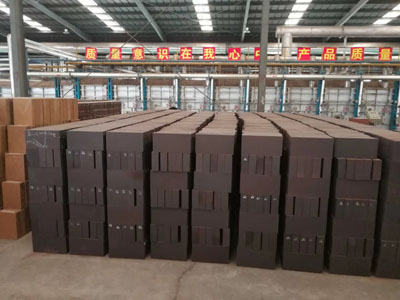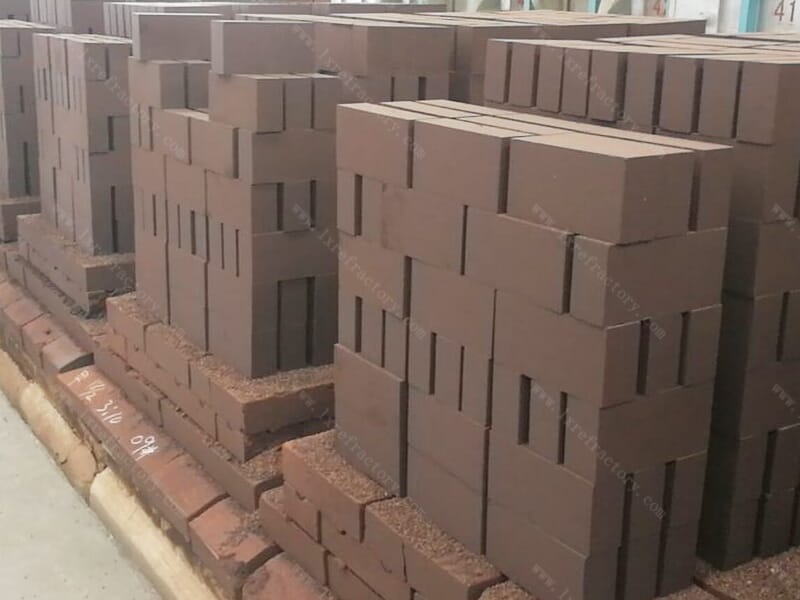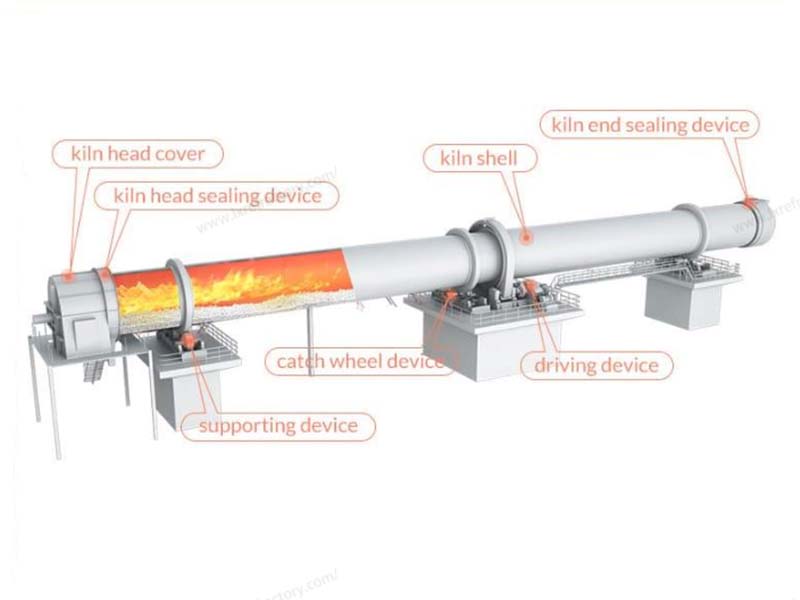
Magnesia chrome bricks are the core alkaline refractory lining material in chemical rotary kilns. With excellent high-temperature resistance, alkali corrosion resistance, and structural stability, they are well-suited to the harsh operating conditions of chemical rotary kilns, including high temperatures, corrosion, and erosion. Magnesia chrome bricks are widely used in various chemical rotary kilns, such as those used for soda ash calcination, phosphate fertilizer roasting, and inorganic salt processing, and are a key material for ensuring stable kiln operation.
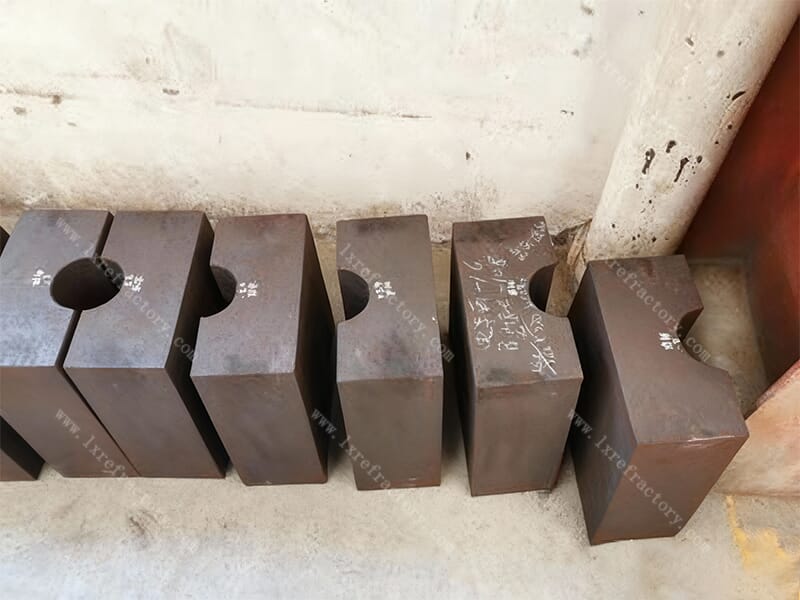
The core use of magnesia chrome bricks is as the main lining material of the rotary kiln, resisting multiple losses in chemical production. During operation, the temperature inside a chemical rotary kiln is maintained above 1200℃ year-round, and the calcination of materials produces a large amount of alkaline slag, volatile potassium and sodium salts, and other corrosive media. Magnesia chrome bricks, with periclase and magnesia-chrome spinel as their main crystalline phases, can form a dense protective layer, effectively preventing the penetration and erosion of alkaline media, avoiding corrosion and damage to the kiln body, and significantly extending the service life of the kiln lining.
Meanwhile, magnesia chrome bricks possess excellent high-temperature structural stability and mechanical wear resistance, withstanding the scouring and frictional impact of materials caused by the continuous rotation of the rotary kiln. They are not prone to deformation, spalling, or cracking at high temperatures, ensuring the integrity of the kiln lining structure and maintaining stable calcination conditions. Furthermore, this material exhibits excellent kiln lining adhesion performance, rapidly forming a uniform and stable lining, reducing high-temperature heat radiation and direct material wear, thus lowering kiln energy consumption and maintenance costs.
Compared to ordinary refractory bricks, magnesia chrome bricks are suitable for the complex acid-alkali alternation conditions of chemical kilns, effectively avoiding lining wear during material calcination and ensuring the continuous large-scale production of chemical products such as soda ash and phosphate fertilizer. They are an indispensable refractory material in the high-temperature calcination section of chemical rotary kilns.