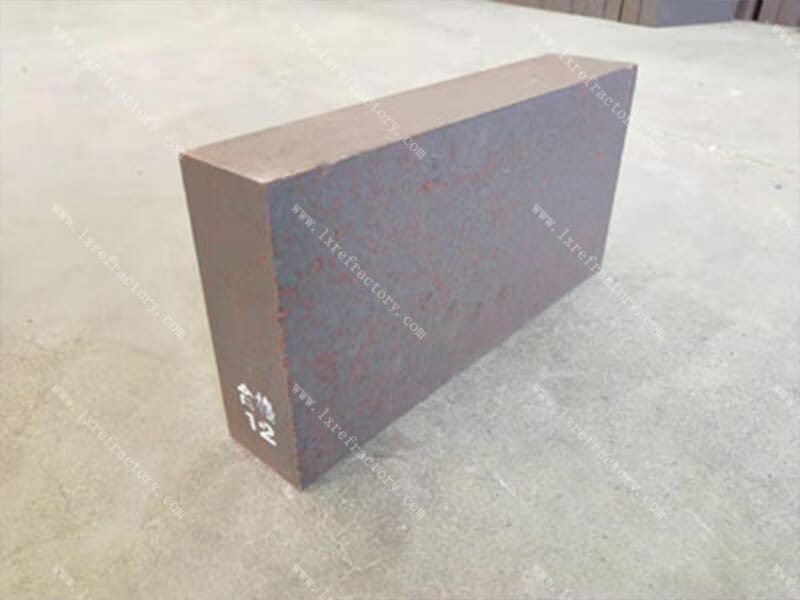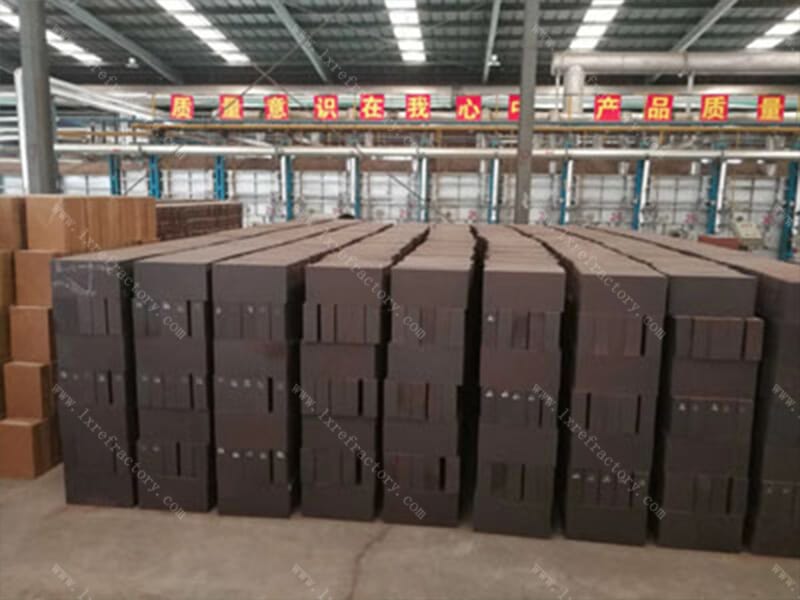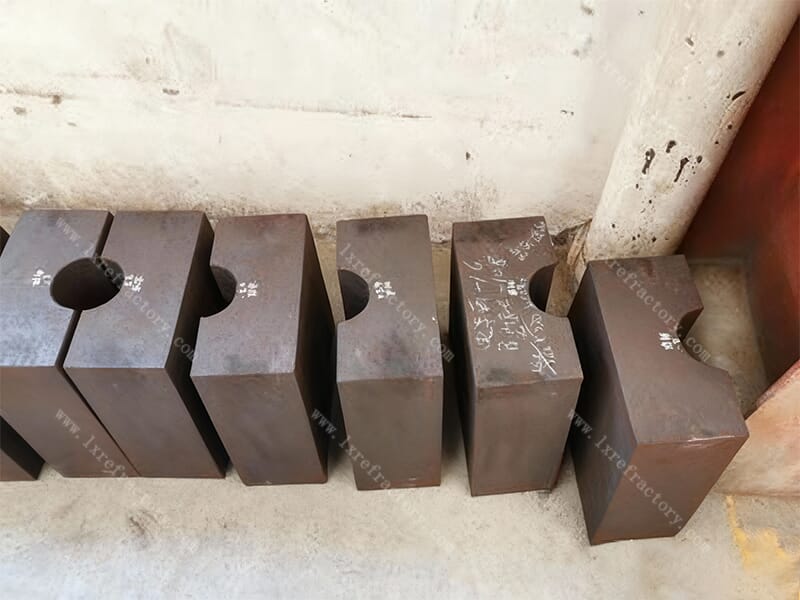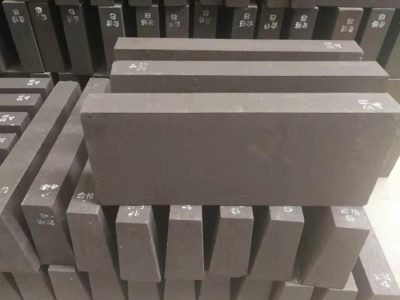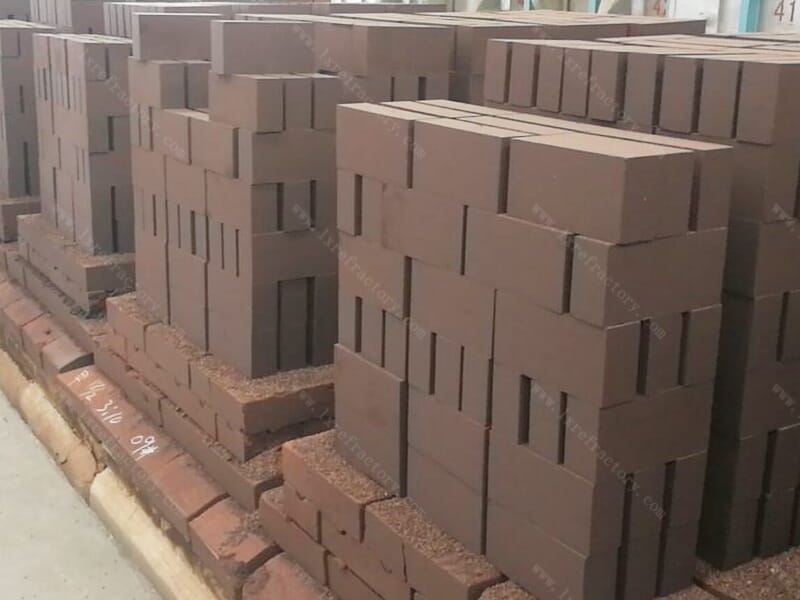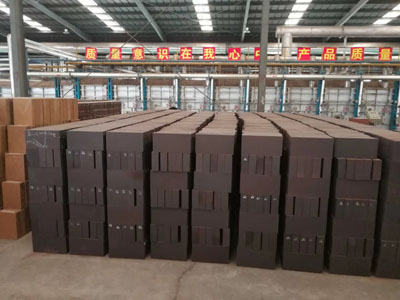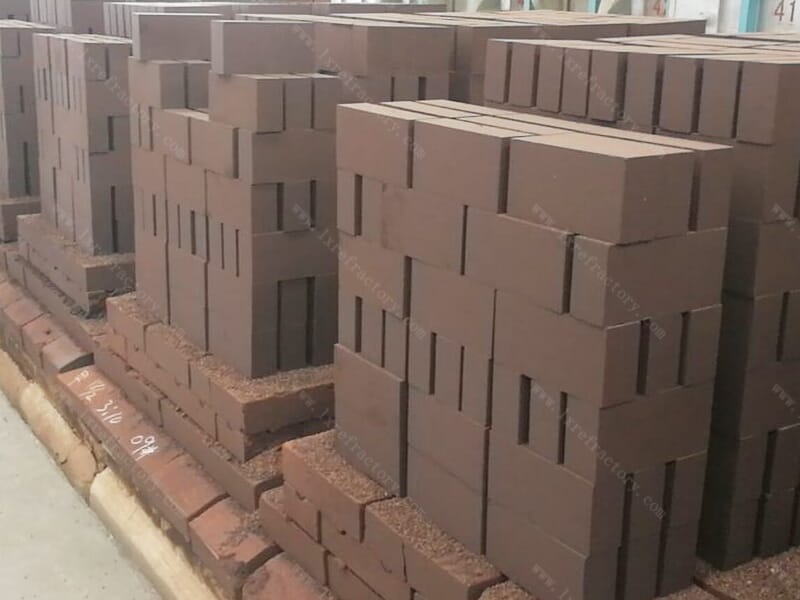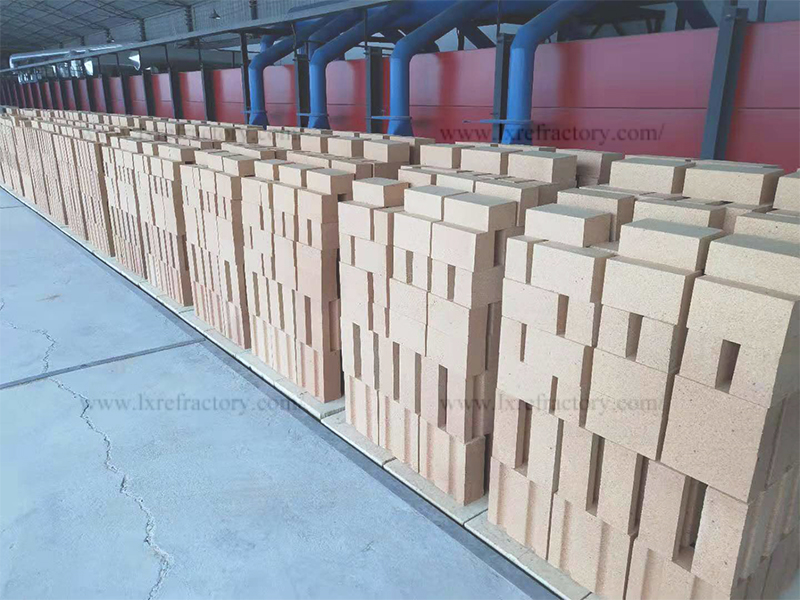
Magnesia chrome bricks are the core alkaline refractory material in glass furnaces. With their high refractoriness, excellent resistance to alkaline corrosion, and thermal shock stability, they are well-suited to the harsh conditions of high temperature, corrosion, and temperature fluctuations in glass furnaces, making them a key material for ensuring the long-term stable operation of glass furnaces. Magnesia chrome bricks are widely used in the core components of various glass melting furnaces, including those for float glass and consumer glass.
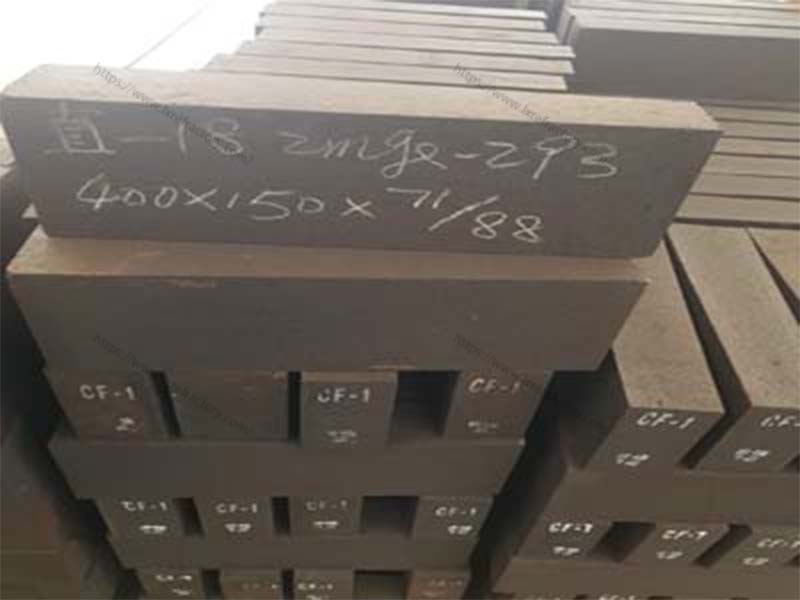
The regenerator is the primary application area for magnesia chrome bricks. They are mainly used in the lower layers of the lattice structure, side walls, and wall structures. Glass furnace regenerators are subjected to long-term high-temperature flue gas erosion, alkali metal vapor corrosion, and frequent hot and cold cycles. The dense structure of magnesia chrome bricks resists the chemical corrosion of alkaline oxides such as sodium and potassium. Simultaneously, their good high-temperature volume stability prevents lattice deformation and collapse, ensuring the heat recovery efficiency of the regenerator and reducing furnace energy consumption.
Secondly, magnesia chrome bricks can be used in high-temperature load-bearing parts of glass furnaces, such as small furnaces, front walls, and partition walls. These areas have extremely high temperatures and complex operating conditions. Magnesia chrome bricks possess high high-temperature structural strength and excellent load softening temperature, enabling them to withstand long-term high-temperature loads and airflow impacts. This stabilizes the kiln structure, reduces wall cracking and damage, and extends the overall service life of the kiln.
Furthermore, magnesia chrome bricks are suitable for critical areas in contact with molten glass, such as flow channels, resisting the penetration and erosion of molten glass and preventing damage to the kiln lining. Compared to ordinary refractory bricks, magnesia chrome bricks exhibit stronger thermal cycling stability, adapting to temperature changes caused by kiln start-up and shutdown and fluctuations in operating conditions. This reduces thermal shock cracking losses, significantly lowers the frequency of kiln maintenance, and provides a reliable guarantee for continuous and large-scale glass production.