
Fire clay bricks are weakly acidic refractory materials made from refractory clay and calcined bauxite. With an alumina content of 30%–45% and a refractoriness of approximately 1700℃, they possess excellent thermal shock resistance and are inexpensive. They are the core lining material for the low-temperature sections of glass melting furnaces and are widely used in areas operating below 1350℃.
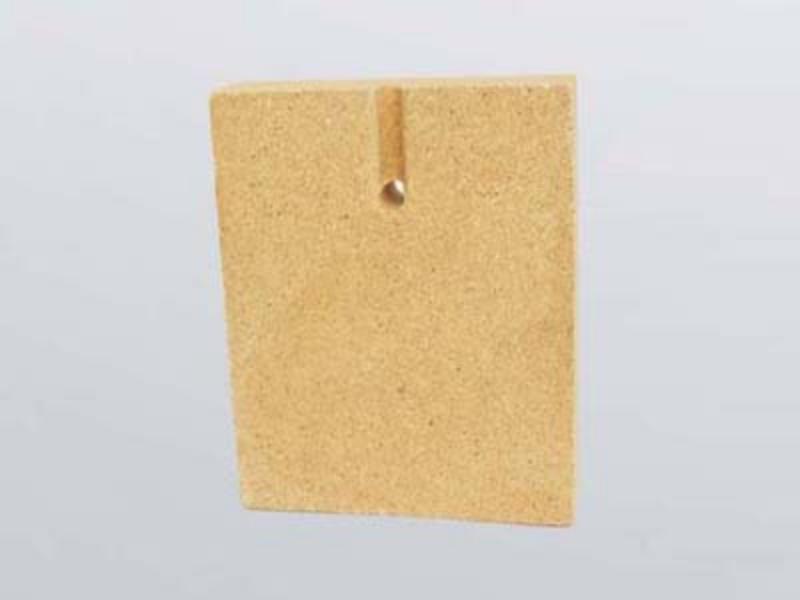
Constructing the Furnace Bottom and Tin Bath with Large Clay Fire Bricks
Large, low-porosity fire clay bricks are commonly used for the bottom of the tin bath and forming passages in float glass production. Their dense, low-permeability structure prevents tin oxidation, avoids bubble defects, and withstands the hydrostatic pressure of the molten glass. A seepage-proof sealing layer is applied to the bottom surface to prevent the infiltration of sodium-potassium alkali solutions into the furnace, stabilizing the furnace foundation structure. Clay bricks are also used for the walls of the passages and cooling sections to resist the scouring of low-temperature molten glass and reduce stone formation defects.
Construction of the Lower Lining and Checker Bricks for the Regenerator
The flue gas temperature at the bottom of the regenerator is moderate. Fire clay bricks, with their strong thermal stability, can withstand frequent alternations of hot and cold airflows and are not prone to cracking or peeling. Combined with low-porosity clay checker bricks, they efficiently recover waste heat from the flue gas, improving kiln thermal efficiency and reducing fuel consumption. The side walls of the regenerator, the lower part of the arch, and the entire flue are all constructed with fire clay bricks, preventing the leakage of high-temperature flue gas and providing thermal insulation.
Clay bricks also serve as structural bricks for low-temperature flues and auxiliary passages.
The melting section flue, reversing passage, and waste gas pipes are subjected to fluctuating flue gas for extended periods. Fire clay bricks, with their moderate mechanical strength, can resist dust erosion and sudden temperature changes, ensuring the integrity of the flue structure. Due to their low thermal conductivity, they possess both refractory and insulating properties, reducing heat loss from the kiln body.
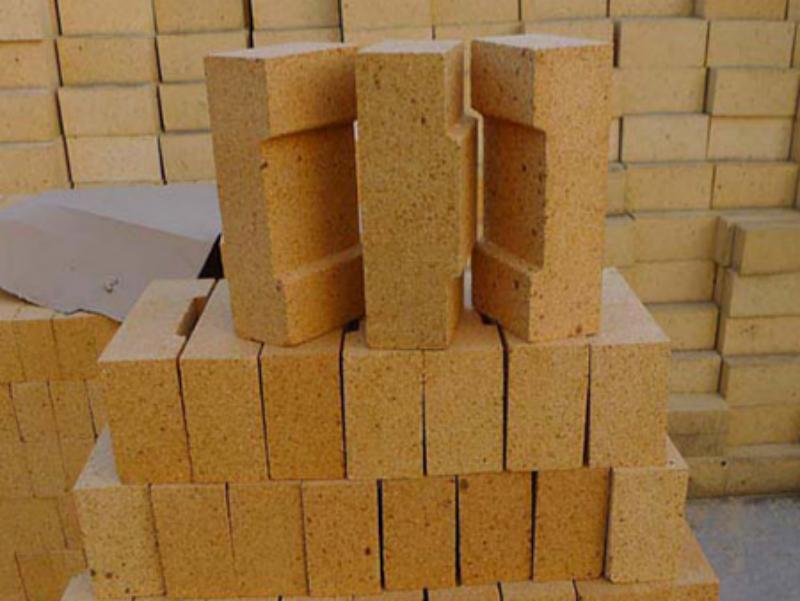
Due to the limitation of load softening temperature, fire clay bricks are not used in high-temperature melting zones above 1400℃. However, thanks to their cost-effectiveness and thermal shock resistance, they cover 80% of the low-temperature lining of the kiln, balancing the construction and operation and maintenance costs of the equipment. They are an indispensable basic refractory material for glass kilns.