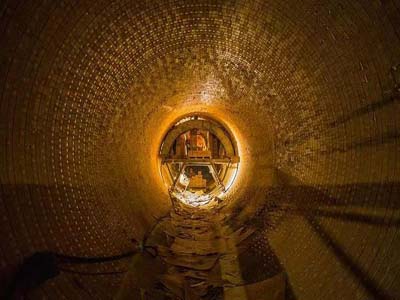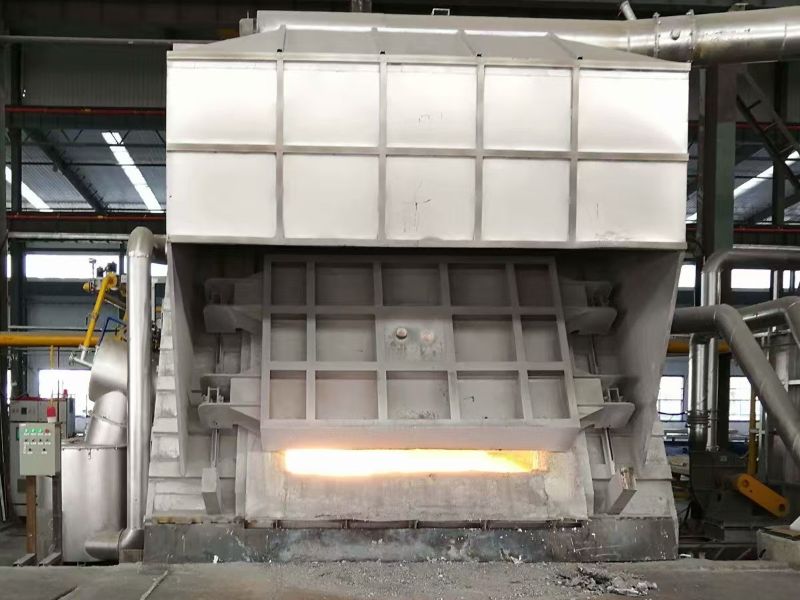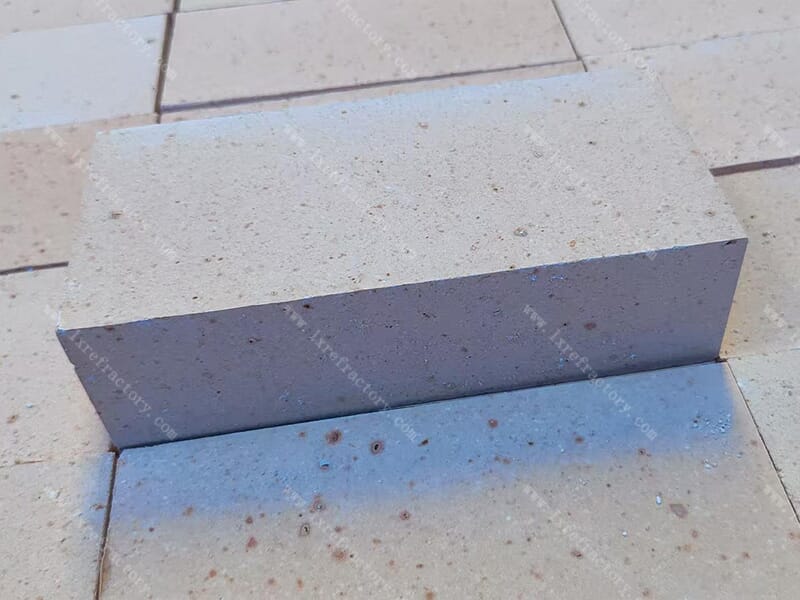
The core thermal equipment in the cement industry is the rotary kiln, which is the “heart” of the entire cement production line. Currently, the following types of kilns are mainly used for cement clinker calcination:
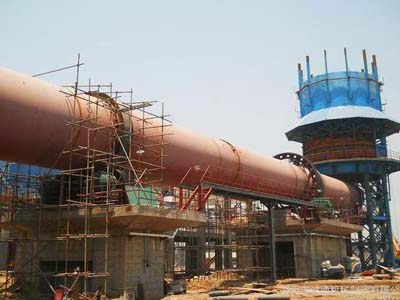
1. New Dry Process Rotary Kiln
This is the absolute mainstream kiln type in the global cement industry today, accounting for more than 95% of China’s cement production capacity. Its core feature is a suspension preheater + decomposition furnace + rotary kiln. Raw meal powder undergoes sufficient heat exchange with the hot airflow in the preheater, and about 85%~95% of the carbonate decomposition is completed in the decomposition furnace before entering the kiln. It then enters the rotary kiln to complete the remaining calcination and clinker sintering. This type of kiln has high thermal efficiency, large single-line capacity (up to tens of thousands of tons per day), and facilitates waste heat power generation.
2. Vertical Kiln
Vertical kilns were once the main equipment in small and medium-sized cement plants in my country, and are divided into ordinary vertical kilns and mechanized vertical kilns. Material is added from the top of the kiln and discharged from the bottom; the calcination process takes place in a static column of material. Its disadvantages include high energy consumption, uneven clinker quality, and heavy pollution. It has been listed as a target for elimination by national industrial policies, and only a very few areas still have remnants.
3. Other Kiln Types
Wet-process rotary kiln: Raw materials are made into a slurry before entering the kiln. It has extremely high heat consumption and is now largely obsolete.
Semi-dry-process rotary kiln: Such as the Lepol kiln, raw materials are made into pellets before entering the kiln. It was once used to some extent, but is now rarely used.
Hollow rotary kiln: An early dry-process kiln, without a preheater, with low thermal efficiency, it has been replaced by newer dry-process kilns.
Cement plants also have drying kilns (used for drying raw materials or slag) and limestone calcining kilns (some plants produce their own lime), but these are not the core equipment for cement clinker calcination.