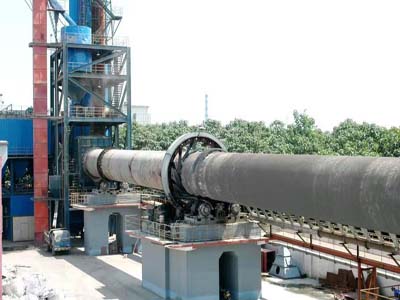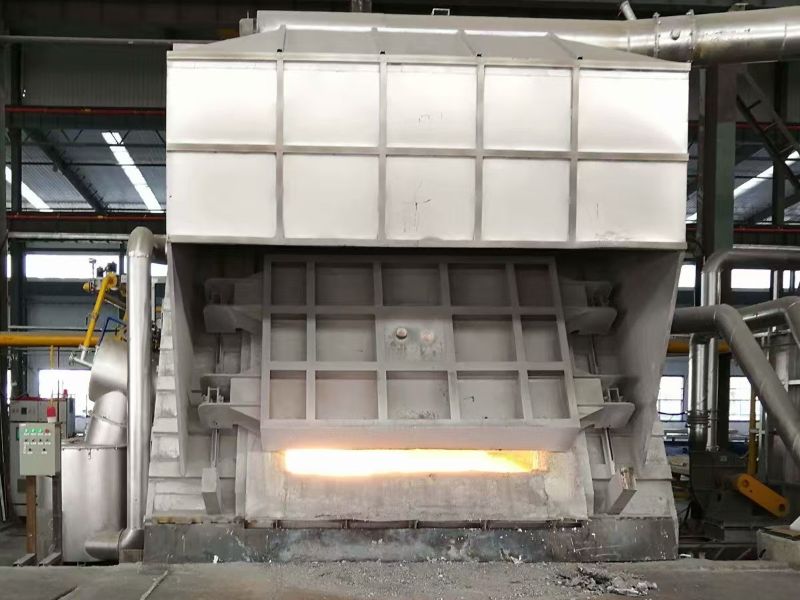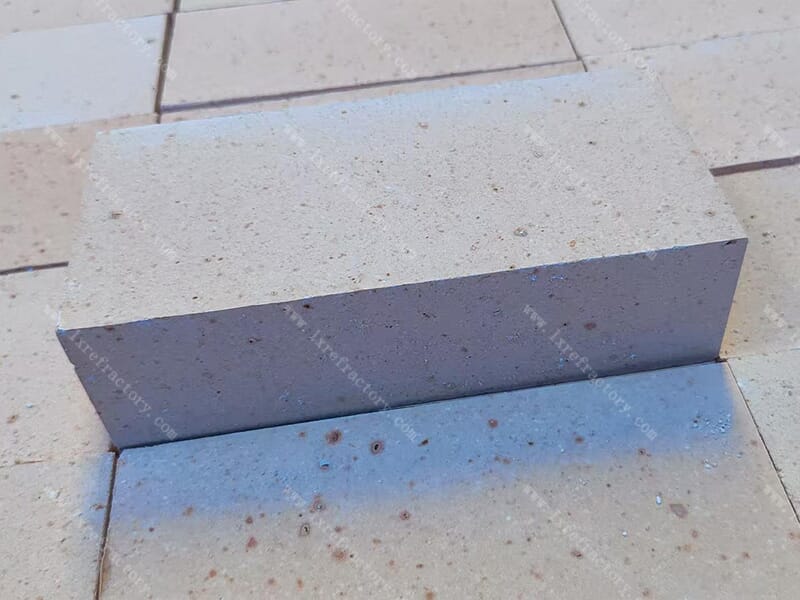
The chemical industry uses a variety of kilns, all centered around high-temperature reaction processes such as calcination, roasting, gasification, and cracking. Common types include:
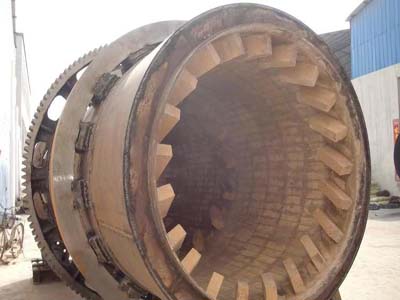
Rotary Kiln
This is one of the most common kilns in the chemical industry, belonging to continuous rotary calcination equipment. Materials tumble and are heated within the kiln, resulting in uniform calcination. It is mainly used for calcining chemical clinker, chromite, aluminum hydroxide, catalysts, zinc oxide, and lithium battery materials. It is classified into internal heating and external heating types according to the heating method. External heating commonly uses electric heating and is suitable for powder materials with strict atmosphere requirements.
Lime Kiln (Vertical Kiln, Cylindrical Kiln, etc.)
Used for calcining limestone to produce active lime, a basic raw material for chemicals (especially calcium carbide and soda ash). Vertical kilns have a simple structure and low cost. Cylindrical kilns use a combination of counter-current and parallel-current calcination methods, resulting in low heat consumption and high lime activity. The Chinese chemical industry has built cylindrical kilns fueled by calcium carbide furnace gas. These types of kilns provide raw materials such as calcium oxide and calcium hydroxide for calcium carbide production.
Gasification Furnace
This type of furnace converts carbonaceous raw materials such as coal, heavy oil, and biomass into syngas (CO + H₂), and is a core piece of equipment in coal chemical and integrated refining processes. Based on reactor type, it can be divided into fixed-bed, fluidized-bed, and entrained-flow furnaces. Among them, entrained-flow furnaces (such as the SE Dongfang furnace) have wide feedstock adaptability and can process pulverized coal, coal-water slurry, heavy oil, and even waste plastics.
Cracking Furnace
This is the “leading” component of the petrochemical industry, used to crack raw materials such as naphtha and ethane into low-carbon olefins such as ethylene and propylene at approximately 850℃. Traditional cracking furnaces use fuel combustion for heating, but in recent years, electrically heated steam cracking furnace demonstration units have been put into operation to reduce carbon emissions.
Fluidized Bed Furnace
This type of furnace uses fluidized bed combustion as its core, and has extremely high fuel adaptability, capable of burning low-quality coal, gangue, and even coal slime. The bed temperature is generally controlled between 850 and 1050℃, and it is widely used for heating and material roasting in industries such as chemicals and building materials.
In addition, chemical production also involves intermittent calcination of catalyst supports or specialty chemicals using tunnel kilns and shuttle kilns, but the mainstream still relies on rotary kilns, lime kilns, gasifiers, and cracking furnaces.