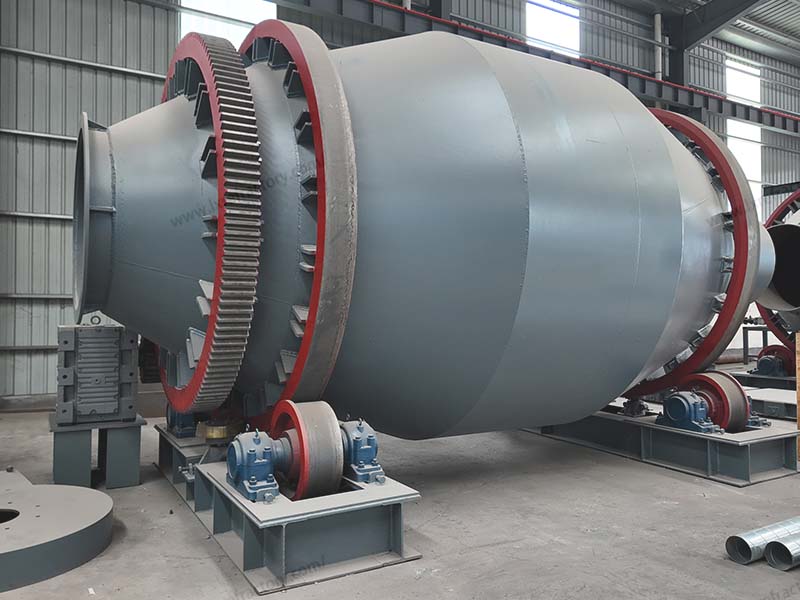
Kilns are subject to high temperatures, thermal stress, chemical corrosion, and mechanical wear during operation, resulting in a relatively high failure rate. Common problems mainly involve refractory material damage, furnace structure deformation, and transmission system malfunctions.
Roller breakage and corrosion
In daily-use ceramic roller kilns, silicon carbide rollers in the high-temperature zone are prone to breakage. Silicon carbide has extremely poor oxidation resistance in the 800-1140℃ range, and crystal transformation leads to a decrease in strength. Simultaneously, the roller surface easily absorbs fuel ash, dust, and other impurities, forming nodules. Slag penetration and erosion can create a modified layer, which, if not addressed promptly, can cause extensive roller damage.
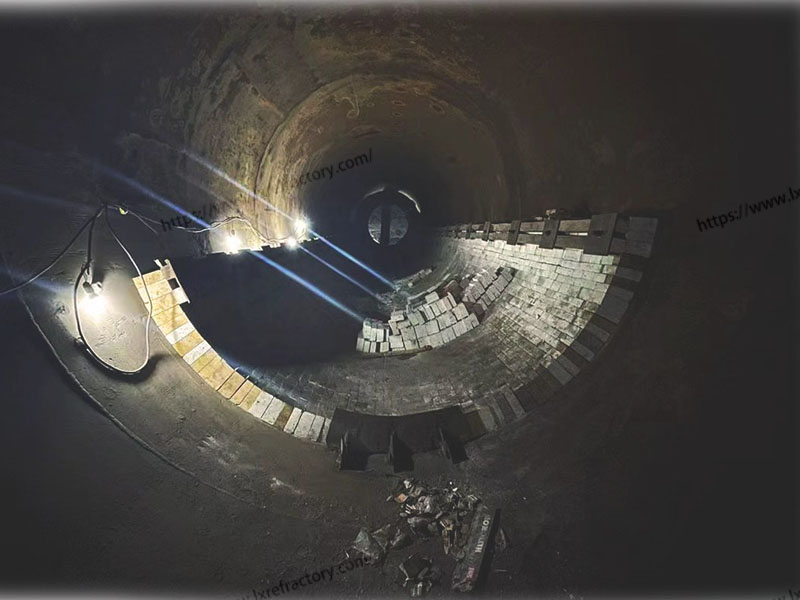
Refractory brick cracking and detachment
Rapid heating during the kiln firing stage can easily cause fused refractory materials to crack at 1100-1200℃. During operation, improper batching or operation of the rotary kiln can lead to uneven kiln lining, or excessive gap between the tire and the pad plate causing radial deformation of the kiln shell, both of which can cause refractory brick detachment and result in a red-hot kiln accident.
Furnace structure deformation
Large arch bricks may sink, deviate, or even develop longitudinal cracks due to inconsistent specifications or untimely loosening of tie rods. The I-beam columns at the end of the melting section may tilt severely due to improper expansion joint placement, and the regenerator walls are also prone to deformation due to excessively rapid temperature rise.
Product defects
Glass kilns often experience problems such as bubbles and stone formation. The root cause may lie in unreasonable furnace design or improper control of operating parameters, and these problems are difficult to completely resolve, often requiring a major overhaul.
In summary, the core causes of kiln problems are uncontrolled thermal stress and chemical corrosion. Routine inspections should focus on the condition of the rollers in the high-temperature zone and the integrity of the refractory materials.