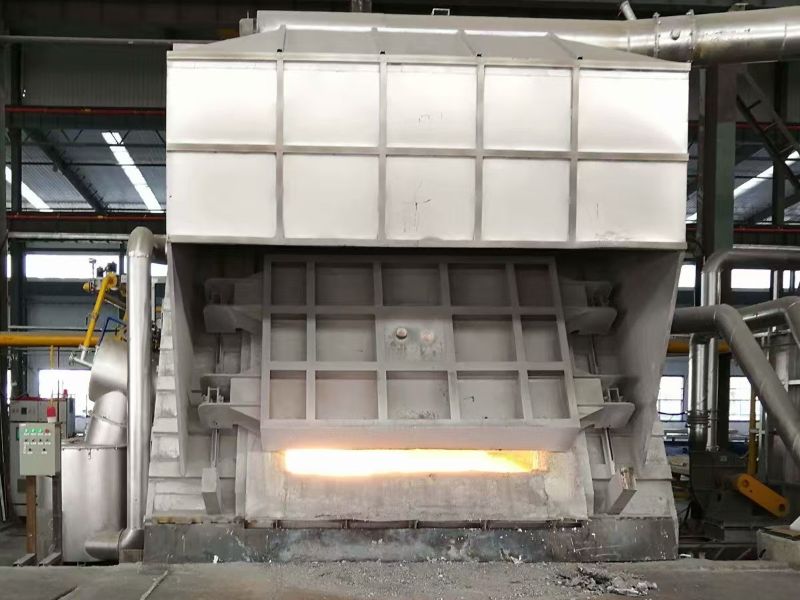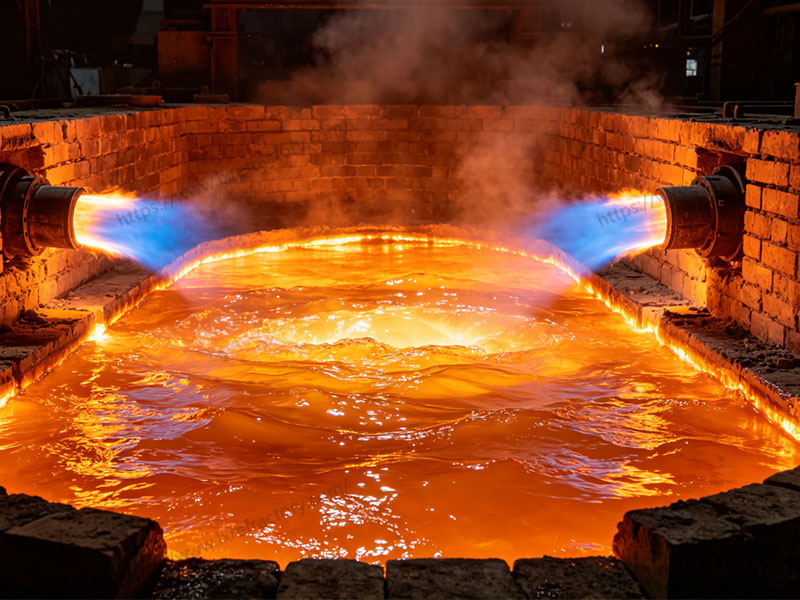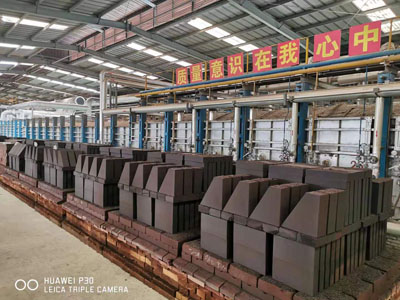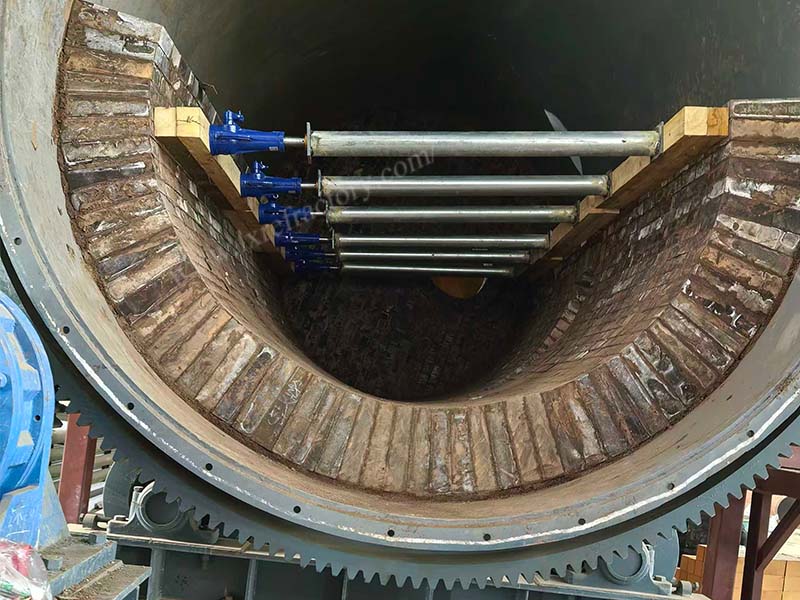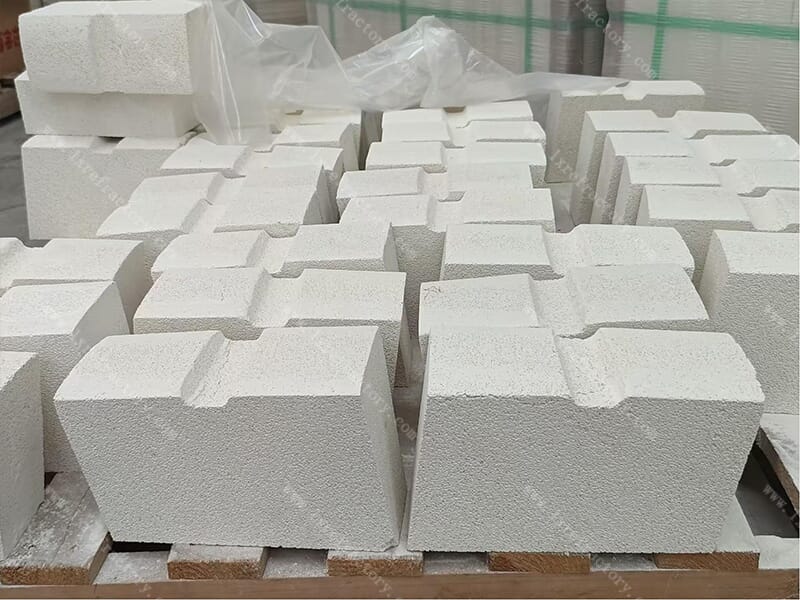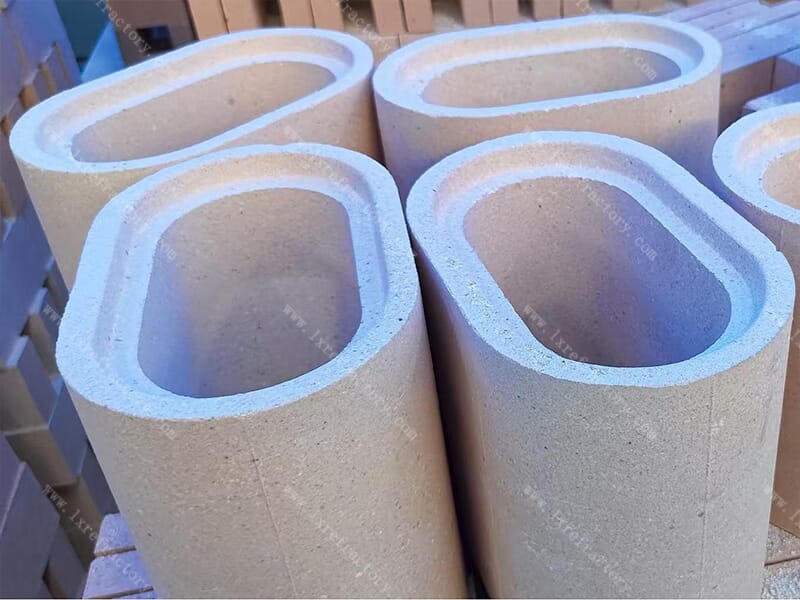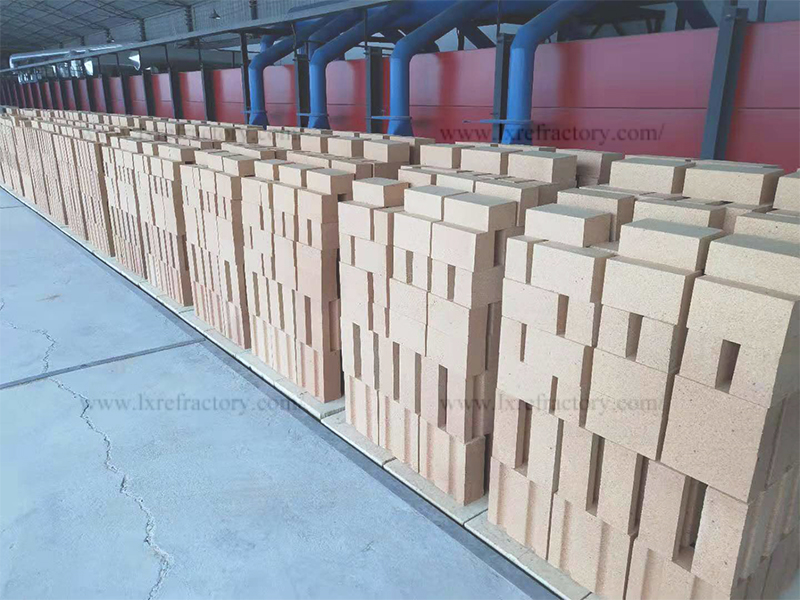
Magnesia-zirconium refractory bricks are alkaline refractory refractory bricks with periclase (MgO) as the main crystalline phase and zircon (ZrO₂) as the secondary crystalline phase. They are made by mixing high-purity magnesia with zircon sand (or fused zirconium dioxide) in a specific ratio, followed by molding and high-temperature sintering (typically 1700–1850℃). They are key refractory materials in high-temperature industries such as metallurgy and building materials.
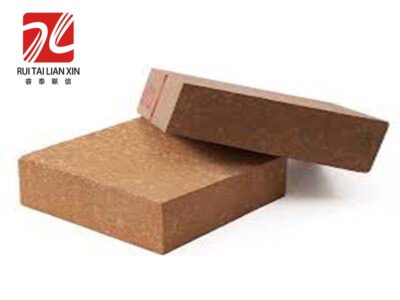
Magnesia-zirconium refractory bricks
1.Chemical Properties: Strong resistance to alkaline slag erosion.
The main crystalline phase of magnesia-zirconium refractory bricks, periclase (MgO), is a typical alkaline oxide with stable chemical properties. At high temperatures, it does not readily react with alkaline slags (such as steelmaking converter slag and cement clinker slag), effectively resisting the dissolution and penetration of alkaline substances.
Low Chemical Compatibility (High-Temperature Reactivity)
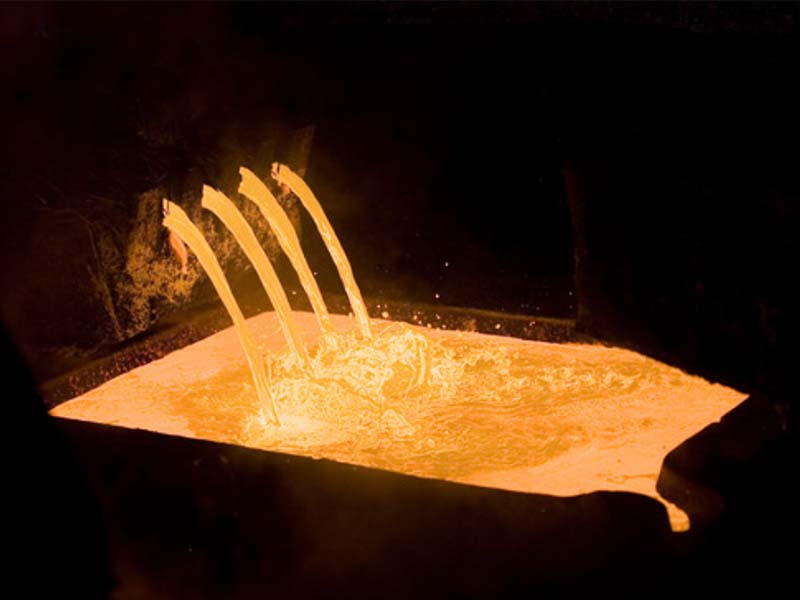
At high temperatures of 1600–1800℃, the main crystalline phase of magnesia-zirconium refractory bricks does not readily chemically bond with molten steel, molten glass, or other molten media, thus preventing contamination of the melt. Therefore, they can be used in areas directly in contact with molten metal or molten glass (such as converter tapholes and glass furnace sidewalls).
Chemical Influence of Impurities
Impurities such as SiO₂, CaO, and Fe₂O₃ in the brick are harmful components. They are chemically reactive and readily react with MgO and ZrO₂ at high temperatures to form low-melting-point silicates, calcium zirconates, and other compounds, reducing the high-temperature strength and corrosion resistance of the brick.
Therefore, high-quality magnesia-zirconium refractory bricks strictly control impurity content (SiO₂ ≤ 5%, CaO ≤ 3%, Fe₂O₃ ≤ 1.5%)
2. Physical Properties
Bulk Density:3.2–3.6 g/cm³. Higher density indicates better brick compaction, lower porosity, and stronger resistance to slag penetration. Magnesia-zirconium refractory bricks with high MgO content have densities closer to the upper limit.
Apparent Porosity: ≤ 12%. High-quality products can control this at 8%–10%. Low porosity is crucial for resisting molten slag and steel intrusion, directly affecting the brick’s service life.
Room Temperature Compressive Strength: ≥ 80 MPa. Reflects the brick’s compactness and mechanical strength. Higher strength indicates stronger resistance to furnace charge impact and kiln rotation wear.
Room Temperature Flexural Strength: ≥ 10 MPa. Measures the brick’s resistance to fracture at room temperature and is closely related to molding pressure and sintering degree.