Magnesium-zirconium refractory bricks, with their core advantages of high refractoriness, excellent thermal shock resistance, and strong resistance to slag erosion, are primarily used in critical areas of high-temperature industries such as metallurgy, building materials, and glass, where temperature fluctuations are significant and corrosive environments are harsh. Specific applications include:
Iron and Steel Metallurgy Industry (Core Application Area)
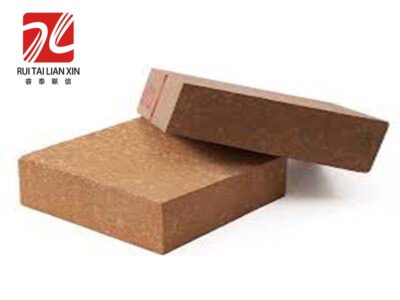
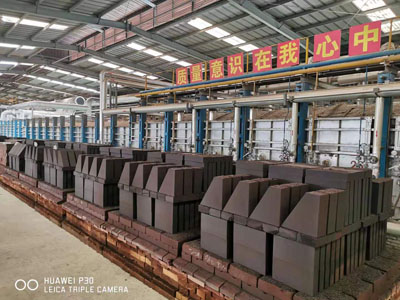
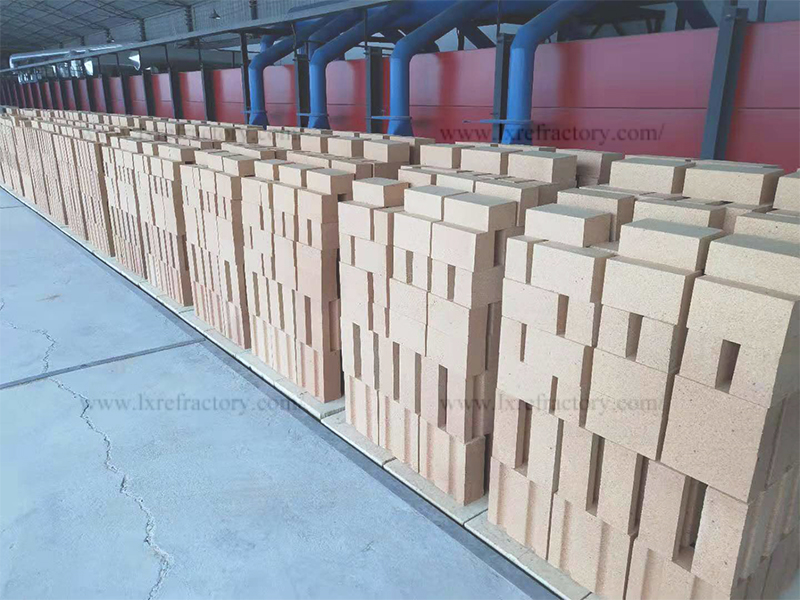
Magnesia-zirconium refractory bricks
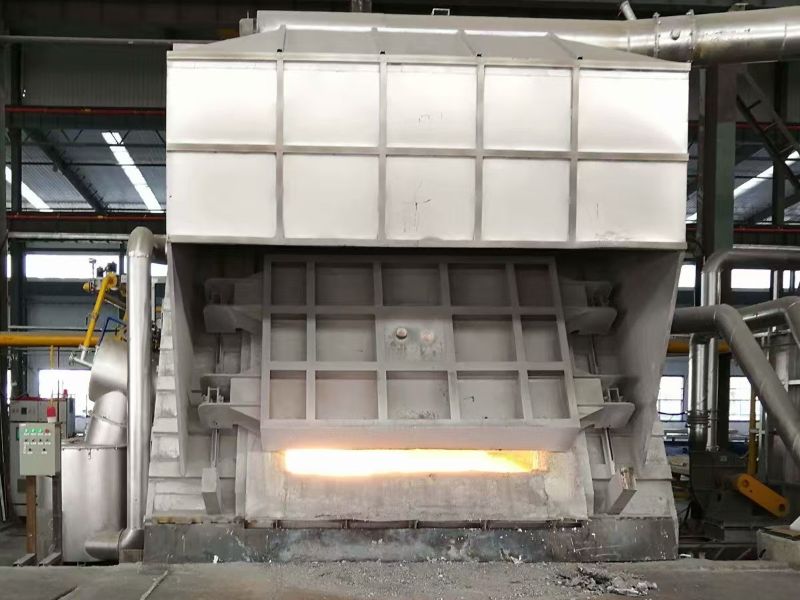
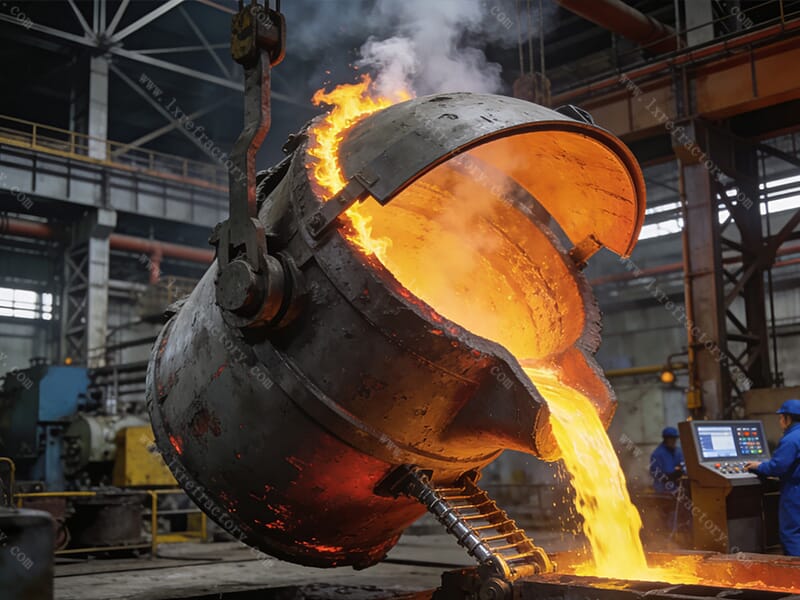
Critical Areas of Converter Linings: Areas such as the furnace cap, taphole, and trunnions experience rapid temperature changes during molten iron addition and tapping, and are subject to erosion from alkaline slag and molten steel. The phase transformation toughening properties of magnesia-zirconium refractory bricks effectively resist thermal shock spalling, extending the converter’s service life.
Electric Arc Furnace Linings: High-temperature zones of the furnace wall and bottom, resisting high-temperature radiation from the electric arc and molten steel penetration, showing significantly improved spalling resistance compared to ordinary magnesia refractory bricks.
Refining Equipment: Linings of refining furnaces such as LF furnaces and VD furnaces, resisting erosion from refining slag in a vacuum, high-temperature environment, ensuring the quality of refined steel.
1.Cement and Building Materials Industry:
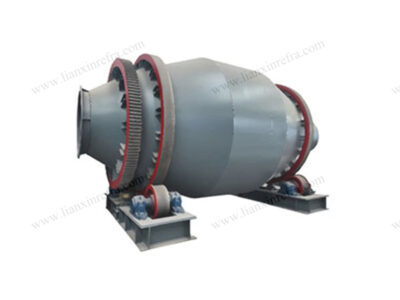
converter
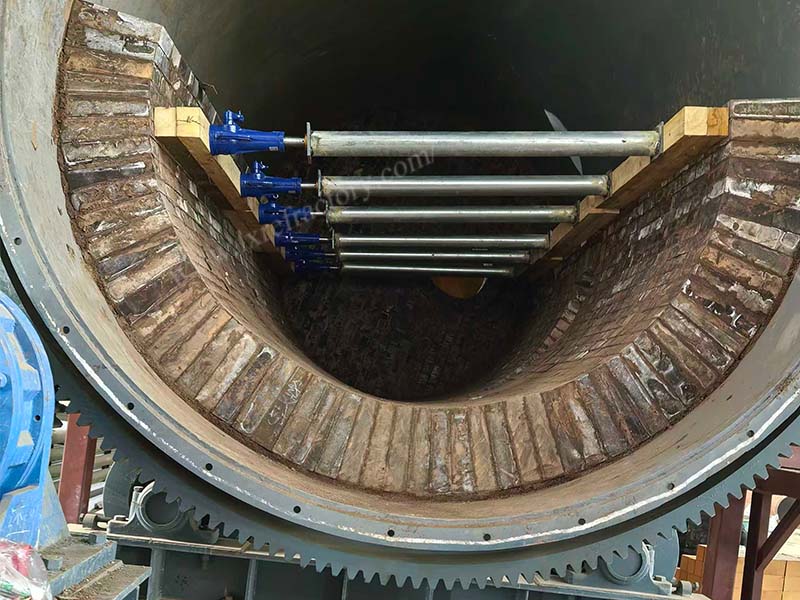
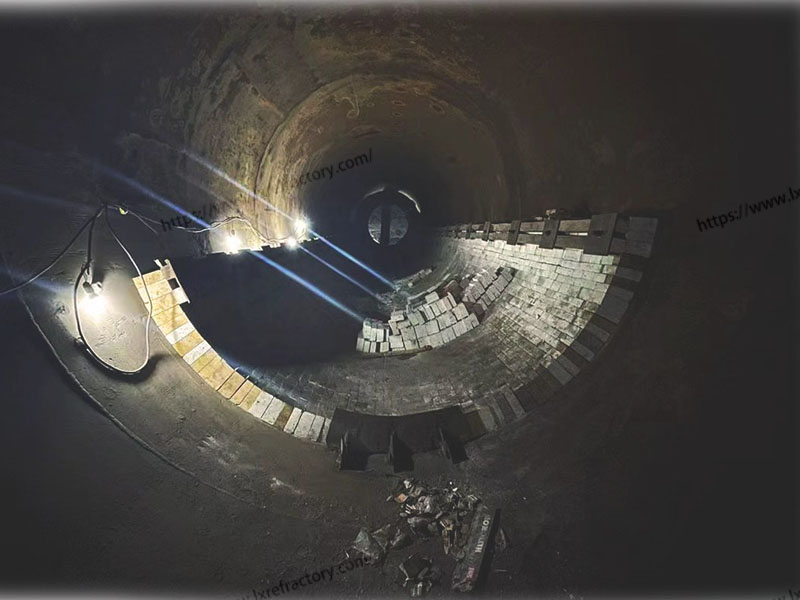
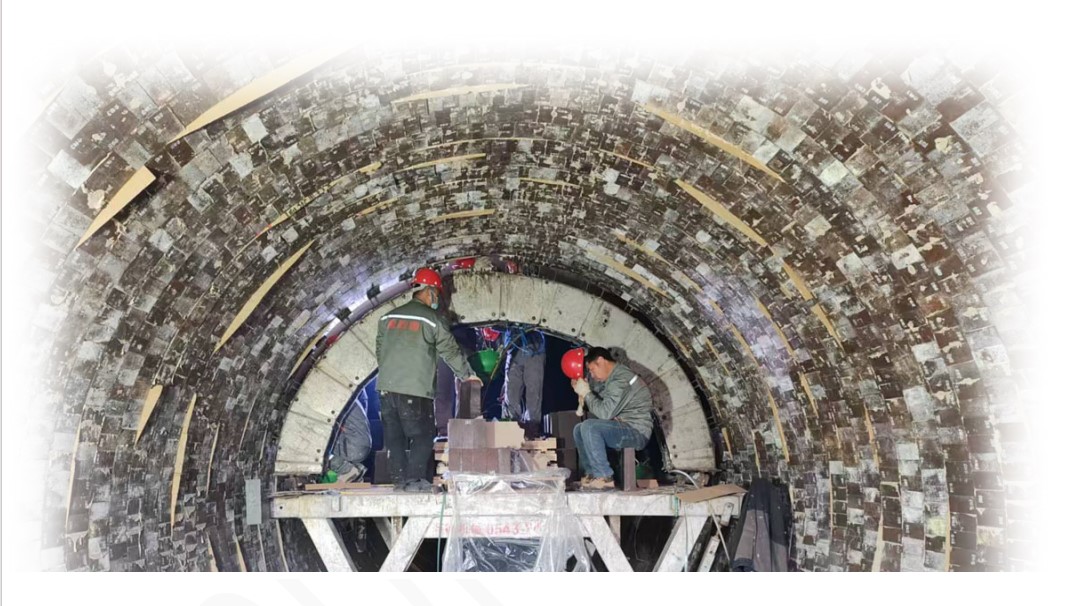
Rotary Kiln Firing Zone: This zone experiences temperatures as high as 1450–1600℃ and is subject to chemical corrosion from alkali metals and sulfur compounds in cement clinker, as well as mechanical wear from kiln rotation. Magnesia-zirconium refractory bricks resist volume expansion cracking caused by alkali vapor intrusion, extending their service life by more than 30% compared to traditional magnesia-alumina refractory bricks.
Pre-calciner Kiln Transition Zone: Adapts to the temperature gradient changes from the preheater to the firing zone, reducing lining brick spalling caused by temperature fluctuations and ensuring continuous kiln operation.
2.Glass Manufacturing Industry:
Glass Melting Furnace Regenerator Grating: Especially in the upper high-temperature zone, it withstands the corrosion of alkaline volatiles in the glass furnace atmosphere and frequent temperature cycles of heat storage and release, resulting in a service life far exceeding that of silica refractory fire bricks.
Special Glass Tank Furnace Sidewalls: Used in melting furnaces for borosilicate glass, high-alumina glass, etc., directly contacting molten glass, resisting molten glass corrosion and high-temperature erosion, and without contaminating the molten glass.
3.Other High-Temperature Industrial Applications:
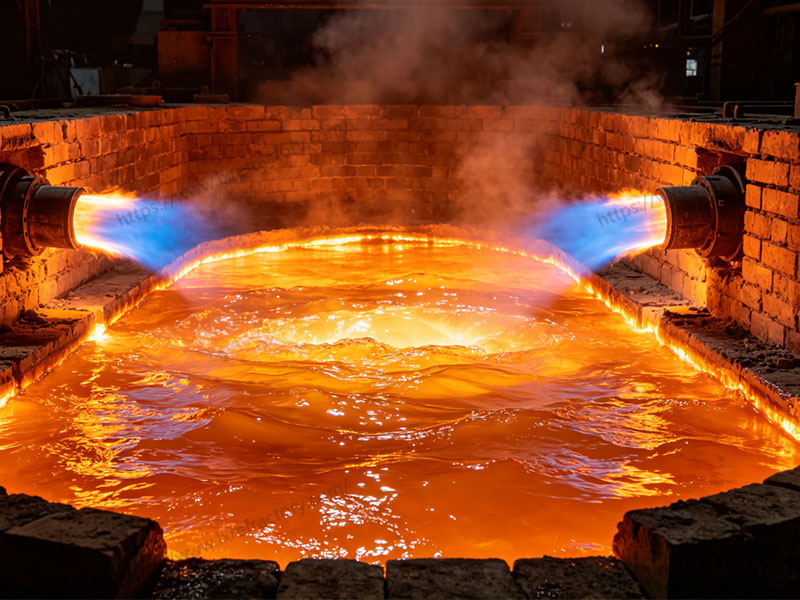
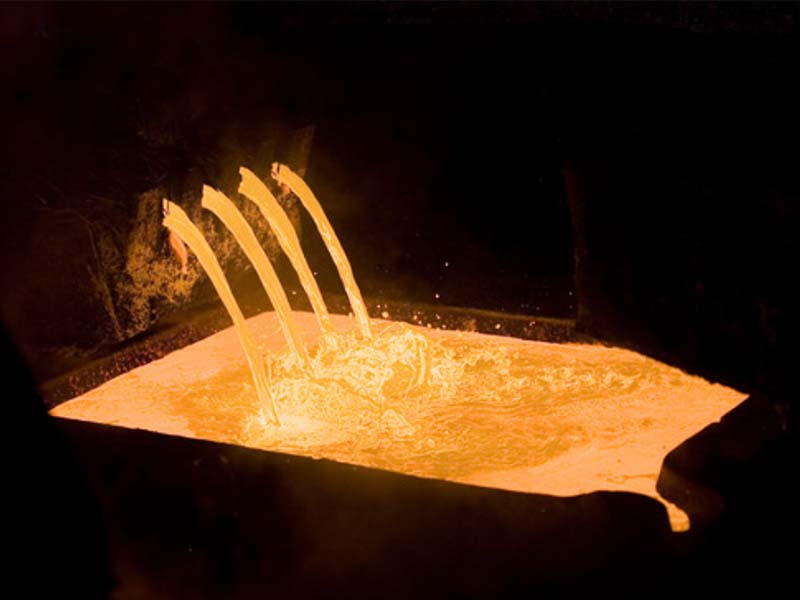
Non-ferrous Metal Smelting: Linings for copper, nickel, and aluminum smelting furnaces, resisting corrosion from molten slag and high-temperature thermal shock, adaptable to the complex operating conditions of the smelting process.
Waste Incineration and Environmental Protection: Secondary combustion chambers for waste incinerators, resistant to high-temperature flue gas corrosion and temperature fluctuations, while also possessing a certain degree of resistance to acidic gas corrosion.
High-Temperature Chemical Equipment: Linings for some high-temperature reactors, suitable for highly corrosive and high-temperature chemical reaction environments.