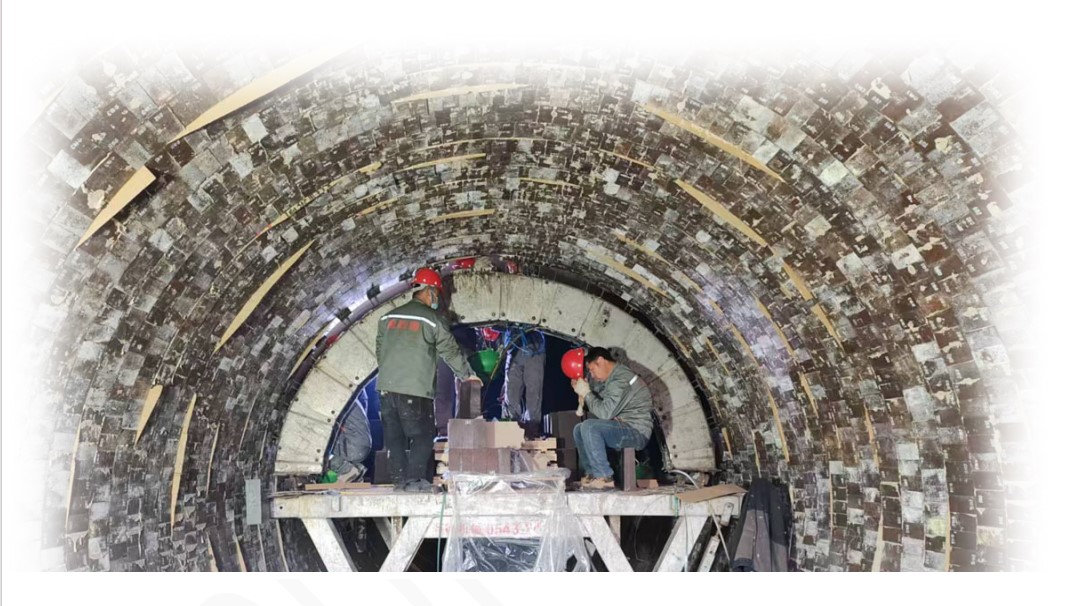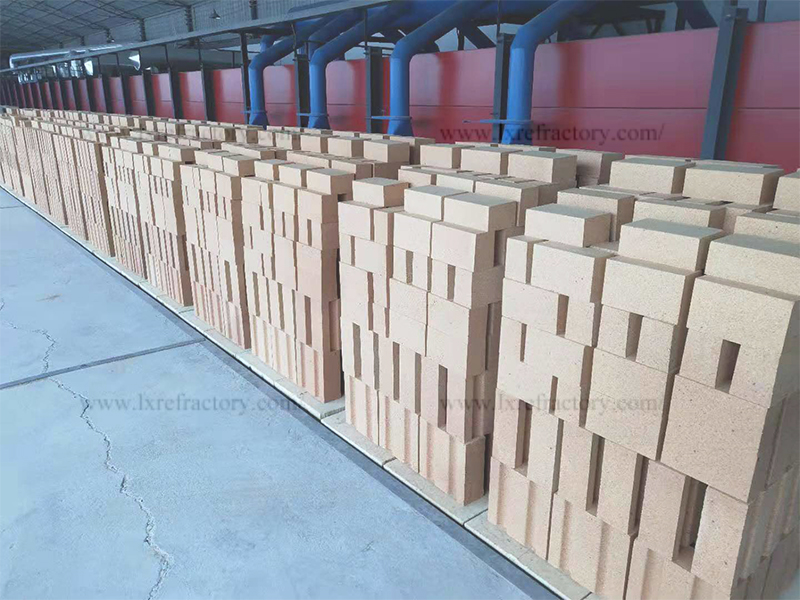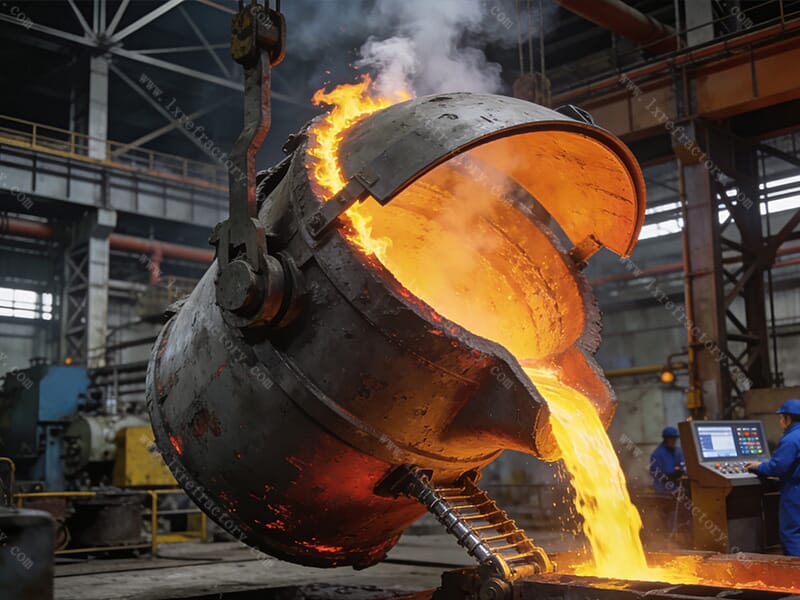
The selection of refractory bricks for different parts of a tunnel kiln depends primarily on the operating temperature and thermal regime of that section. Due to significant differences in operating conditions between the preheating zone, firing zone, and cooling zone, material selection needs to be “segmented” rather than uniform across the entire kiln.
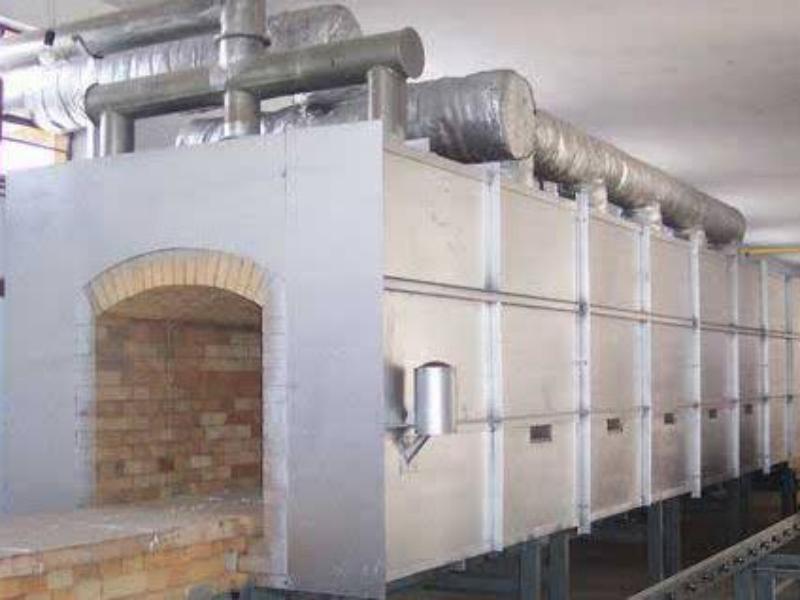
Firing Zone
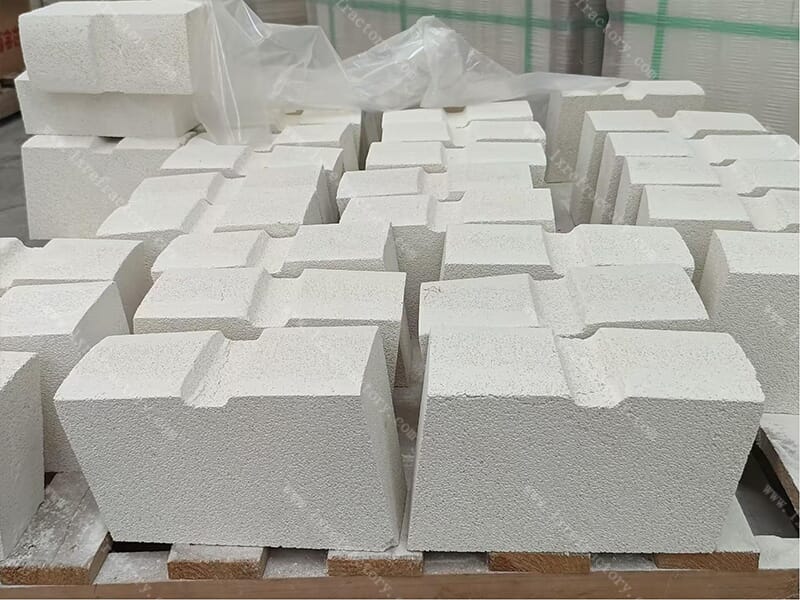
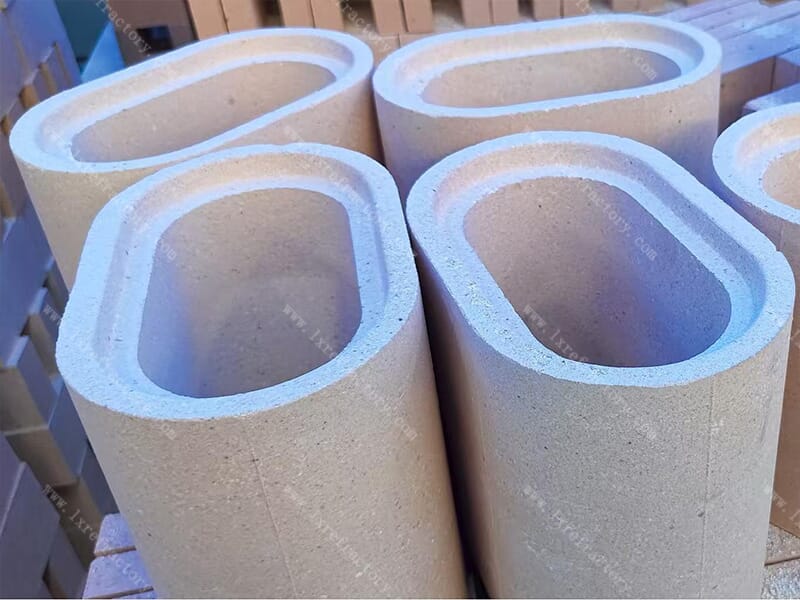
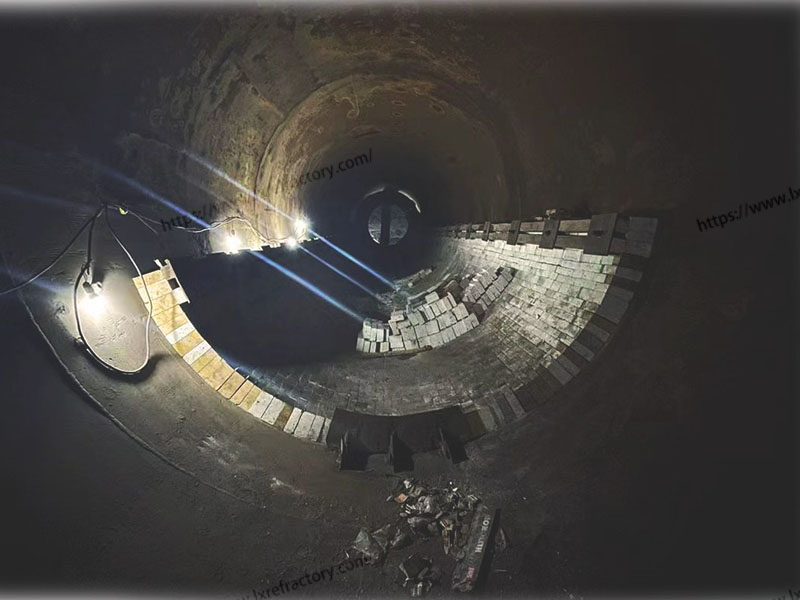
The firing zone is the area with the highest temperature and most intense chemical corrosion within the kiln, making material selection the most critical. For ordinary building ceramic tunnel kilns (below 1300℃), the inner layer of the kiln roof in the firing zone typically uses clay bricks, approximately 230mm thick, which can be thickened to 343mm if necessary. For sanitary ware insulated tunnel kilns with larger arch spans, high-alumina bricks are used, with a thickness of 250-300mm. In ultra-high temperature tunnel kilns (above 1800℃), the working lining of the firing zone arch needs to use electrofused rebonded corundum bricks, while the kiln walls use magnesia-chrome bricks to resist extreme high temperatures and corrosion. Some high-temperature tunnel kilns also use mullite bricks with good thermal shock resistance in the high-temperature zone.
Preheating Zone and Cooling Zone
The preheating zone and cooling zone have relatively low temperatures, so the requirements for refractoriness are lower, and more emphasis is placed on insulation and economy. The inner layer of the kiln roof in these two zones is usually made of clay fire bricks, with a thickness of 230mm being sufficient. The rapid cooling section of the cooling zone needs to withstand sudden temperature changes, so the ceiling structure should use refractory insulation cotton or lightweight insulating bricks, utilizing their excellent thermal shock resistance to prevent cracking.
Kiln Walls and Kiln Cars
Regarding the lining bricks of the kiln walls and kiln cars, the working layer of the kiln wall is similar to the kiln roof, using clay bricks or high-alumina bricks depending on the temperature changes in the zone. The non-working layer and outer walls can be filled with ordinary red bricks or insulation materials. The kiln car lining bricks need to withstand the load of the products and periodic temperature fluctuations, so lightweight refractory materials with low density and low heat capacity should be selected, such as lightweight clay bricks or alumina hollow spheres, to reduce heat loss.
Insulation Layer
In addition, the proper configuration of the insulation layer is equally important. Diatomaceous earth bricks or powder can be used for insulation in the preheating and cooling zones. Lightweight clay bricks, approximately 113-150 mm thick, are used in the high-temperature sections of the firing zone to balance insulation and structural stability.
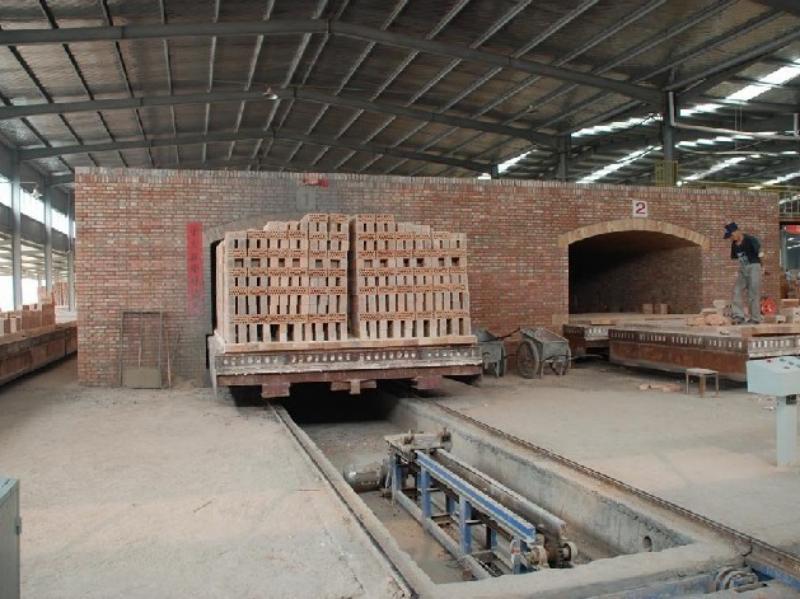
In summary, the refractory brick configuration for tunnel kilns follows the principle of “heavy, high-temperature resistant bricks in the firing zone, and lightweight, high-insulation bricks in the preheating and cooling zones.” The specific materials and thicknesses must be ultimately determined based on the actual firing temperature and kiln structure.