Corundum bricks and chrome-corundum refractory bricks look similar, but their prices differ significantly. Choosing the wrong one can significantly shorten the life of your furnace lining. This article explains how to distinguish between the two in three ways.
1. Color: The dividing line between grayish white and dark brown
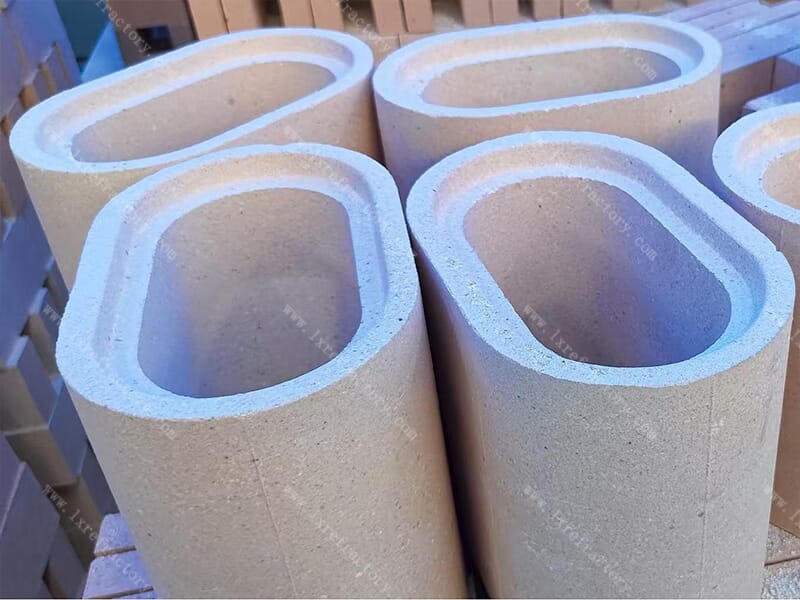
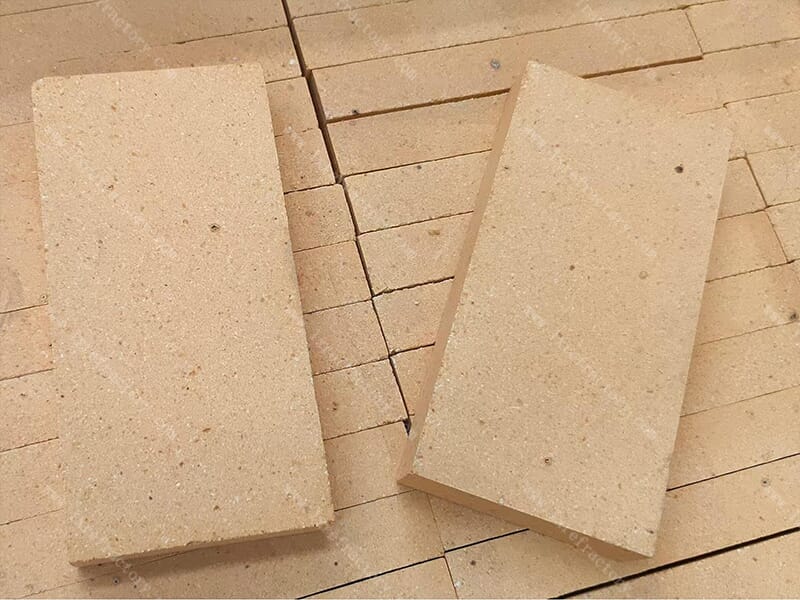
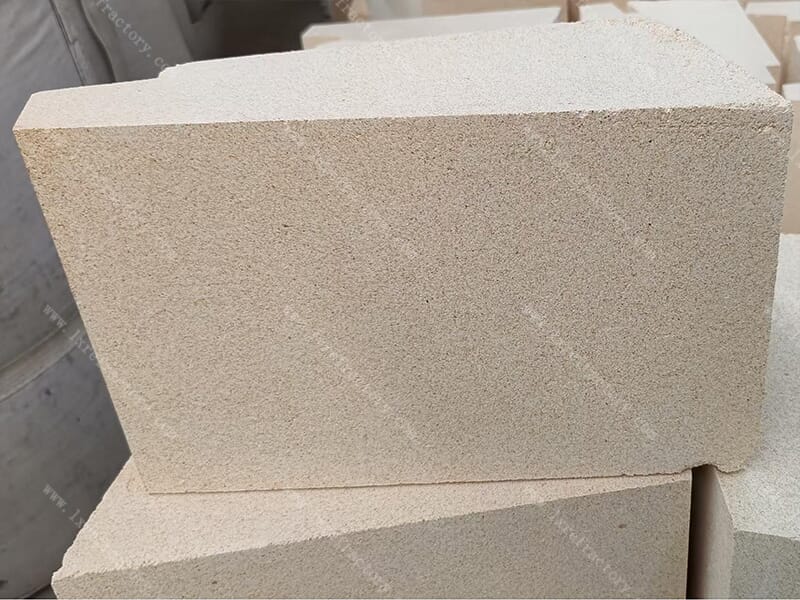
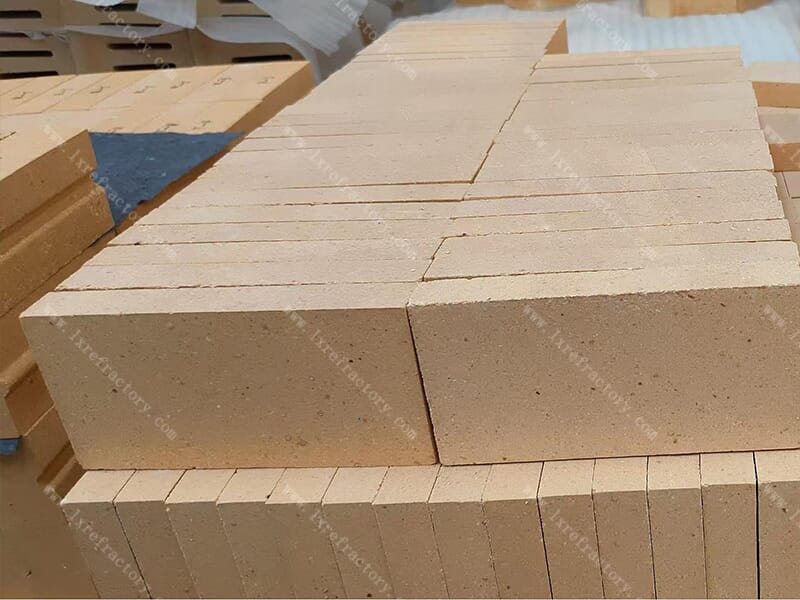
First, wipe off any dust from the brick surface and examine it directly under natural light. Corundum refractory bricks are grayish white in color, with uniform grain across the cross-section.
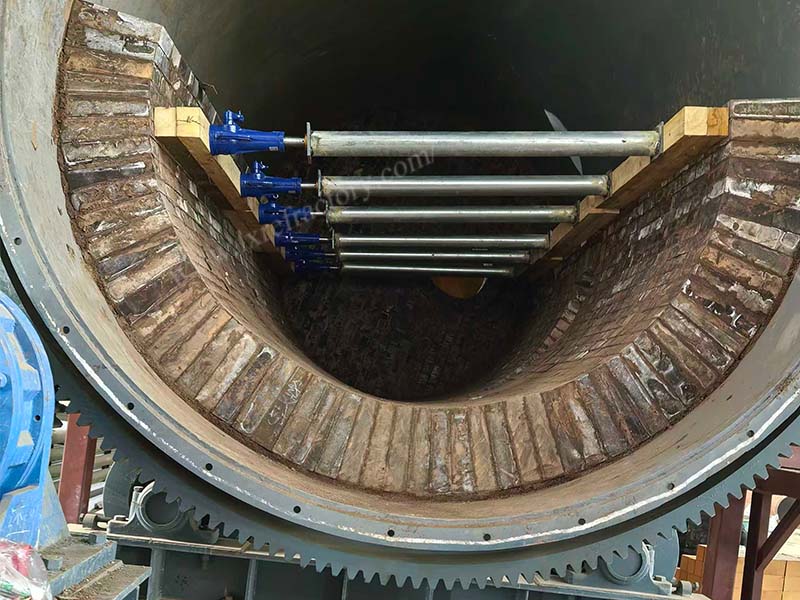
Chrome-corundum bricks are different. Due to the presence of Cr₂O₃, they appear dark brown or dark green, gradually darkening from the outside to the inside. If only partially stained, lightly sand with sandpaper for 5 mm. If the inner layer remains dark brown, this confirms that the chromium has been incorporated throughout the brick, not just superficially.
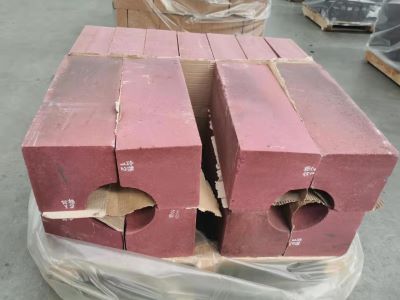
chrome-corundum-bricks
Color determination takes only ten seconds; if unsure, proceed to the next step.
2. Hardness test: File the brick with a steel file
Use the same 65 HRC steel file and apply uniform pressure in a single direction along the corner of the brick. Corundum bricks contain ≥90% Al₂O₃, and file marks are shallow and appear as a fine white powder. Chrome corundum refractory bricks, because their Cr₂O₃ hardness approaches that of corundum, produce shorter file marks and produce dark metallic shavings.
After filing, blow off the dust and run your finger over the brick. If it remains smooth to the touch, it indicates dense grains, a characteristic of chrome corundum. If it noticeably sticks to your finger, it’s most likely ordinary corundum.

corundum brick
It’s worth noting that the hardness difference between the two bricks is very slight. Therefore, it’s recommended to file three bricks at a time and take an average to minimize individual variations.
3. Harsh Operating Environments for Chrome Corundum Refractory Bricks
Due to their different performance characteristics, their applications also differ. Therefore, when selecting refractory materials, the furnace operating environment must be fully considered.
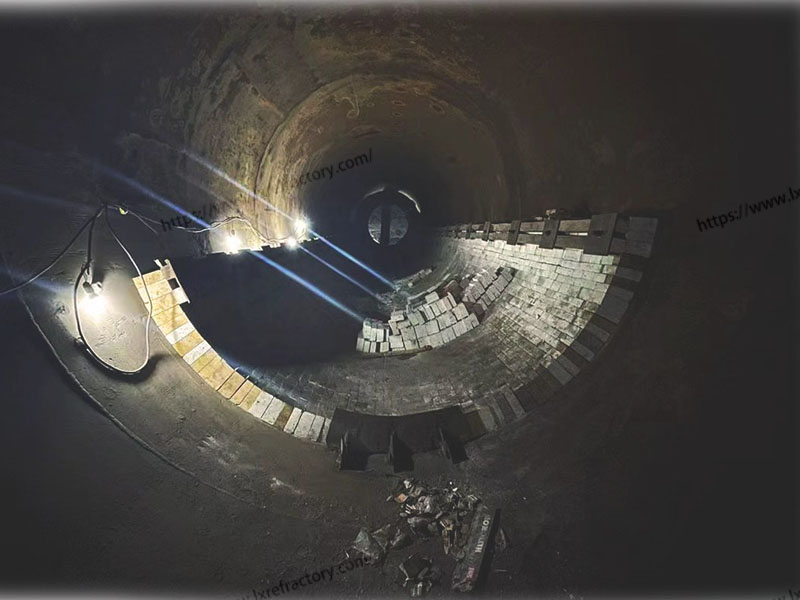
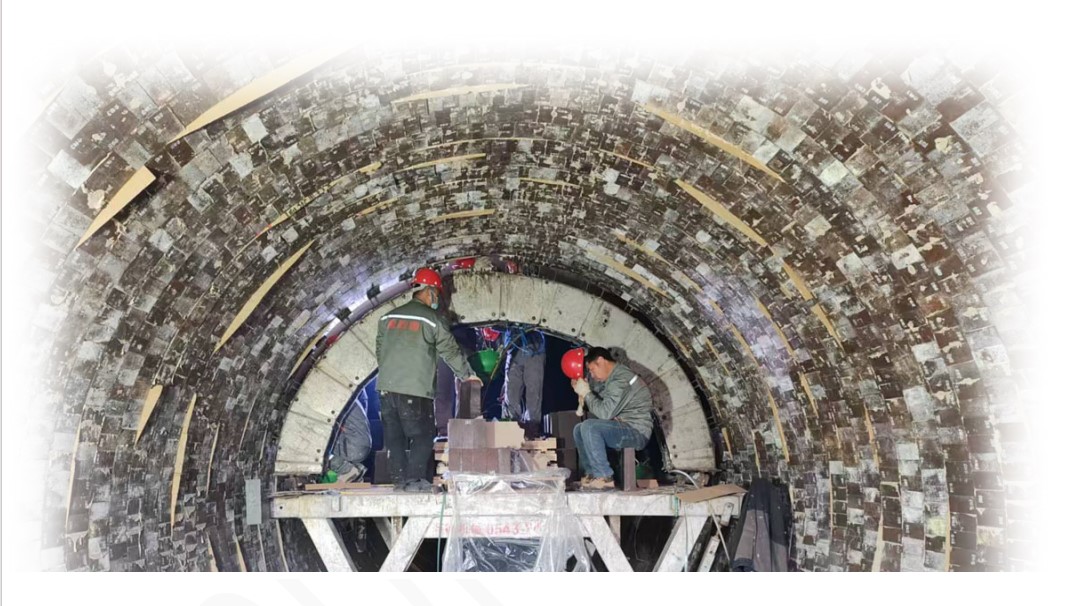
Chrome corundum refractory bricks are primarily used in areas subject to the most severe corrosion.
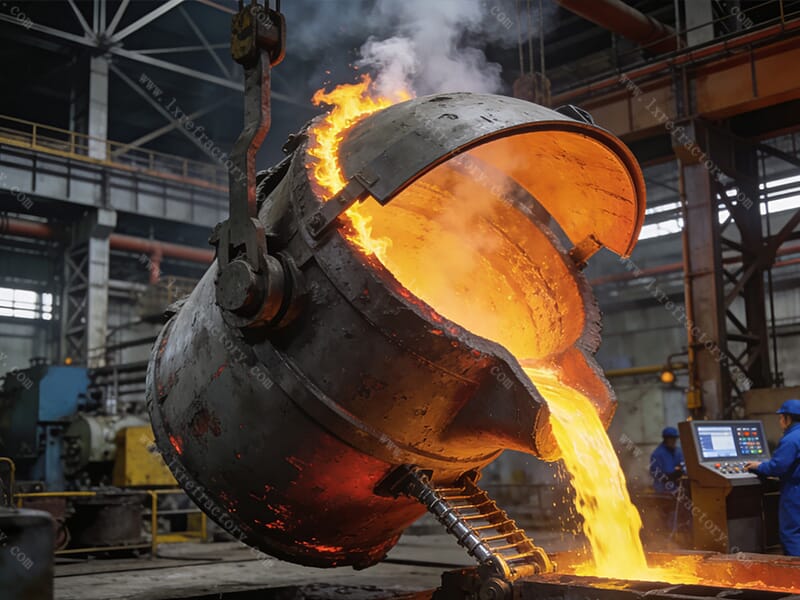
In glass melting furnaces, they are extensively used in areas directly exposed to molten glass, such as tank walls and flow channels. In the steelmaking industry, it can be used in areas such as the immersion tubes of vacuum refining furnaces (RH furnaces) and the slag lines of electric furnaces.
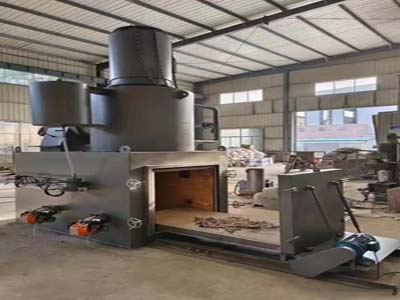
Similarly, in incinerators that process industrial waste, it can effectively resist corrosion from complex flue gases and molten salts.

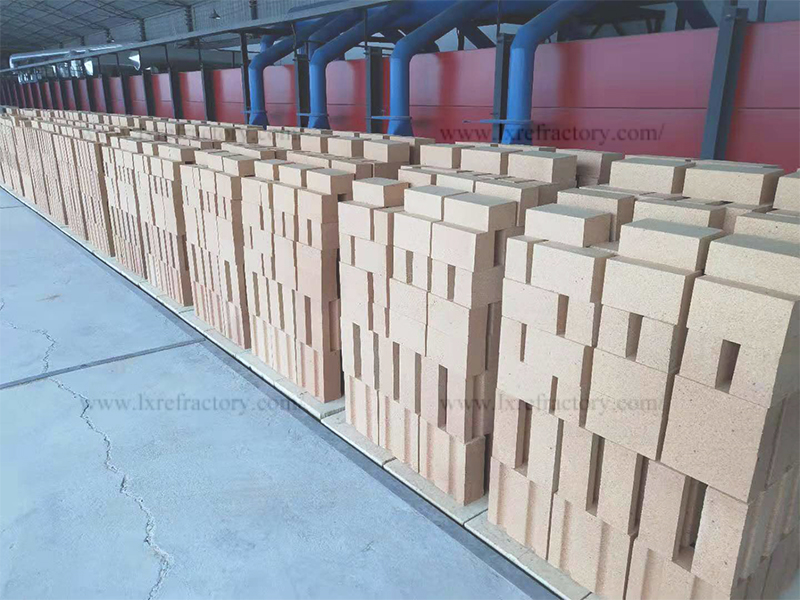
chrome corundum bricks
Ordinary corundum bricks, on the other hand, are more commonly used in areas with high temperatures but relatively low chemical attack. Examples include the superstructure of kilns, burner bricks, and non-working layers.
They are also sometimes used as an anti-oxidation protective layer for carbon bricks.
In short, by observing color, measuring hardness, and considering specific operating conditions, we can generally distinguish between corundum bricks and chrome-corundum refractory bricks.
For simple identification, these three methods are sufficient.
Of course, if a more precise determination is required, it is still necessary to consult a professional and use more precise testing methods.