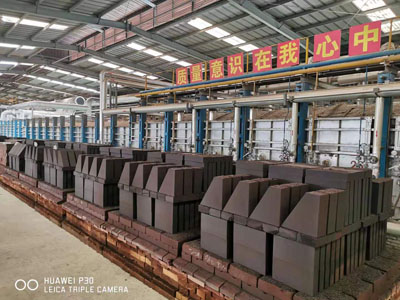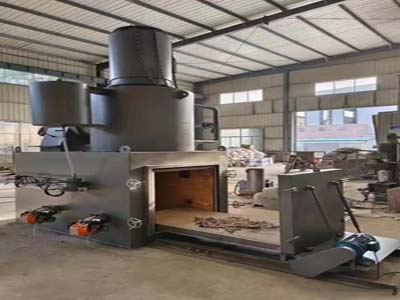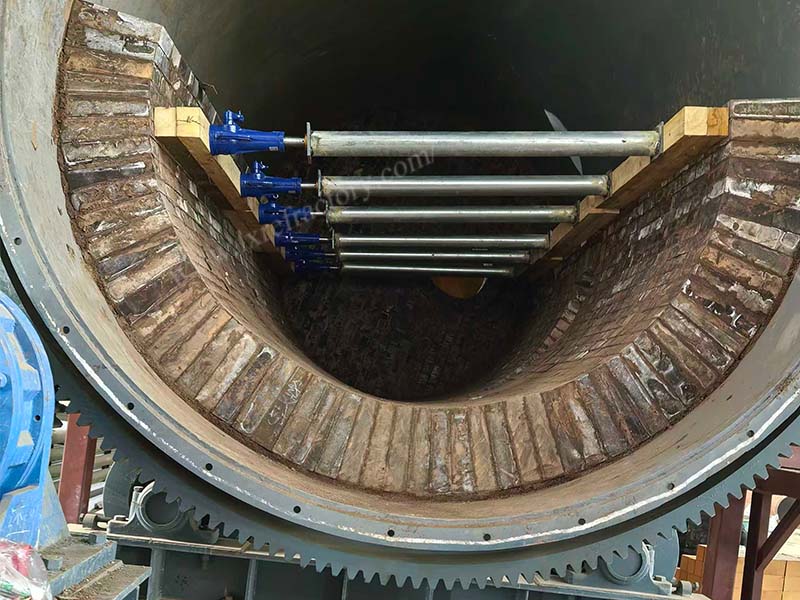
Among refractory materials, alumina is mentioned almost every day. Is it considered a kind of refractory material? One word: count, and it is widely used.
1.Why is alumina classified as a refractory material?
Let’s break down the ingredients first. The melting point of Al₂O₃ is 2050 °C, which is more than 400 °C higher than that of silica bricks. Therefore, it does not soften at high temperatures.
Let’s talk about minerals again. Corundum has a dense structure, a low thermal expansion coefficient, and few cracks when rapidly cooled or heated. At the same time, the fewer impurities, the higher the refractoriness.
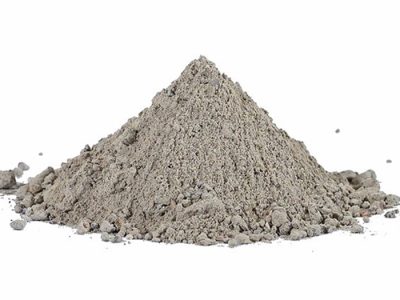
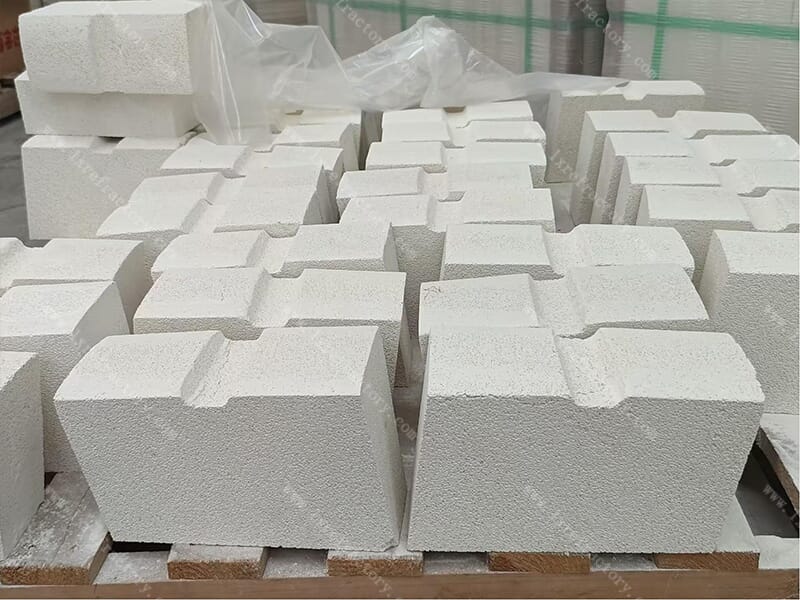
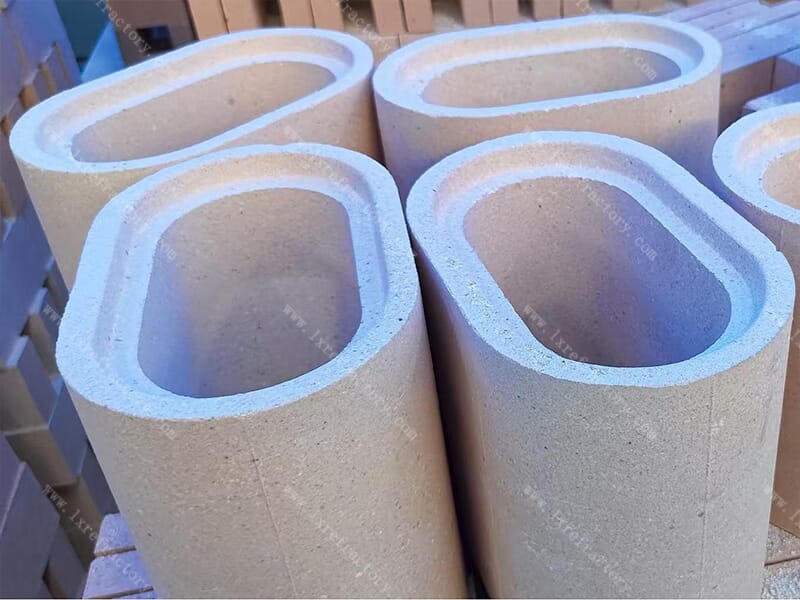
High-alumina castable
Therefore, in industry, products with Al₂O₃ content ≥90% are directly called “corundum bricks” and are classified as high-grade refractory materials.
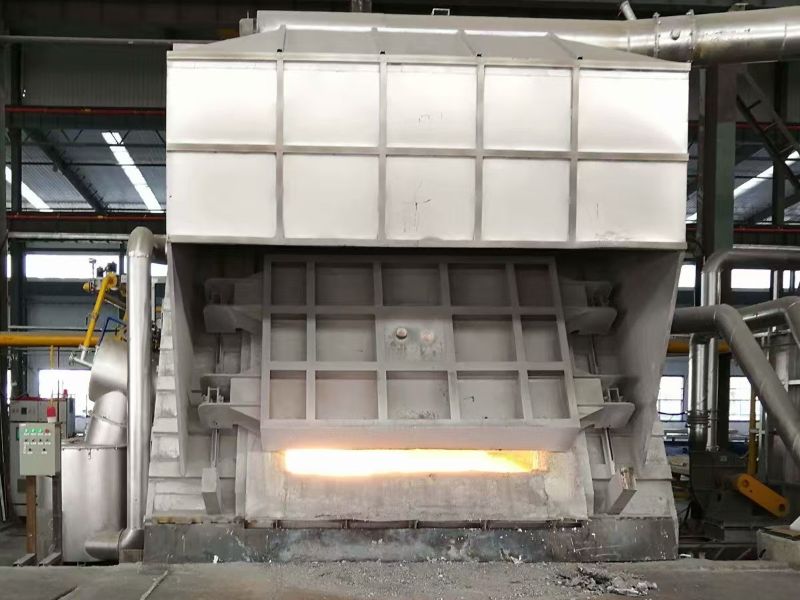
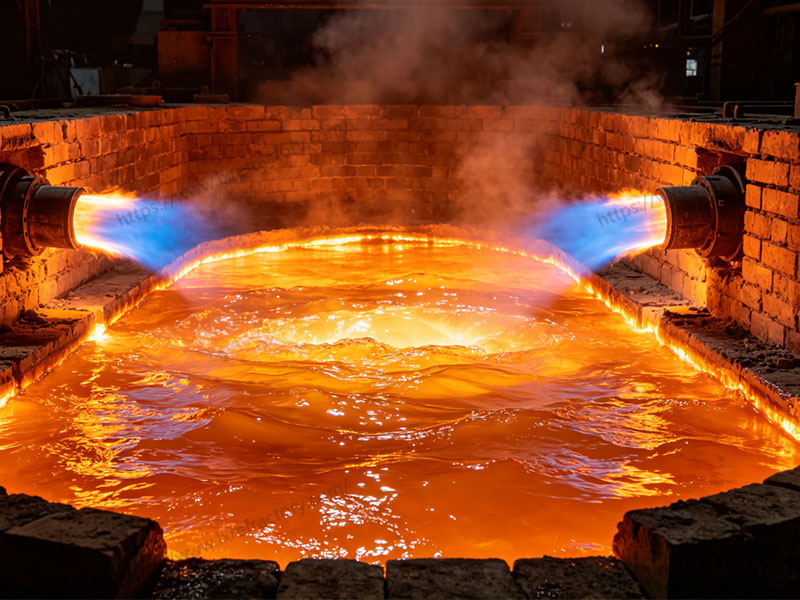
Next, let’s look at the logic. Because of its high melting point and stable structure, it can stand on the lining of kilns above 1700 °C for a long time without being penetrated by the slag. In addition, alumina reacts slowly with common slags such as Fe and Si, resulting in a low erosion rate and naturally extended service life.
In short: high melting point plus low corrosion equals typical refractory material.
2.What factors should be considered when selecting alumina bricks?
(1)Al₂O₃ content
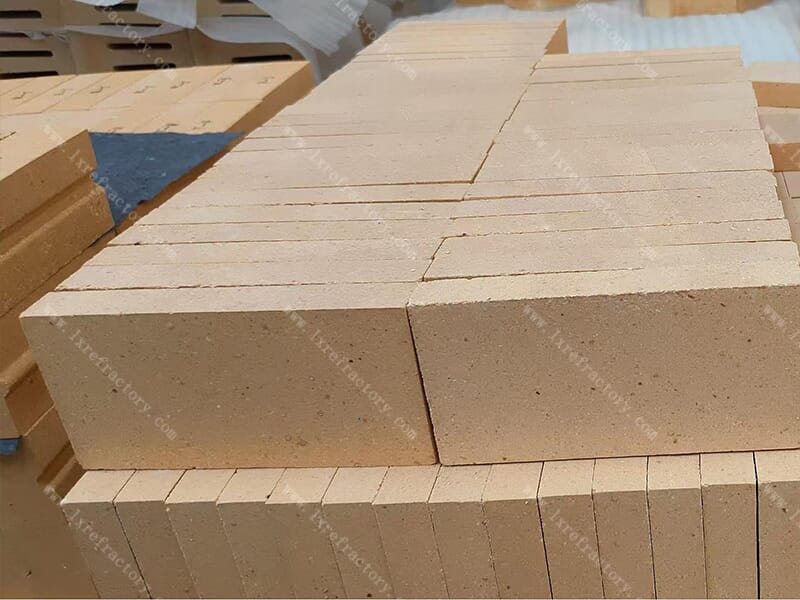
Bricks with a content of ≥48% can be called high-alumina bricks, and those with a content of ≥90% can be called corundum bricks. The higher the content, the higher the refractoriness, but also the higher the thermal conductivity, so a trade-off should be made when the furnace wall dissipates a lot of heat.

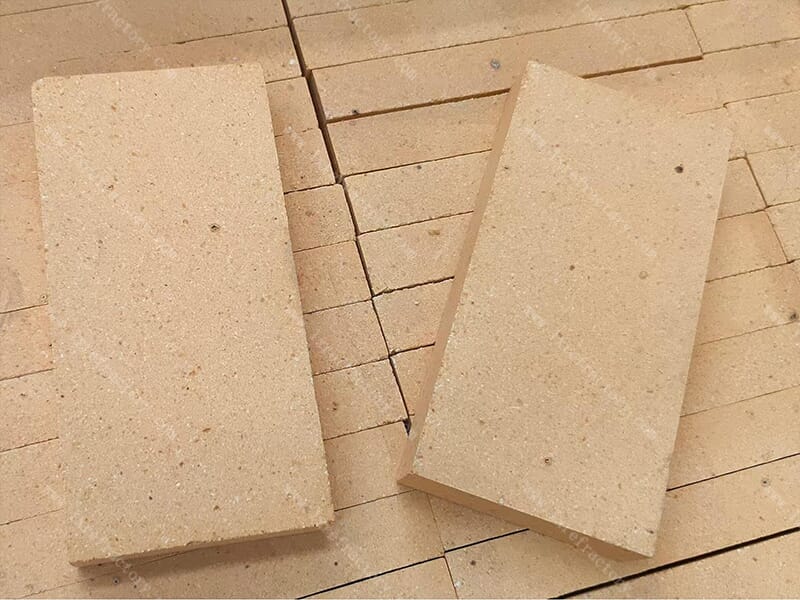
High-Alumina-Brick
(2)Bulk density
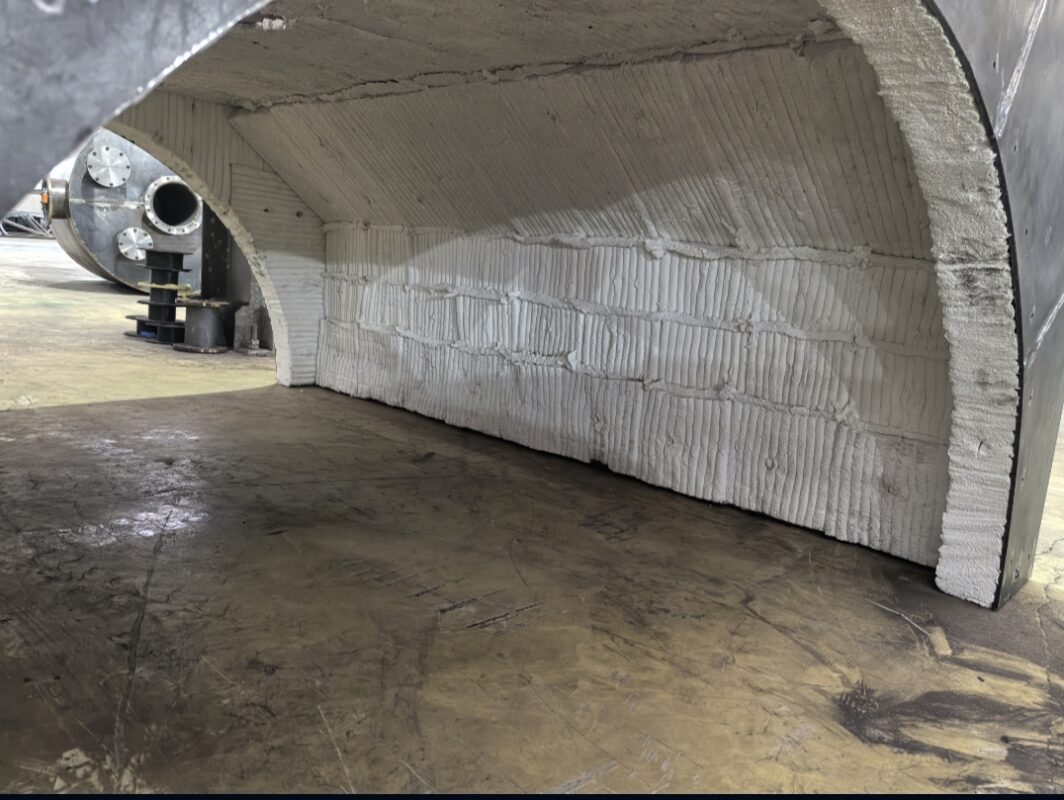
Higher density means fewer pores and better slag resistance, but it is also heavier, which increases the load on the kiln steel shell. Therefore, lightweight high-alumina bricks are commonly used in mobile kilns to reduce the density to around 1.0 g·cm⁻³, which both keeps the kiln warm and reduces its weight.
(3)Parts of use
The combustion zone has high temperature and heavy slag erosion, so corundum bricks are selected directly. The temperature in the preheat zone is low, so high-alumina bricks can be used, which immediately reduces the cost by 30%.
(4)Supply
For the same brand, different manufacturers may have different raw material particle sizes and firing temperatures, which may cause the permanent line change rate of the same brick to rise from 0.1% to 0.4%. Therefore, buying directly based on the indicators is more reliable than making verbal promises.
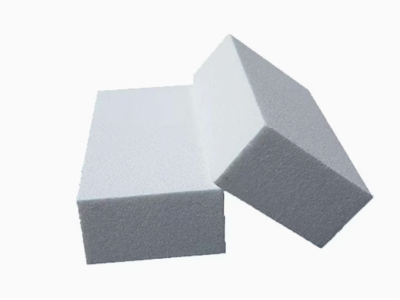
corundum brick
In short, alumina is indeed a refractory material. However, before changing “high alumina” to “corundum”, you must first check the temperature and slag type.
Choosing which refractory brick to use requires a comprehensive assessment of the kiln operating conditions and the overall budget. Therefore, a reliable refractory supplier is also crucial.
Henan Ruitai Lianxin Refractory Materials Co., Ltd. has been focusing on refractory materials for 20 years. It can not only provide customers with high-quality refractory bricks of qualified quality, but also provide the most matching kiln working condition solutions. Choosing Ruitai Lianxin means choosing strength.