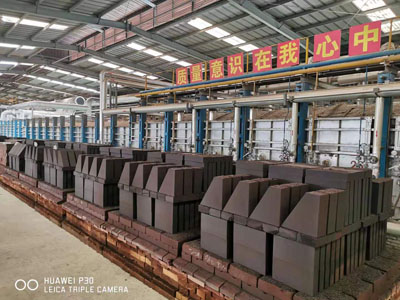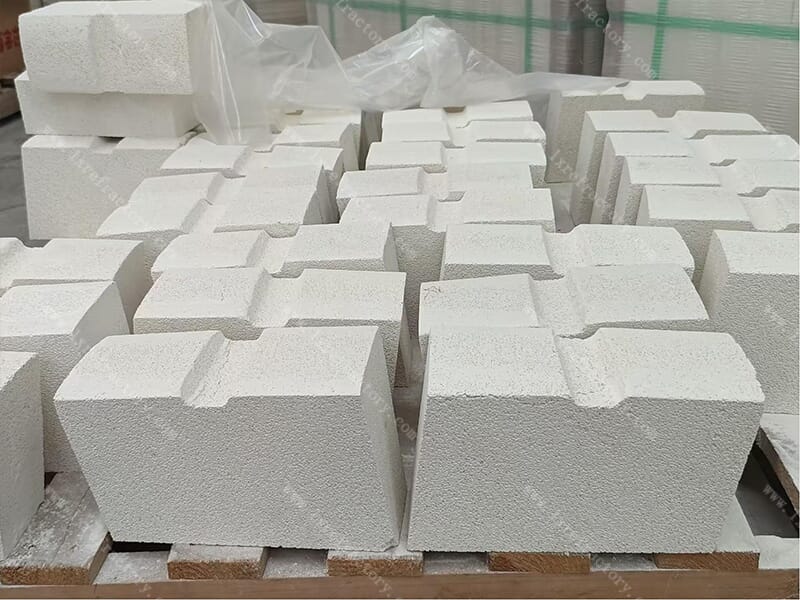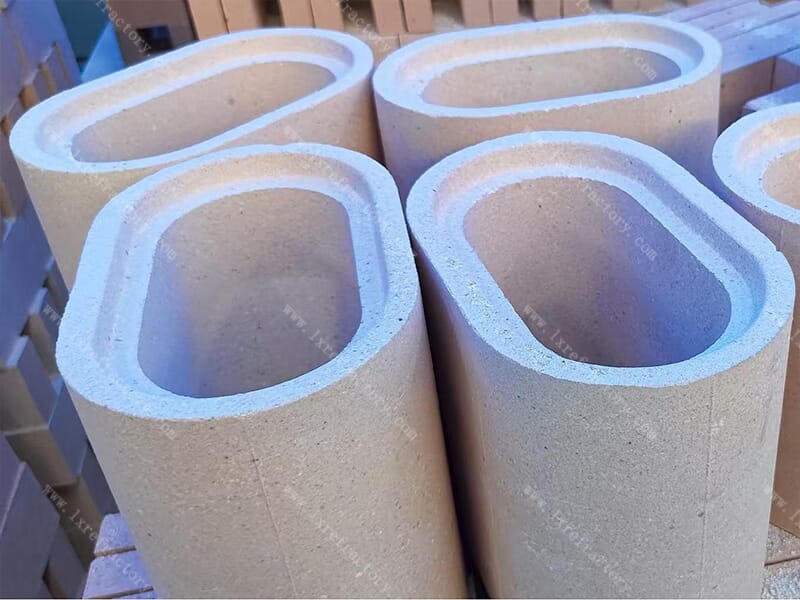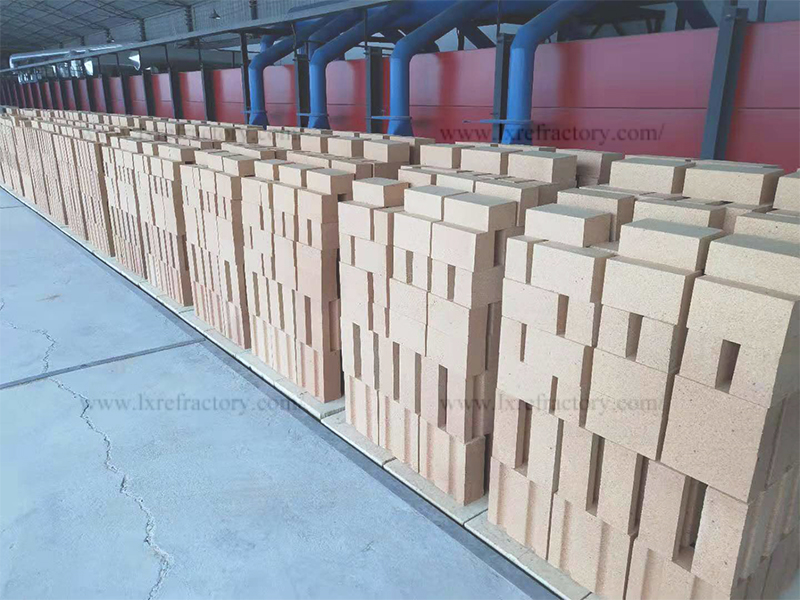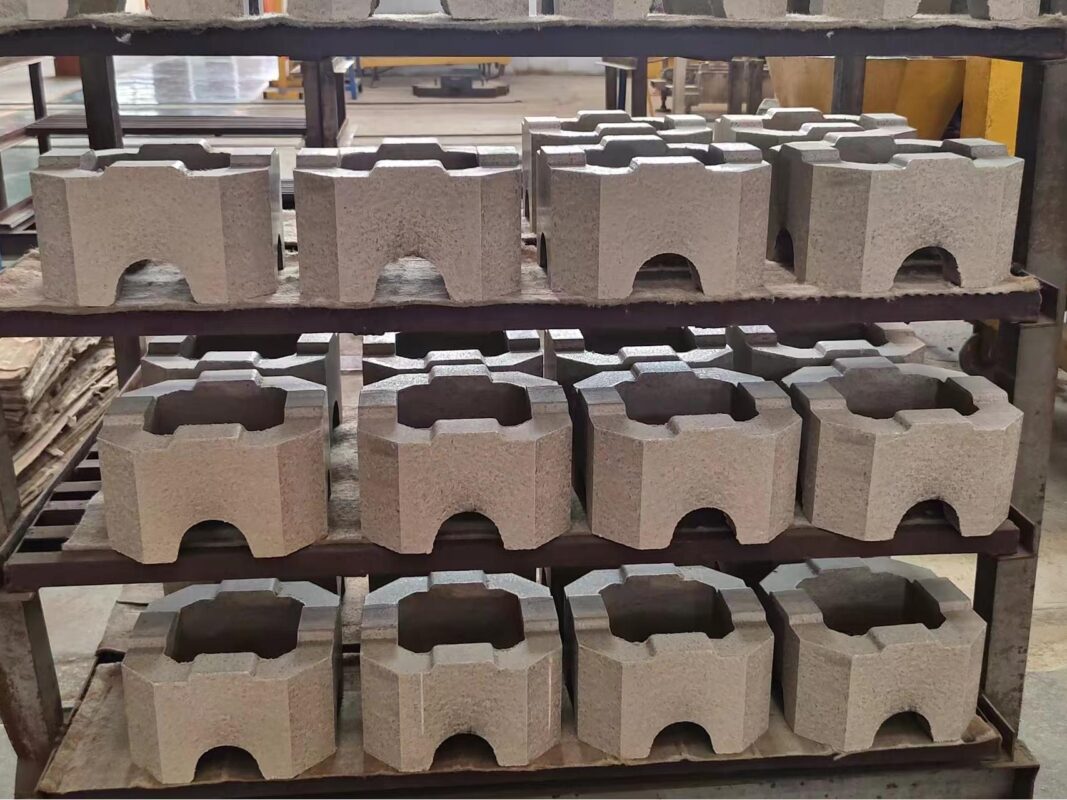
Magnesia-chrome refractory bricks are alkaline refractory bricks primarily composed of periclase (MgO) and chromite (FeO・Cr₂O₃).
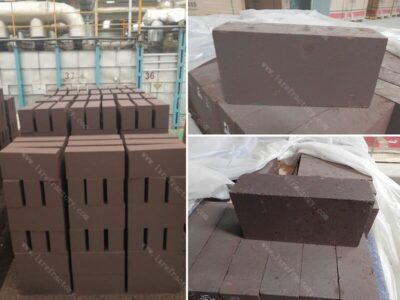
LX Magnesium chrome refractory bricks
Key Indicators:
MgO and Cr₂O₃ Ratio: Higher total MgO and Cr₂O₃ content indicates fewer impurities, resulting in stronger high-temperature resistance and erosion resistance.
Apparent Porosity and Bulk Density: Lower apparent porosity and higher bulk density indicate a denser brick structure and stronger resistance to slag penetration.
Load Softening Temperature: Directly reflects the structural stability of the brick under high-temperature pressure and is a core indicator for determining its suitability for high-temperature kiln applications.
Reheat Linear Change Rate: A value closer to 0 indicates less volume shrinkage/expansion during high-temperature use, preventing cracking at the brick joints in the kiln.
Applications:
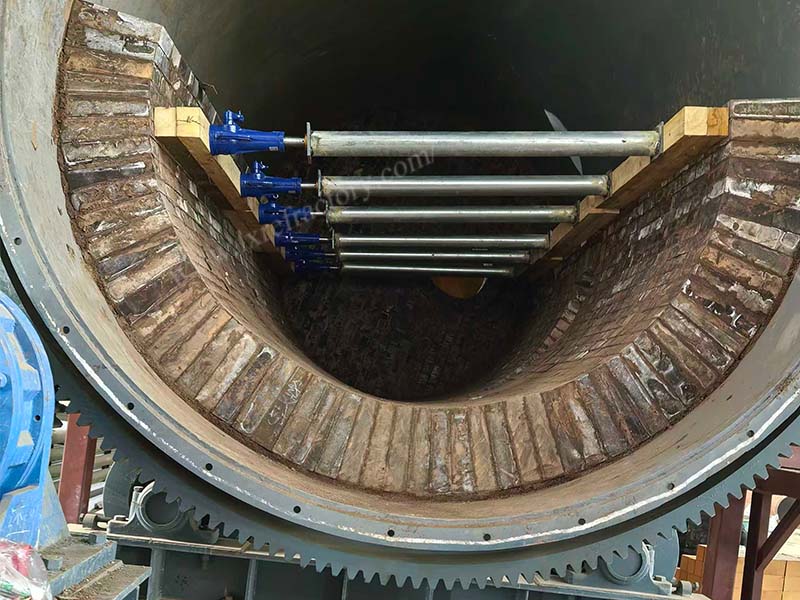
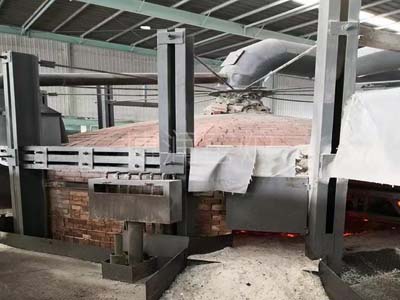
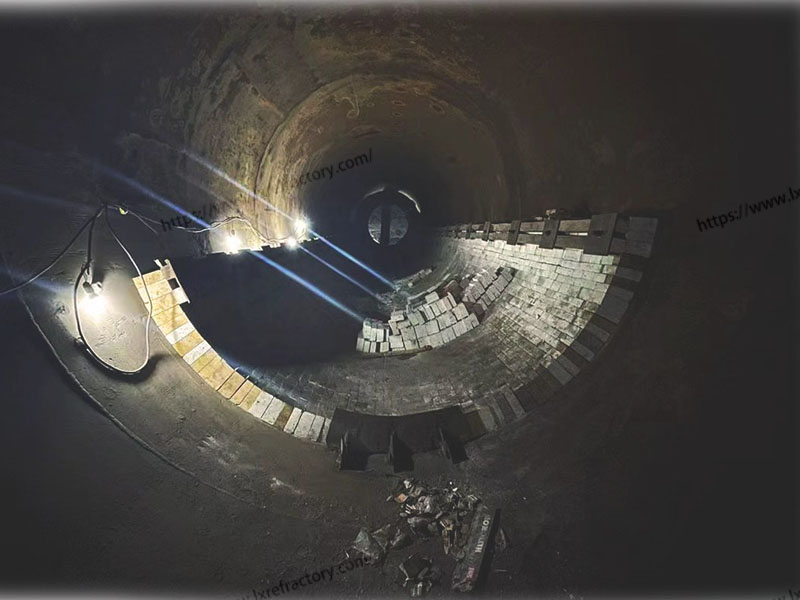
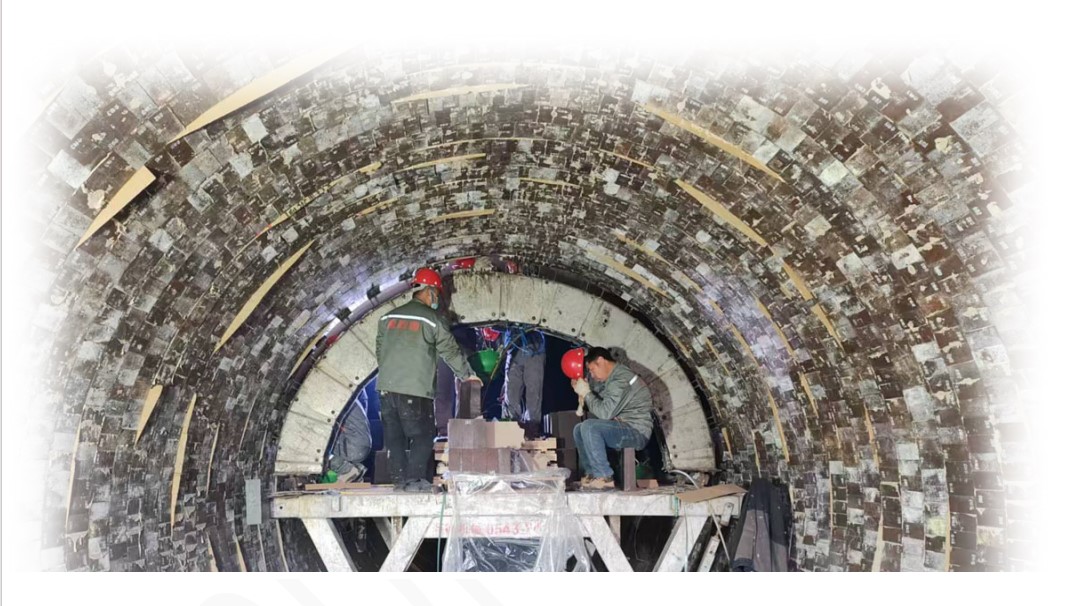
Building Materials Industry: Core components of cement rotary kilns. This is the primary application area for magnesia-chrome refractory bricks, suitable for the strongly alkaline environment of cement clinker calcination.
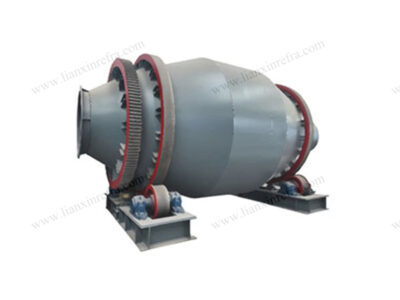
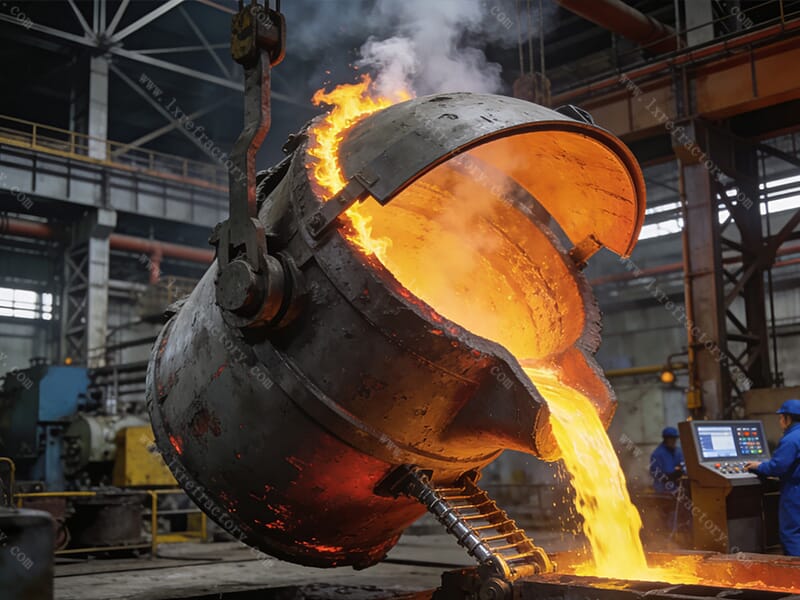
converter
Used in rotary kiln firing zones: In direct contact with high-temperature clinker (1450-1550℃) and alkaline kiln ash, resisting slag erosion, material scouring, and sudden temperature changes. High-quality magnesia-chrome refractory bricks can significantly extend the service life of the kiln body.
Used in cement kiln secondary calcining furnaces and decomposition furnace linings: Resisting high-temperature gas flow erosion and alkali metal vapor corrosion.
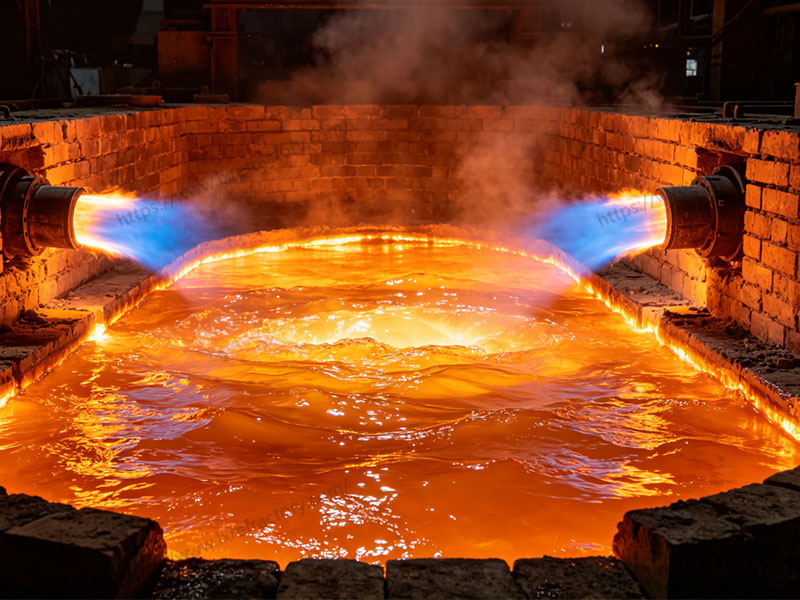
Metallurgical industry: Suitable for non-ferrous/ferrous metal smelting furnaces in strongly reducing atmospheres and alkaline slag conditions:
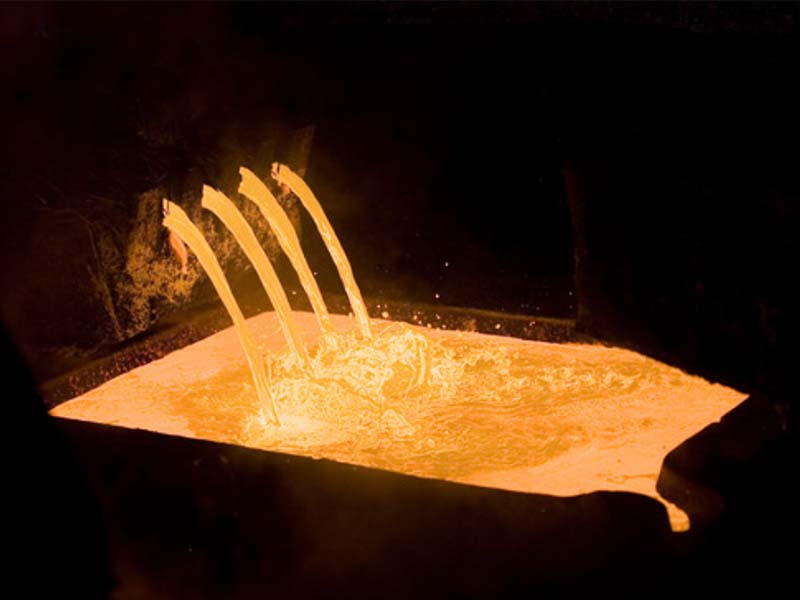
Non-ferrous metal smelting: Used in the slag line zone, tuyeres zone, and furnace linings of copper, nickel, and lead furnaces, resisting the erosion of heavy metal slag and sulfides, such as in flash furnaces and blast furnace linings.
Ferrous metal smelting: Used in the furnace walls and bottom of electric steelmaking furnaces, as well as the tapping troughs and slag troughs of blast furnaces, resisting the erosion of molten steel and iron and alkaline slag corrosion; some special magnesia-chromerefractory bricks can be used for ferroalloy furnace linings.
In the chemical industry: High-temperature reaction equipment is used as lining for chemical roasting furnaces and conversion furnaces that process alkaline materials, such as kilns for calcining magnesium salts and alkali metal compounds, resisting corrosion from high-temperature chemical media and mechanical wear.
Other special high-temperature applications include the secondary combustion chamber lining of waste incinerators, resisting alkaline fly ash and high-temperature corrosion generated during incineration; it can also be used in the regenerator grid of glass kilns, withstanding the erosion of high-temperature flue gas.