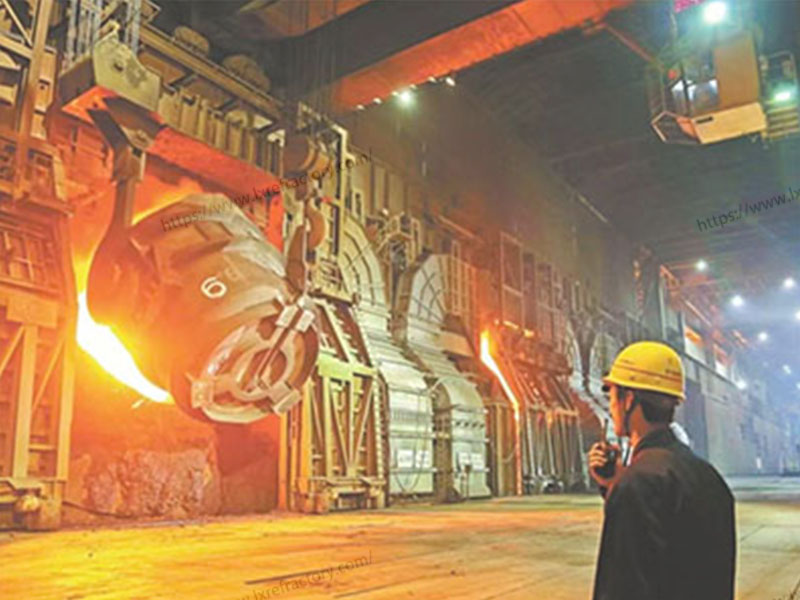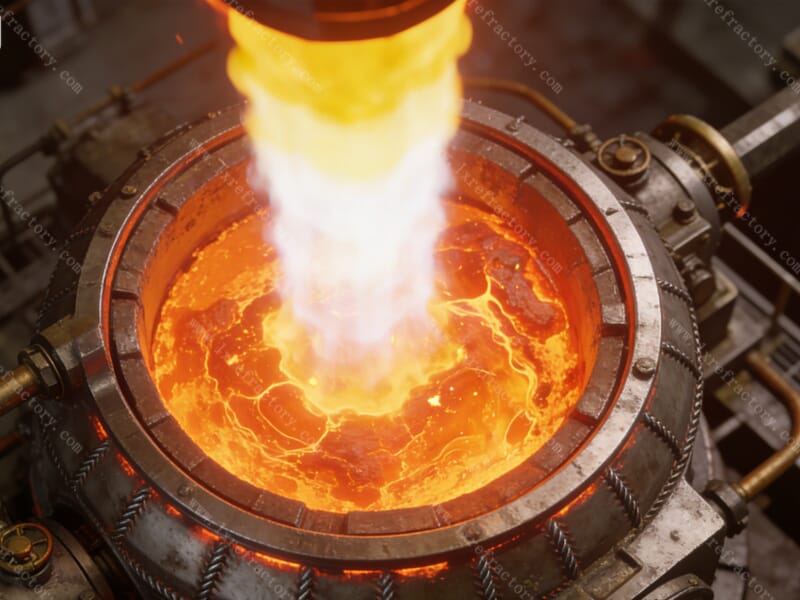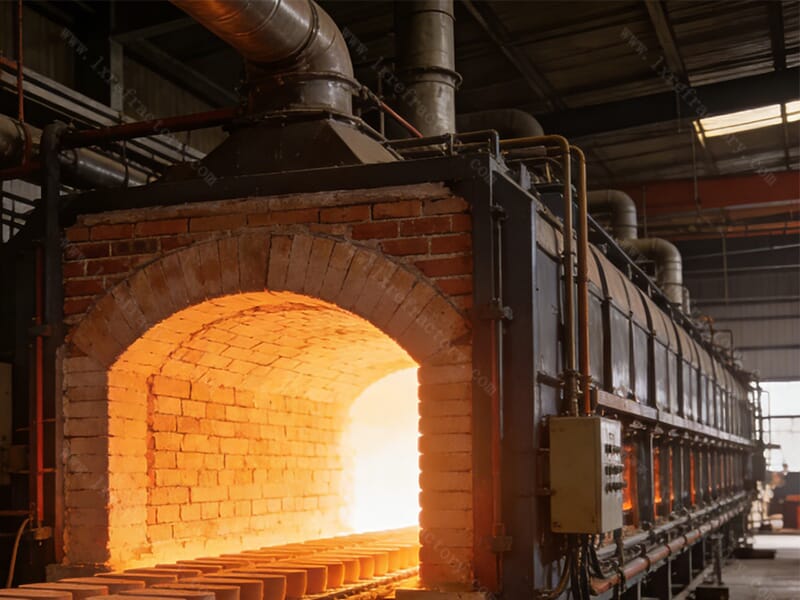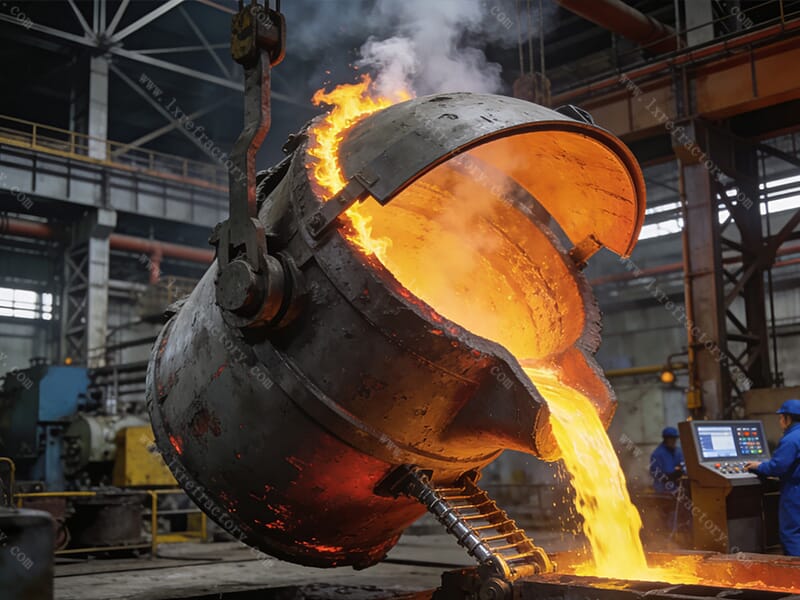
Blast furnaces, as core equipment in the steel industry, operate in extremely harsh internal environments. Refractory fire bricks are the crucial barrier protecting this “steel furnace” for longevity and efficient operation.
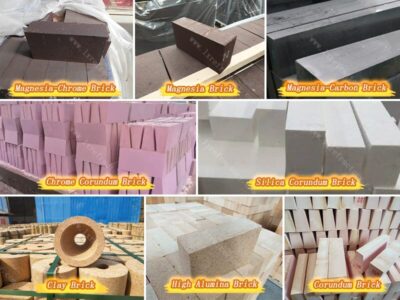
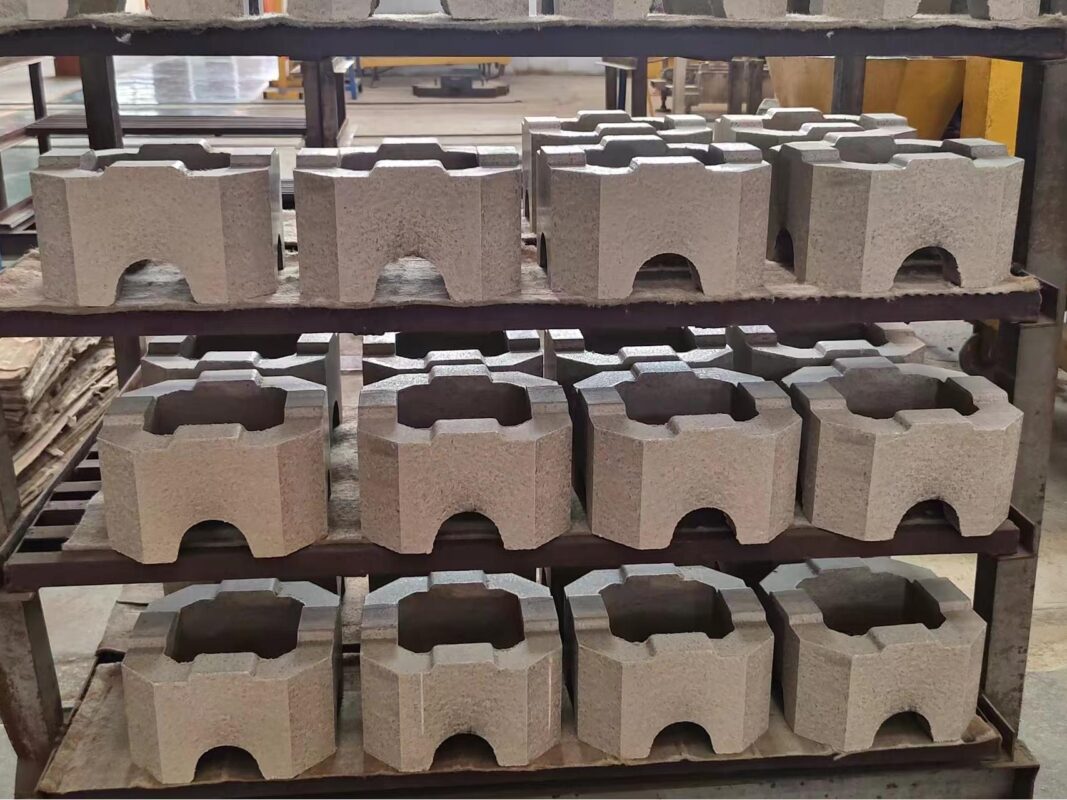
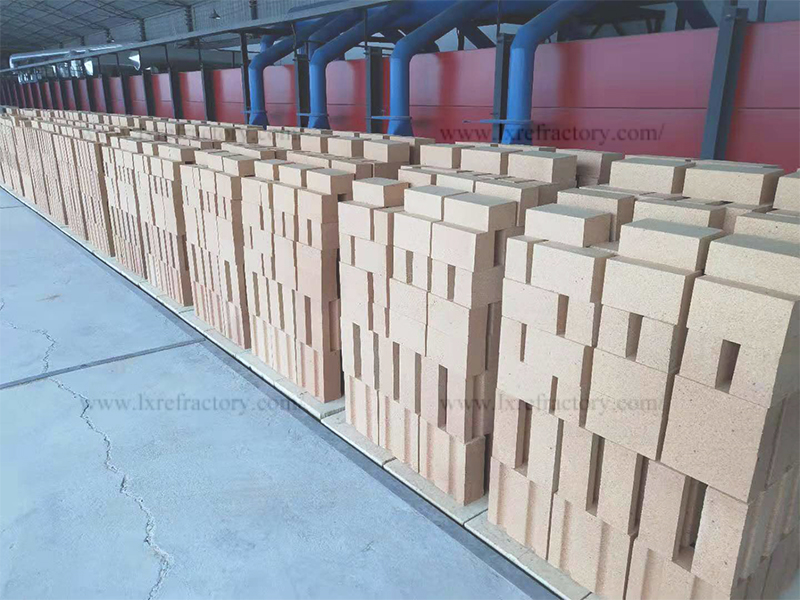
Various Refractory Bricks
Core Requirements for Blast Furnace Refractory Bricks
Different parts of the blast furnace body endure multiple challenges, including drastic temperature changes, erosion by high-temperature molten slag, scouring by molten iron, and chemical corrosion. Therefore, extremely stringent requirements are placed on the refractory materials used in their production.
1. Excellent Erosion Resistance: The refractory fire bricks must effectively resist the chemical corrosion of molten iron, slag, and alkali metal vapors, maintaining structural integrity.
2. Excellent Thermal Stability: The refractory fire bricks must withstand the rapid temperature changes caused by frequent start-up and shutdown, preventing cracking and spalling.
3. High Strength, Wear Resistance, and Good Thermal Conductivity: The lower part of the furnace body and the belly area require materials with extremely high strength and wear resistance, while the hearth and bottom require specific thermal conductivity.
Detailed Explanation of Bricks Used in Different Parts of a Blast Furnace
The blast furnace has a complex structure, and the operating conditions in each area vary significantly, requiring the selection of refractory fire bricks specifically for each area.
1. Throat and Upper Bore: This area primarily withstands material impact and erosion from gas dust. High-alumina bricks or dense clay bricks are commonly used, offering excellent wear resistance and erosion resistance.
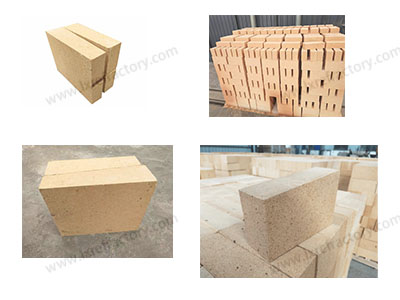
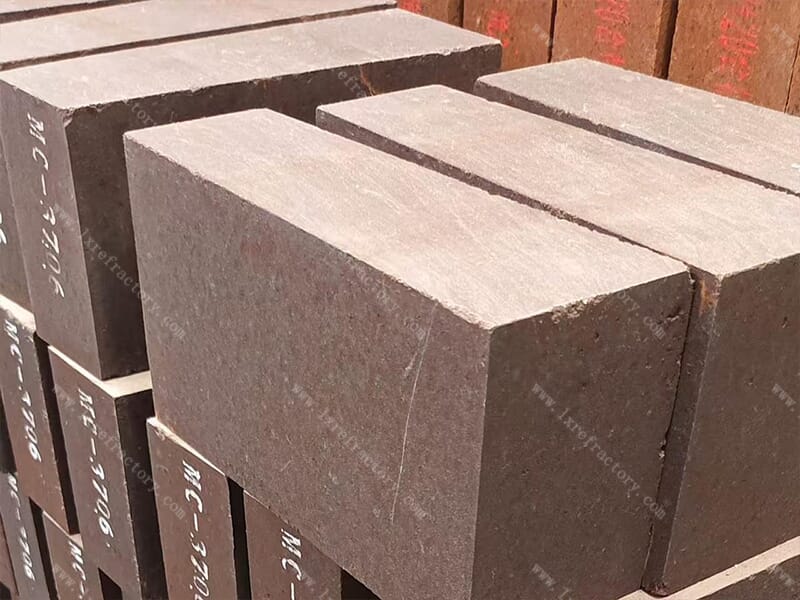
high alumina brick
2. Lower and Middle Bore and Waist: Temperatures rise here, and initial slag erosion and alkali metal circulation begin. High-quality silicon carbide bricks are ideal, as their high thermal conductivity, high strength, and excellent resistance to alkali erosion effectively protect the furnace lining.
3. Belly: This area experiences extremely high temperatures and is subject to intense erosion from molten slag and iron. High-thermal-conductivity copper cooling walls combined with high-performance refractory castables are widely used, or corundum-mullite bricks with excellent resistance to slag-iron erosion are employed.
4. Hearth and Bottom: This is a critical area in contact with high-temperature molten iron. Modern blast furnaces commonly use ultra-microporous carbon bricks or ceramic cup structures. Microporous carbon bricks effectively prevent molten iron penetration, while composite brown corundum bricks are commonly used to construct robust ceramic cup walls.
Henan Ruitai Lianxin: Experts in Precise Matching
Faced with the stringent requirements of different parts, Henan Ruitai Lianxin Refractory Materials Co., Ltd., leveraging its profound technical expertise, provides precise blast furnace lining solutions.
Core Advantages:
Precise Product Matching: From the throat to the bottom, Ruitai Lianxin offers a full range of products, providing optimal refractory brick selection for each part.
Technological R&D Strength: The company’s refractory materials R&D center continuously tackles key challenges, ensuring leading product performance.
Advanced Production Process: Automated production lines ensure consistent product quality.
Partnering with Ruitai Lianxin to Build a Solid Future
The longevity and efficiency of a blast furnace begin with precisely matching the most suitable refractory fire bricks to each part. Choosing a professional partner is crucial insurance for your production safety and profitability.
Henan Ruitai Lianxin Refractory Materials Co., Ltd. is committed to providing global steel companies with a full-process service from precise material selection to construction guidance. Whether you need to construct a new blast furnace or overhaul and maintain an existing one, our technical team can provide you with professional support.
Contact us today to obtain customized refractory material solutions and detailed product information for each part of your blast furnace. Let us use our expertise and craftsmanship to protect every inch of the blast furnace lining and build a more efficient and long-lasting steel future!