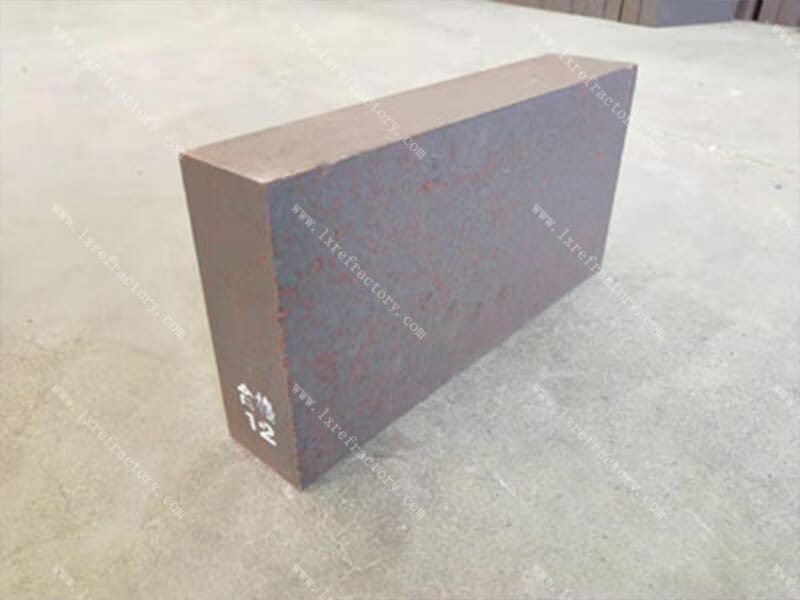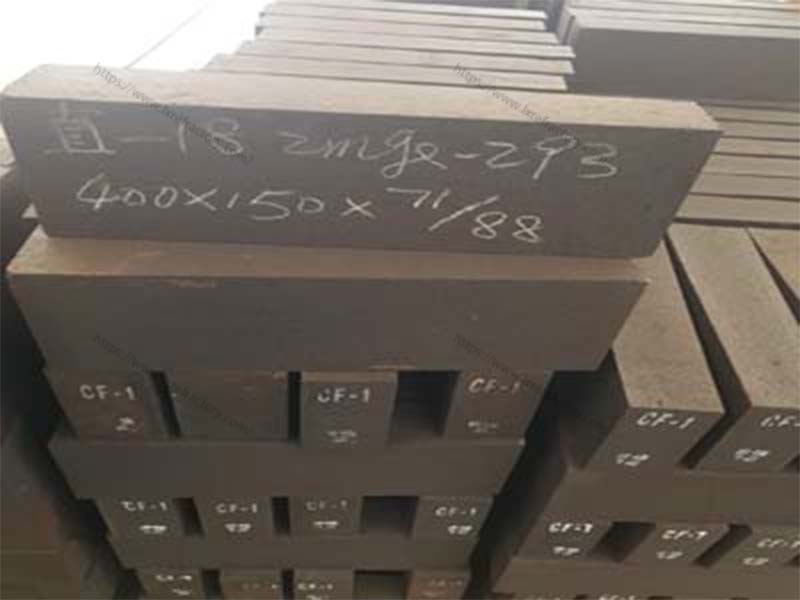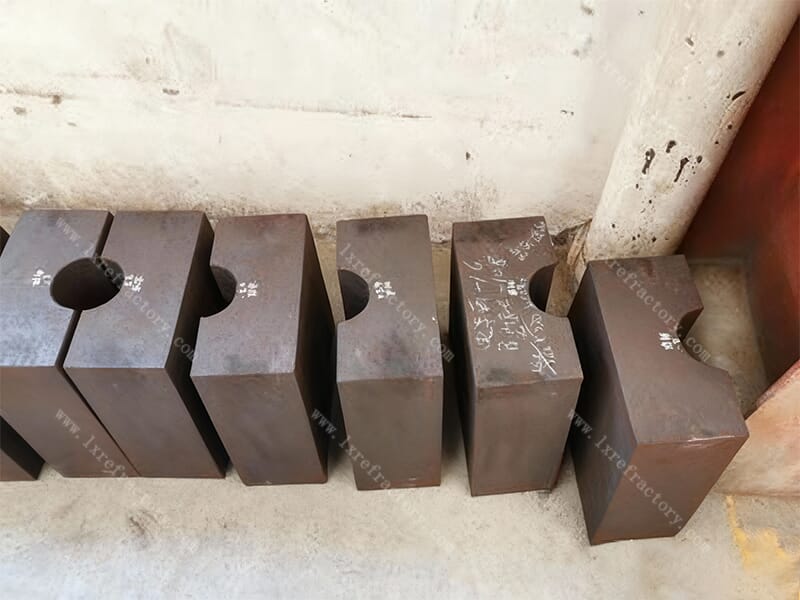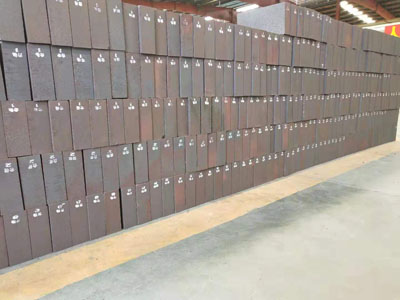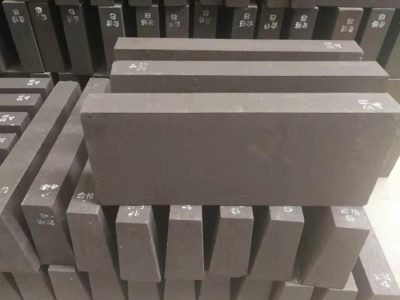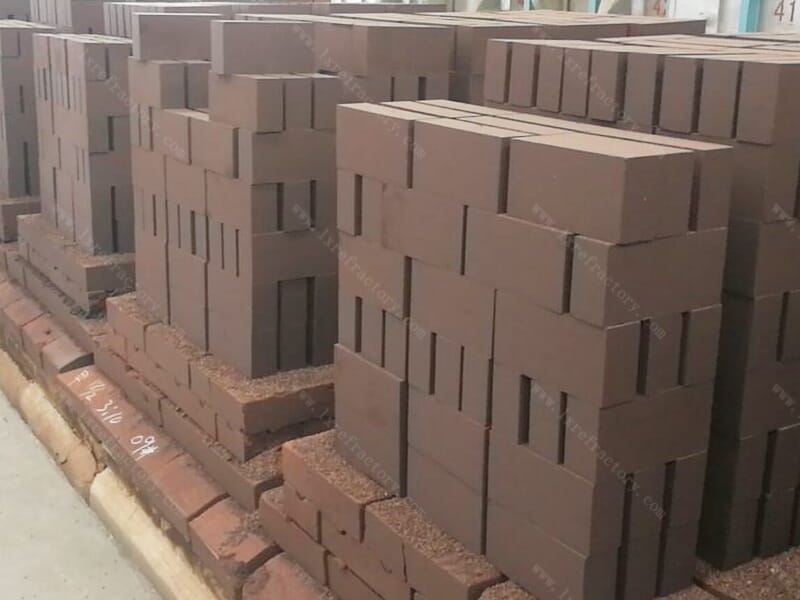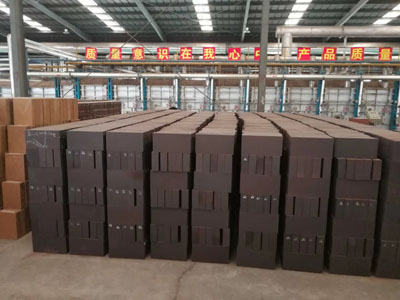
The price of magnesia chrome bricks is not fixed but is the result of multiple factors, including raw materials, processing technology, performance, supply and demand, and environmental policies. Its pricing mechanism exhibits a typical characteristic of “cost + performance premium + market adjustment,” with significant price differences between different grades of products.
1. Upstream Raw Material Costs
The core raw materials for magnesia chrome bricks are sintered magnesia and chromium ore. Chromium ore, due to its uneven resource distribution and significant quality variations, has a particularly significant impact on price. For example, the raw material cost difference between Indian chromium concentrate with a Cr₂O₃ content as high as 56.80% and low impurities and Philippine chromium ore with a Cr₂O₃ content of only 34.96% is significant. Furthermore, the purity (MgO content) and impurity content (SiO₂, CaO, etc.) of magnesia directly affect the formulation cost. Fluctuations in the raw material market directly impact the end product.
2. Differences in Production Processes and Technological Routes
Magnesia chrome bricks can be classified into chemically bonded (unfired), directly bonded, and cast types according to their processing technology. Chemically bonded bricks eliminate the high-temperature firing process, resulting in the lowest energy consumption and manufacturing costs, but their performance is relatively limited, making them an economical choice. Directly bonded bricks, on the other hand, require high-temperature firing at 1550-1700°C, leading to high energy consumption, difficulty in controlling yield, and significantly increased costs. Fused cast magnesia chrome bricks require electric arc furnace melting, consuming the most energy, having the highest technical threshold, and being the most expensive.
3.Product Performance Indicators
Cr₂O₃ content is a core pricing indicator. Data shows that QMGe20 (approximately 22% Cr₂O₃) typically has higher performance and cost than QMGe6 (approximately 7% Cr₂O₃). Furthermore, parameters such as apparent porosity, compressive strength, and load softening temperature are also crucial. High-purity, low-porosity, and high-strength products better resist slag erosion and high-temperature scouring, meeting the stringent working conditions of industries such as steel, non-ferrous metals, and cement, naturally commanding a higher premium.
4.Market Supply and Demand and External Environment
Overall market demand is closely related to the prosperity of downstream industries such as steel and cement. At the same time, this industry faces strict environmental regulations, especially the investment in hexavalent chromium pollution control, which increases compliance costs for enterprises. In addition, brand premium, supply stability, and changes in supply chain costs caused by tariffs and international trade frictions are also important factors affecting the magnesia chrome brick final transaction price.