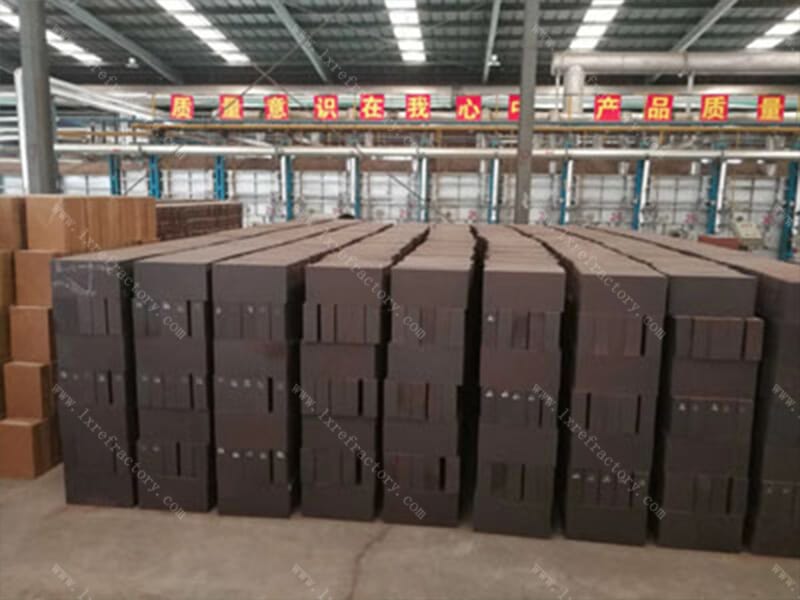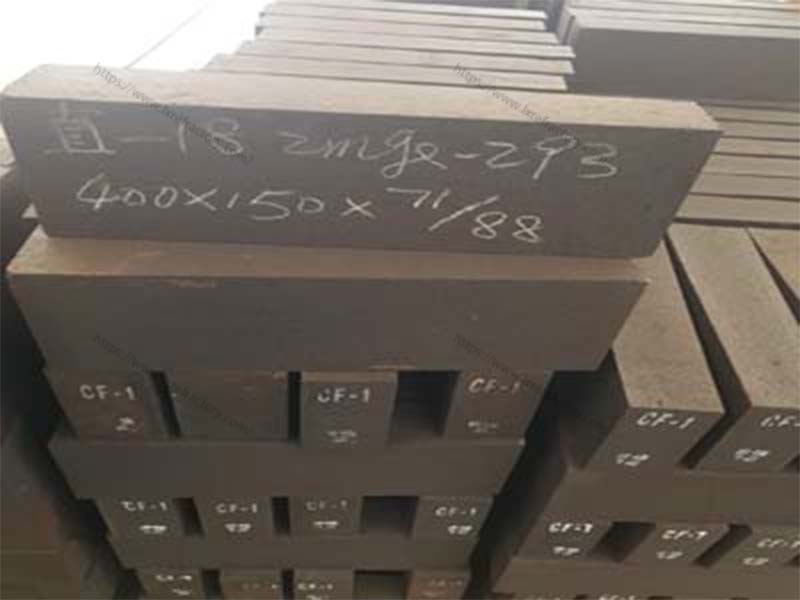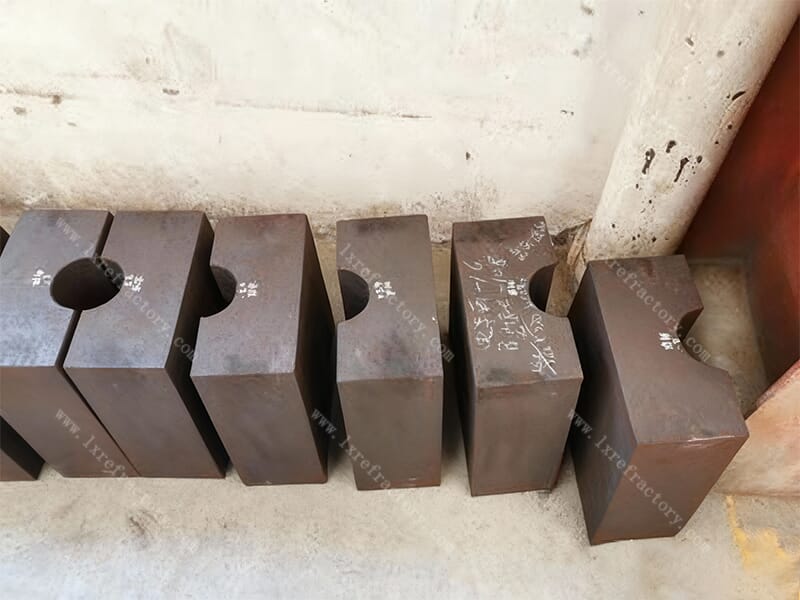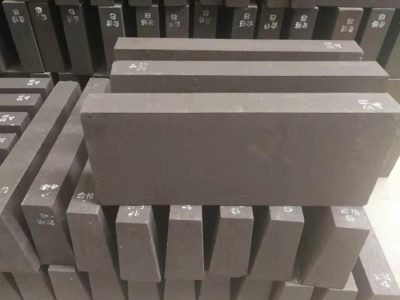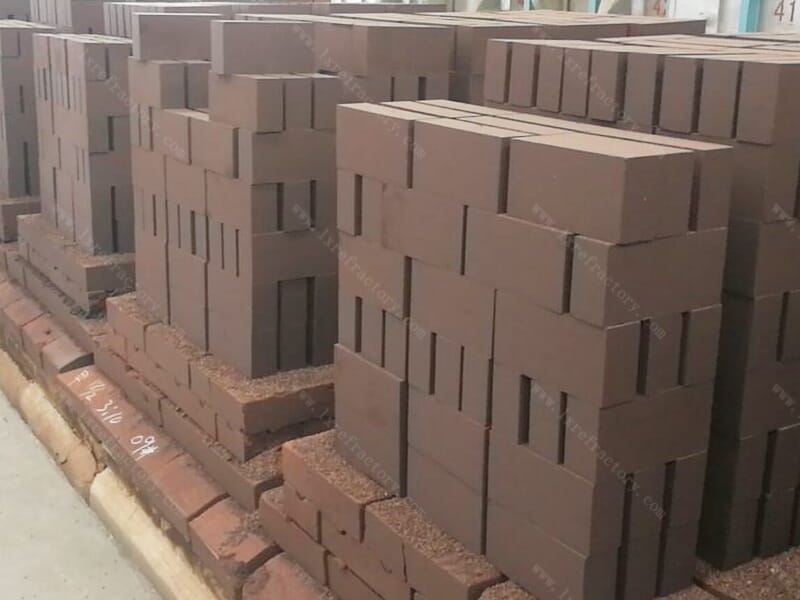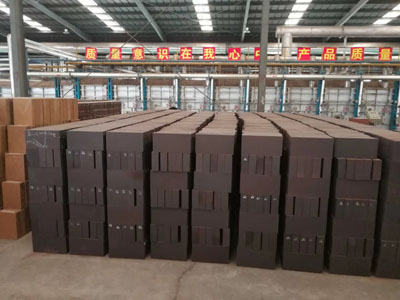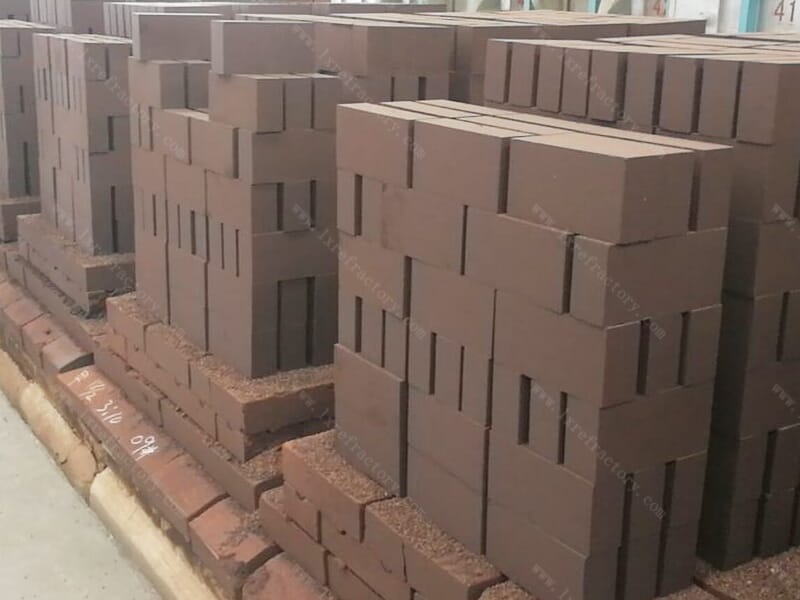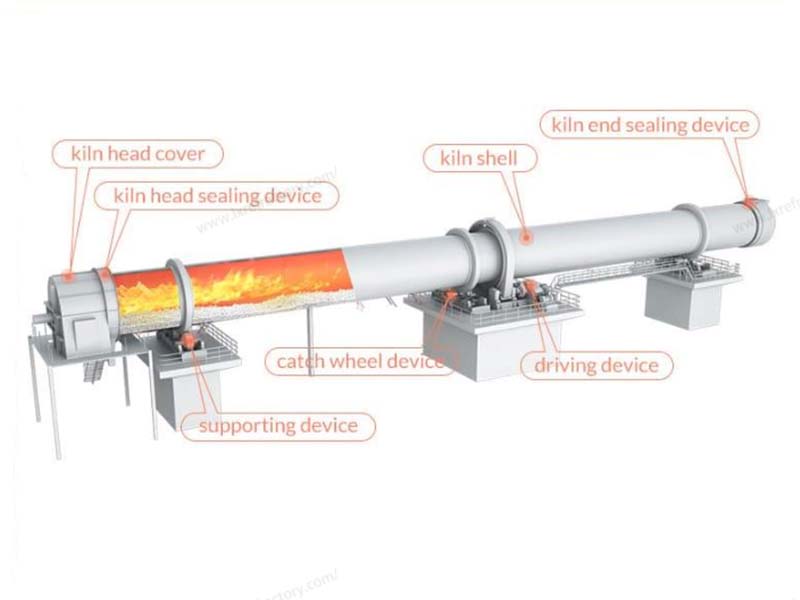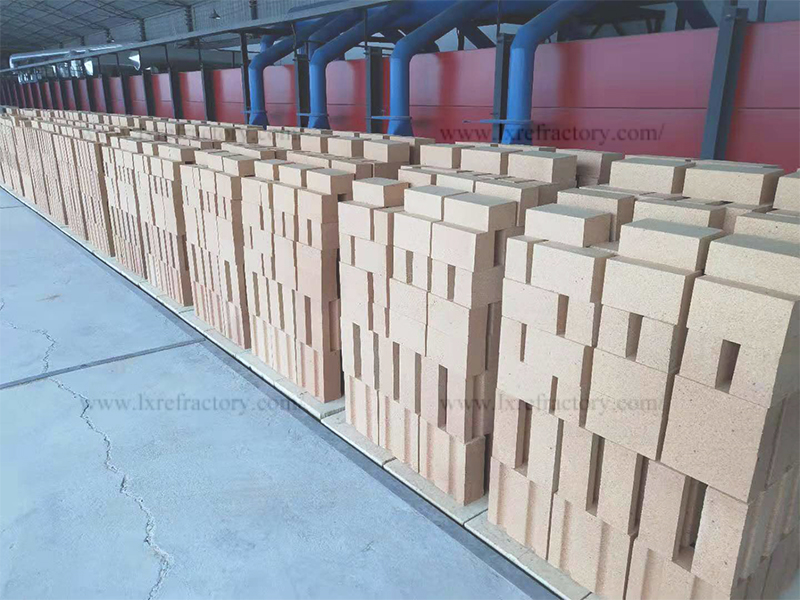
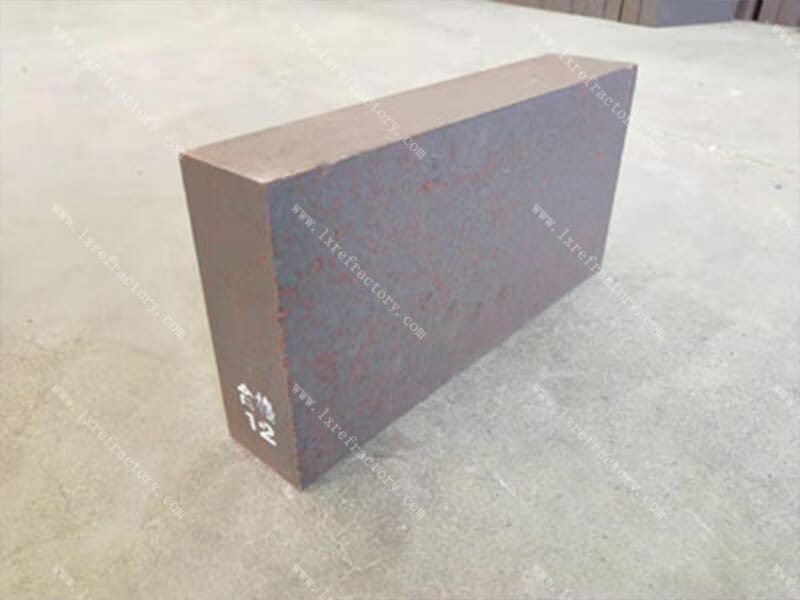
Magnesia chrome bricks have the advantages of high refractoriness and strong resistance to alkaline slag erosion, and were once a key material in the firing and transition zones of cement rotary kilns. However, improper use can easily lead to problems such as spalling and cracking.
1.Strictly control baking and heating
Newly laid magnesia chrome brick linings must be baked strictly according to the principle of “slow heating and no turning back.” Excessive heating will cause the moisture inside the bricks to evaporate rapidly and generate huge thermal stress, leading to cracking and spalling. Generally, baking can be done with firewood or coal for more than 16 hours, and the material can only be added when the kiln tail temperature reaches 80-100℃.
2. Proper kiln lining maintenance is essential
The kiln lining is the most important protective layer for magnesia chrome bricks. It can isolate the brick surface from the direct erosion of high-temperature airflow and molten material. If the kiln lining is found to be dark red or peeling off during use, the pulverized coal nozzle should be lowered immediately for re-applying. Directly spraying water onto the kiln lining for cooling is strictly prohibited. Watering can cause cracks in the bricks due to rapid cooling, and trigger lattice transformation, leading to a loose structure and a sharp drop in strength.
3. Be wary of atmospheric fluctuations and hexavalent chromium pollution
Magnesium chrome bricks are sensitive to atmospheric changes, especially under the reducing atmosphere produced by coal combustion or the use of alternative fuels. Changes in the valence state of iron in the bricks can cause volume expansion, resulting in structural spalling. Even more concerning is that hexavalent chromium (Cr⁶⁺) is a highly toxic carcinogen, and improper disposal of used brick residue can severely pollute the environment.
4. Standardized construction and kiln shutdown cooling
During construction, staggered wet laying is essential. The brick joints must be controlled and filled with magnesia filler to prevent overall steel seepage. During kiln shutdown for maintenance, slow cooling is necessary (e.g., ventilation only after 6 hours of extinguishing the fire). Rapid cooling can damage the bricks and cause the kiln lining to weather and detach.
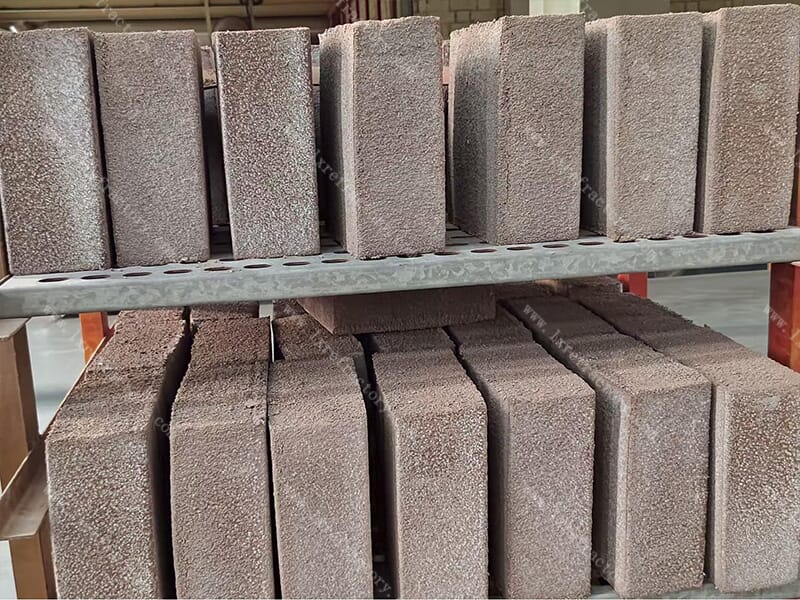
In conclusion, the use of magnesium chrome bricks requires meticulous control throughout the entire process, from construction and baking to the application of the kiln lining. Given its serious environmental risks, the industry is actively promoting the use of environmentally friendly chromium-free refractory materials such as magnesium-iron spinel bricks and magnesium-aluminum spinel bricks as alternatives.