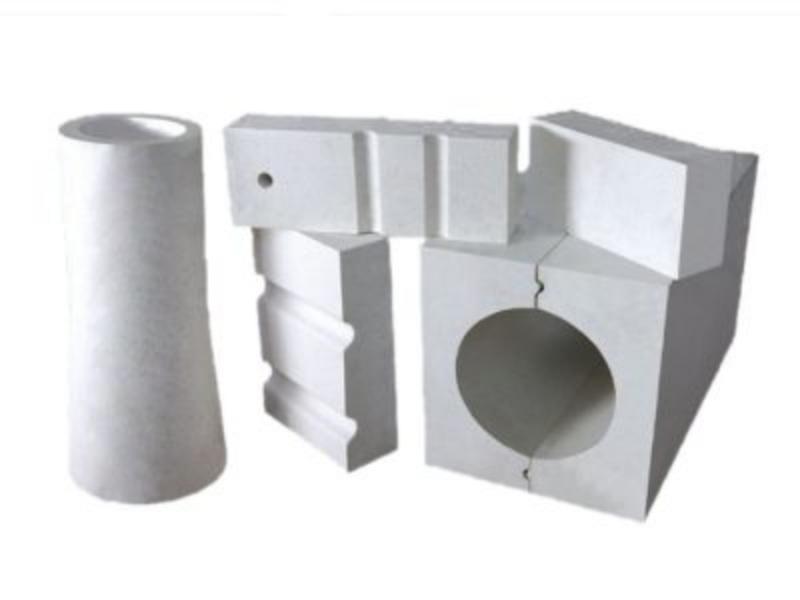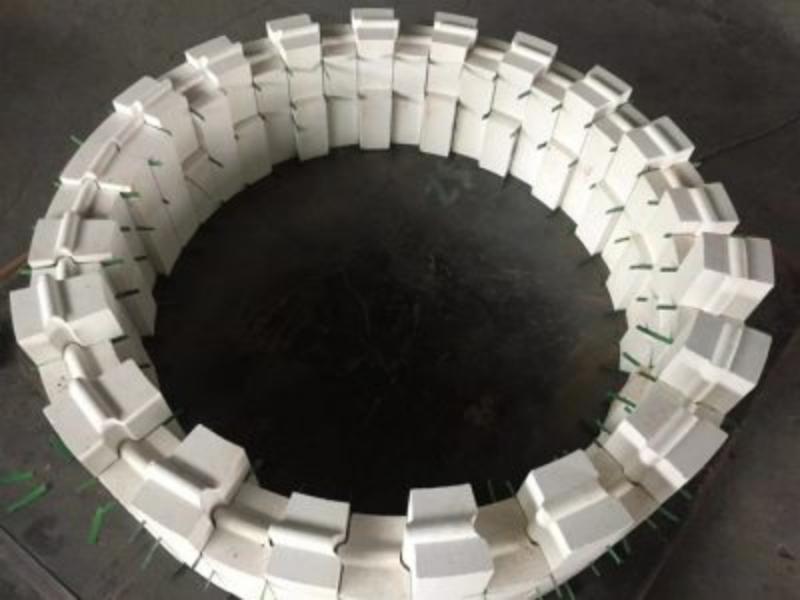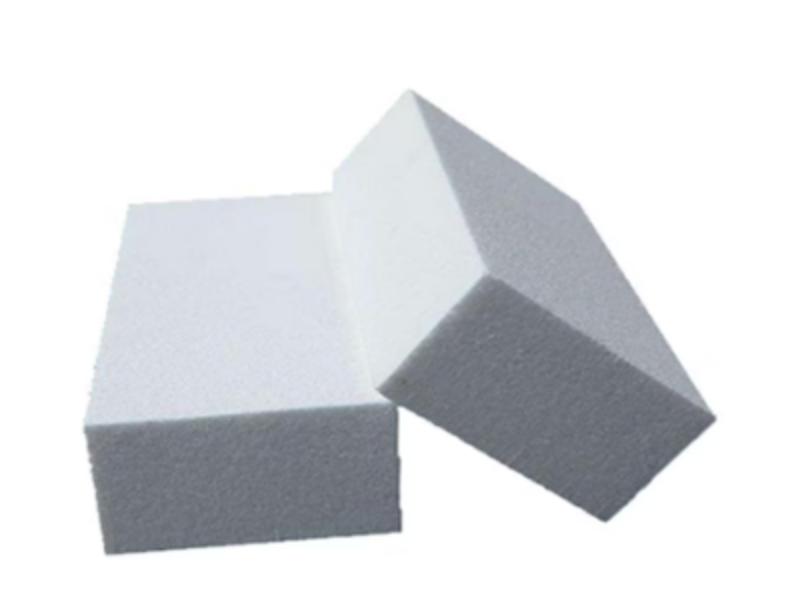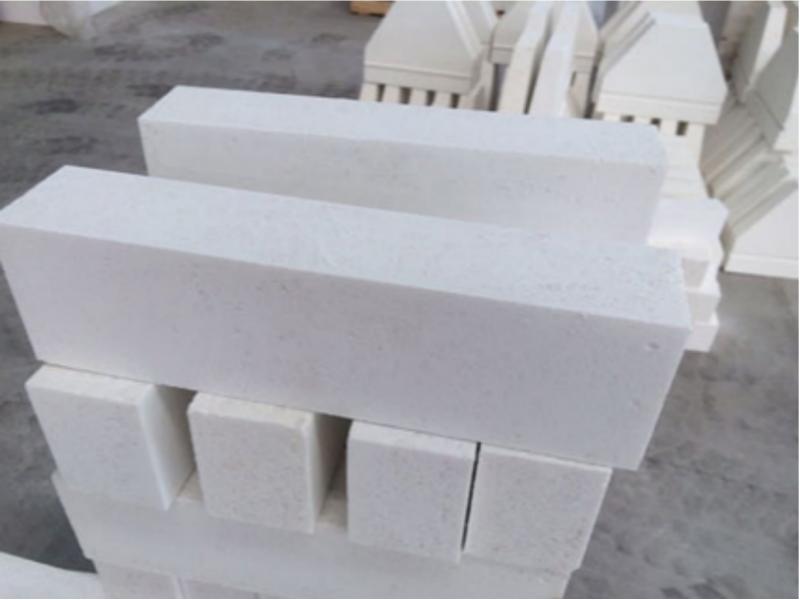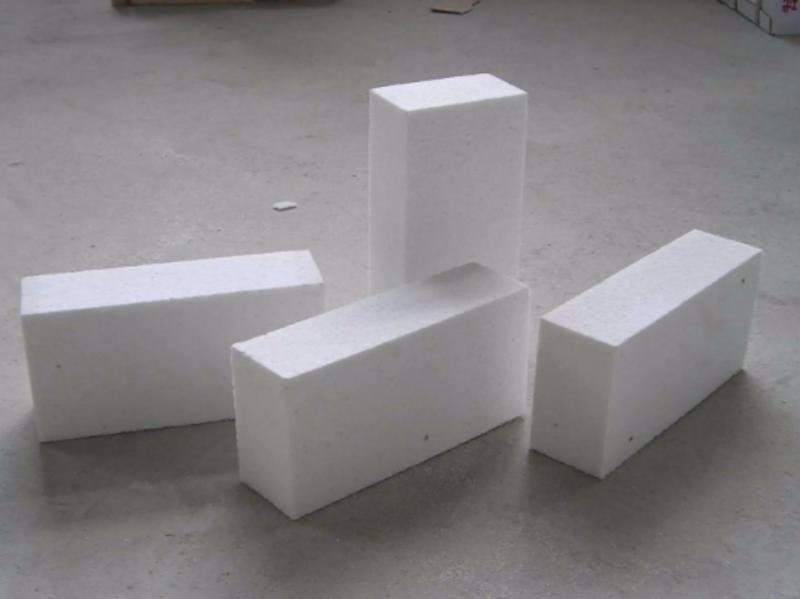
Corundum bricks, due to their high alumina content (typically ≥90%), high temperature resistance (operating temperature up to 1700-1800℃), high strength, and good chemical stability, are widely used in key components of high-temperature kilns in various industrial fields. The following are the main types of kilns in which they are used:
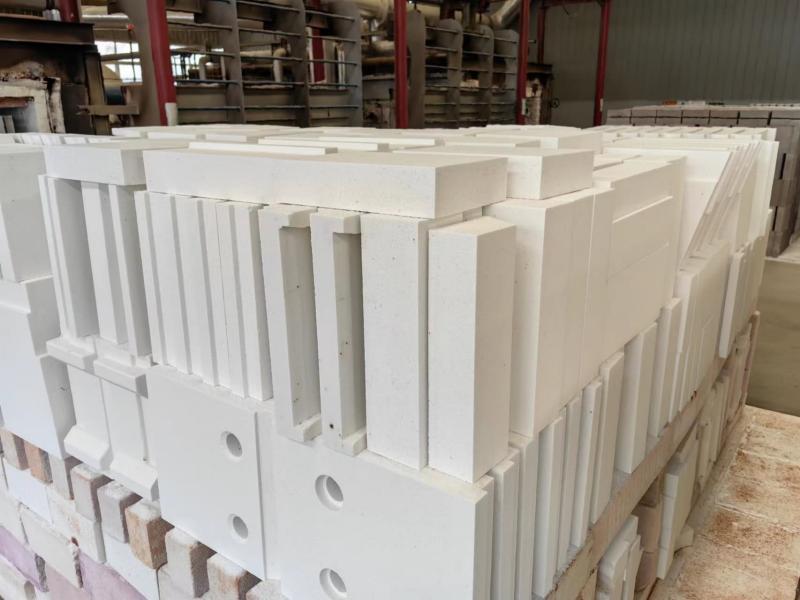
Metallurgical Industry: Used for linings of blast furnaces and hot blast stoves in ironmaking, roofs of electric arc furnaces in steelmaking, linings of ladle refining furnaces and induction furnaces, etc., to resist the erosion and chemical corrosion of high-temperature molten iron and steel slag. In walking beam furnaces and pusher-type metallurgical furnaces in the steel industry, they are also used as key components for wear and erosion resistance, such as sliding rail bricks and tapping troughs.
Petrochemical Industry: This is an important application area for corundum bricks. They are commonly used in the linings of equipment with high temperature, high pressure, strong reducing atmosphere, and intense gas flow erosion, such as synthetic ammonia gasifiers, ethylene gasifiers, and carbon black reactors. Especially chromium corundum bricks with added chromium oxide have superior resistance to slag erosion and penetration, significantly extending the service life of equipment such as gasifiers.
Glass Industry: Widely used in glass melting furnaces. For example, fused α-β corundum bricks, due to their minimal contamination of molten glass, are the preferred material for forming sections such as the refining section, working tank, and runners of melting furnaces. High-purity corundum bricks are also used in high-temperature areas such as the arch and tank walls of glass furnaces.
Other High-Temperature Industrial Furnaces: Widely used in high-temperature firing furnaces in the ceramics, electronics, and building materials industries, such as high-temperature tunnel kilns, shuttle kilns, down-draft kilns, and linings for ultra-high-temperature electric furnaces such as molybdenum wire furnaces and tungsten rod furnaces used in experiments and research. They are also used as corrosion-resistant and wear-resistant lining materials in environmental protection equipment such as waste incinerators.
In summary, corundum bricks, with their excellent comprehensive properties, have become an indispensable basic material in modern high-temperature industries, playing a crucial role, especially in the harsh operating conditions of industries such as metallurgy, petrochemicals, and glass.