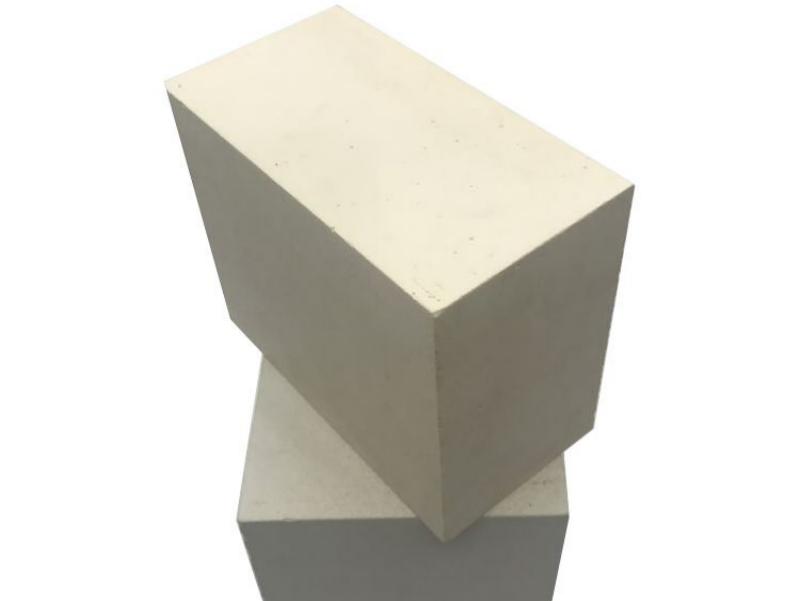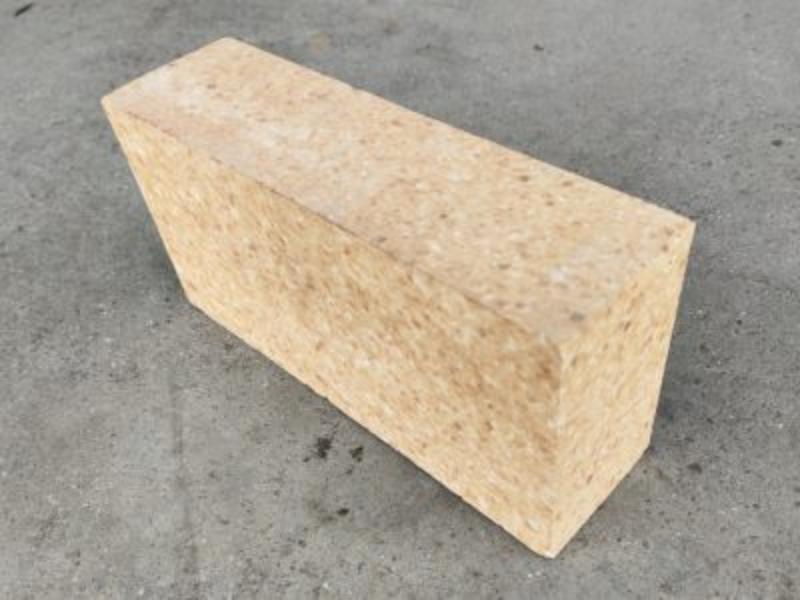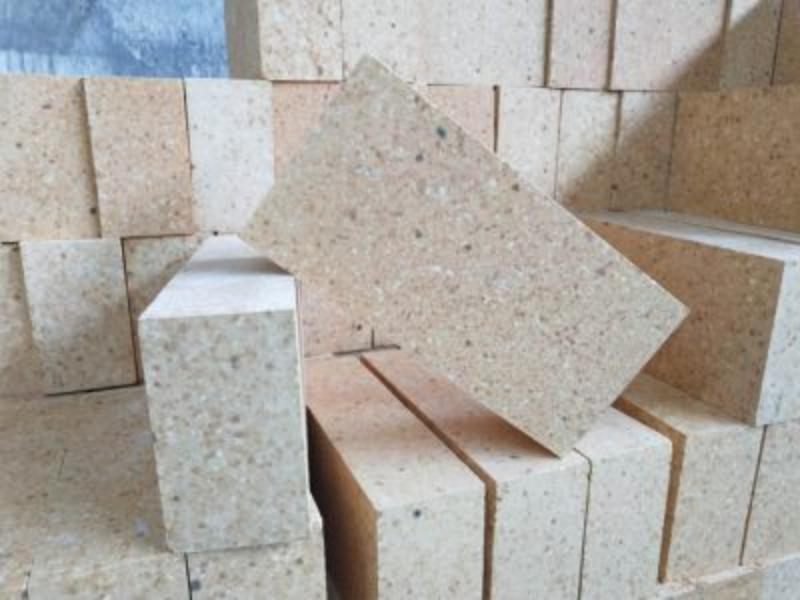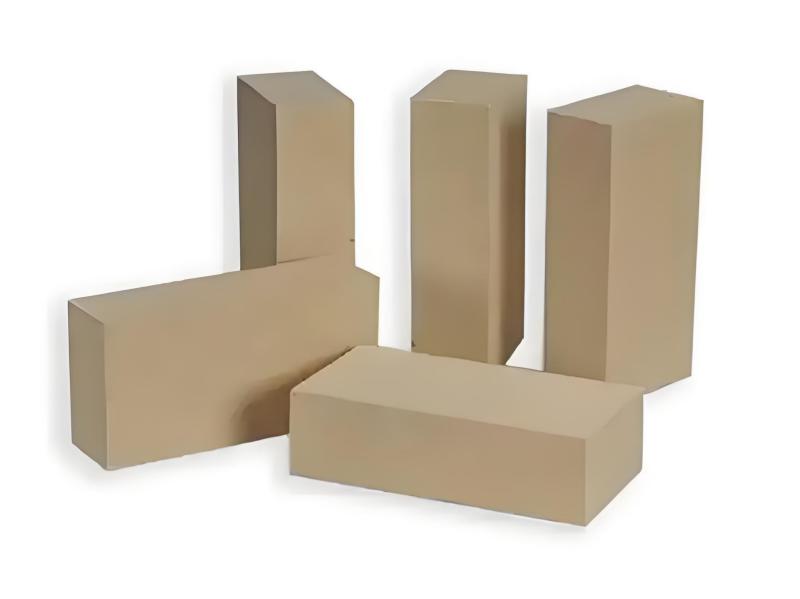
Sintered zirconia-corundum bricks are an indispensable key refractory material in glass kilns. They are made by sintering high-purity alumina and partially stabilized zirconia raw materials at high temperatures (1700-1750℃), with corundum and zircon as the main mineral phases. Due to their unique microstructure and properties, they play a crucial role in resisting the erosion of high-temperature melts and withstanding severe thermal shock in the kiln.
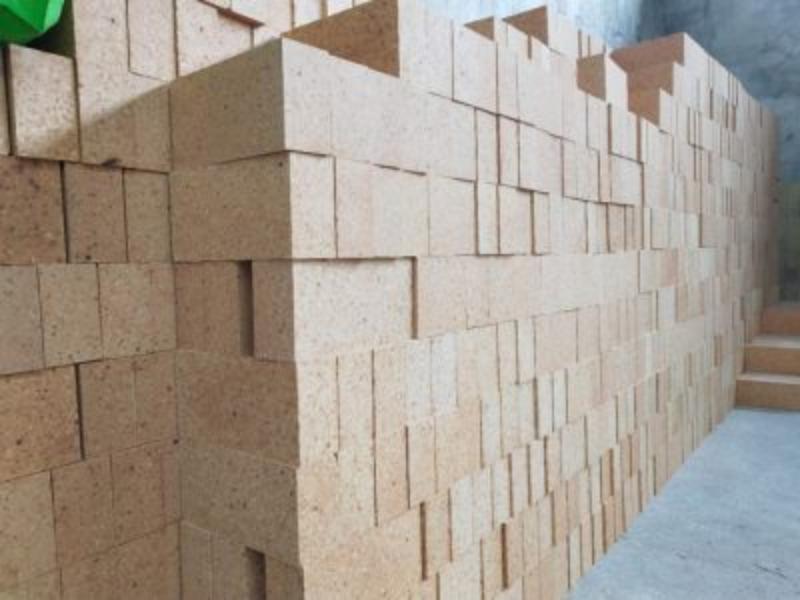
Unlike fused zirconia-corundum bricks (AZS cast bricks) of the same material, the most significant characteristic of sintered zirconia-corundum bricks is their superior thermal shock resistance. This is due to the phase transformation of the partially stabilized tetragonal zirconia (ZrO₂) within the material under thermal shock, which generates microcracks that absorb and disperse thermal stress. This characteristic gives them a significant advantage in areas of the kiln where temperatures fluctuate frequently.
Based on their performance characteristics, the core applications of sintered zirconia-corundum bricks in kilns are as follows:
Upper structure and key passages of glass kilns
This is the most core application area of sintered zirconia-corundum bricks. It is typically used in areas that do not directly contact molten glass but need to withstand the erosion of high-temperature flames and alkaline vapors. Examples include the upper space, side walls, regenerator partitions, and stirring rods in the feeding channels of glass furnaces. In these locations, it can resist high-temperature chemical corrosion and easily cope with the drastic temperature changes caused by furnace start-up and shutdown.
Specific areas in contact with molten glass
Although sintered zirconia-corundum bricks have strong resistance to molten glass, they have a certain degree of porosity. Therefore, they are not recommended for use in core areas that are in long-term direct contact with molten glass and subject to the most severe corrosion, such as pool walls and flow channels (these areas typically use dense fused bricks). However, under certain conditions, it can be used in critical areas of furnaces such as glass fiber furnaces and electric furnaces that come into contact with the melt.
High-temperature furnaces in metallurgy and chemical industries
Besides the glass industry, this type of brick is also used as the slide rails of steel rolling furnaces, the lining of induction furnaces, and the linings of industrial furnaces such as waste incinerators and chemical gasification furnaces that need to withstand high temperatures, abrasion, and chemical corrosion.
In summary, the value of sintered zirconia-corundum bricks lies in their excellent balance between high-temperature strength, chemical stability, and thermal shock resistance, making them a key material for ensuring the long-term, stable operation of various high-temperature industrial kilns, especially glass kilns.