Corundum refractory bricks are primarily composed of Al₂O₃, typically exceeding 90%. Their high-temperature performance is excellent, making them a common refractory material in high-temperature industries. Of course, the price of corundum bricks is a key concern for many buyers. This article will analyze the price of corundum bricks from three perspectives.
1. First, consider the specifications
Even though they are all called corundum bricks, their prices can vary significantly depending on their Al₂O₃ content.
Corundum refractory bricks with a 90% Al₂O₃ content have the lowest price per ton. They are often used in the low-temperature area at the furnace bottom.

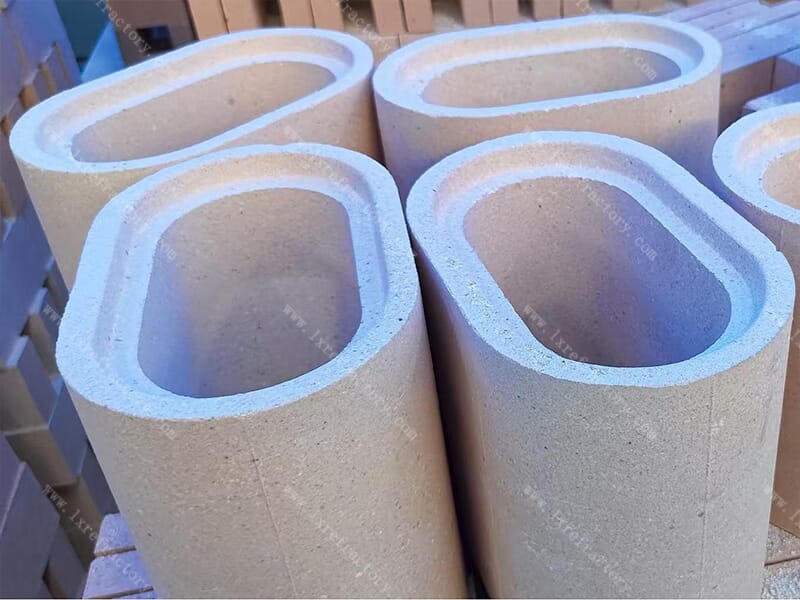
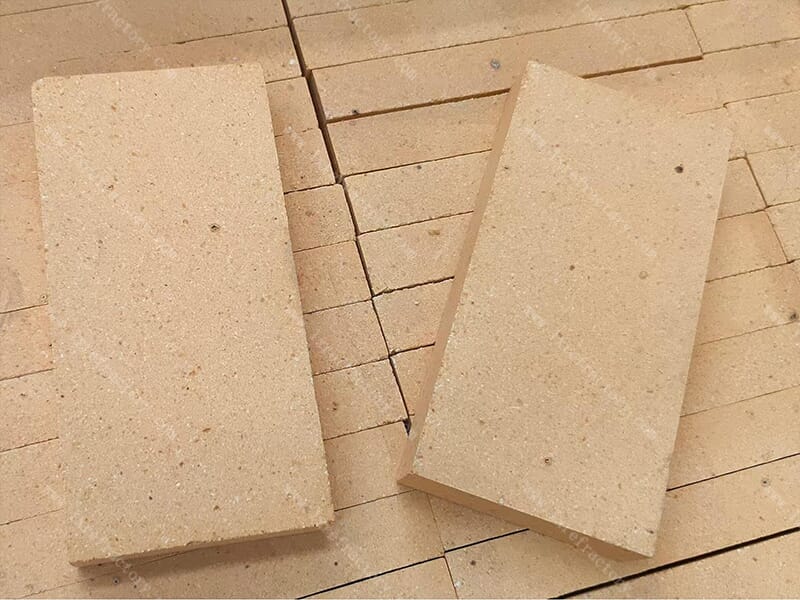
Corundum bricks
95% high-purity corundum bricks are more expensive and have better slag resistance.
99% fused corundum bricks are the most expensive and are specifically used in extremely high-temperature applications.
In general, every 1% increase in Al₂O₃ content increases raw material costs by approximately 3%-5%. Therefore, focus on Al₂O₃ content before comparing quotes to avoid being misled by superficial figures.
2. Common specifications of corundum fire bricks
The more unusual the brick shape, the higher the mold fee; the smaller the quantity, the steeper the cost. This isn’t unfounded.
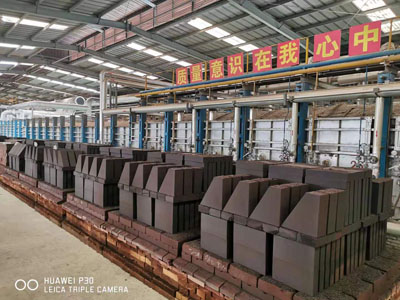
Factories produce standard bricks of 230×114×65mm year-round, and the price per ton is the benchmark. Knife-edge bricks, fan-shaped bricks, and electrode-hole bricks require separate molds, with an additional fee of 10-30 yuan per brick.
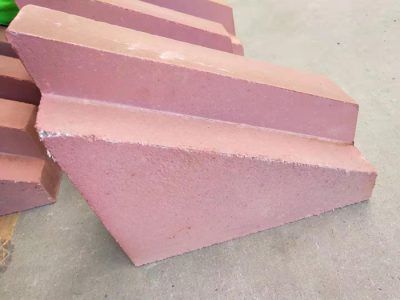
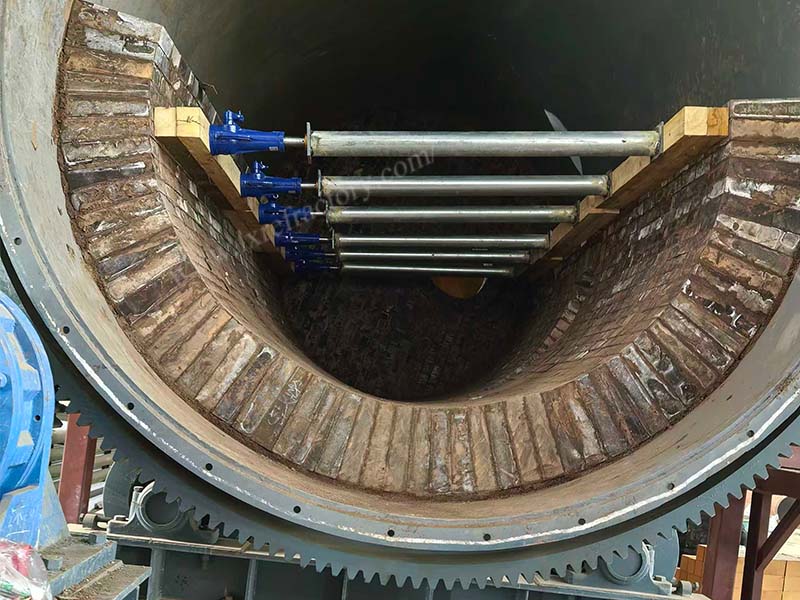
chrome corundum brick
Quantity also directly affects the unit price. If you buy a large number of tons at once, the freight price per ton will be relatively low. If you buy only a few tons, the freight cost will double, and the average cost per brick may be more than the brick itself.
In addition, thicker bricks have a longer firing cycle and higher fuel costs, often listed as an “extra-thickness fee” in quotes. This is also a minor factor in corundum brick price fluctuations.
3. Consider furnace conditions before comparing prices
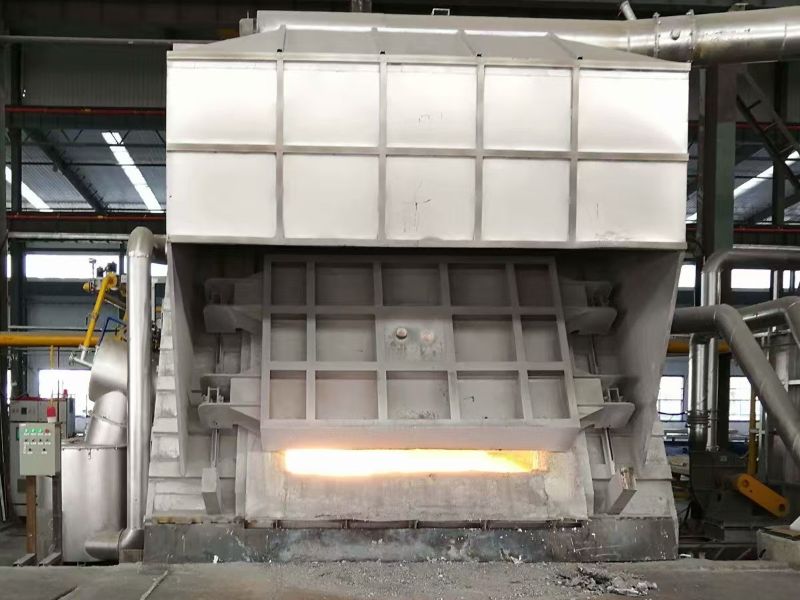
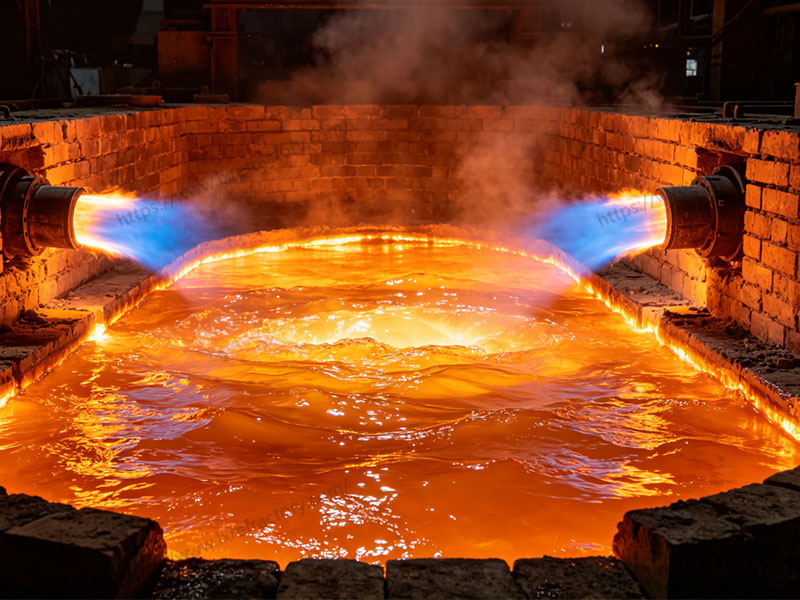
Generally speaking, when selecting refractory bricks, you can first measure the temperature curve before deciding whether to use corundum bricks. For furnaces operating at temperatures exceeding 1600°C and exposed to alkali vapor, corundum bricks are almost mandatory. For temperatures as low as 1500°C, high-alumina fire bricks or mullite bricks are adequate, saving 20%-40% per ton.
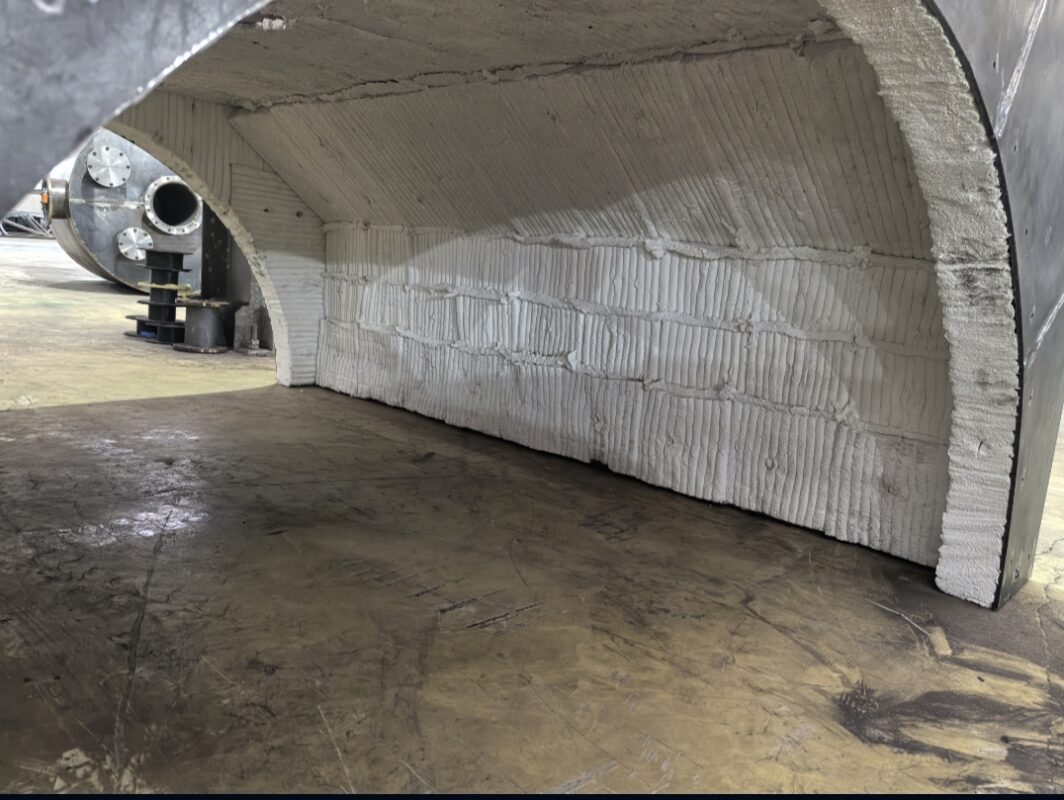
In addition, separate the furnace walls, roof, and floor into temperature zones and mix bricks wherever possible. It’s not necessary to use corundum fire bricks throughout the entire furnace, which will also reduce the overall price.
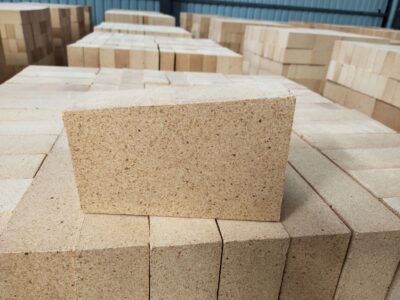
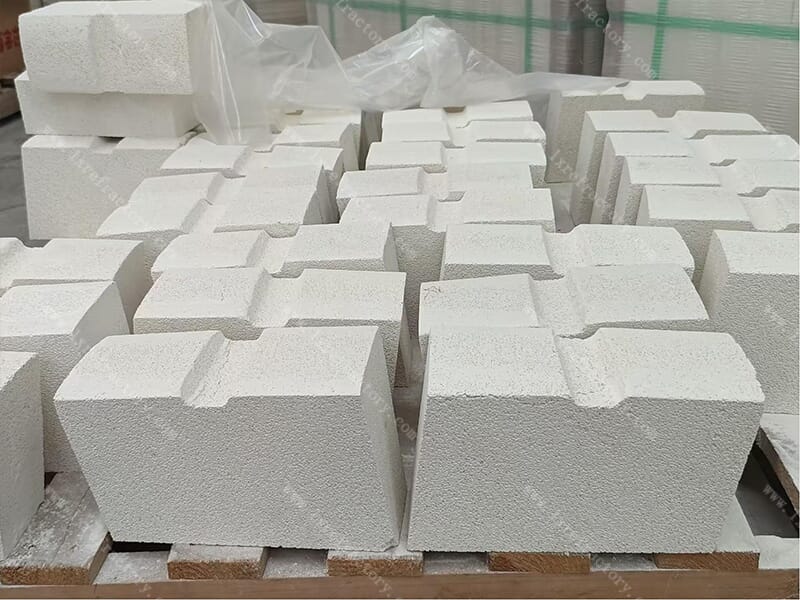
high alumina bricks
Furthermore, bulk purchases are possible. Order corundum bricks, high-alumina refractory bricks, and clay bricks together. This will encourage factories to offer a combined price reduction, typically by an additional 3%-5%.
Clearly specifying the specifications, brick type, quantity, and operating conditions will ensure prompt and accurate quotes from suppliers. Furthermore, choosing a refractory brick manufacturer with stable supply and factory-direct sales can also yield very favorable prices, reducing costs to a certain extent.