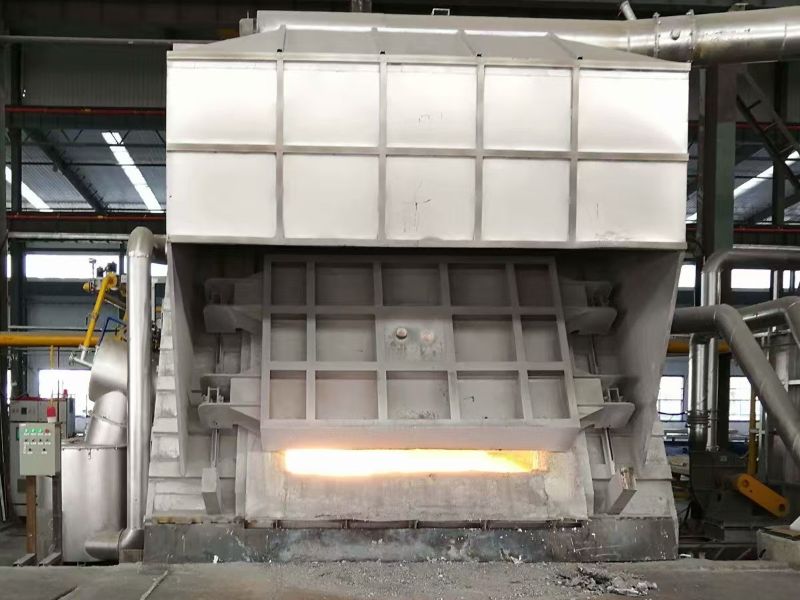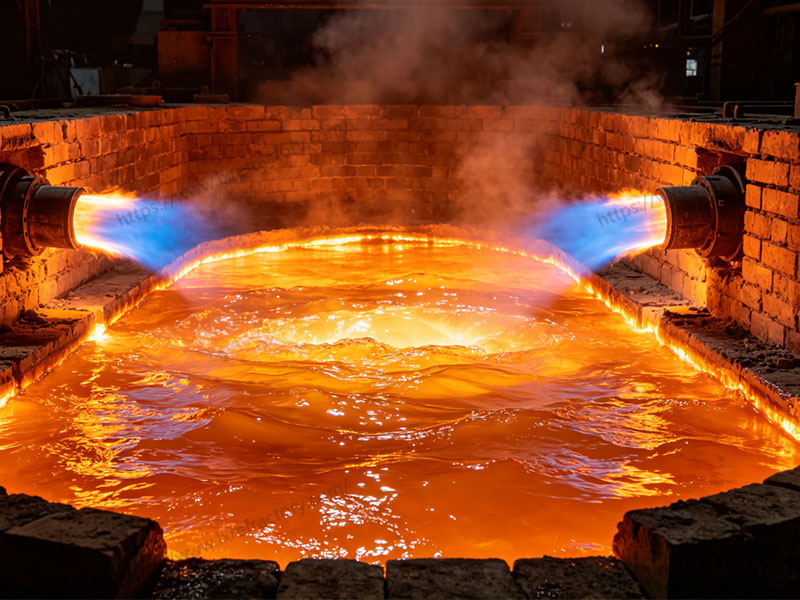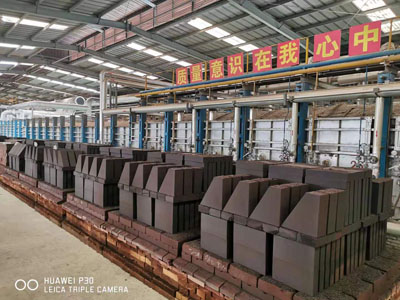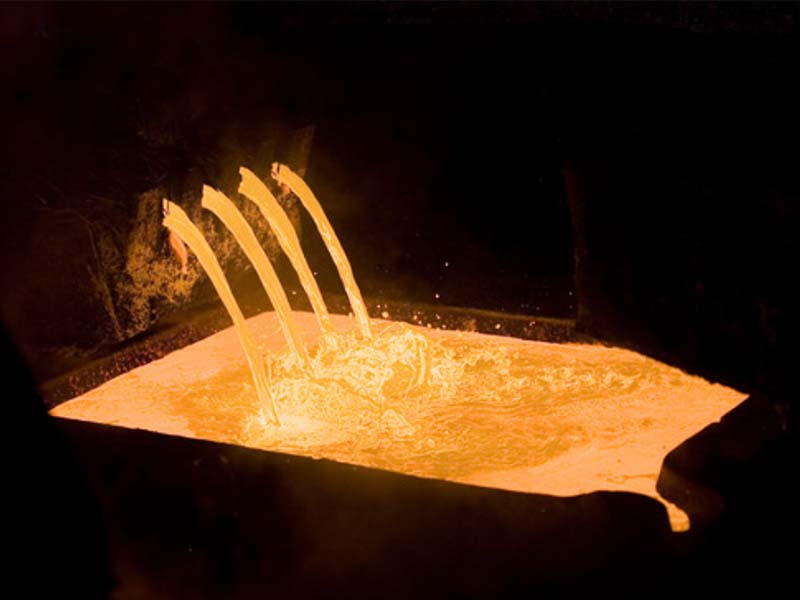
Refractory bricks are crucial materials for the lining of high-temperature industrial kilns. Their use must be considered throughout the entire process, from selection and construction to baking, operation, and maintenance. Key considerations are as follows:
1.Selection: Precise Matching to Operating Conditions
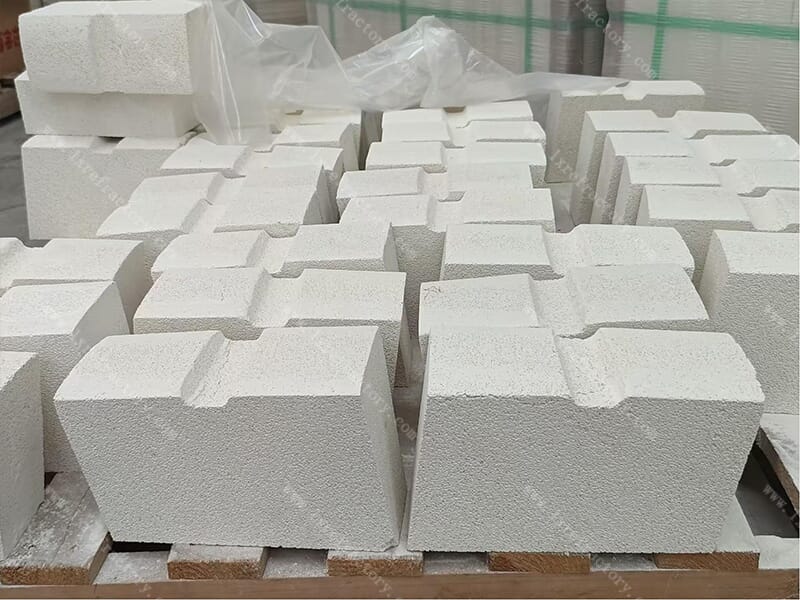
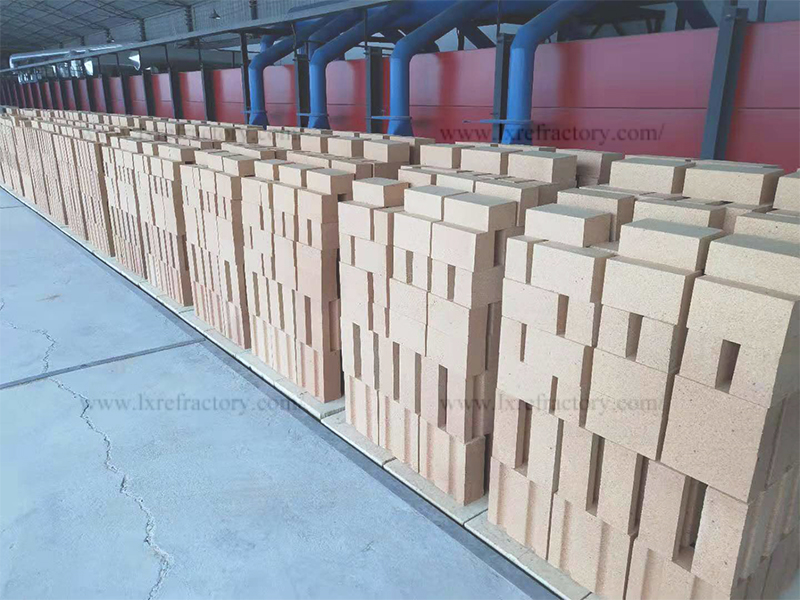
Select materials based on the kiln’s maximum operating temperature (with a 100-200℃ margin): silica bricks (1600-1750℃, coke ovens/glass kilns), high-alumina bricks (1400-1700℃, general kilns), magnesia bricks (1600-1800℃, alkaline kilns), and clay bricks (1200-1400℃, low-temperature environme
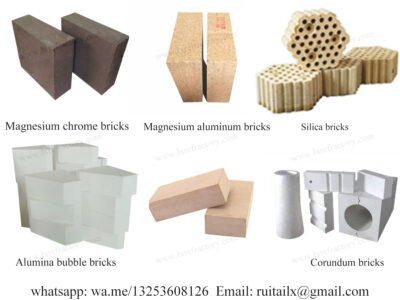
refractory brick
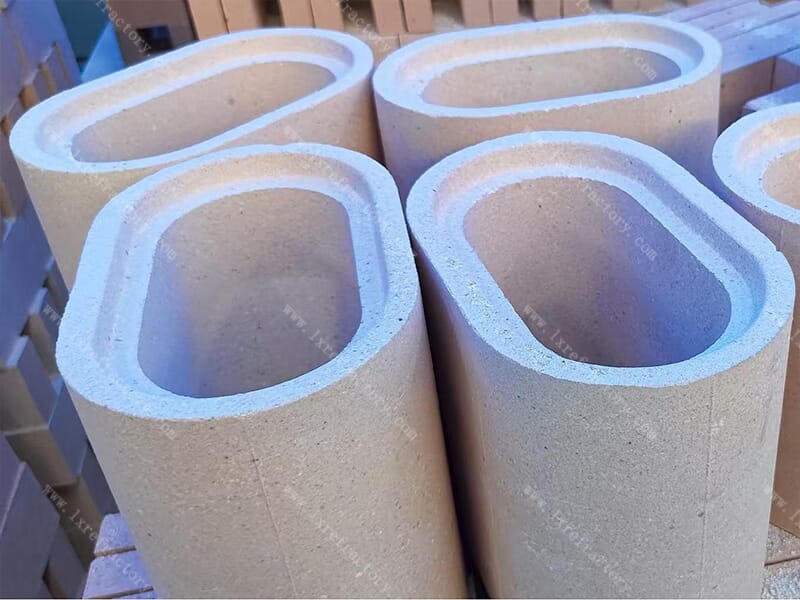
nts). Simultaneously, match the corrosiveness of the medium: select silica/clay bricks for acidic environments, magnesia bricks for alkaline environments, and corundum/silicon carbide bricks for sulfur and chlorine-containing gases; use high-strength bricks (pressure resistance ≥60MPa) for load-bearing parts, and cordierite bricks with good thermal shock stability for areas with frequent thermal shock.
2.Construction: Strict Control of Standard Details
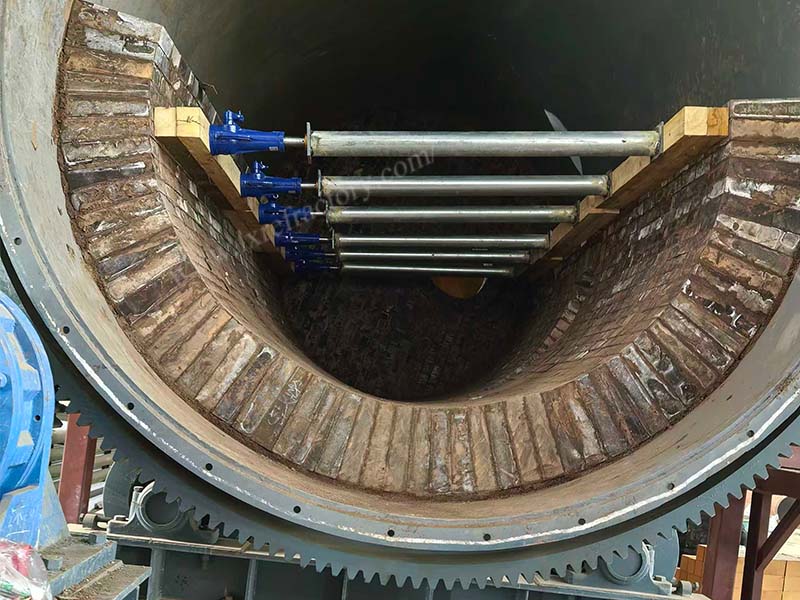
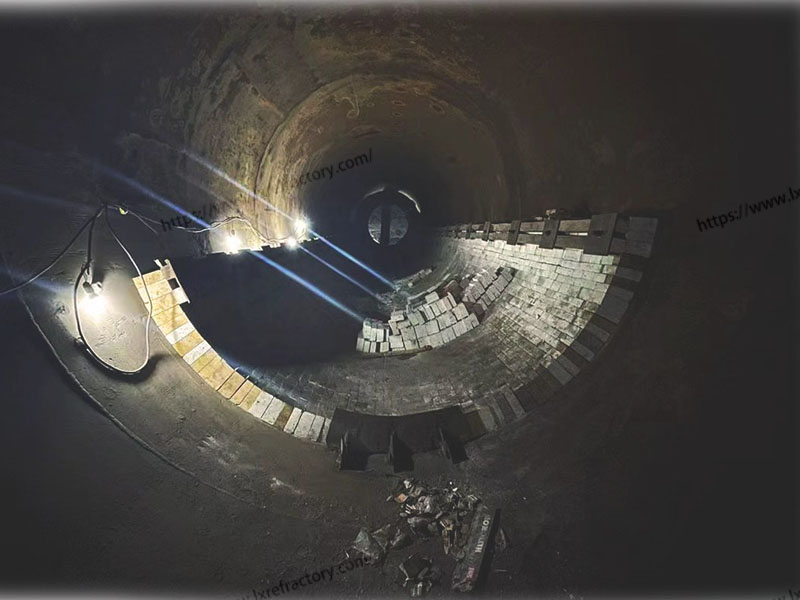
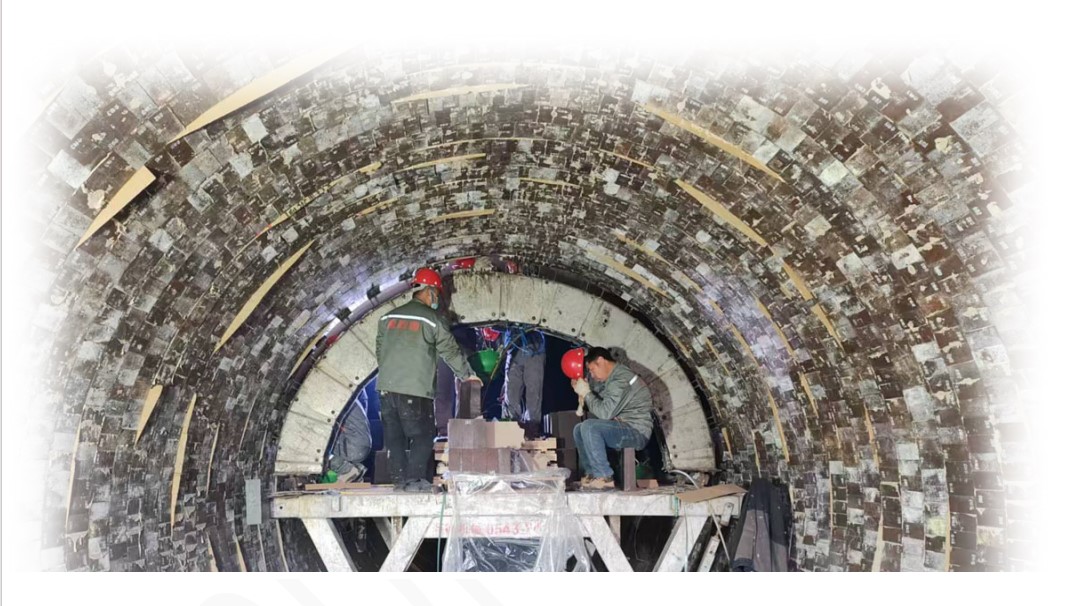
Upon arrival, inspect bricks for cracks and missing corners (edge chips ≤ 5mm) and ensure dimensional deviations meet standards; ensure the base layer is cleaned and level (error ≤ 3mm/m), and leave 1%-1.5% expansion joints. Use staggered joints (staggered by ≥ 1/3 of the brick length), and use irregularly shaped bricks for the arch. Joint thickness: 2-3mm in ordinary areas, 1-2mm in critical high-temperature areas; mortar fullness ≥ 95%. Fill expansion joints with ceramic fiber cotton; avoid using mortar.
3. Baking: Slow Heating to Prevent Cracks
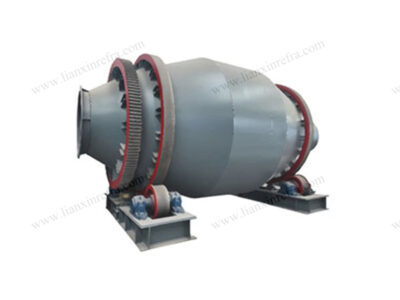
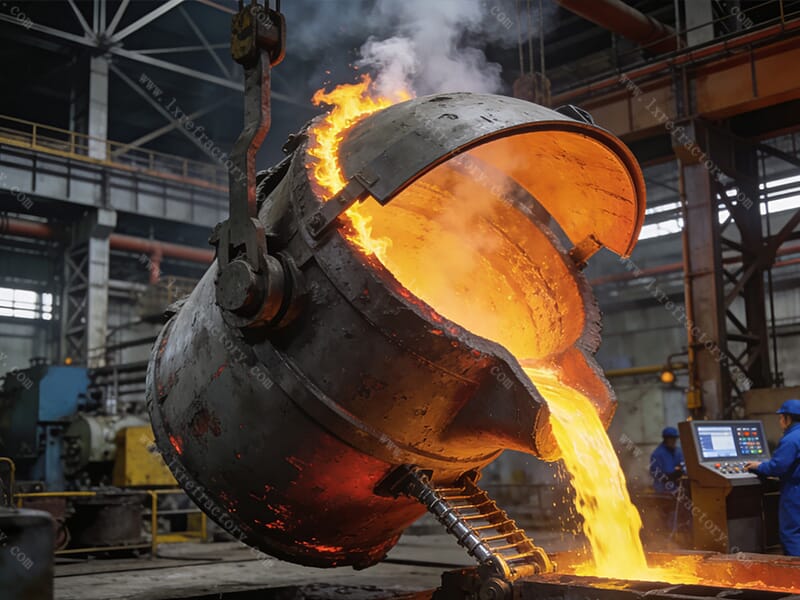
converter
New kilns should be baked according to the following curve: Room temperature – 100℃ (heating 10-20℃/h, holding for 4-6h) to drain free water; 100-300℃ (20-30℃/h, holding for 6-8h) to drain crystal water; 300-600℃ (30-50℃/h, holding for 8-12h) to sinter the slurry; 600℃ – operating temperature (50-80℃/h, holding for 4-6h). Overheating is strictly prohibited. Initially, open the exhaust vents to remove moisture; in case of abnormalities, stop heating and maintain the operating temperature.
4.Operation and Maintenance: Scientific Management to Extend Lifespan
During operation, temperature fluctuations should be ≤50℃/h; exceeding the design temperature is prohibited; avoid impacts from hard objects and forceful slag removal. Daily inspections should check for air leaks and overheating; stop the machine to check for brick cracks (>2mm requires repair) and erosion (>10mm requires partial replacement). Small cracks should be filled with refractory repair material. After replacing bricks in a localized area, re-baking (≤30℃/h) is required. A usage record should be established, and wear-resistant protection should be applied to vulnerable areas.
5.Safety: Strengthen safety awareness
Wear safety helmets and high-temperature resistant gloves during construction; avoid contact with high-temperature surfaces during baking; before maintenance, stop the machine and cool it to below 60℃, then disconnect the power supply. Store in the open air away from moisture; categorize and stack away from fire sources and corrosive substances.