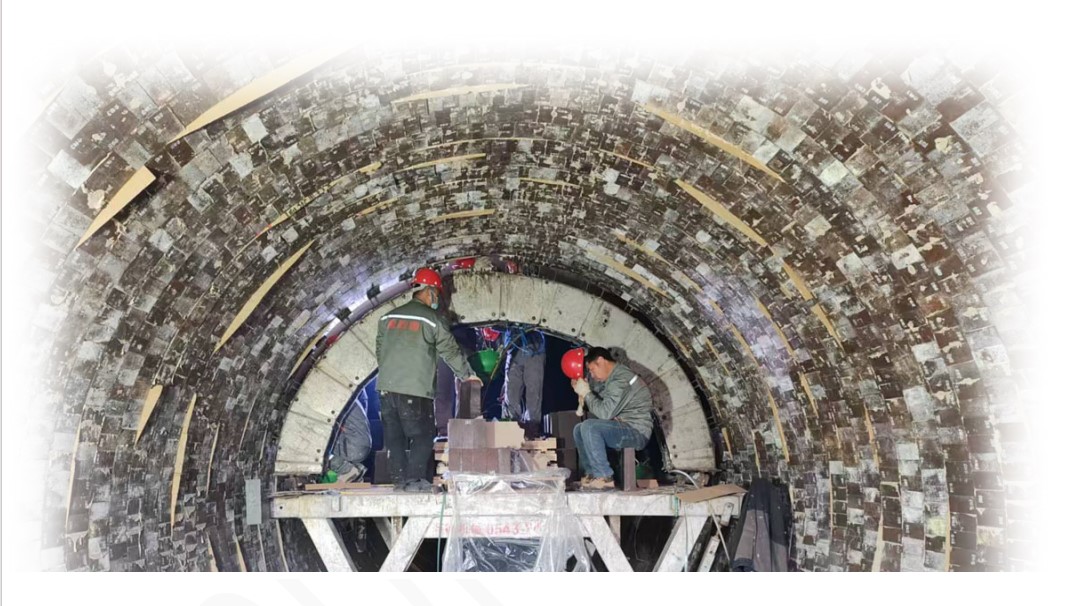
Wear and tear on the blast furnace lining not only directly affects the production efficiency of ironmaking, but also relates to the operational safety and service life of the entire equipment. Selecting suitable refractory bricks can not only significantly extend the service life of the furnace, but also ensure the stability and safety of the production process.
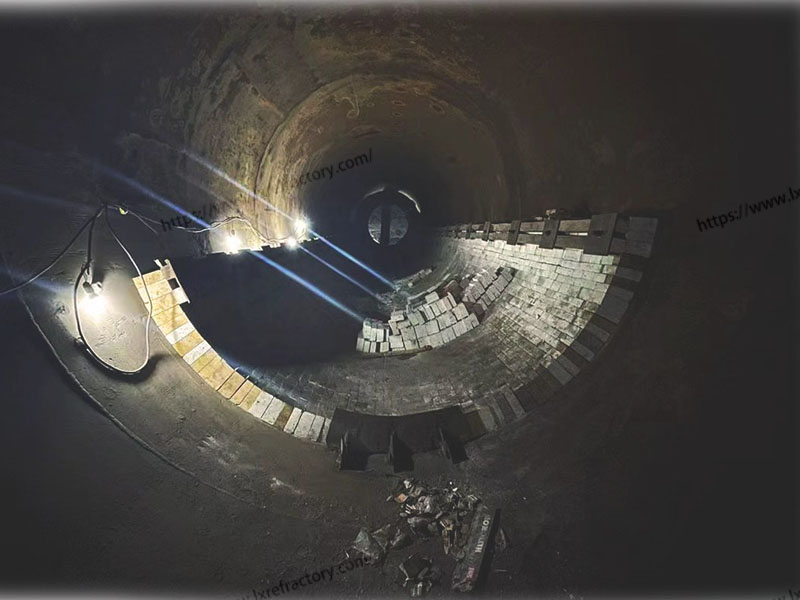
1. Causes and effects of blast furnace lining wear
Damage to the blast furnace lining is mainly caused by three factors.
(1) Chemical erosion of molten iron and slag at high temperature. These substances can react with refractory materials and damage their structure.
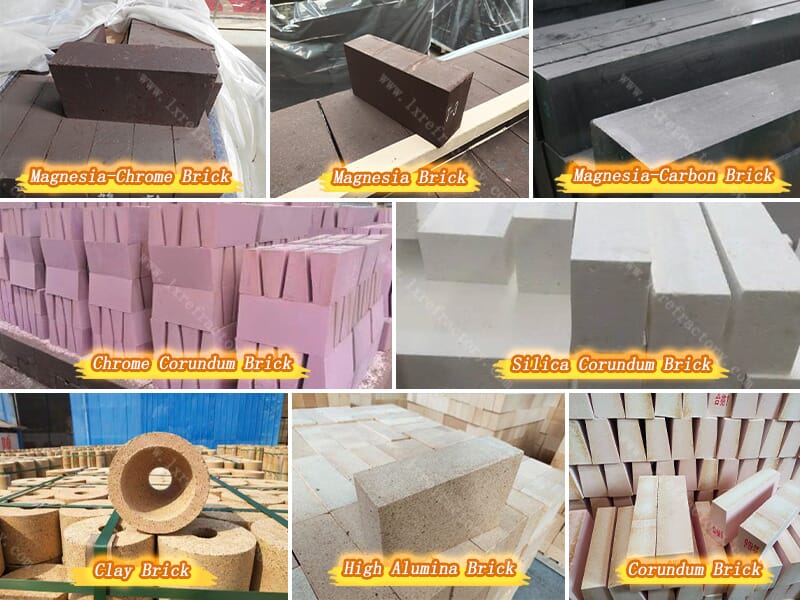
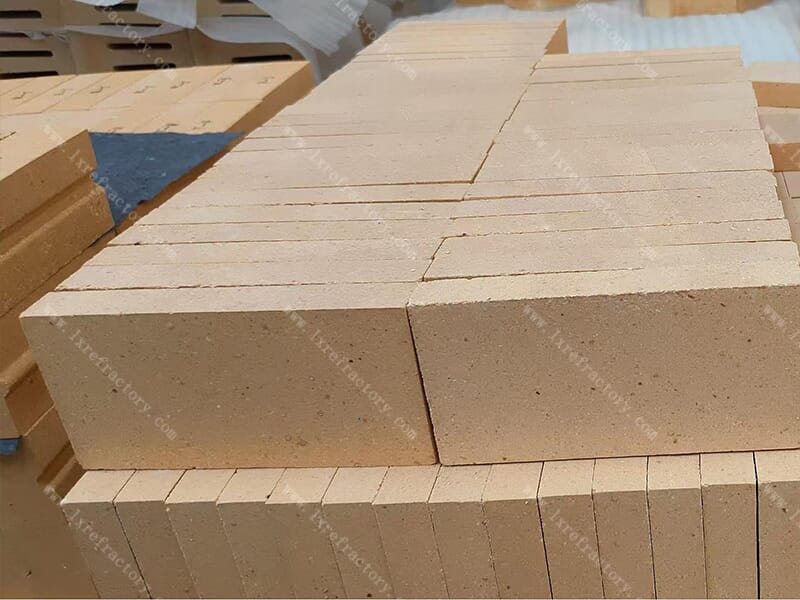
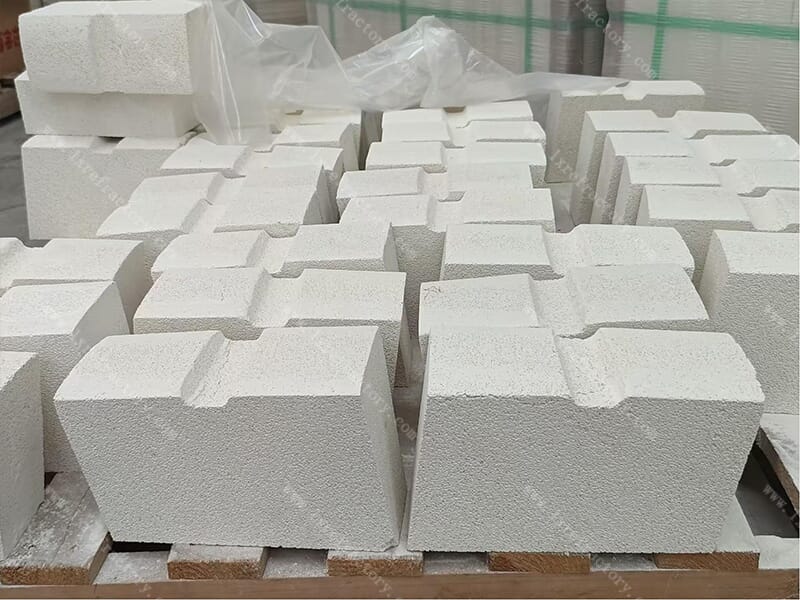
Various Refractory Bricks
(2) The mechanical scouring and friction generated during the descent of the furnace charge continuously weakens the thickness of the inner lining.
(3) Frequent temperature fluctuations during the smelting process lead to thermal stress, which in turn causes the brick to crack or peel off.
These problems will not only shorten the blast furnace operating cycle, but also increase maintenance costs and the risk of production stoppage. Therefore, taking effective protective measures is crucial.
2. Key properties of refractory bricks
For the harsh operating conditions of blast furnaces, high-quality refractory bricks have become the preferred solution.
High-quality refractory bricks have high refractoriness, good thermal shock resistance, and excellent resistance to slag erosion.
For example, high-alumina refractory bricks are suitable for high-temperature areas due to their high alumina content, while silicon carbide refractory bricks are often used in the lower part of the furnace body due to their excellent wear resistance.
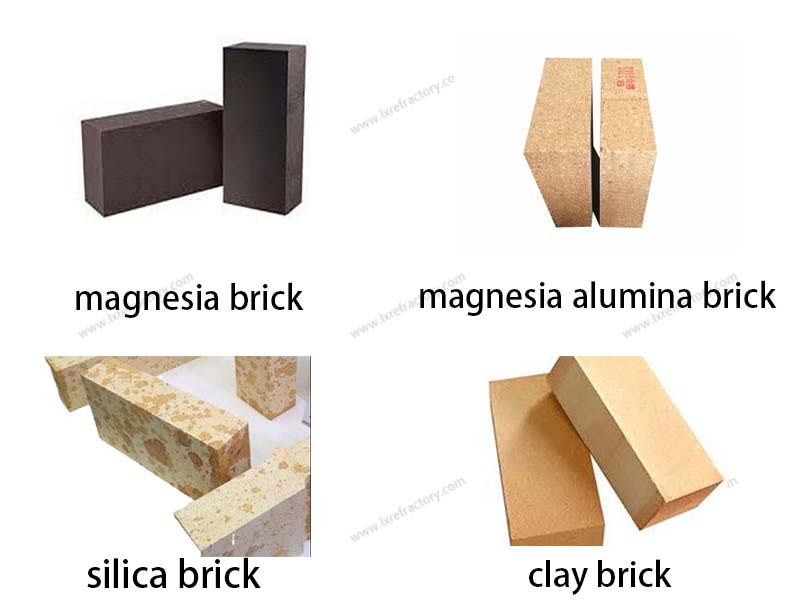
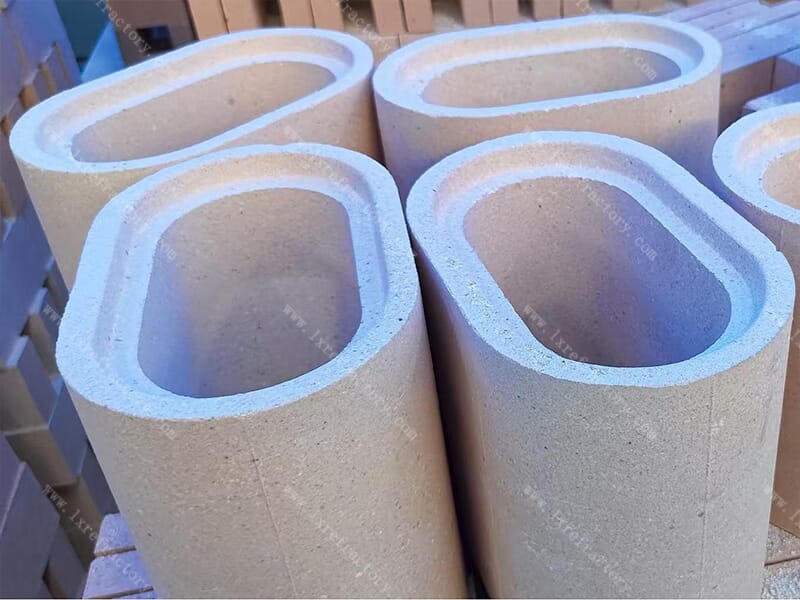
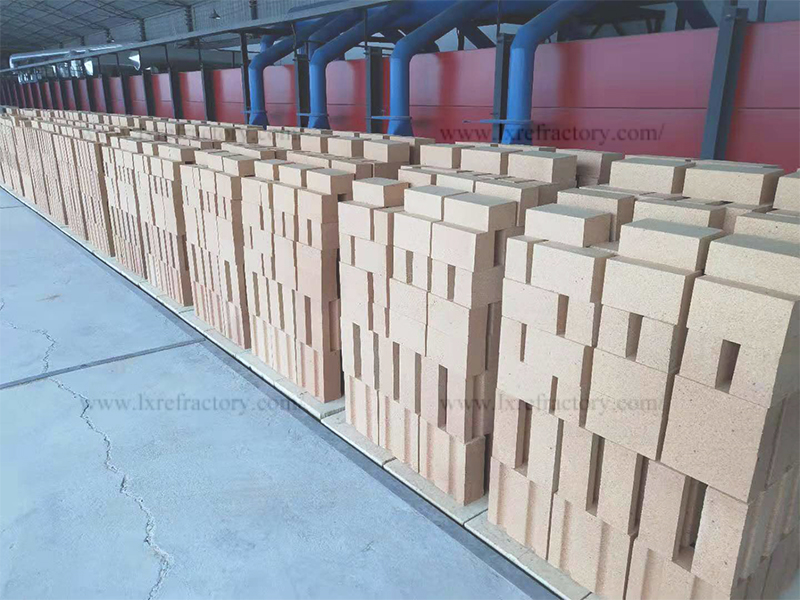
refractory bricks
In addition, the bulk density and compressive strength of refractory bricks are also important indicators for measuring their quality. When selecting materials, companies need to pay attention not only to the performance parameters of the materials themselves, but also to their compatibility with specific blast furnace operating conditions.
3. Material selection strategies applicable to blast furnaces
Different refractory bricks are typically used for different parts of a blast furnace.
For example, high-alumina bricks are generally used for the upper part of the furnace body, magnesia-carbon bricks are generally used for the furnace chamber, and silicon carbide bricks are usually used for the lower part or waist of the furnace body.
If the materials are not selected properly, even if the materials themselves have excellent properties, the wear and tear problem cannot be completely solved.
Therefore, accurately matching the physical and chemical properties of bricks according to specific working conditions is a necessary prerequisite for ensuring the long-term stable operation of kiln linings.
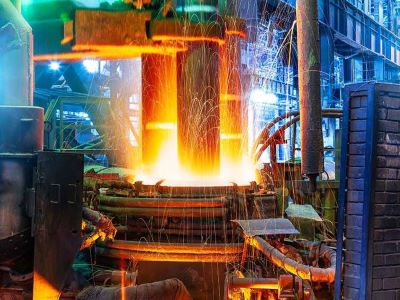
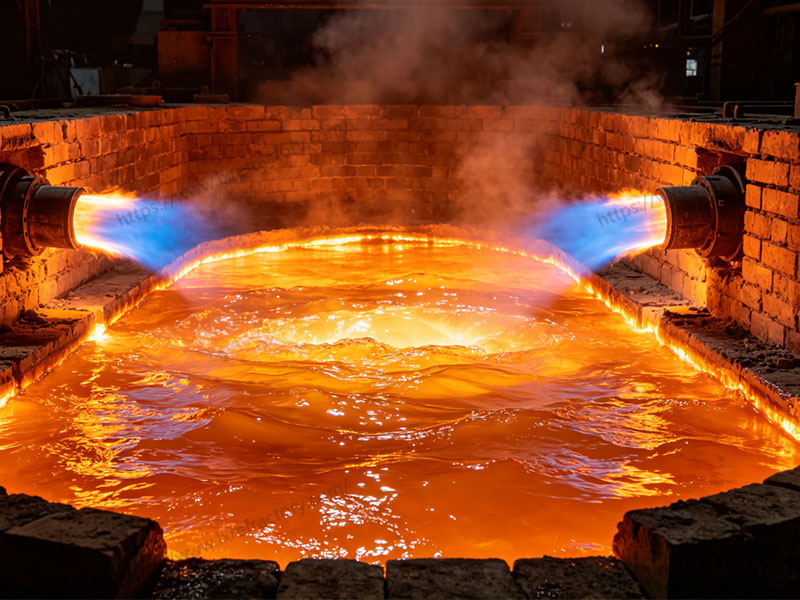
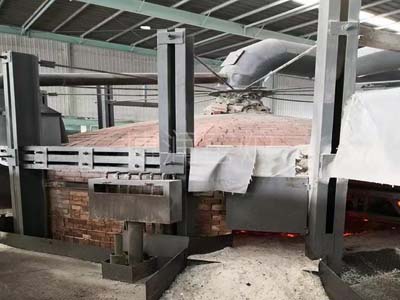
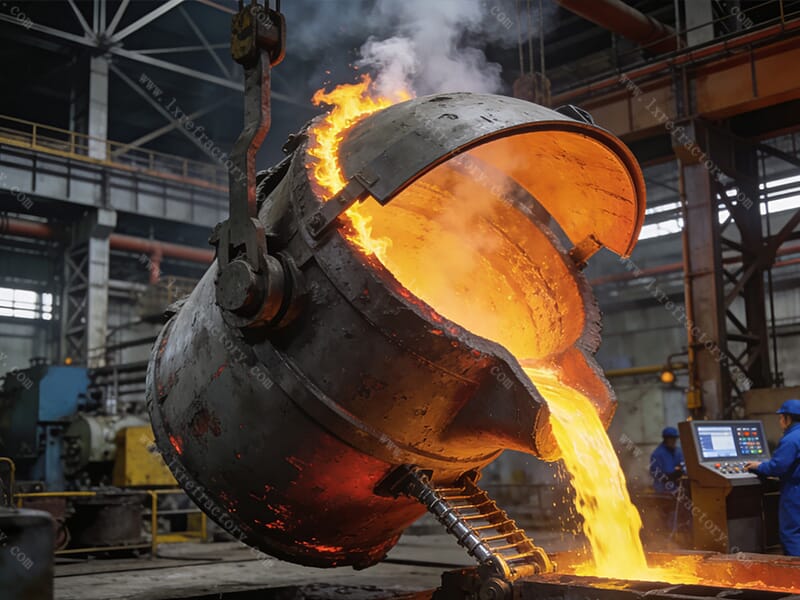
blast furnace
Henan Ruitai Lianxin Refractory Materials Co., Ltd. has been focusing on the production of refractory materials for 20 years.Its main products include high-quality refractory bricks such as magnesia series bricks, aluminum series bricks, and zirconia series bricks; undetermined refractory materials such as refractory castables and ramming mixes; and various high-quality thermal insulation materials.
It can not only provide customers with high-quality refractory bricks that meet the required standards, but also provide the most suitable kiln operating conditions solutions.
Please feel free to contact us if you have any needs. Choosing Ruitai Lianxin means choosing strength.