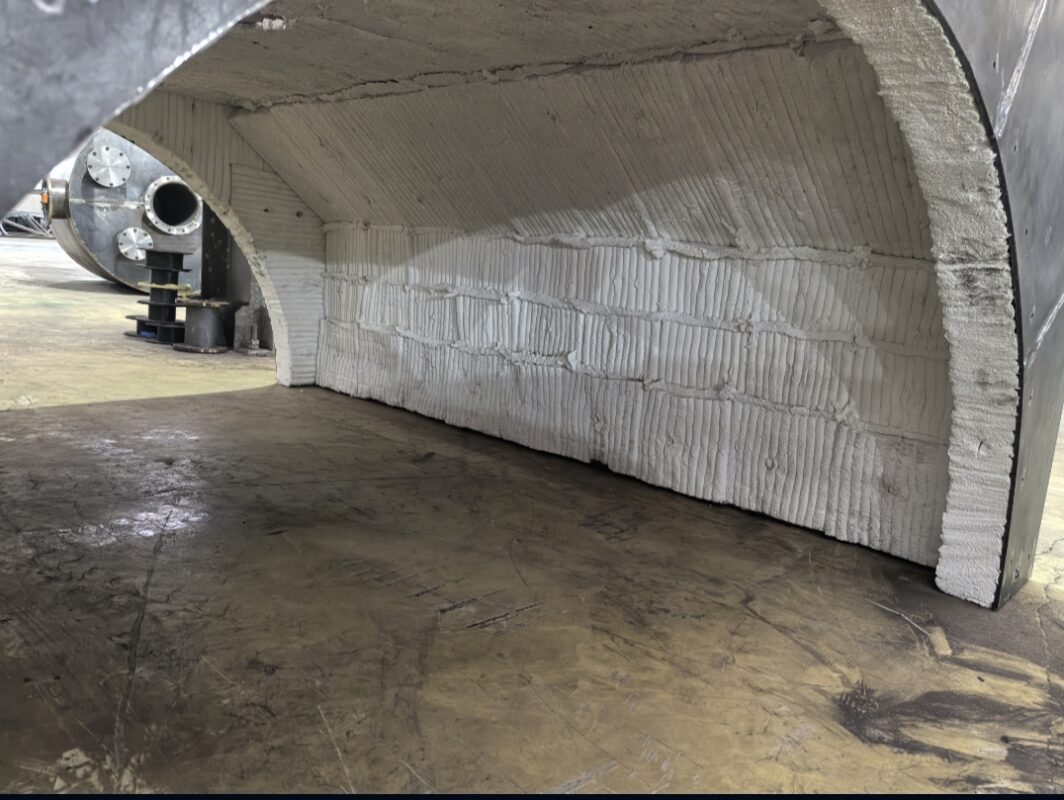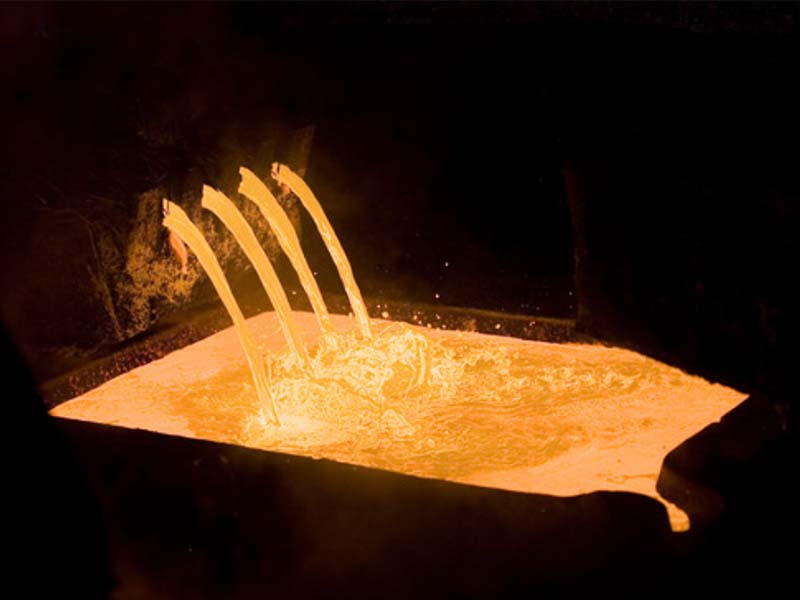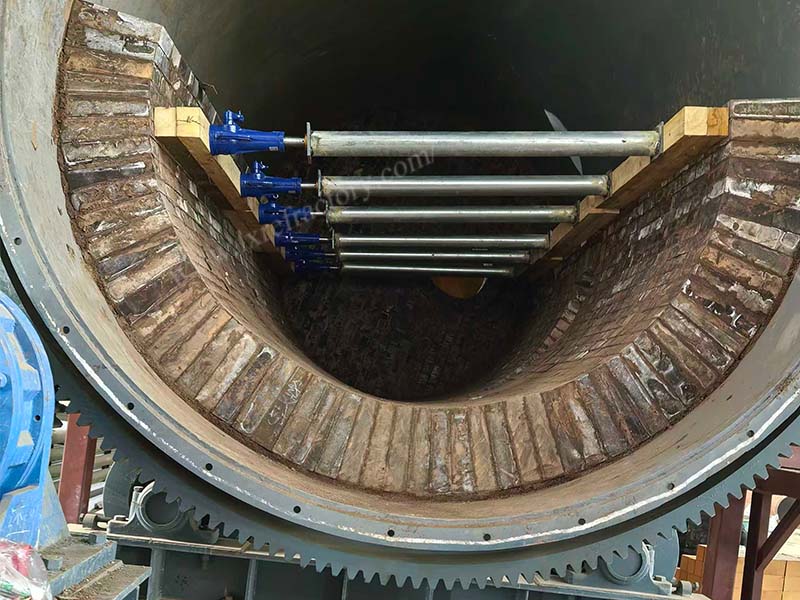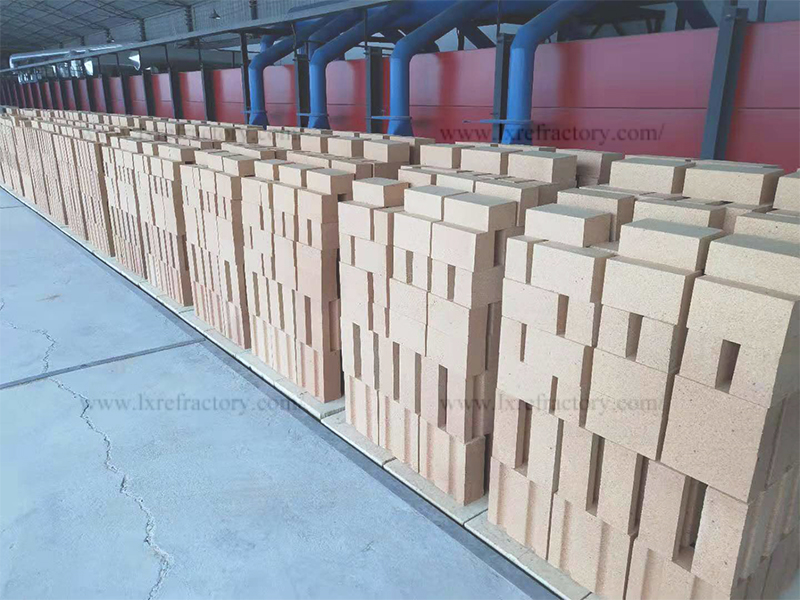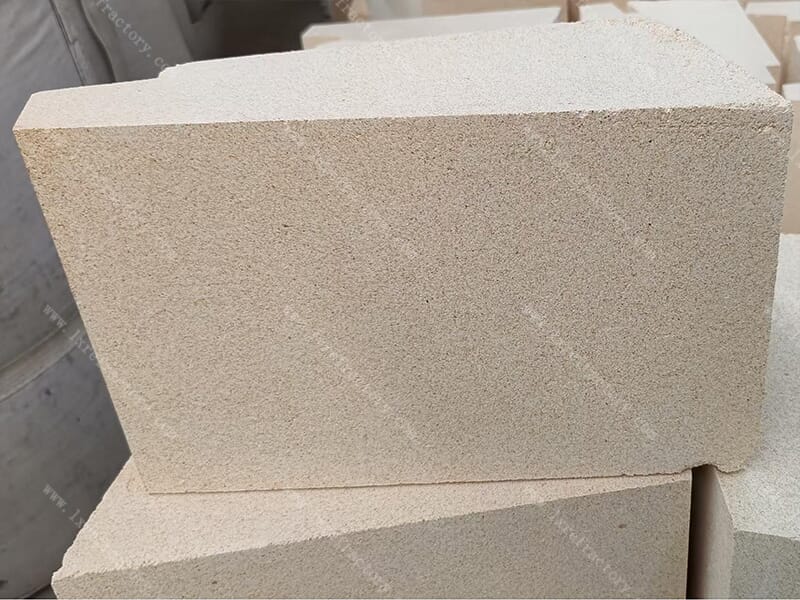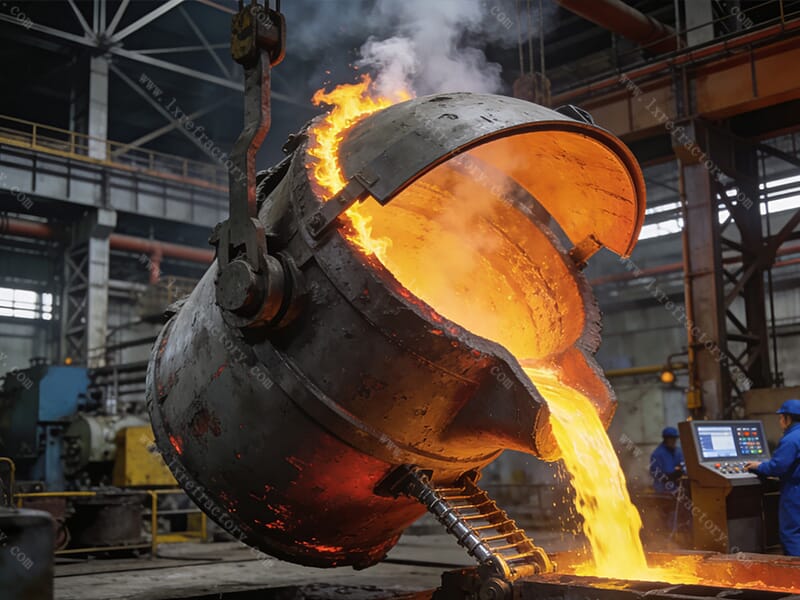
Refractory fire bricks, as the core lining material of industrial kilns, directly determine the kiln’s operating efficiency, production costs, and safety, playing an irreplaceable role in high-temperature operations such as building materials, metallurgy, and chemicals. The factors affecting refractory brick lifespan are complex and diverse; scientifically managing these variables is crucial for extending its service life.
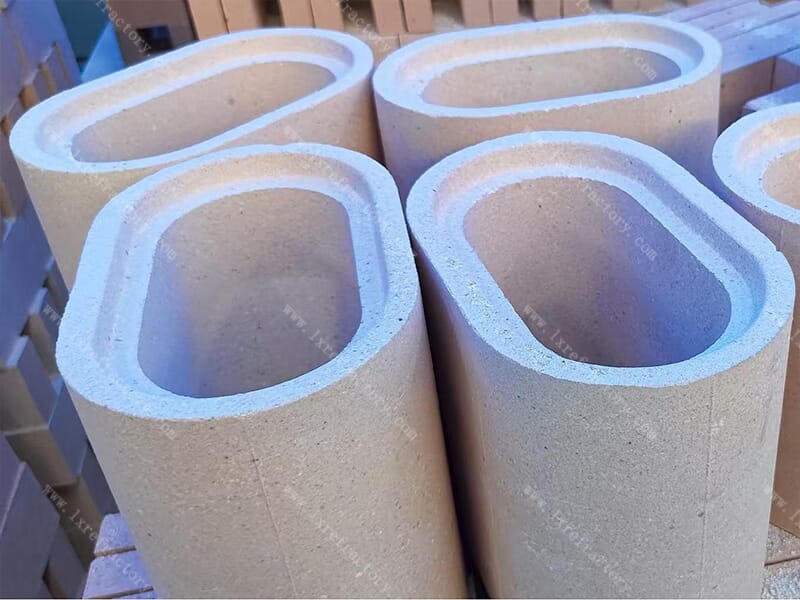
refractory fire brick
The material’s inherent properties are fundamental.
Key indicators of refractory fire bricks, such as refractoriness, high-temperature strength, thermal shock resistance, and erosion resistance, directly determine their ability to withstand high-temperature environments. For example, high-alumina refractory fire bricks, with their higher alumina content, exhibit superior erosion resistance compared to clay fire bricks, making them more suitable for steel smelting kilns; while silica refractory fire bricks demonstrate strong volume stability at high temperatures, making them suitable for glass kilns. Selecting refractory fire bricks precisely matched to the kiln’s operating conditions is a prerequisite for extending lifespan.
Operating conditions and usage significantly impact lifespan.
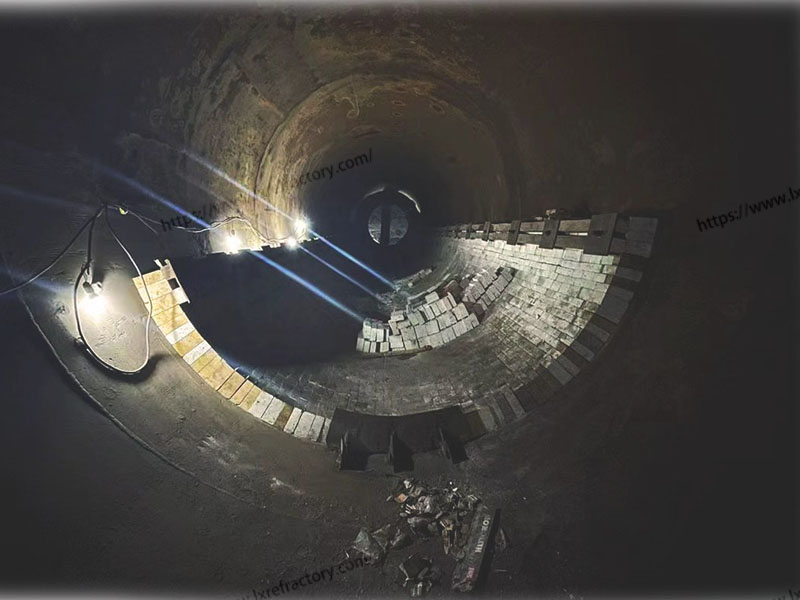
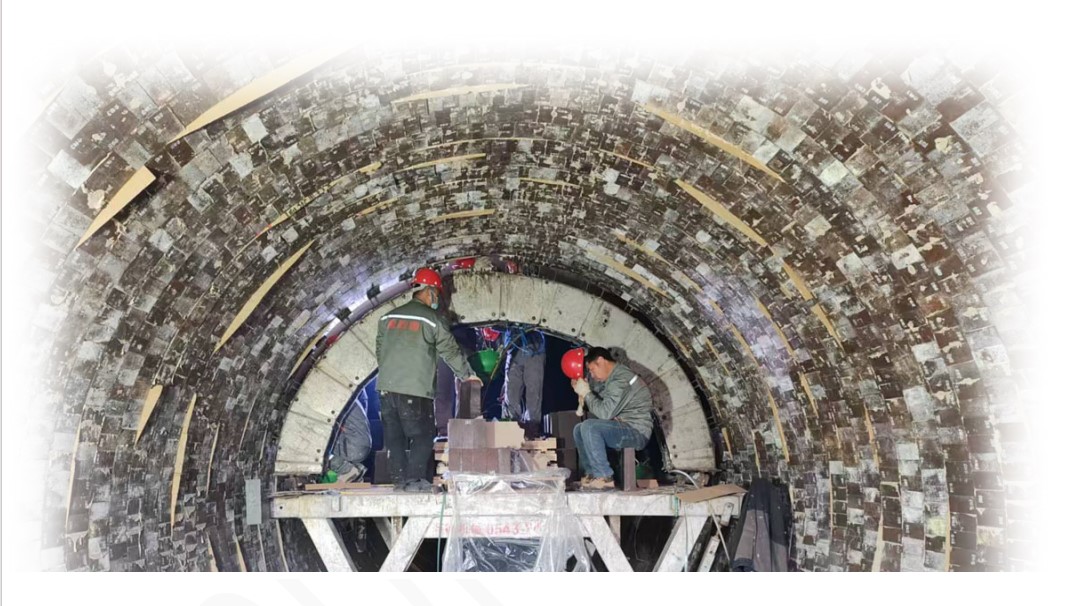
Temperature fluctuations and heating/cooling rates within the kiln cause thermal expansion and contraction in refractory fire bricks. Repeated temperature changes over time can lead to cracks and even spalling. Properly controlling the temperature control rhythm can reduce thermal stress damage. Simultaneously, material erosion and furnace gas corrosion gradually damage the refractory brick structure. Optimizing material composition and controlling the furnace atmosphere can reduce erosion losses. Furthermore, the quality of the lining is crucial; uneven mortar joints and insufficient brick adhesion can create stress concentration points, accelerating damage.
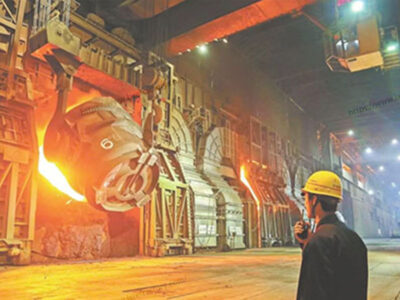
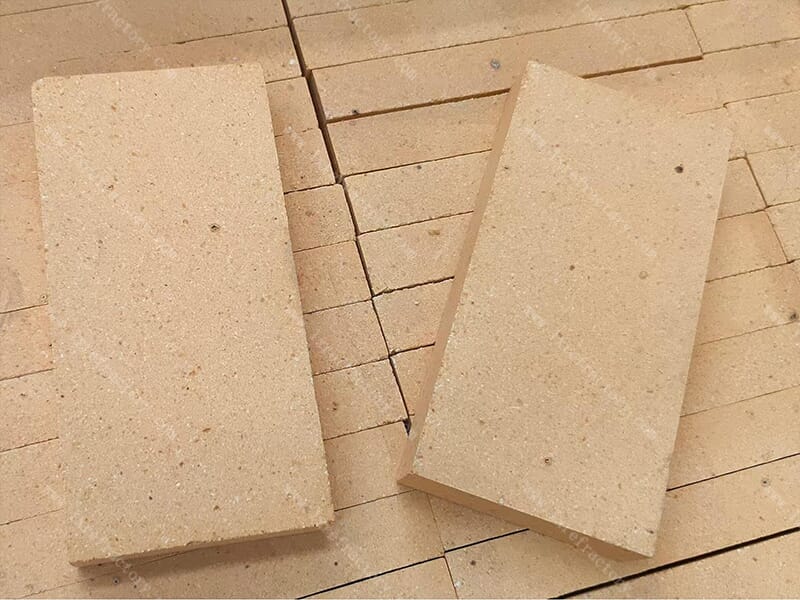
refractory fire bricks
Routine maintenance is essential for extending the refractory brick’s lifespan.
Regular inspections of the kiln lining, timely repair of minor cracks, and replacement of locally damaged fire bricks can prevent further damage. During kiln shutdowns for maintenance, proper insulation and moisture protection of the refractory fire bricks are crucial to prevent performance degradation caused by environmental factors. Developing personalized maintenance plans based on kiln operating data can maximize the service value of the refractory fire bricks.
Extending the lifespan of refractory fire bricks not only reduces replacement frequency and lowers production costs but also mitigates production interruptions and safety risks caused by lining damage. With the upgrading of refractory material technology, new types of composite refractory fire bricks are constantly emerging, providing strong support for improving the stability of kiln operation and promoting the green and efficient development of industry.