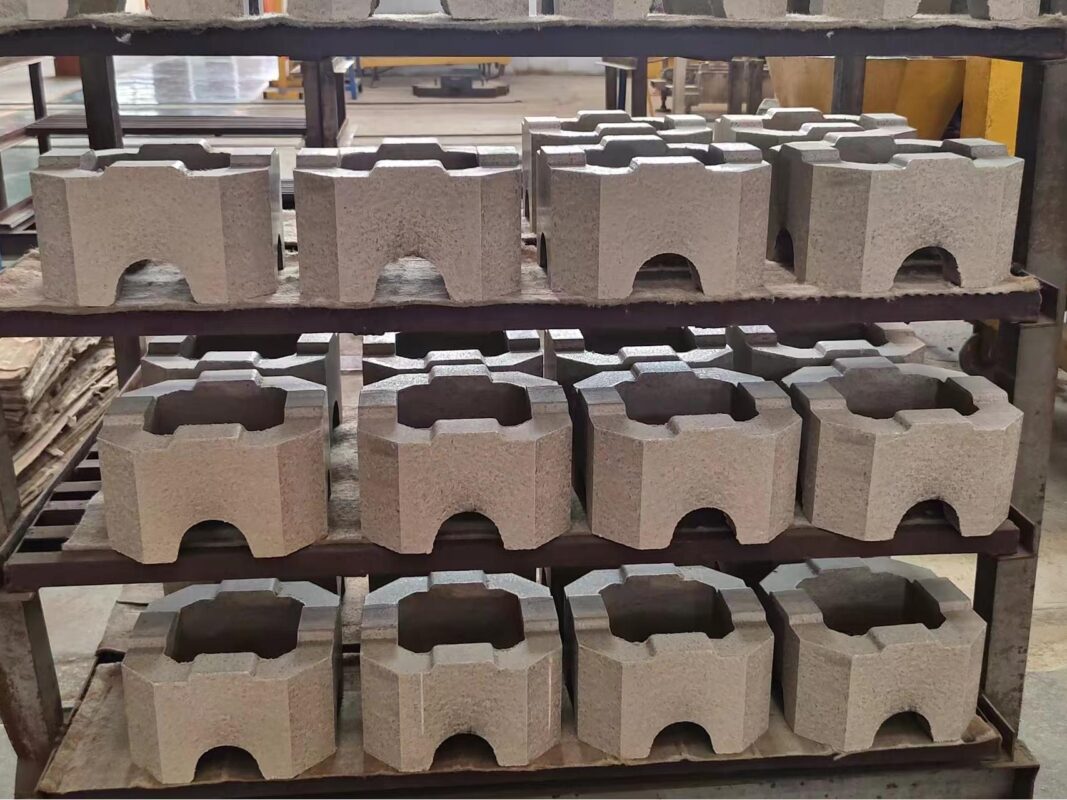
Refractory resistance refers to the ability of a refractory material to resist melting under high temperatures without load. It is also the basis for determining whether a material can be used as a refractory. The International Organization for Standardization (ISO) defines inorganic non-metallic materials with a refractoriness of 1500℃ or higher as refractory materials.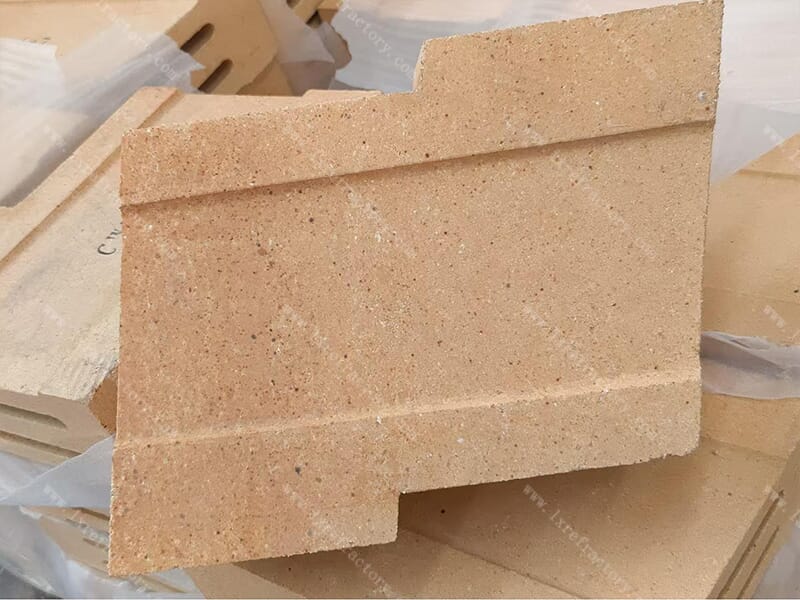
Refractory resistance differs from melting point and cannot be used as the service temperature of a refractory material.
Refractory resistance refers to the ability of a sample to resist melting under high temperatures. It differs from melting point, which is the temperature at which the crystalline and liquid phases of a pure substance are in equilibrium. Unshaped refractories and their raw materials are aggregates composed of various compounds, therefore they do not have a melting point, only a melting temperature range. Refractoriness is determined using a comparative method.
The chemical and mineral composition and microstructure of a material are the most fundamental factors affecting its refractoriness. Various impurities, especially those from strong fluxes, will severely reduce its refractoriness. Therefore, careful selection and high purification of materials are crucial. It should be pointed out that using refractoriness as the general service temperature for materials is incorrect. This is because by the time the refractoriness temperature is reached, the material has softened and lost its mechanical strength. The service temperature is determined by a comprehensive evaluation of performance indicators such as refractoriness and load softening temperature.
Refractory temperature indicates the temperature at which a refractory material softens to a certain extent. At this temperature, the refractory material has generally melted (and is no longer usable in the kiln). At this temperature, the refractory material no longer possesses mechanical strength or resistance to corrosion.
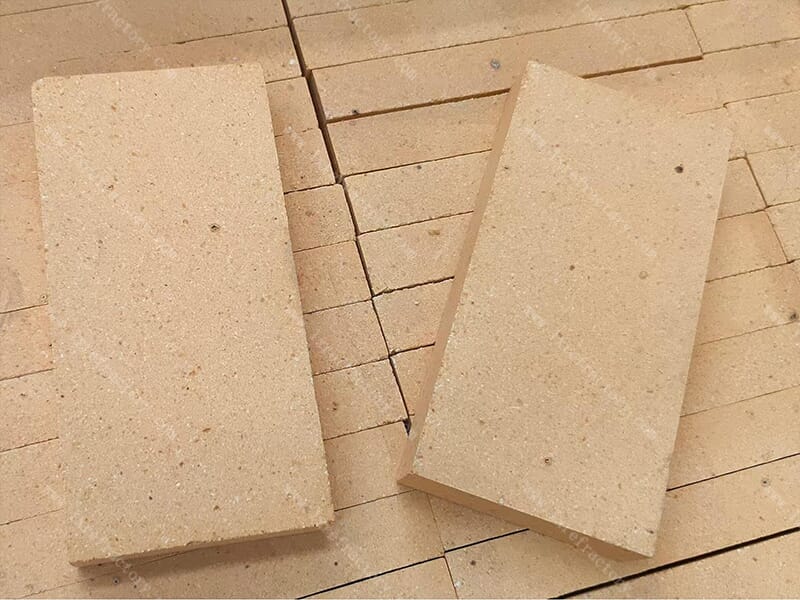
Load softening temperature refers to the temperature at which a refractory material deforms under a constant load under continuously increasing temperatures. It indicates the material’s resistance to the combined effects of high temperature and heavy load, and also characterizes the softening temperature at which the material exhibits significant plastic deformation. Therefore, this indicator is one of the important bases for determining the service temperature of monolithic refractories.
Increasing the purity of raw materials, reducing the content of low-melting-point substances or fluxes, increasing molding pressure, and producing high-density brick blanks can significantly increase the load softening temperature of the finished product.