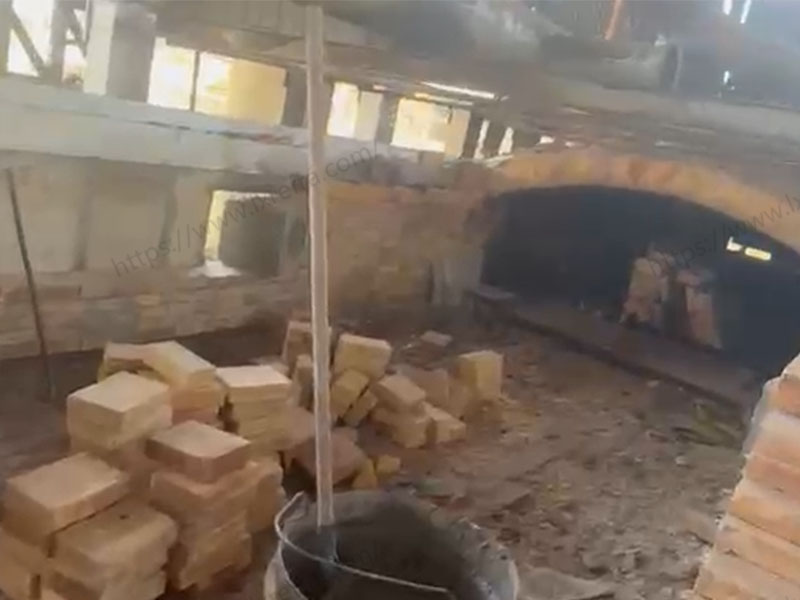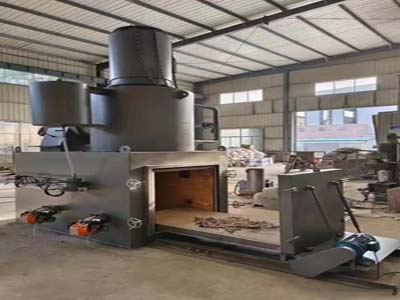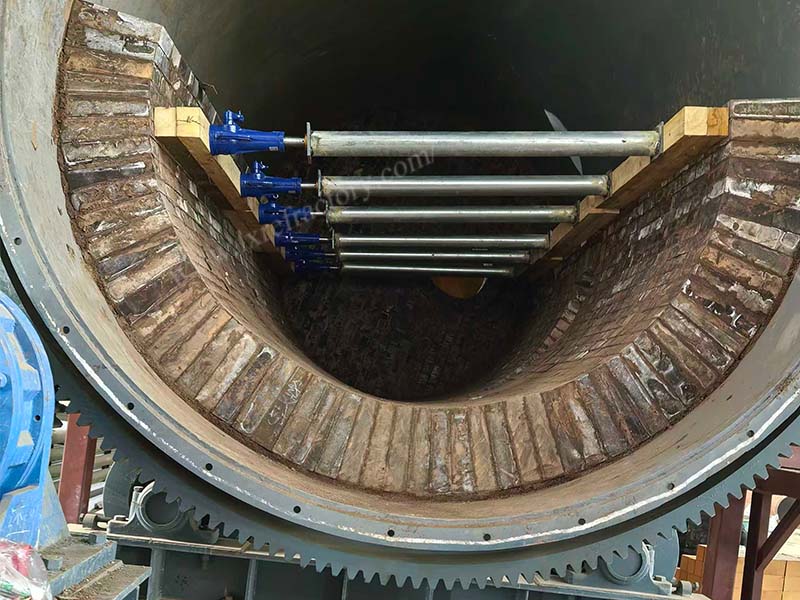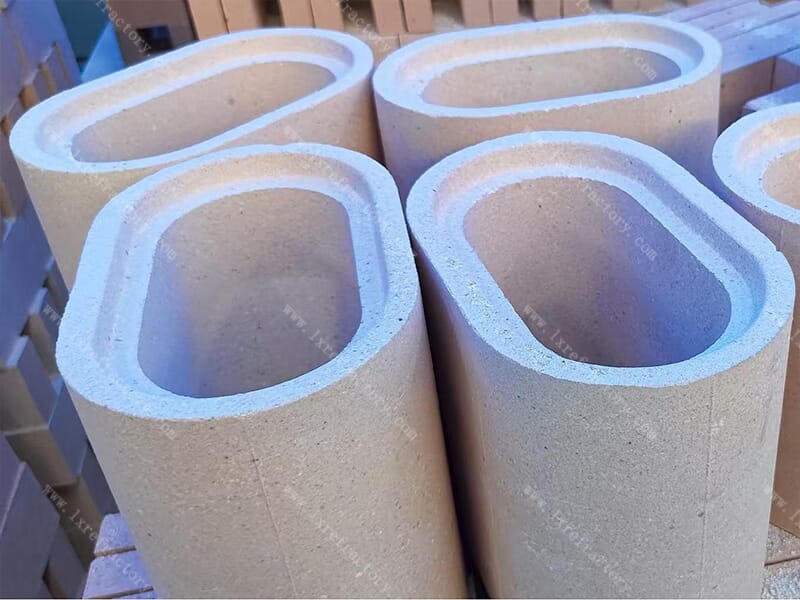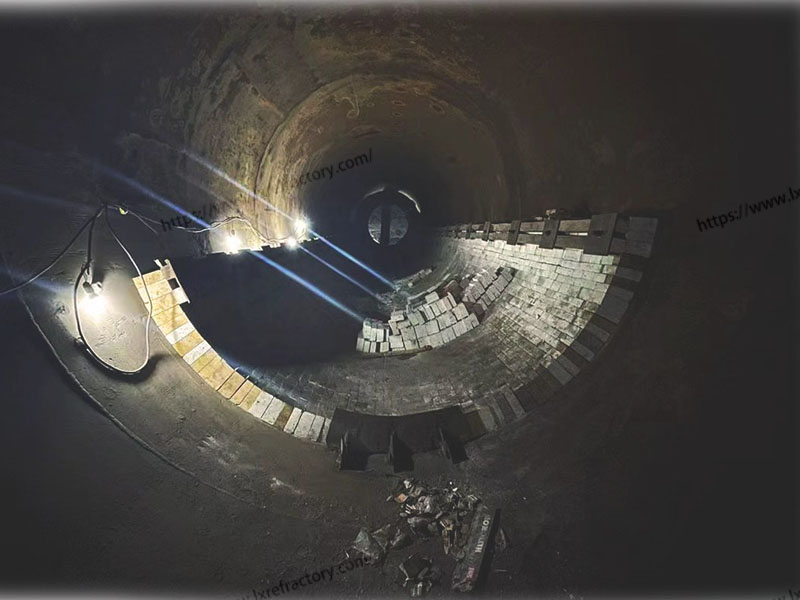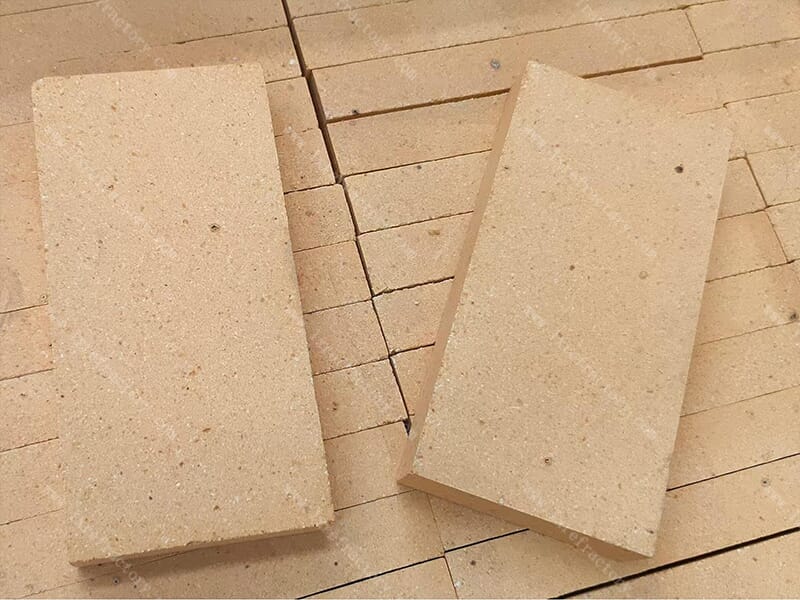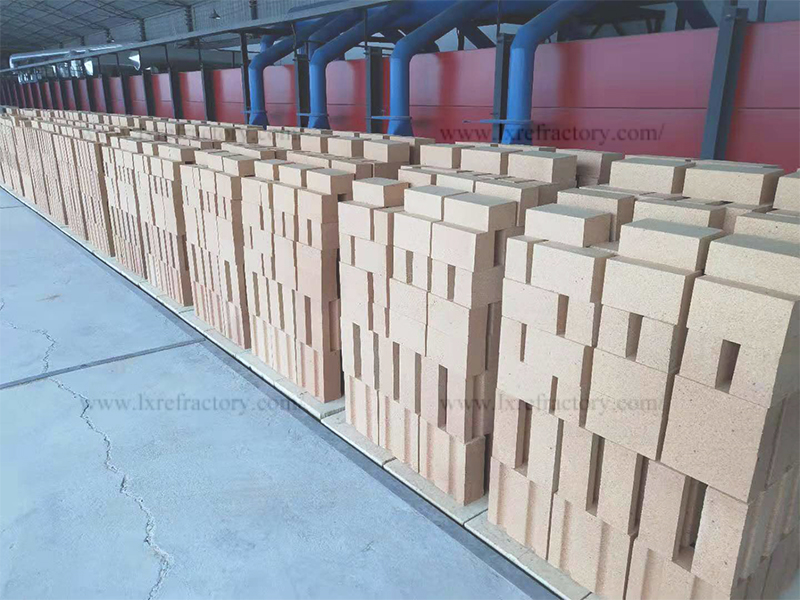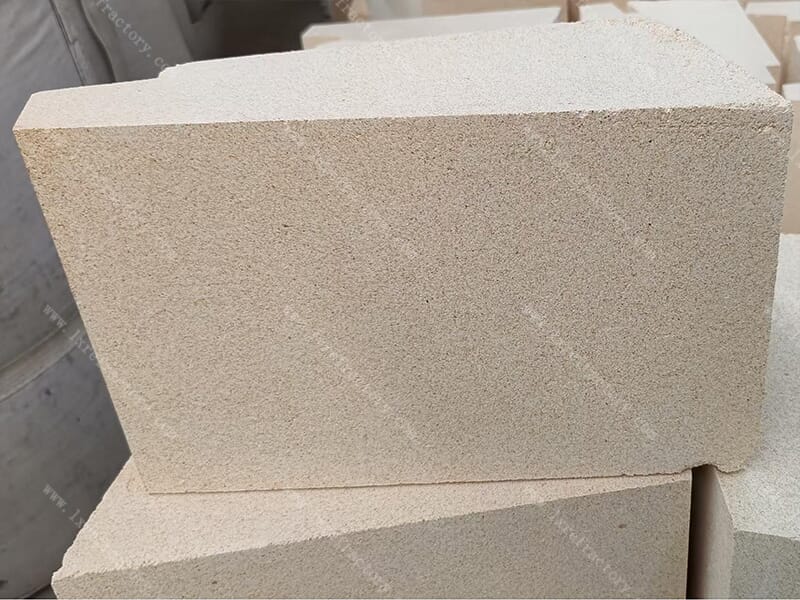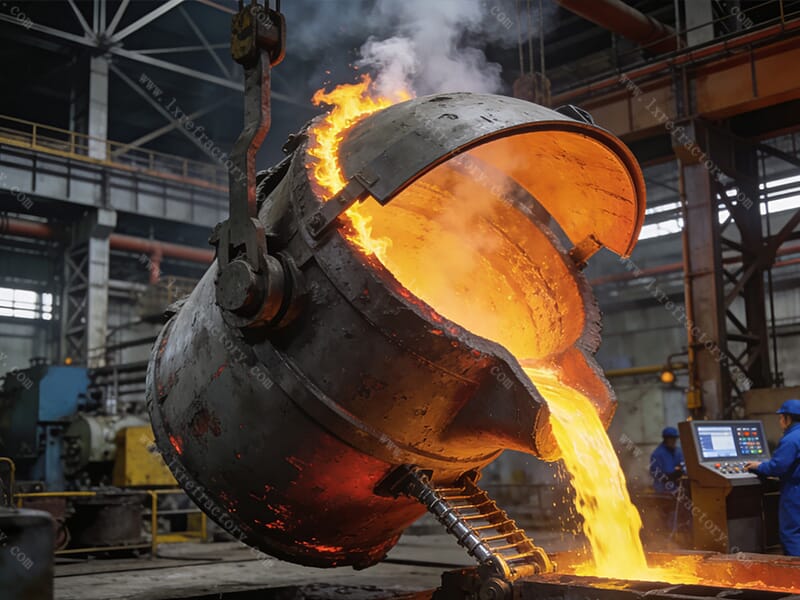
Recently, we provided ceramic fiber blankets and alumina bricks to an Egyptian client.
Based on the client’s furnace conditions, including raw materials, start-up time, process, on-site production conditions, and output requirements, we designed a refractory material solution for them.
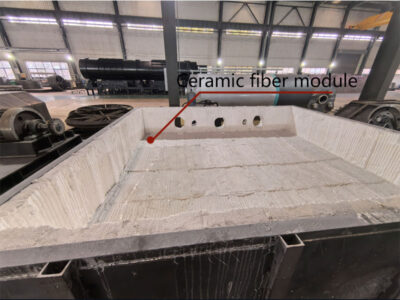
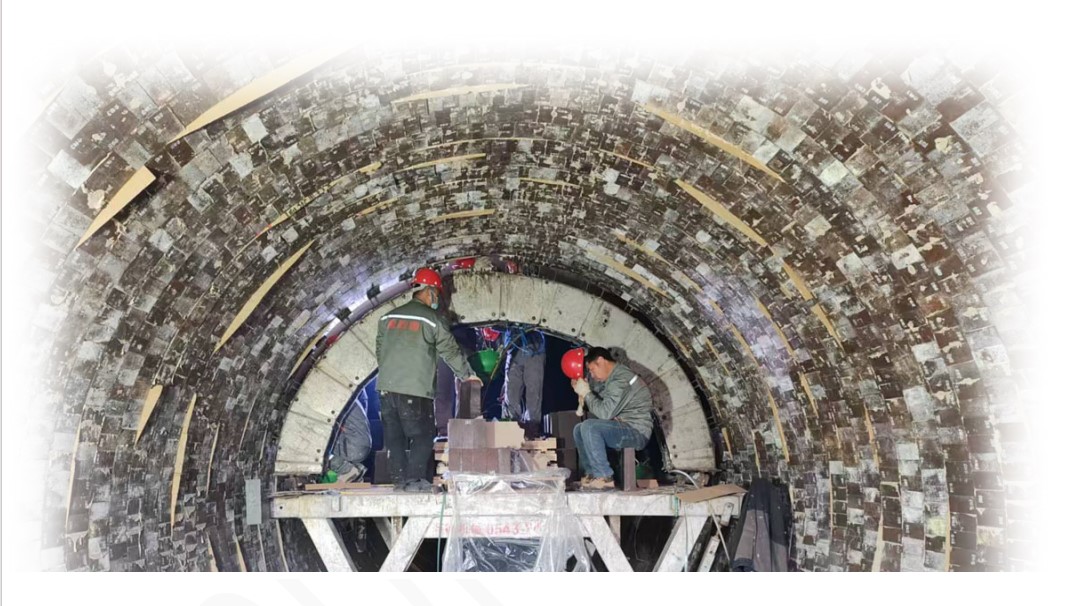
The position of the ceramic fiber module inside the furnace
One point I’d like to share is the role of ceramic fiber blankets in the furnace. The client mentioned high furnace shell temperatures and high fuel demands.
Our team suggested adding ceramic fiber blankets for the following reasons:
They provide thermal insulation, reducing furnace shell temperature, minimizing heat loss, saving fuel/electricity costs, and improving thermal efficiency.
They provide thermal protection with long-term high-temperature resistance and can be used directly with refractory bricks to protect the furnace steel structure from high-temperature deformation.
They seal and plug leaks: filling gaps in furnace joints, furnace doors, observation holes, and wall penetrations to prevent high-temperature flue gas and fire leaks.
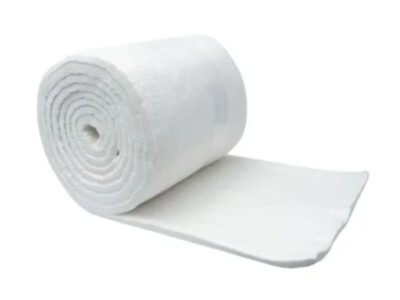
Ceramic fiber blanket
Noise reduction: Weakening the high-temperature airflow and combustion noise inside the furnace, improving the on-site environment.
Based on customer needs, after the design is completed, it is discussed with the customer. Once the customer agrees to the design, refractory materials are procured. After construction, the customer starts using the furnace. Follow-up customer satisfaction reports that the temperature at the factory site is lower than before and fuel is saved.
If you have any questions about furnaces, you can consult Henan Ruitai Lianxin Refractory Materials Co., Ltd.