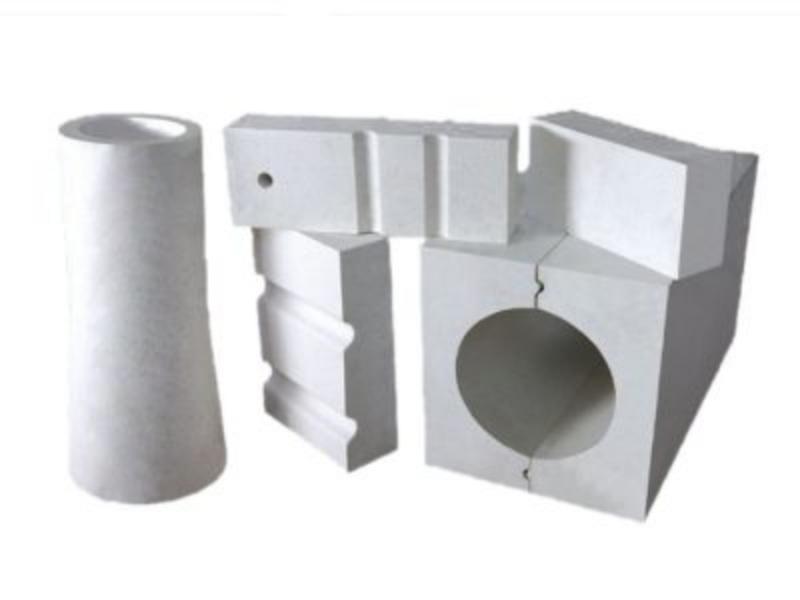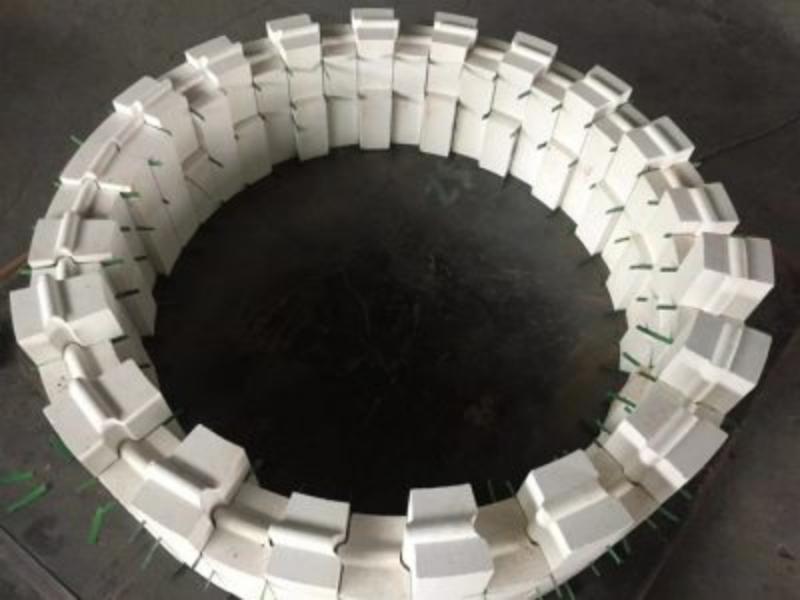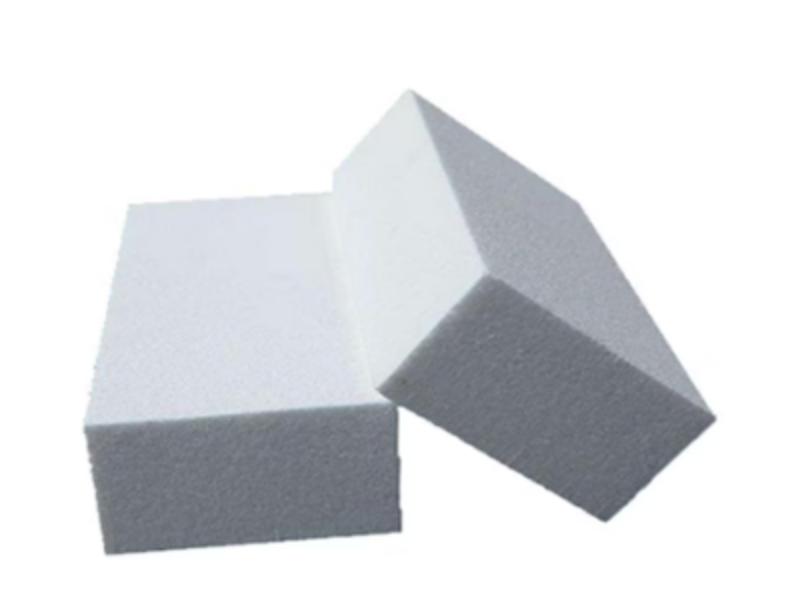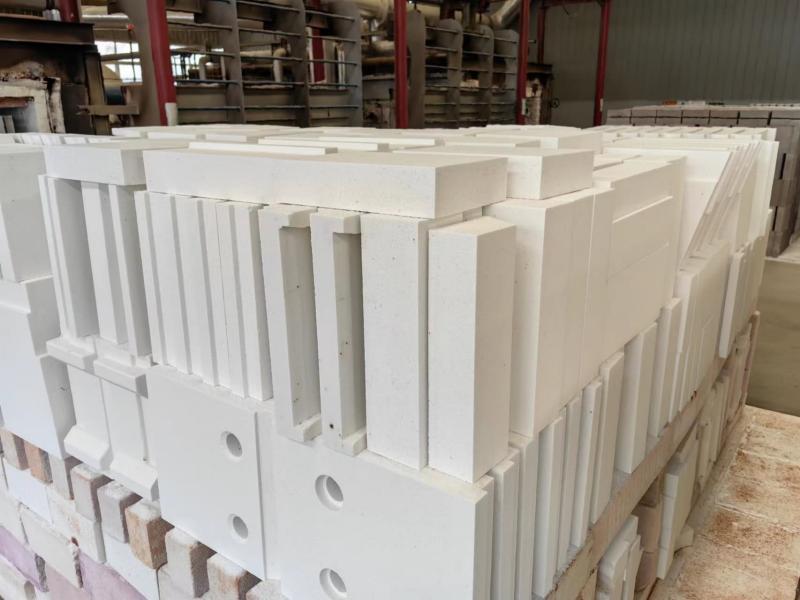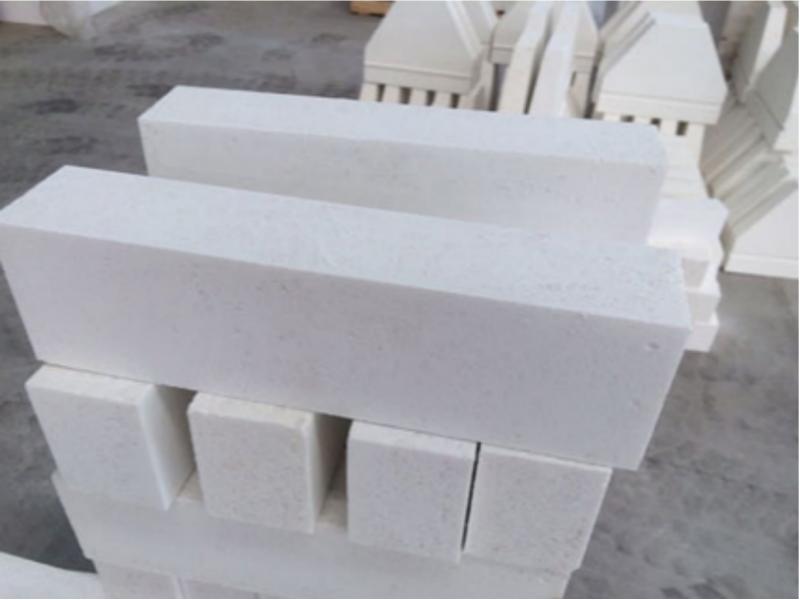
Corundum bricks refer to refractory products with an alumina (Al₂O₃) content greater than 90% and corundum (α-Al₂O₃) as the main crystalline phase. They possess extremely high mechanical strength, excellent erosion resistance, and a load softening temperature exceeding 1700℃. Due to differences in raw materials, processes, and compositions, corundum bricks can be classified in various ways, mainly including the following:
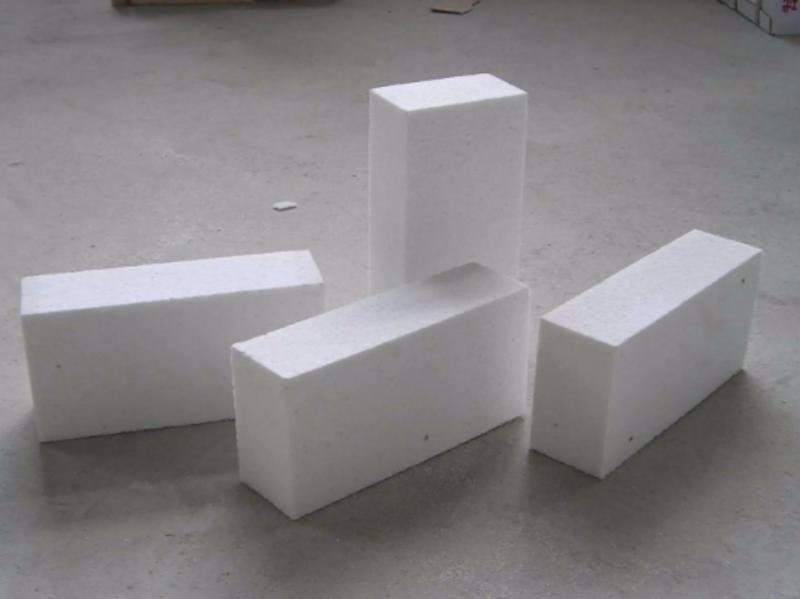
1. Classification by Production Process
This is the most basic classification method, mainly divided into two categories:
Sintered Corundum Bricks: Made from sintered alumina or high-alumina bauxite clinker, finely ground, shaped, and then sintered at high temperatures. These bricks have a dense structure and stable performance.
Electrofused Corundum Bricks: Made by melting the raw materials in an electric arc furnace at temperatures above 2000℃ and then casting them. Electrofused products have larger grains, fewer impurities, and stronger erosion resistance, but are also more expensive. Further subdivisions include fused cast corundum bricks and products made by combining fused corundum granules with sintering.
2. Classification by Chemical Composition and Mineral Phase
This is the most fundamental classification method, directly determining the brick’s performance and application scenarios.
2.1. Grading by Alumina Purity: Industry standards typically classify corundum bricks into grades such as GYZ-99, GYZ-98, and GYZ-95 based on Al₂O₃ content. The numbers represent the percentage of alumina content; higher purity indicates superior performance.
2.2. Classification by Introduced Specific Components: To achieve better performance under specific working conditions, other oxides are introduced for modification.
Chromium Corundum Bricks: Introducing Cr₂O₃ (chromium oxide) significantly improves resistance to erosion from slag, molten glass, and other corrosive environments, making them widely used in highly corrosive environments such as coal-water slurry gasification furnaces.
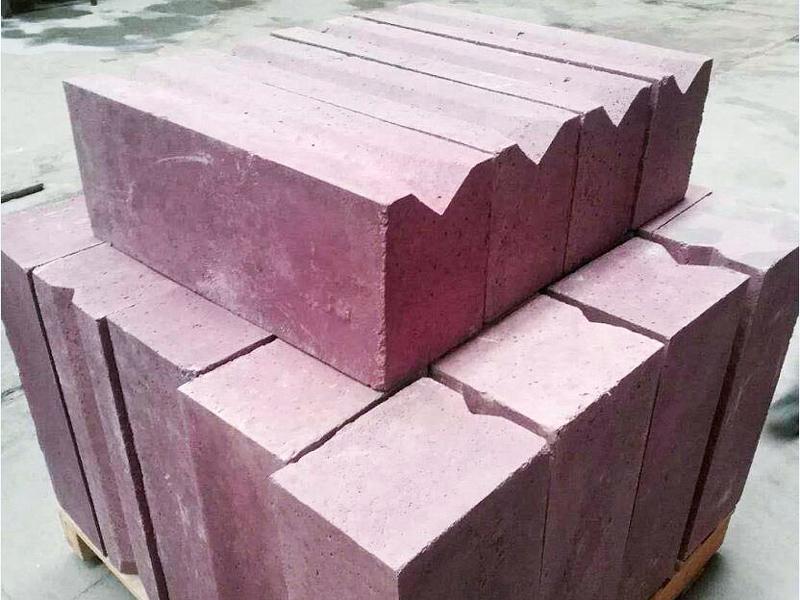
Zirconium Corundum Bricks: Introducing ZrO₂ (zirconia), utilizing its phase transformation toughening mechanism, significantly improves the brick’s toughness and thermal shock resistance, commonly found in areas with large temperature fluctuations, such as glass kilns.
Corundum-Mullite Bricks: Introducing the mullite phase optimizes thermal shock resistance while maintaining high-temperature performance, making them suitable for use in areas subject to frequent thermal shock, such as blast furnace ceramic cups.
2.3. Unique Classification of Fused Cast Corundum Bricks: In high-grade fused cast bricks for glass kilns, they are further subdivided according to crystal phase structure into α-corundum bricks, β-corundum bricks, and α-β corundum bricks to match different temperature ranges and anti-fouling requirements.
3. Classification by Special Functions and Applications
There are also corundum bricks designed for specific industrial applications:
Microporous Corundum Bricks: With a micron-level pore structure, primarily used in blast furnace ceramic cups, effectively preventing molten iron penetration and extending furnace life.
Plastic Phase Composite Corundum Bricks: Introducing a plastic phase component aims to improve the brick’s toughness and thermal shock resistance, mainly used in blast furnace hearths and bottoms.