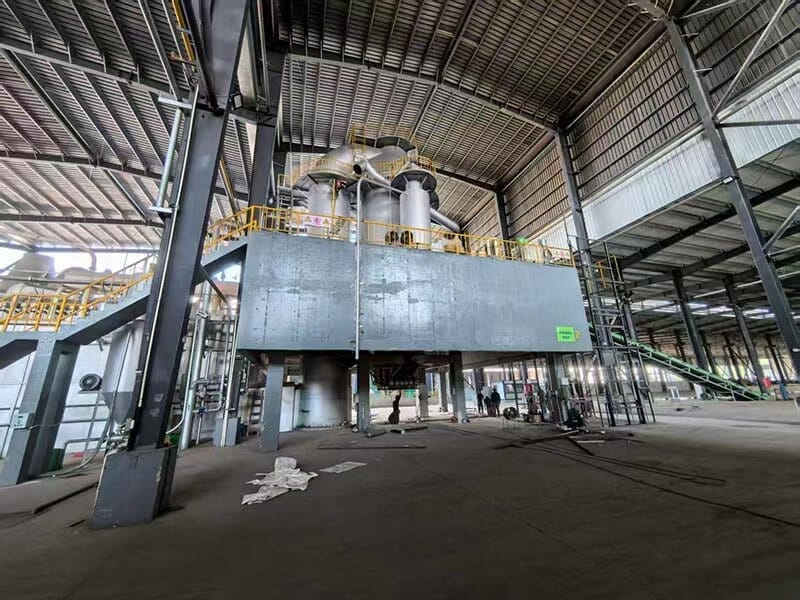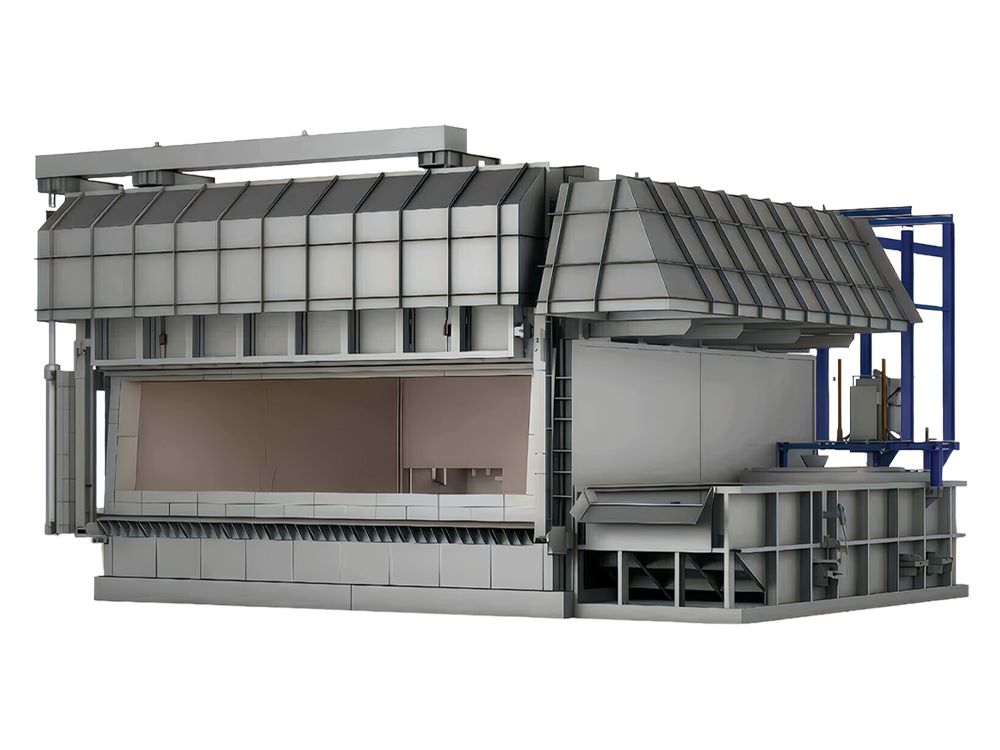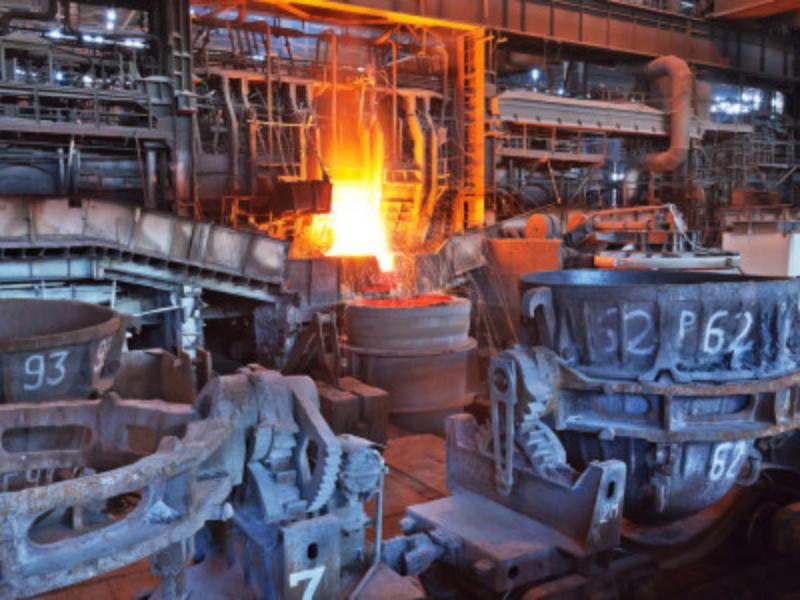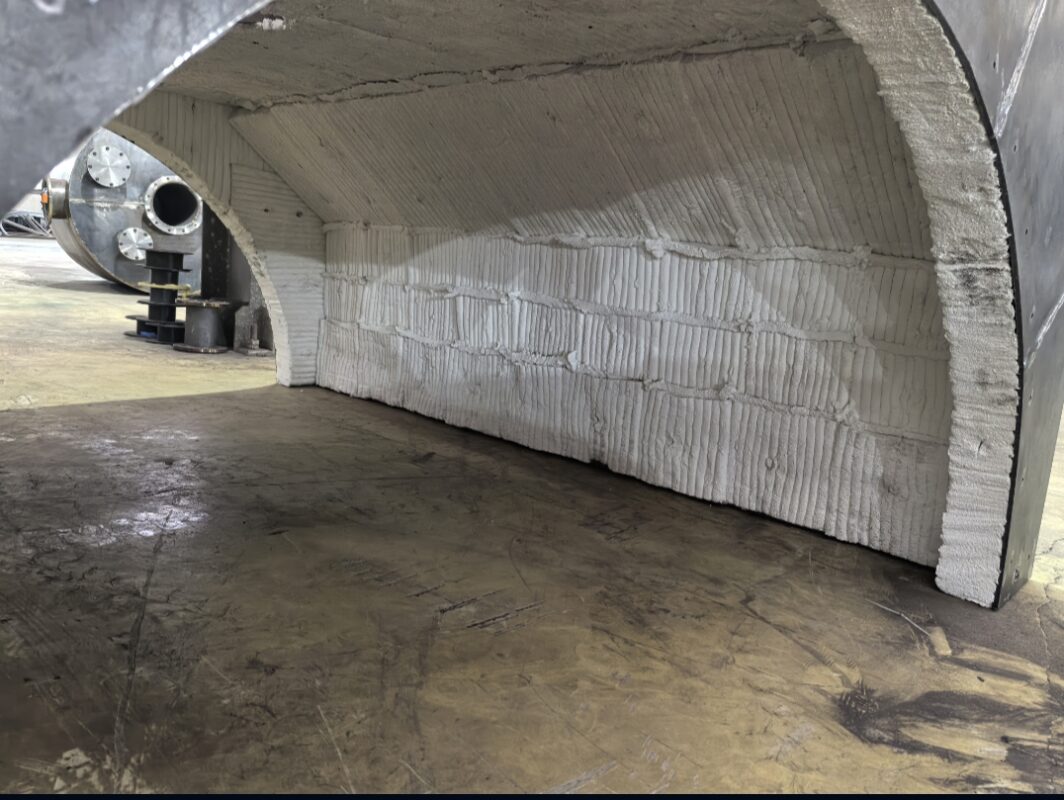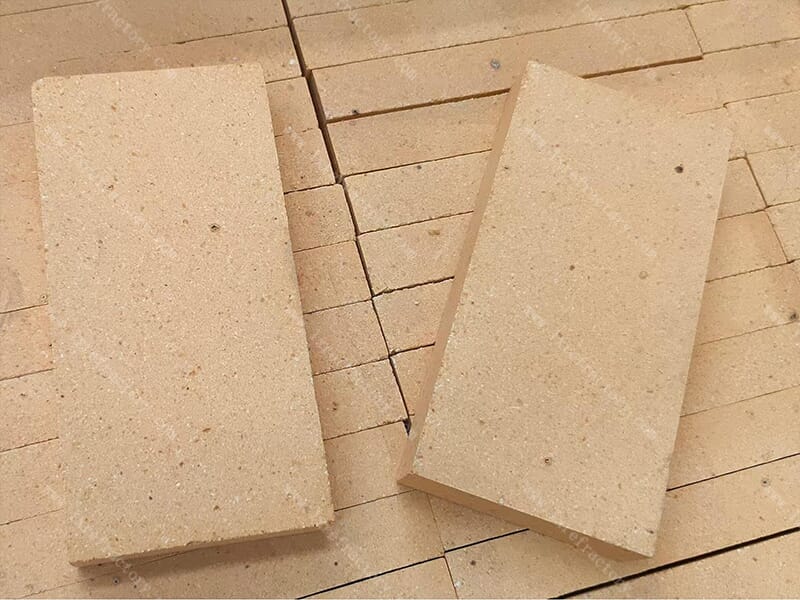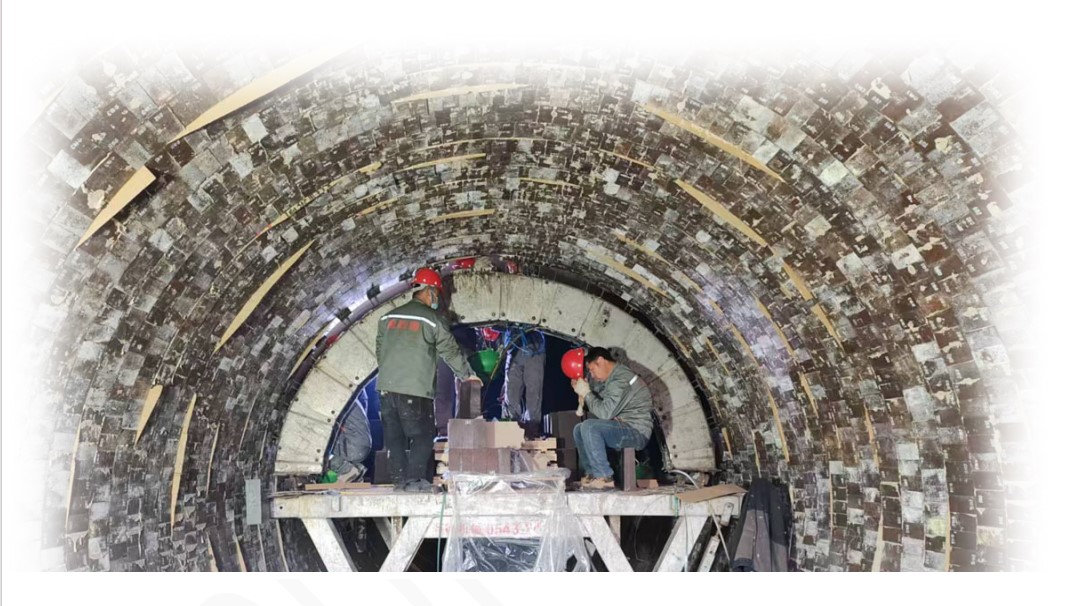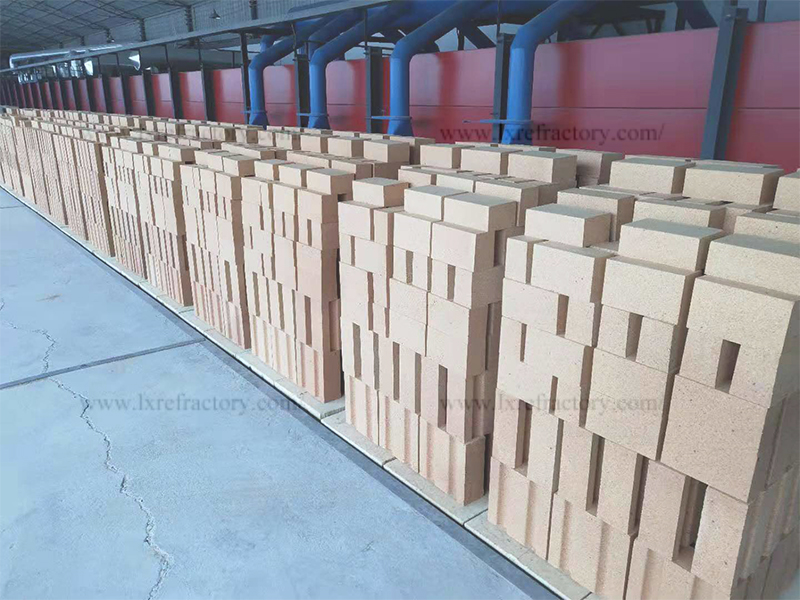
The refractory material configuration of a blast furnace follows the principle of “material selection based on location.” The operating conditions of different parts vary significantly, leading to drastically different material selection priorities. Modern blast furnaces mostly have a full water-jacketed structure, with refractory materials concentrated in key areas such as the hearth, throat, and forecourt.
The upper part of the furnace body and the flue have relatively mild operating conditions, mainly bearing the mechanical wear of the furnace charge and mild chemical corrosion. Red bricks or clay bricks are commonly used in non-working layers, while clay bricks are mainly used in the working layers. Some copper smelting furnaces also use chrome bricks to extend their service life.
The tuyeres area and the lower part of the furnace body are among the hottest areas inside the furnace. The operating temperature is approximately 1300℃, reaching 1500℃ in some areas, while simultaneously bearing the chemical corrosion of molten slag and molten metal, as well as the scouring effect of airflow. This area typically uses water-cooled plates or vaporized cooling water jackets in conjunction with refractory materials. The working layer typically uses dense clay bricks, high-alumina bricks, or magnesia-chrome bricks. There are also practices using high-alumina castable refractory for direct casting, relying on cooling to form a slag skin protective layer on the surface.
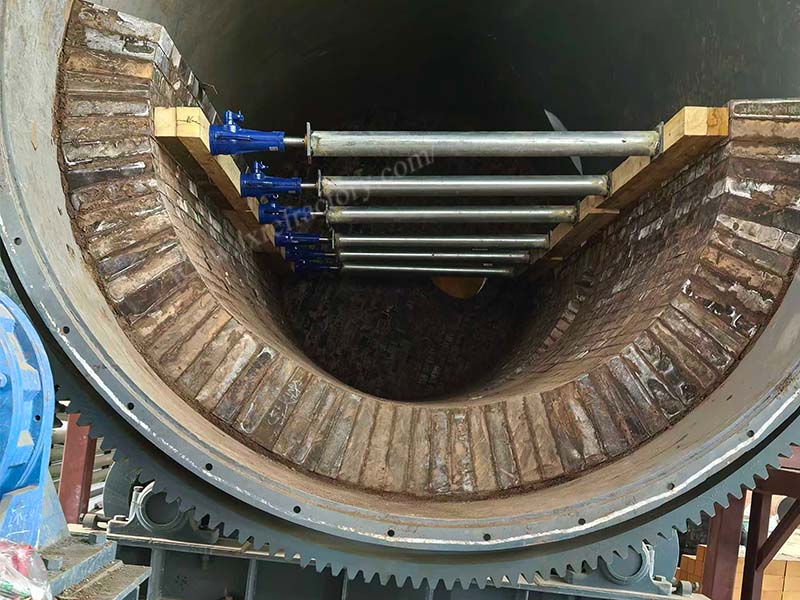
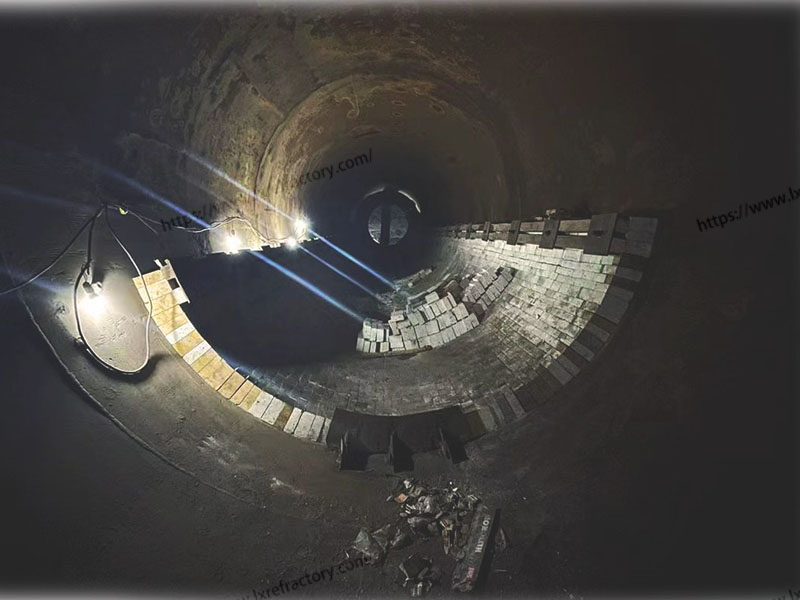
The hearth and throat come into contact with molten metal and alkaline slag. The high density and strong penetrability of molten lead easily cause the bottom bricks to float or the masonry to deform; therefore, the materials must have extremely high resistance to erosion and integrity. Magnesia bricks, magnesia-chrome bricks, or alumina-chrome bricks are commonly used at the throat. The hearth sidewalls and the working layer at the bottom use alkaline bricks such as magnesia bricks, magnesia-chrome bricks, or chrome bricks. The bottom is often constructed in an inverted arch shape to distribute stress. Using phosphate high-alumina ramming mix to integrally ram the hearth effectively reduces gaps and lead penetration.
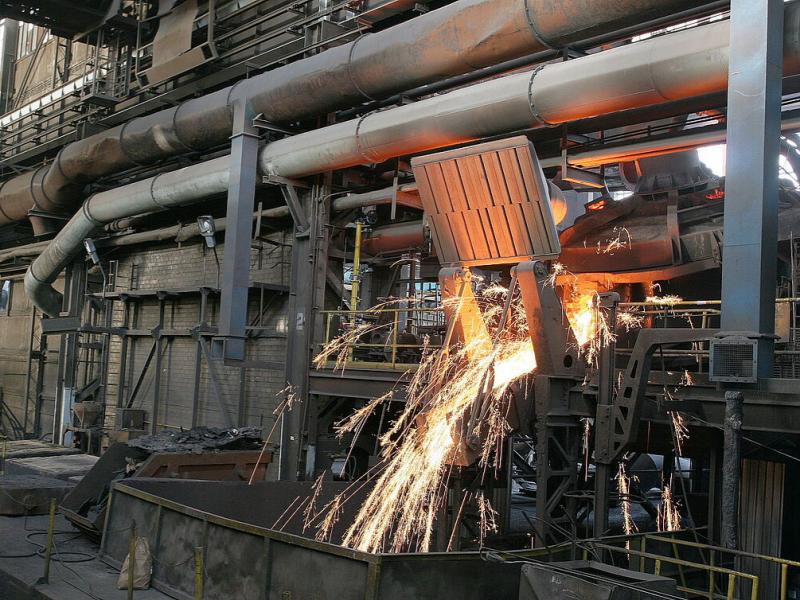
The foreboard and trough are used for melt separation and flow guidance. The trough bottom is generally built on top of clay bricks or insulating bricks, leveled with magnesia ramming mix, and then the working layer is constructed with magnesia-chrome bricks or chrome bricks. The bottom of the blast furnace is typically made of high-alumina bricks, while the walls are made of magnesia-chrome bricks or chrome bricks.
In summary, the selection of refractory materials for blast furnaces is guided by the severity of the operating conditions: clay bricks are used to control costs in milder areas, while alkaline materials such as magnesia-chrome bricks and magnesia bricks are relied upon to ensure service life in high-temperature and highly corrosive areas.