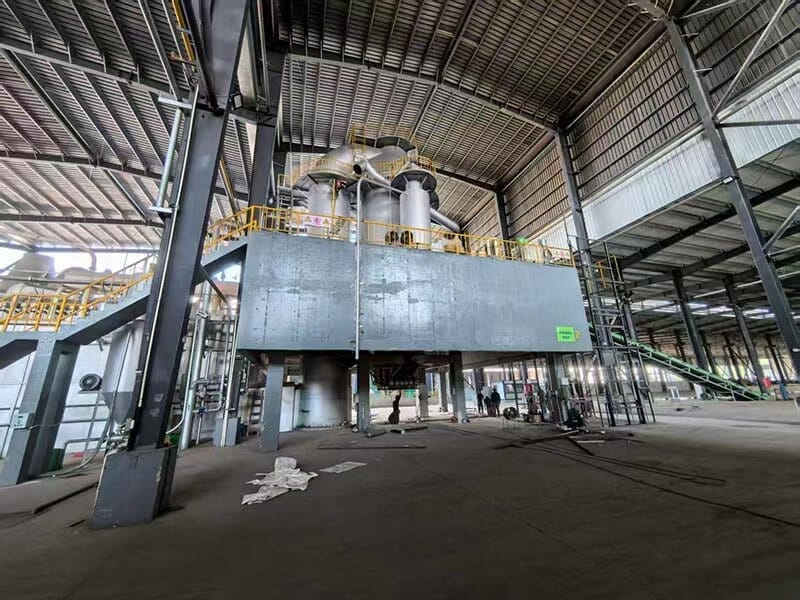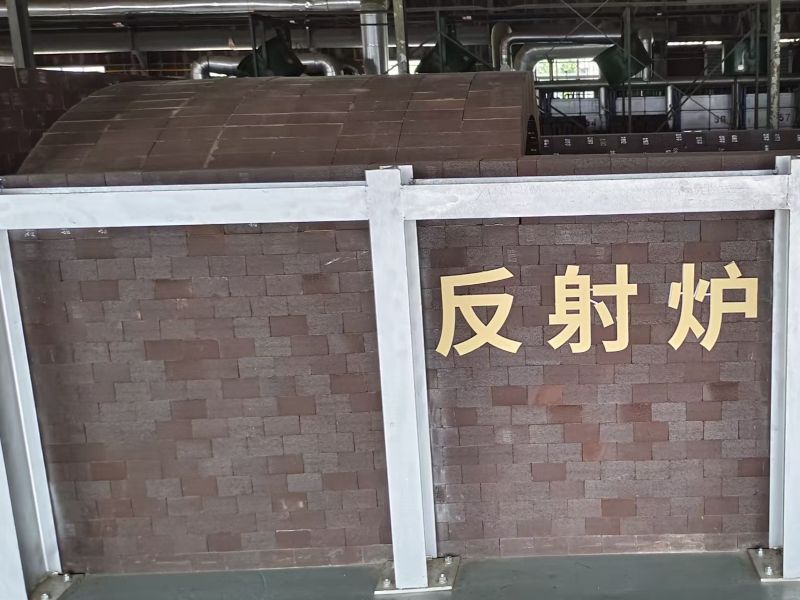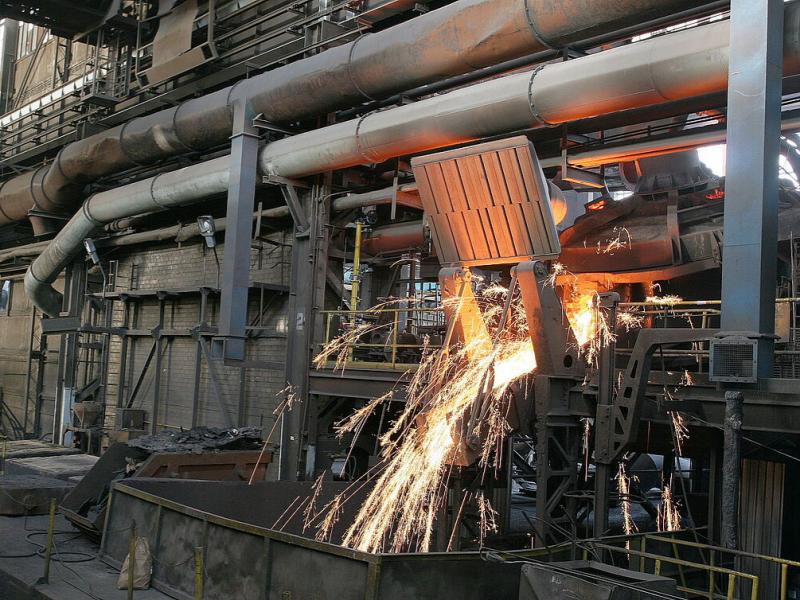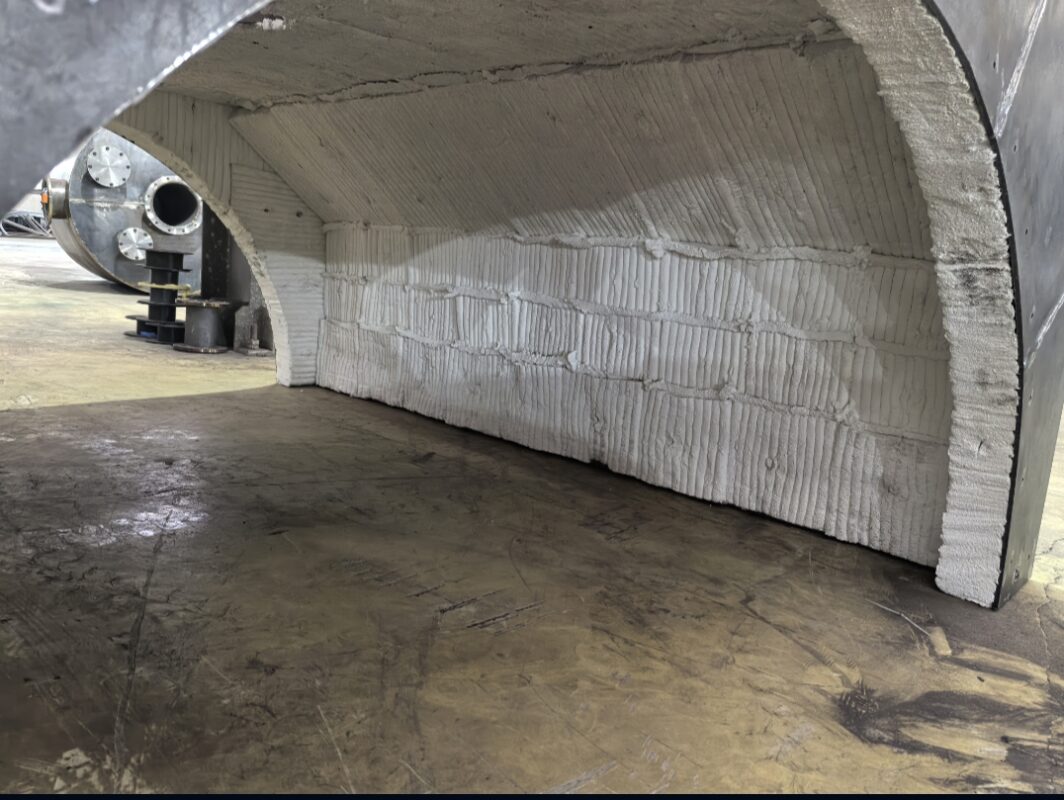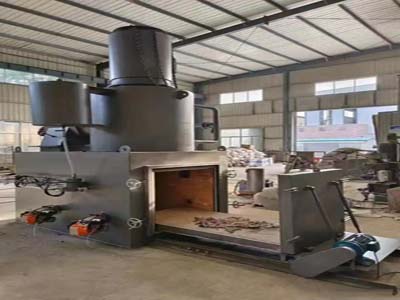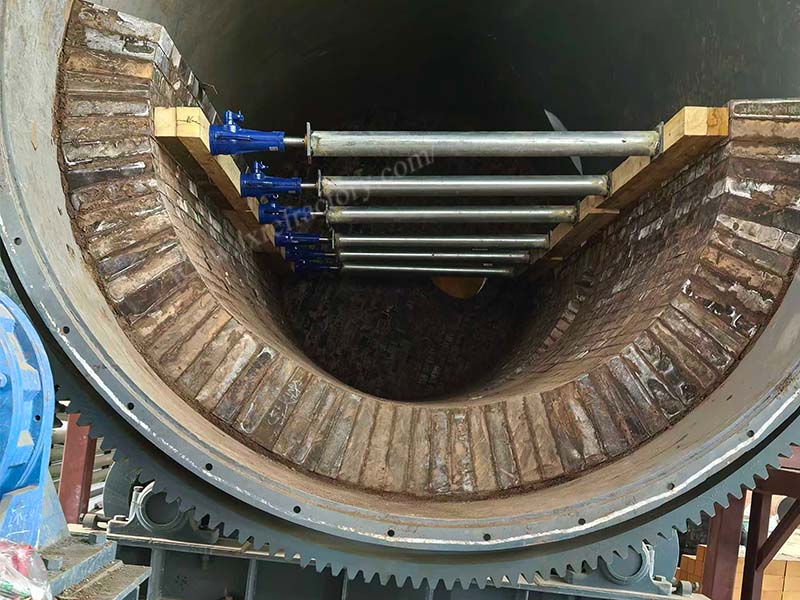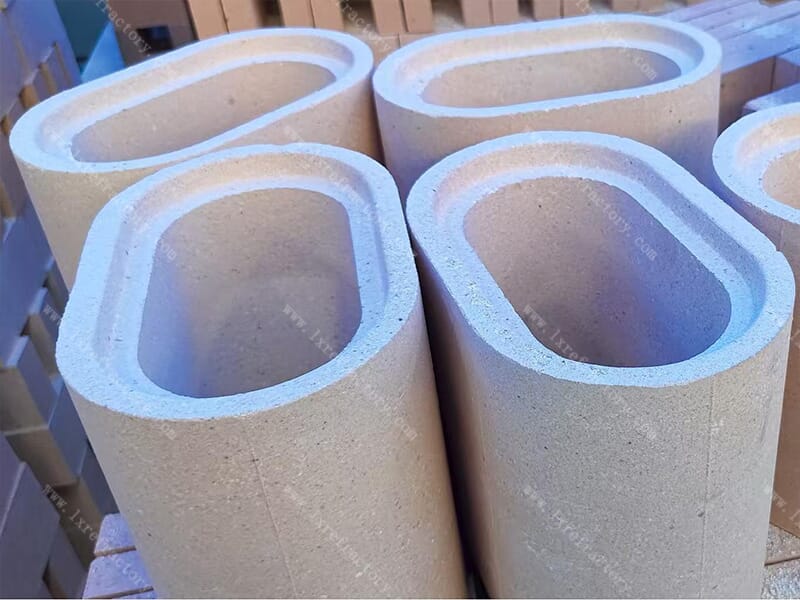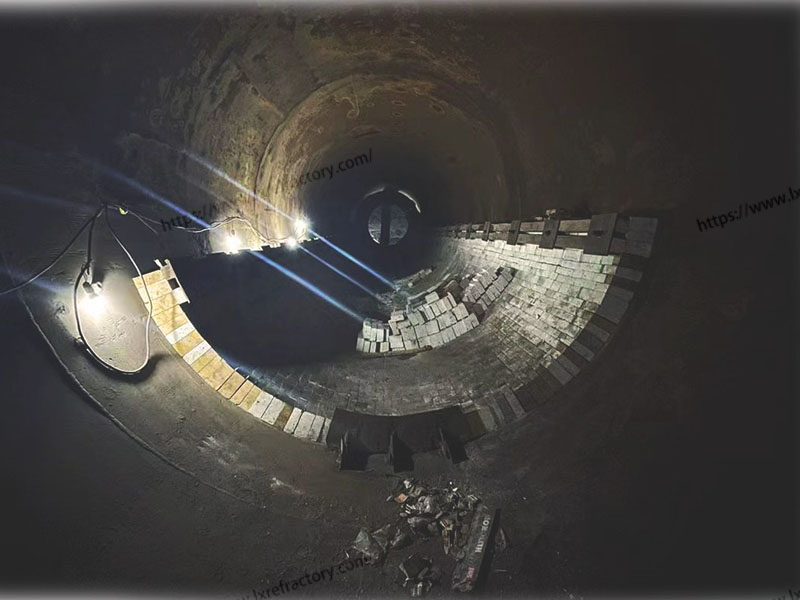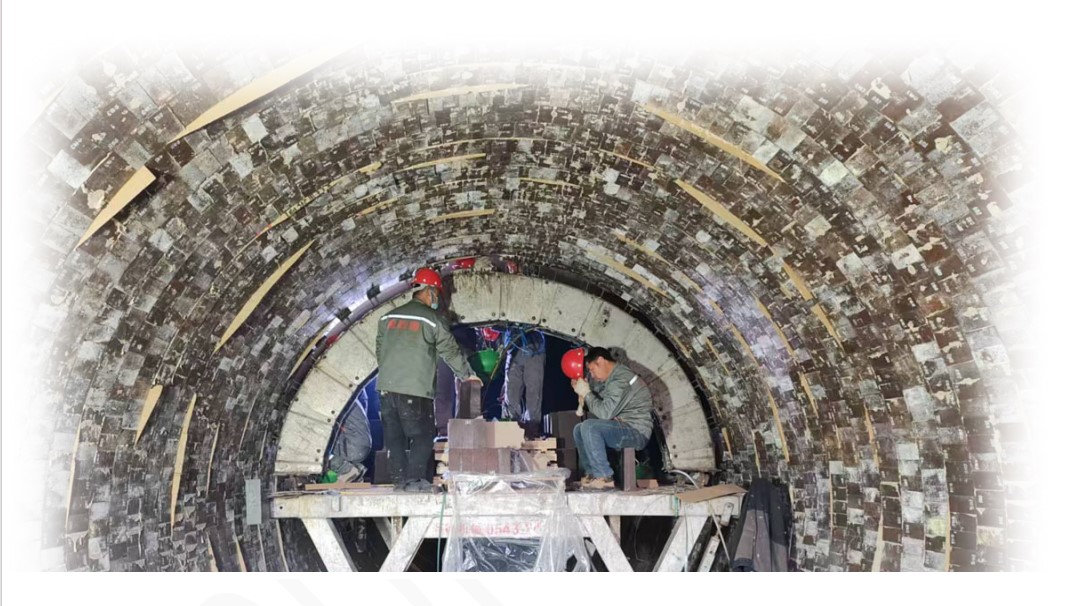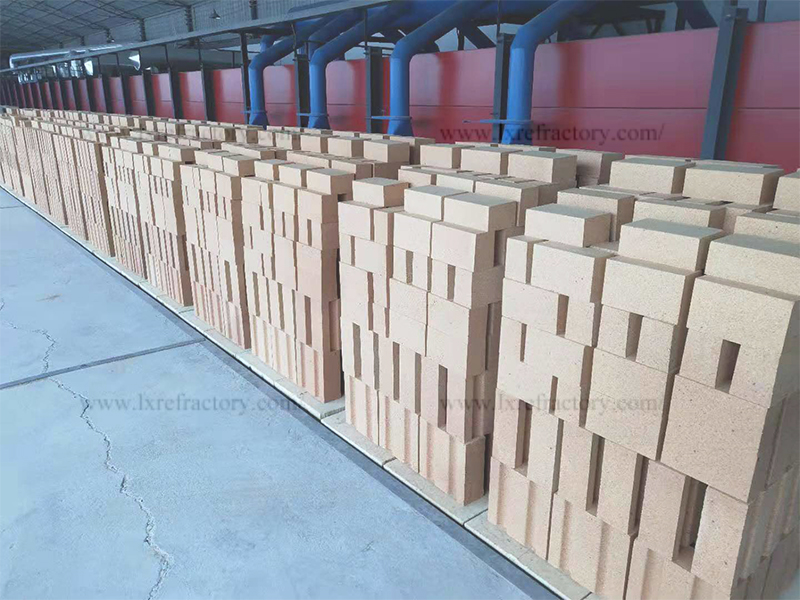
The working environment of different parts of a reverberatory furnace varies significantly, and the selection of refractory materials must be specifically matched to the requirements of thermal shock resistance, erosion resistance, and load-bearing capacity. The furnace lining configuration generally follows the principle of “high-temperature resistant and erosion-resistant inner layer, and thermal insulation outer layer.”
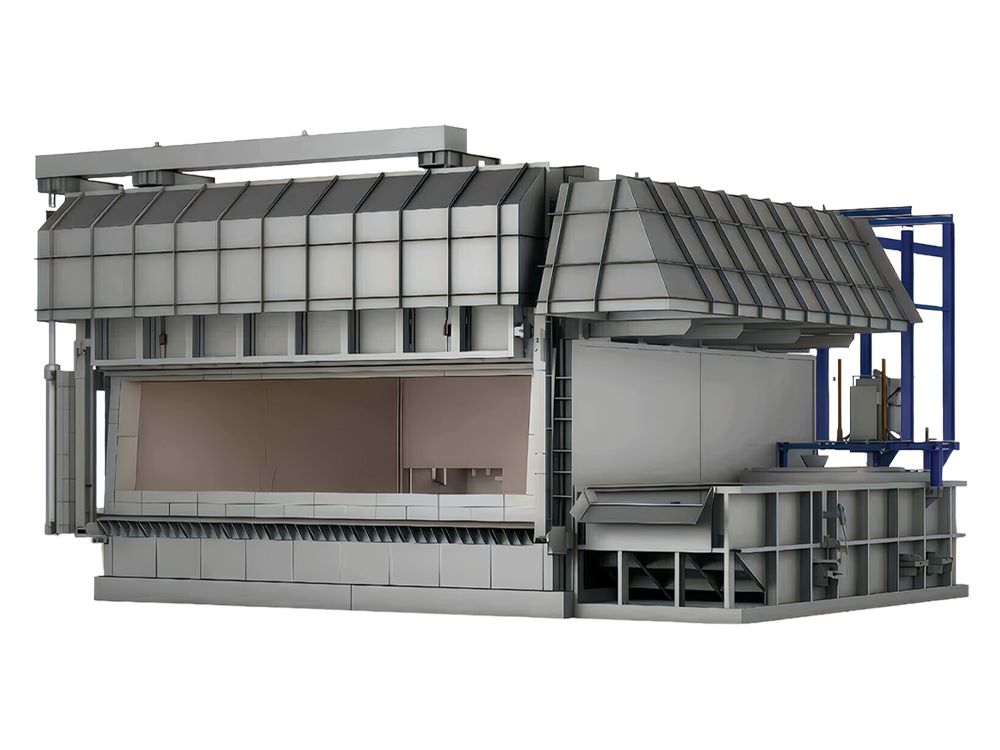
The furnace bottom is a critical area that bears the pressure of the molten material and chemical erosion. For copper smelting reverberatory furnaces, the furnace bottom often uses a sintered magnesia-iron layer, formed by ramming metallurgical magnesia sand and iron oxide powder and then sintering at high temperature to form a dense spinel structure to resist slag penetration. In a typical configuration, the furnace bottom consists of asbestos board, a layer of insulating bricks, a layer of clay bricks, and the uppermost working layer uses magnesia-alumina bricks or magnesia bricks. For reverberatory furnaces smelting metals with lower melting points, the furnace bottom structure is correspondingly simplified; for example, some tin-lead reduction smelting furnaces use a high-alumina brick layer and an anti-arch furnace bottom brick layer.
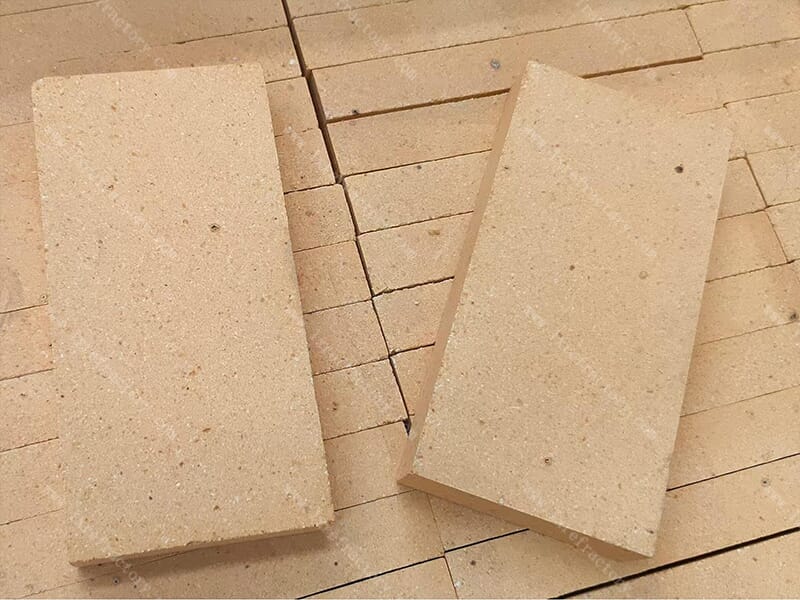
The inner layer of the furnace wall is in direct contact with the high-temperature furnace gas and the erosion caused by the molten material. The inner walls of reverberatory furnaces for smelting are mostly made of magnesia bricks or magnesia-alumina bricks, while the outer layer uses clay bricks as insulation. In areas with severe corrosion, such as the slag line zone and near the burner, magnesia-chrome bricks are usually used to extend service life. It is worth noting that if metals with low melting points, such as aluminum and magnesium, are being processed and readily react with siliceous materials, the furnace wall material will be adjusted. For example, clay bricks can be used for both the inner and outer walls of aluminum smelting reverberatory furnaces, while magnesium alloy reverberatory furnaces must avoid using refractory materials containing silica to prevent the reaction between magnesium and silica.
The furnace roof structure is divided into arched roofs and suspended roofs. Small reverberatory furnaces or periodic operation furnaces often use brick arched roofs, typically made of silica bricks or magnesia-alumina bricks. Large copper smelting reverberatory furnaces generally use suspended roofs to reduce structural weight, with magnesia-alumina bricks being the mainstream material; in some areas, directly bonded magnesia-chrome bricks are also used to improve resistance to high-temperature creep.
In summary, the refractory configuration of a reverberatory furnace is not static, but rather depends on the wear mechanism of different parts of the furnace, requiring a combination and selection of alkaline magnesia materials and clay insulation materials.