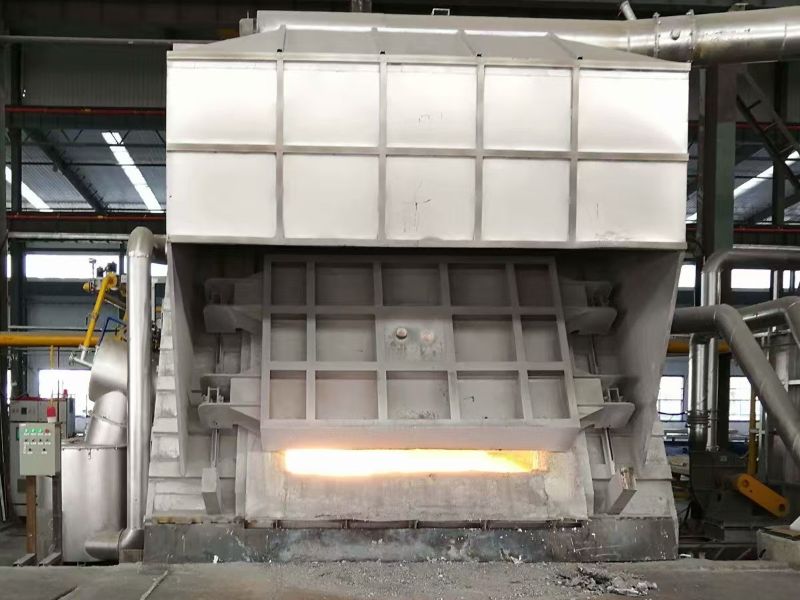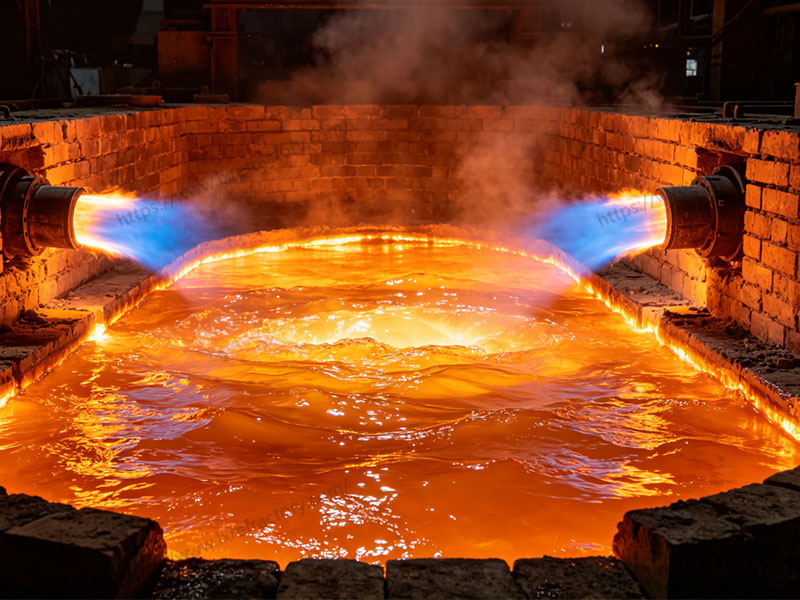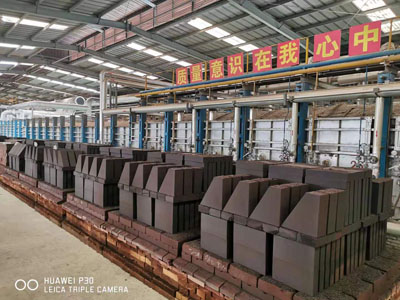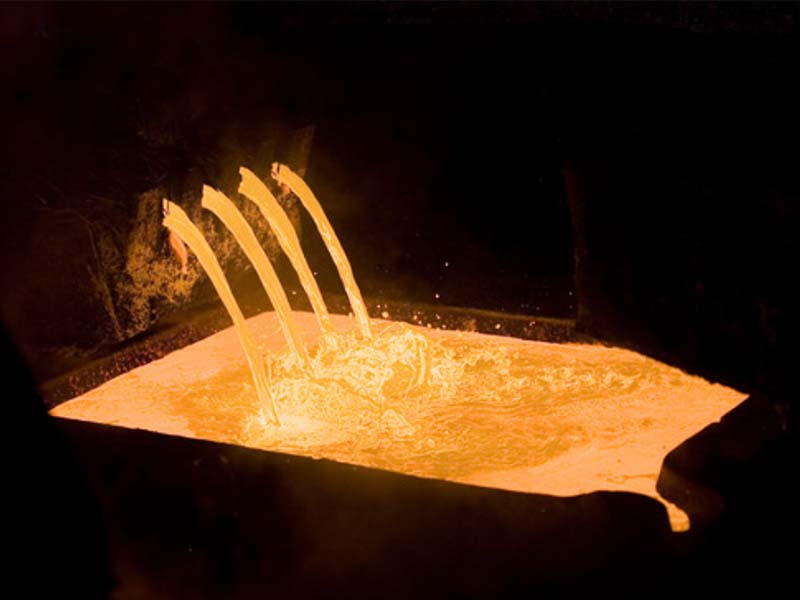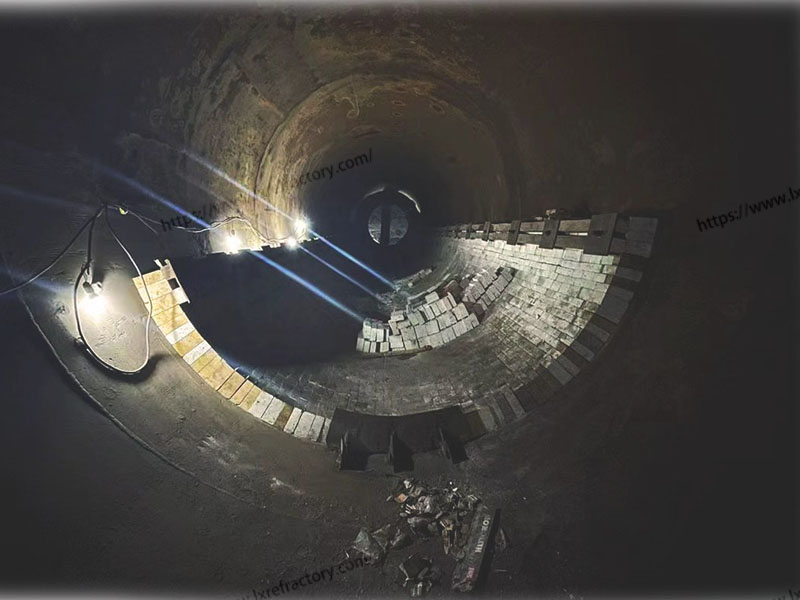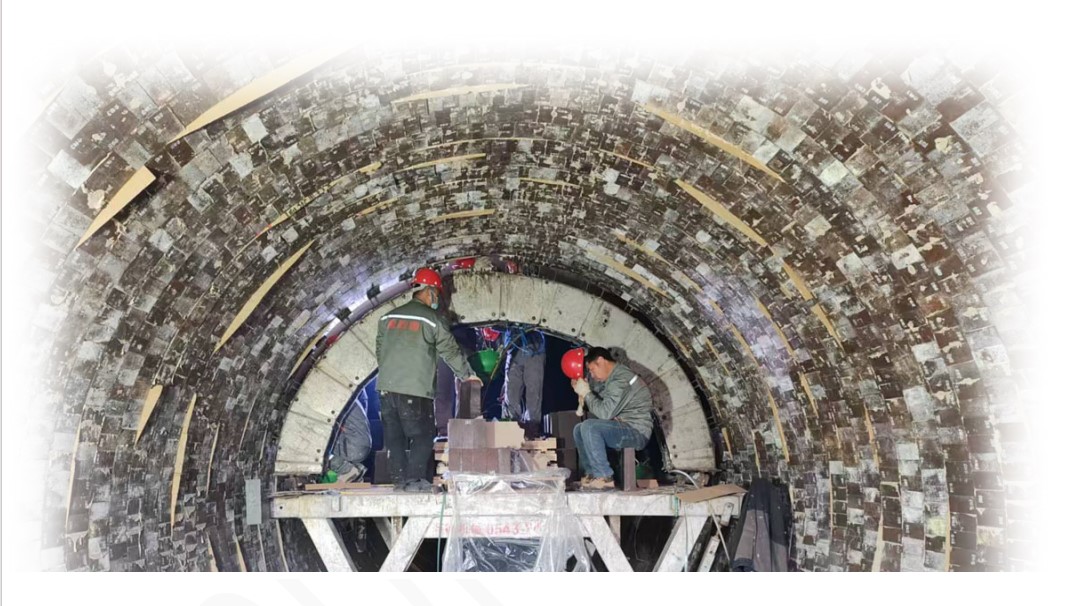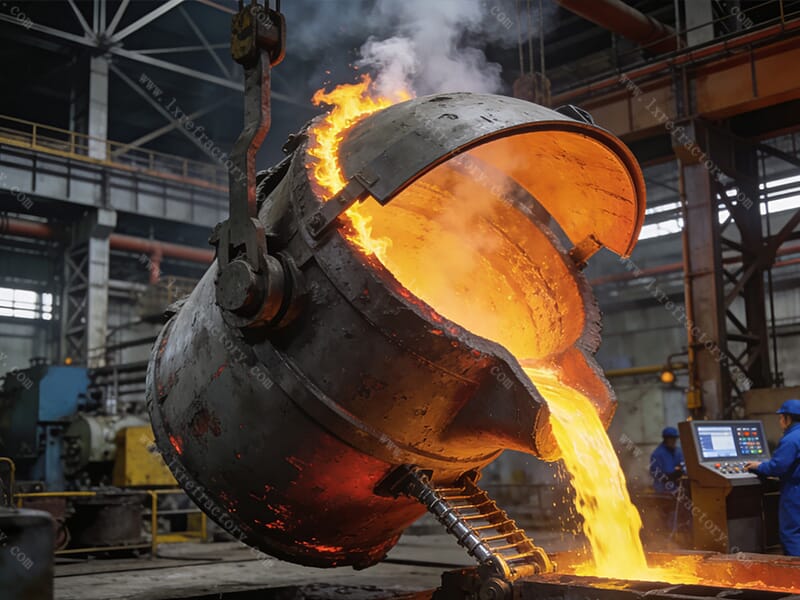
In high-temperature industries such as steel, cement, and glass, magnesia-chrome refractory bricks, with their excellent high-temperature resistance and chemical stability, have become the core material for kiln linings, and are hailed as the “steel guardians” in high-temperature environments.

Magnesia-Chrome Refractory Bricks
The Chemical Principle of Magnesia-chrome Bricks
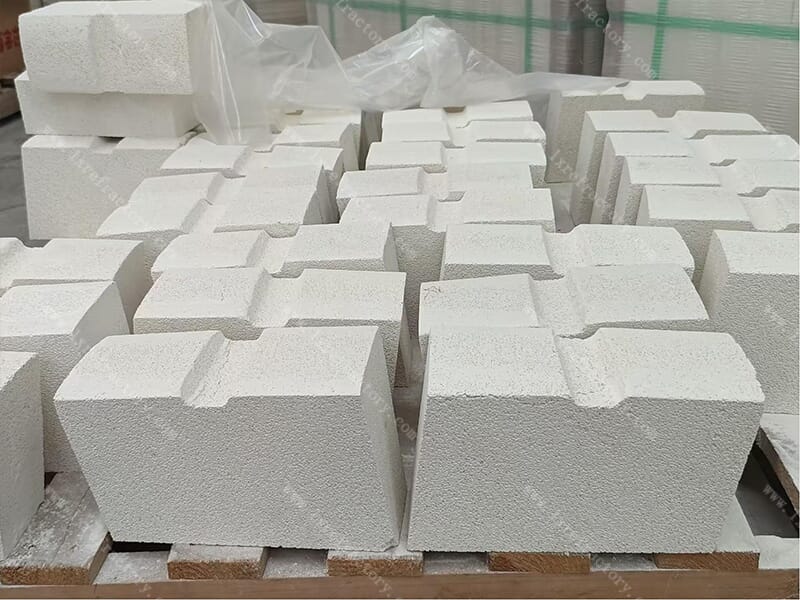
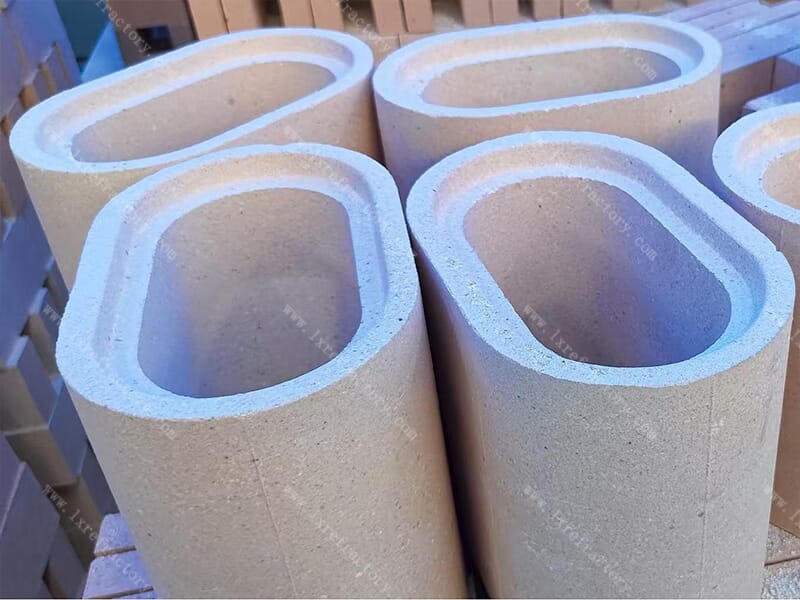
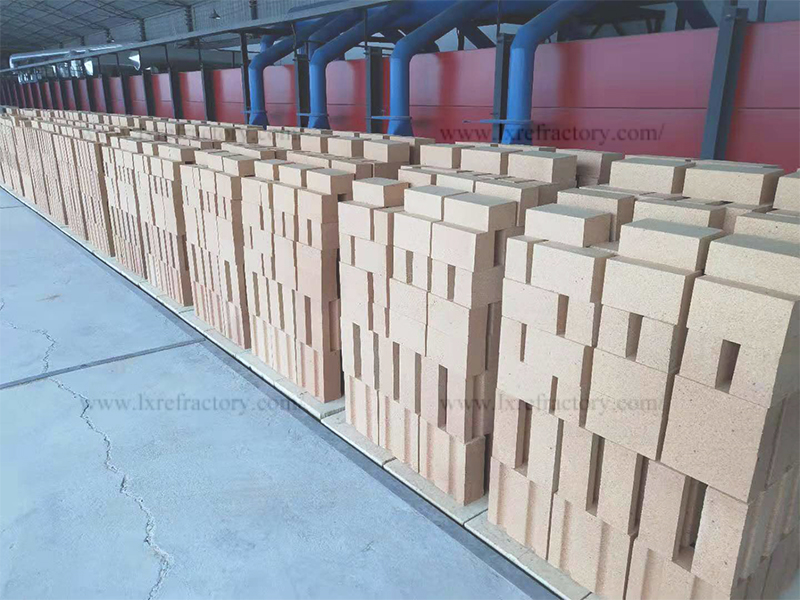
Magnesia-chrome refractory bricks are made from sintered magnesia, molten magnesia, and molten magnesia-chrome as raw materials, through high-pressure molding, drying, and high-temperature firing.
The Physical Properties of Magnesia-chrome Bricks
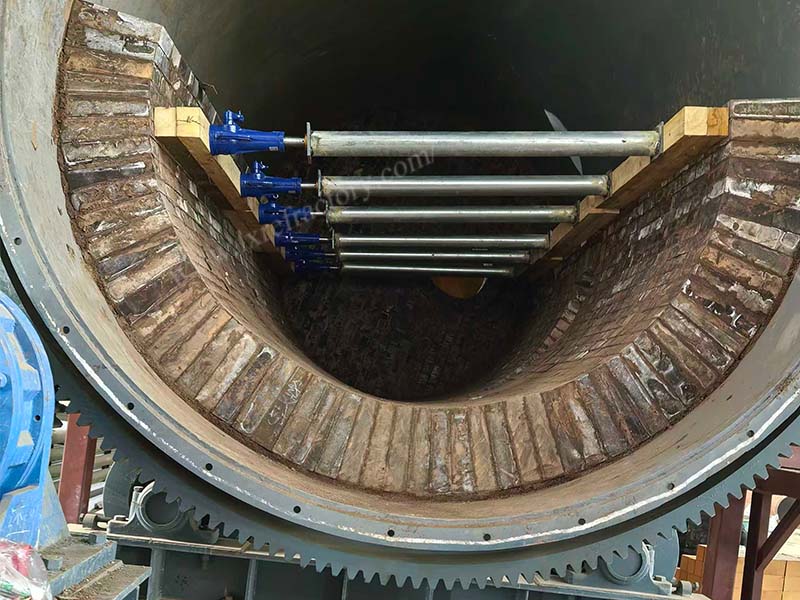
The core advantage of magnesia-chrome refractory bricks lies in their excellent high-temperature resistance and corrosion resistance. Its refractoriness can reach over 1750℃, and its load softening temperature exceeds 1600℃, maintaining structural integrity under prolonged high temperatures. Simultaneously, the presence of the chromium spinel phase gives it extremely strong resistance to erosion and penetration by molten metal and slag, making it particularly suitable for critical components such as the calcining zone of converters, electric arc furnaces, and cement rotary kilns in the steel industry. In complex high-temperature chemical reaction environments, it effectively resists the dual erosion of acidic and alkaline media, significantly extending the service life of kilns and reducing enterprise maintenance costs.
Application Scenarios of Magnesia-Chrome Bricks:
Calcium Carbide Furnaces: Furnace walls, furnace bottom, slag outlet. Calcium carbide (calcium carbide) production temperatures reach over 2000℃, and the furnace contains highly alkaline molten slag (CaO, MgO) and carbide erosion; the high-temperature stability and slag resistance of magnesia-chrome bricks meet these requirements.
Phosphate Fertilizer Rotary Kilns: Calcining zone lining bricks. In phosphate fertilizer production, raw materials include phosphate rock and coke, with a calcination temperature of approximately 1300-1500℃. The slag contains CaO, SiO₂, etc. Magnesia-chrome bricks can resist corrosion and abrasion.
Waste incinerators: High-temperature section lining (some waste incinerators require corrosion-resistant magnesia-chrome bricks due to corrosive components in the flue gas).
Ceramic sintering kilns: High-temperature firing zone lining bricks, suitable for sintering environments above 1400℃, resisting corrosion from alkaline components in ceramic raw materials.
However, with increasingly stringent environmental protection requirements, the development of magnesia-chrome refractory bricks also faces challenges. Traditional products may produce harmful substances such as hexavalent chromium during use, posing potential risks to the environment and human health. Therefore, the industry is actively promoting green upgrades, optimizing chromium ore grades, improving production processes, and developing low-chromium and chromium-free magnesia refractory brick alternatives. For example, using a magnesia-alumina spinel composite system can achieve zero emissions of harmful substances while ensuring high-temperature performance, aligning with the current industrial development direction under the “dual carbon” goal.