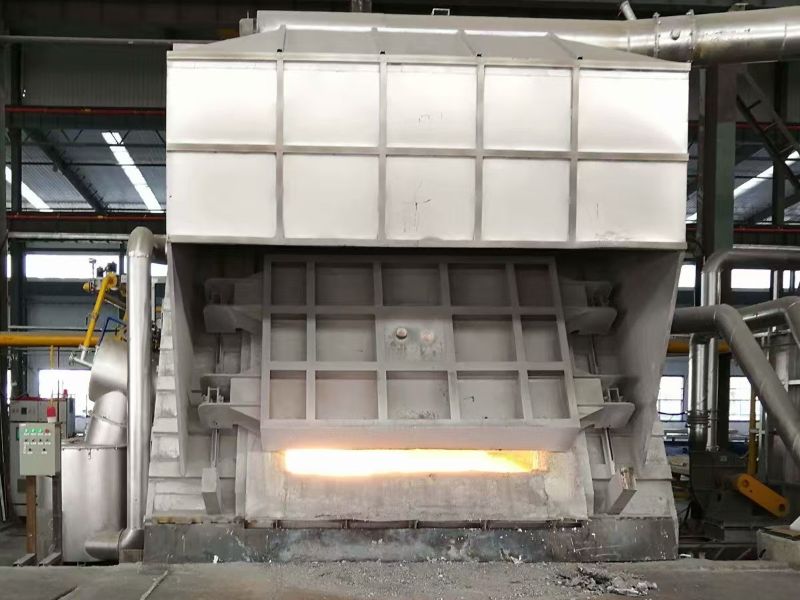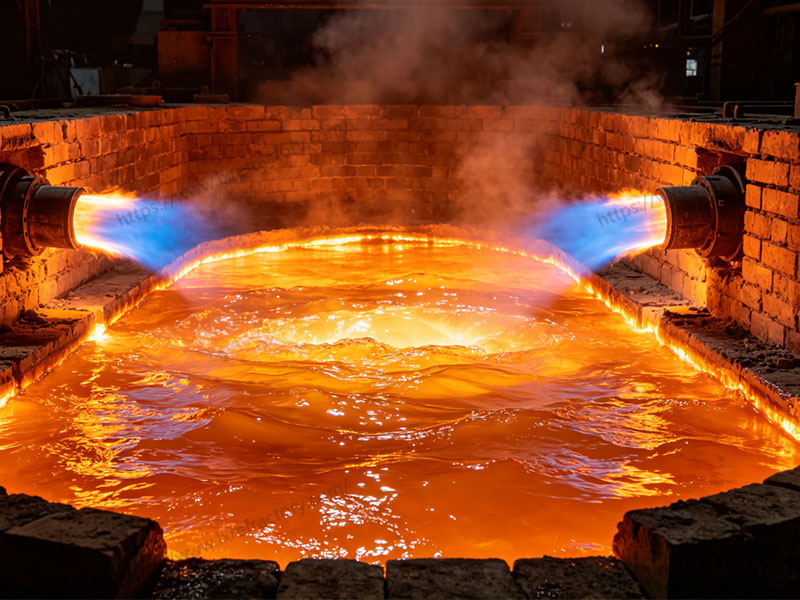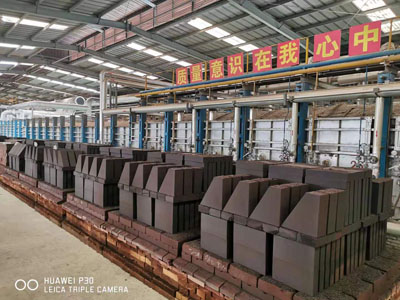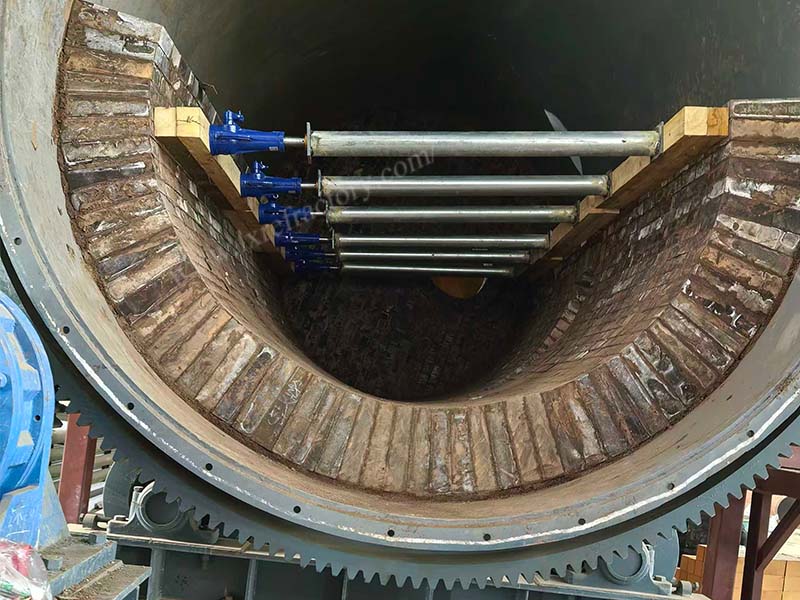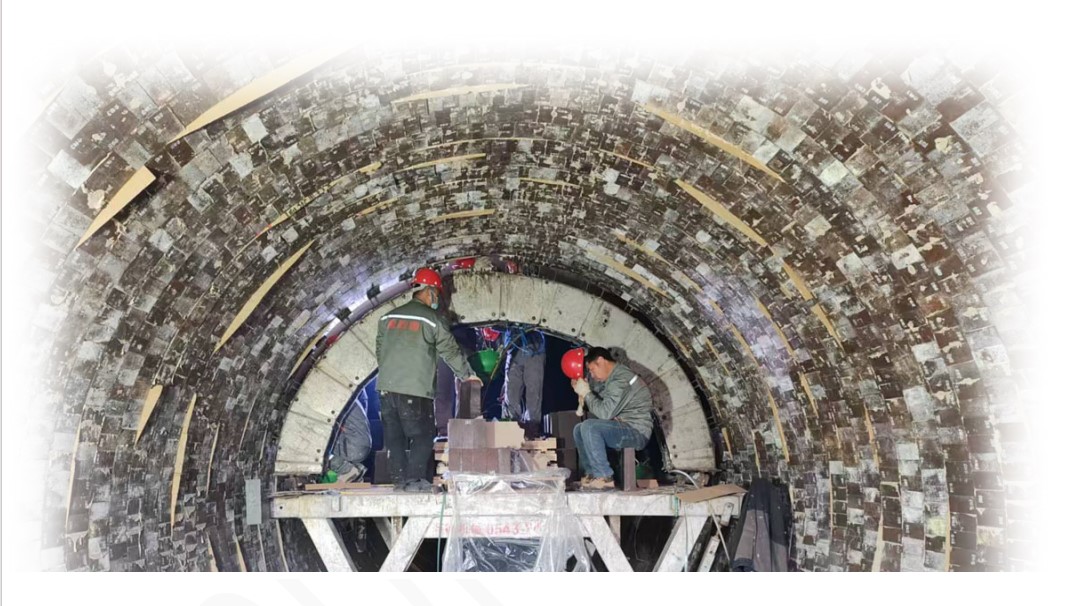
In high-temperature industries, refractory bricks are the core protective material for kilns. Density directly determines their key properties such as high-temperature resistance and thermal conductivity. Choosing the right density ensures production safety and reduces costs.
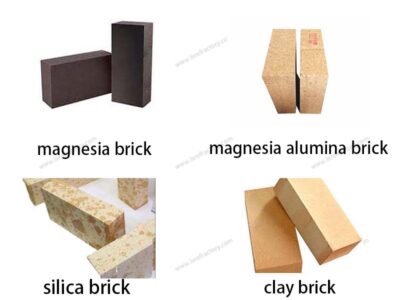
refractory bricks
The following guide, tailored to specific scenarios, will help you accurately match the appropriate density of refractory bricks.
The industry often categorizes refractory bricks into three types based on density. Each type has significantly different suitable application scenarios, and their core advantages are as follows:
1. Lightweight Refractory Bricks (Density ≤ 1.8g/cm³)
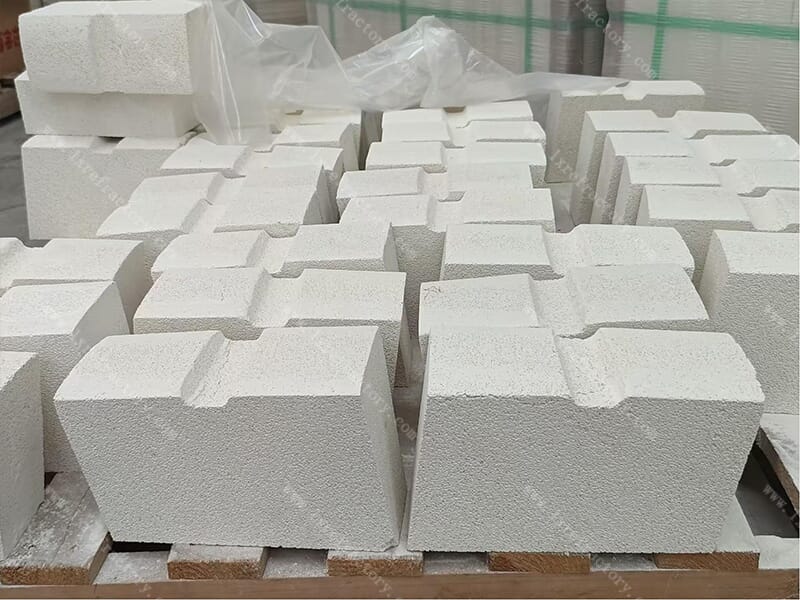
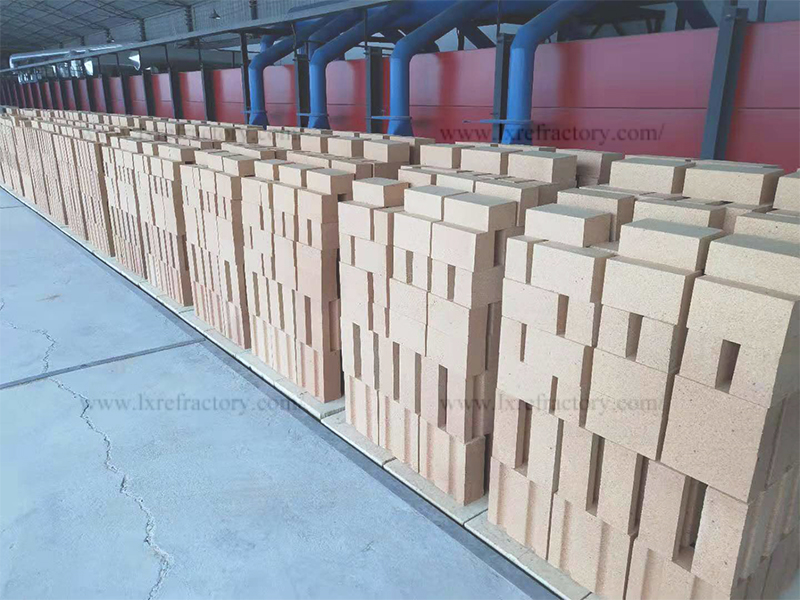
These bricks have high porosity, excellent thermal insulation, and low thermal conductivity. Common types include lightweight clay bricks, lightweight silica bricks, and high-alumina lightweight polycarbonate bricks. Lightweight clay bricks offer high cost-effectiveness and are suitable for most basic insulation applications. High-alumina lightweight polycarbonate bricks offer superior high-temperature resistance and are suitable for medium- and low-temperature high-end insulation.
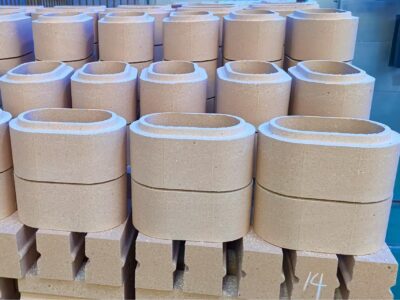
clay bricks
They are often used in insulation layers and low-temperature furnace linings, such as the outer insulation layer of waste incinerators and the insulation layer of hot blast stoves. It should be noted that these bricks have relatively weak compressive strength and corrosion resistance, and should not be in direct contact with high-temperature flames or corrosive materials.
2. Medium-density refractory bricks (density 1.8-2.4 g/cm³)
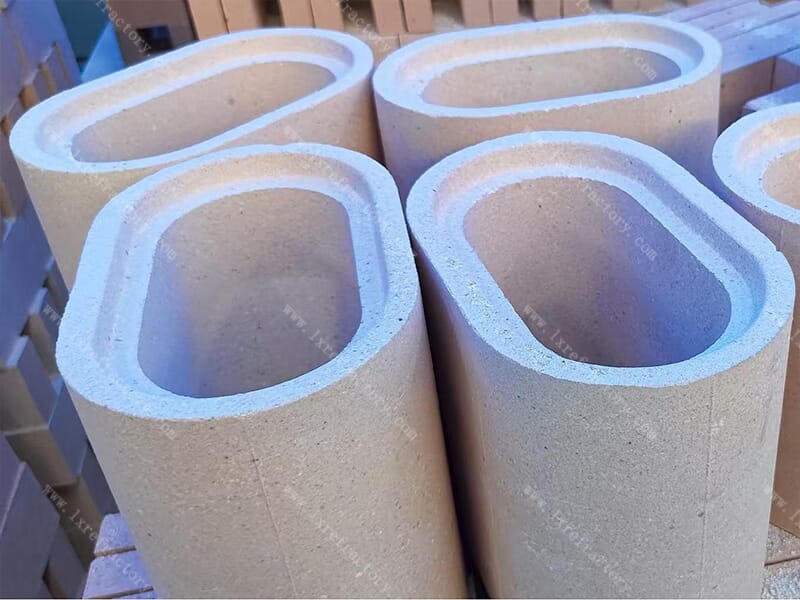
These bricks balance thermal insulation and compressive strength, making them a cost-effective choice. Typical types include dense clay bricks and LZ-48 high-alumina bricks. Dense clay bricks are suitable for most medium-temperature applications, while LZ-48 high-alumina bricks due to their high alumina content, offer superior thermal shock resistance.
Suitable for applications with large temperature fluctuations but low corrosiveness, such as transition zones in ceramic kilns and boiler flue linings, balancing protective effectiveness and cost.
3. Heavyweight refractory bricks (density ≥ 2.4 g/cm³)
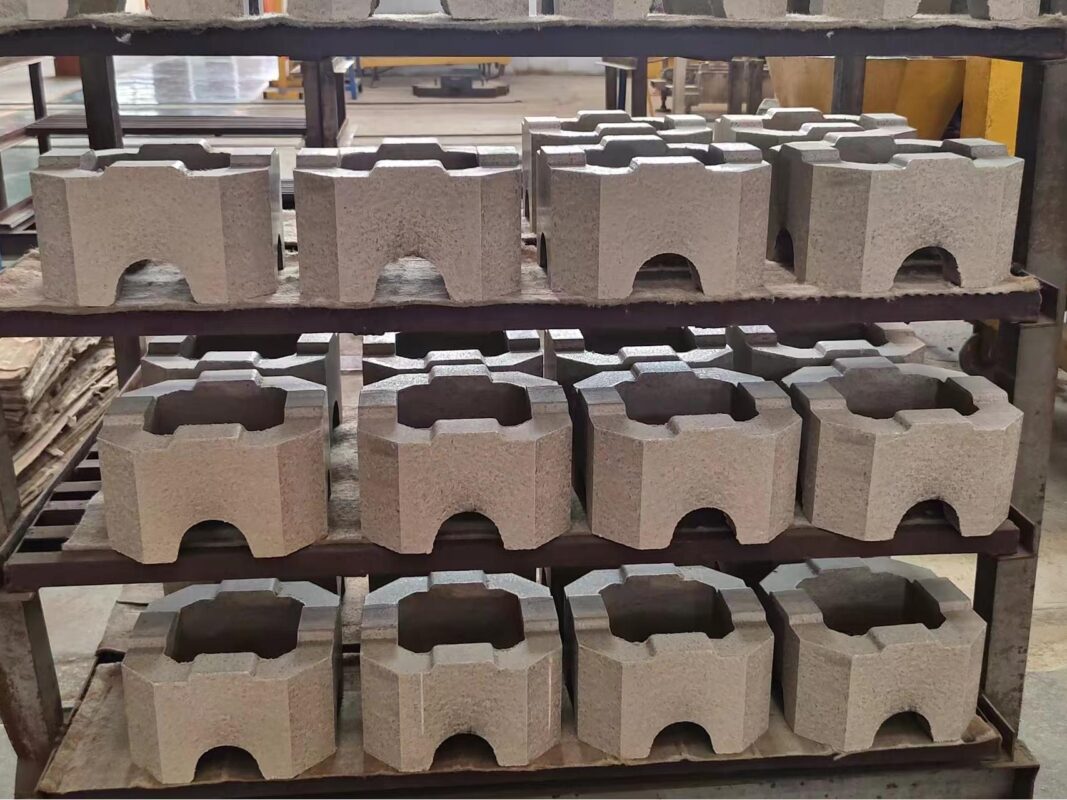
These bricks are made from pure raw materials, have high density, and exhibit extremely high high-temperature resistance, compressive strength, and corrosion resistance. Common types include magnesia bricks, LZ-65 high-alumina bricks, magnesia-carbon bricks, and corundum bricks.
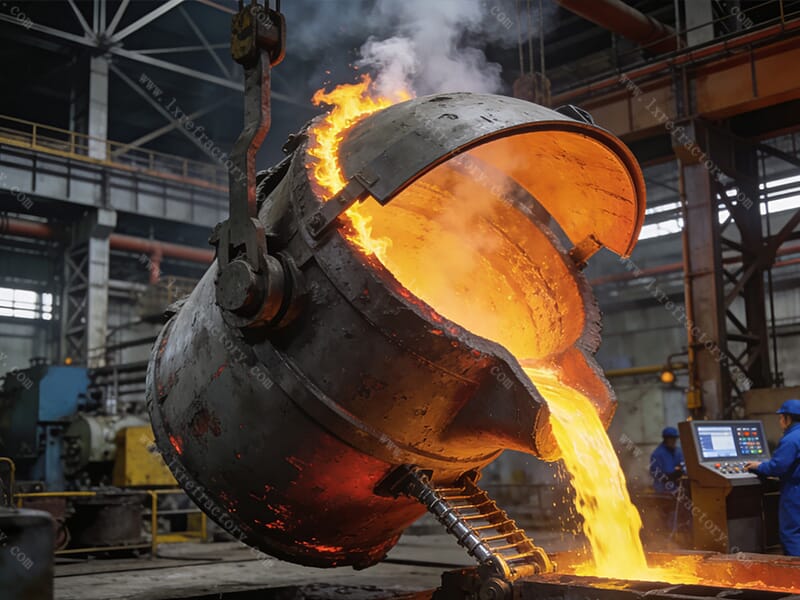
Magnesia bricks exhibit outstanding resistance to alkaline slag erosion, magnesia-carbon bricks are the core bricks used in steelmaking furnaces, and corundum bricks can withstand temperatures exceeding 1800℃.
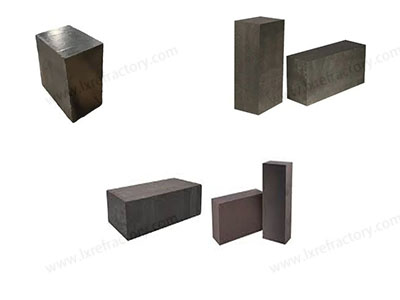
magnesia carbon bricks
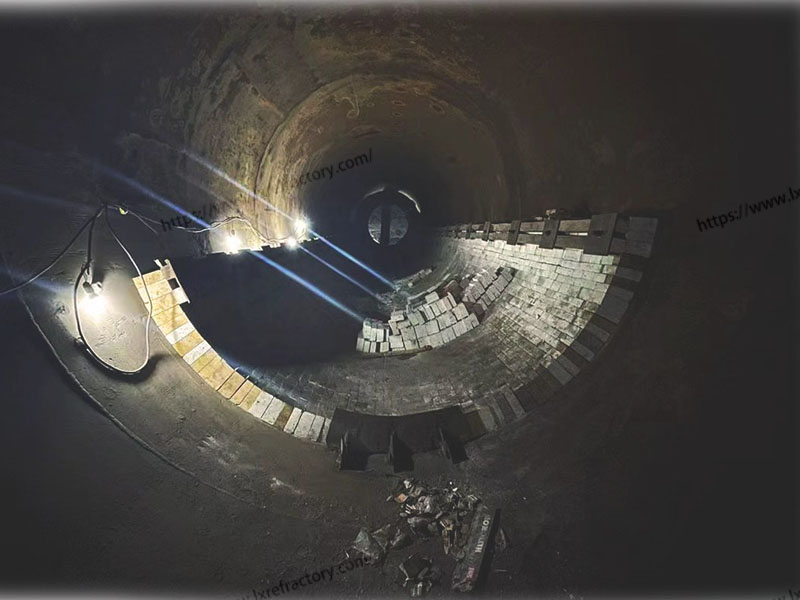
They are widely used in high-temperature core areas, such as blast furnace linings, cement rotary kiln firing zones, and glass kiln walls, and are crucial for ensuring stable furnace operation.
Precise Selection: Matching Needs Based on 3 Core Dimensions
1. Matching by Operating Temperature
Temperature is the primary selection criterion: For low-temperature scenarios below 1200℃ (e.g., drying kilns), lightweight clay bricks and lightweight silica bricks are suitable; for medium-temperature scenarios of 1200-1500℃ (e.g., the middle section of tunnel kilns), dense clay bricks and LZ-48 high-alumina bricks are appropriate; for high-temperature scenarios above 1500℃ (e.g., steelmaking converters), magnesia-carbon bricks and LZ-65 high-alumina bricks are preferred.
2. Matching by Material Characteristics
For contact with corrosive or highly abrasive materials, heavyweight refractory bricks are required; for materials that are not corrosive and only require insulation, lightweight or medium-density bricks are sufficient. For chemical reactors exposed to corrosive media, LZ-65 high-alumina bricks are often chosen; for those exposed to alkaline materials, magnesia bricks can be used.
3. Matching by Structural Function
Lightweight clay bricks and high-alumina lightweight bricks are preferred for the insulation layer; magnesia-carbon bricks and corundum bricks are chosen for the core working layer; dense clay bricks and LZ-48 high-alumina bricks are used for the transition layer. In scenarios with large temperature fluctuations, avoid overly brittle corundum bricks and consider using LZ-48 high-alumina bricks instead.
Choosing the right density is crucial for stable and efficient high-temperature production. If you are unsure which brick to choose or would like to learn about specific material selection techniques, please contact us. Our professional team will provide one-on-one selection solutions and high-quality products based on your production needs, helping you avoid pitfalls and reduce costs!