The regenerator of a glass melting furnace is a key component for recovering waste heat and improving energy efficiency. Its interior is subjected to a harsh environment of high temperature, alkaline dust corrosion, and temperature fluctuations for a long time. Therefore, the performance of the refractory materials used in the regenerator directly affects the operating efficiency and service life of the furnace.
1. Harsh operating conditions of the heat storage chamber
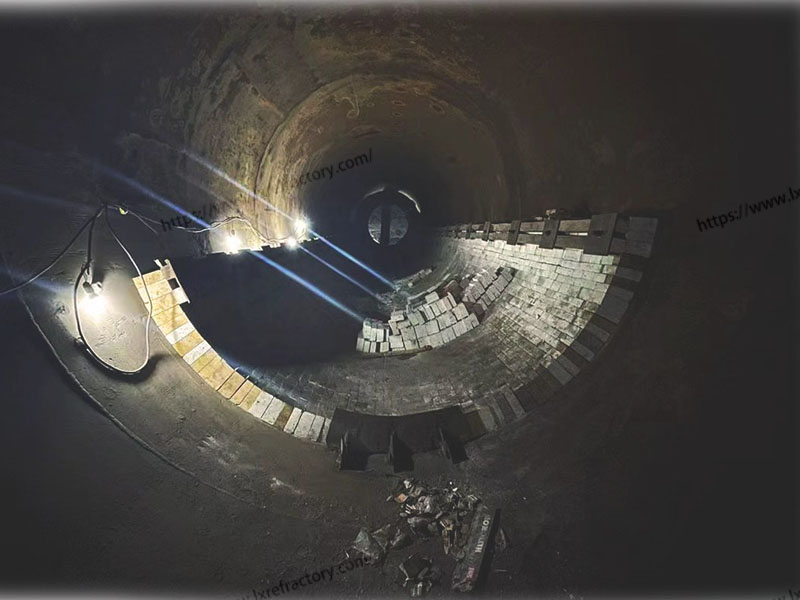
The regenerator of a glass melting furnace is the core of heat exchange, and its internal environment is extremely harsh, which poses a great challenge to the comprehensive performance of refractory materials.
(1) Periodic rapid cooling and heating
The heat storage chamber lattice is in a state of periodic rapid cooling and heating for a long time. Such frequent thermal shock cycles can easily cause ordinary materials to peel or crack.
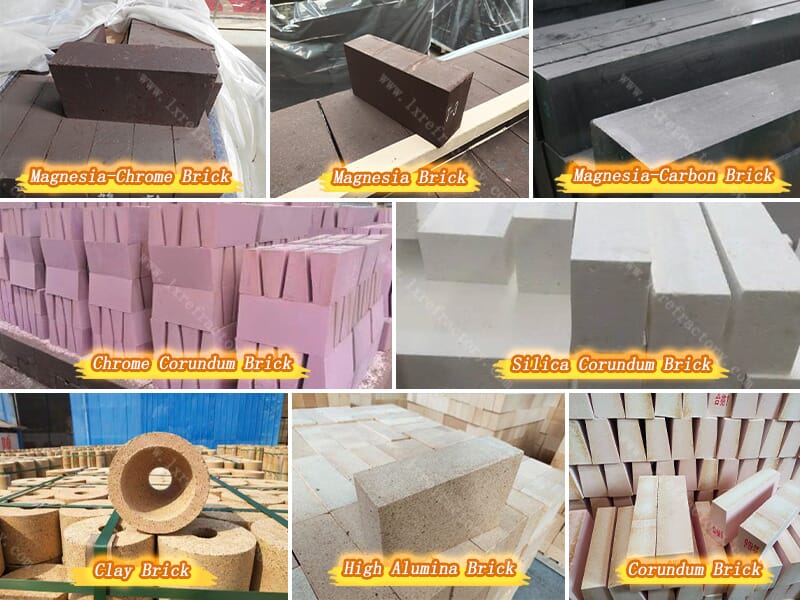
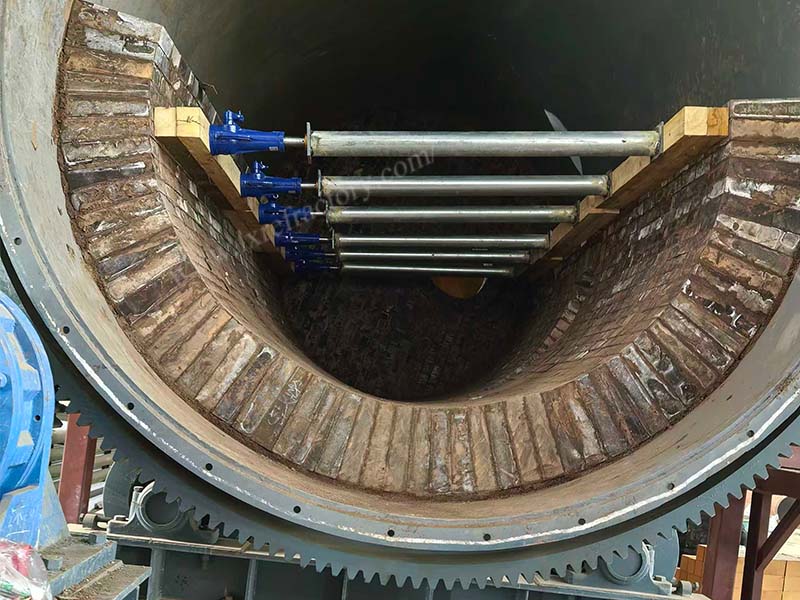
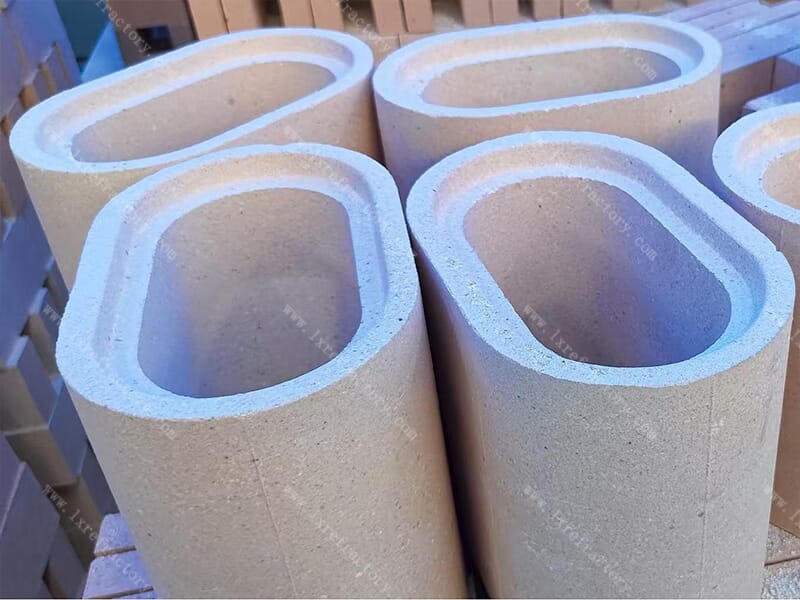
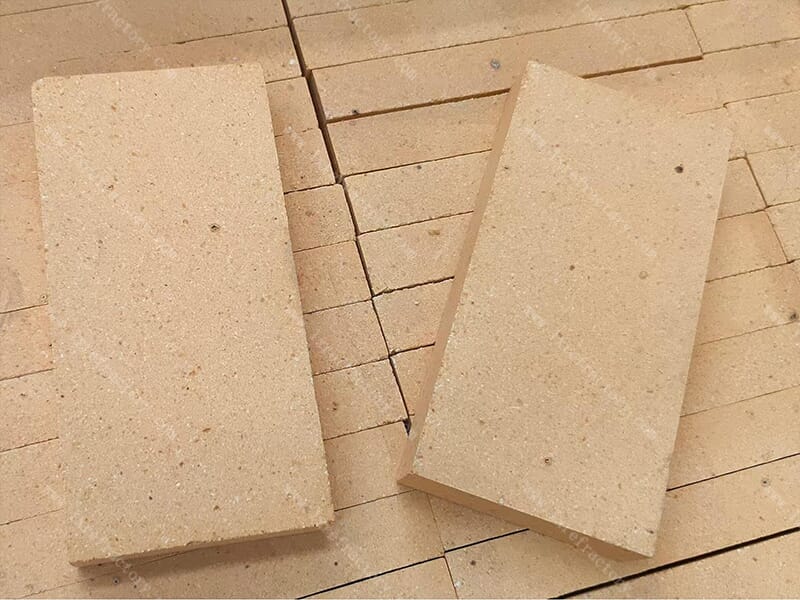
Various Refractory Bricks
Therefore, only high-quality refractory bricks with excellent thermal shock stability can maintain structural integrity under such dynamic thermal stress environment and avoid premature damage that would shorten the kiln’s lifespan.
(2) Severe chemical corrosion
Severe chemical corrosion is another operating condition characteristic that cannot be ignored.
When working in the regenerator, various corrosive substances can penetrate into the brick body and react chemically with the refractory material, causing the brick body to become loose, deteriorate, or even melt.
(3) High load softening temperature requirement
The heat storage chamber lattice is usually built to a relatively high height. The bottom brickwork not only has to withstand high temperatures, but also bears a huge self-load.
If the high-temperature creep resistance of refractory bricks is insufficient, the bricks will deform or even collapse under long-term pressure.
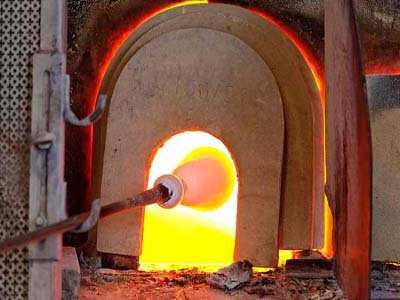
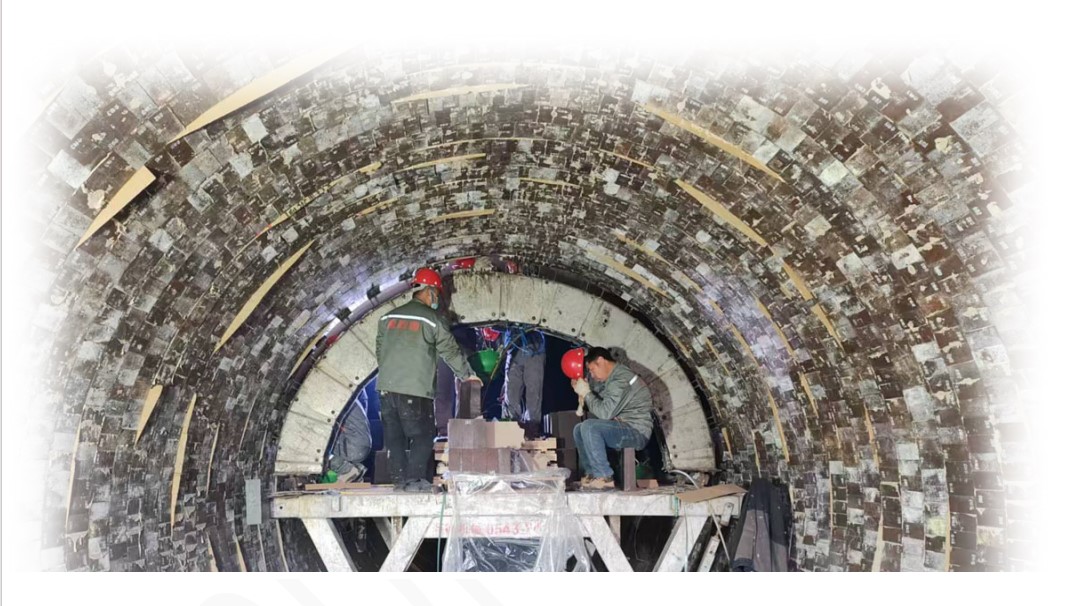
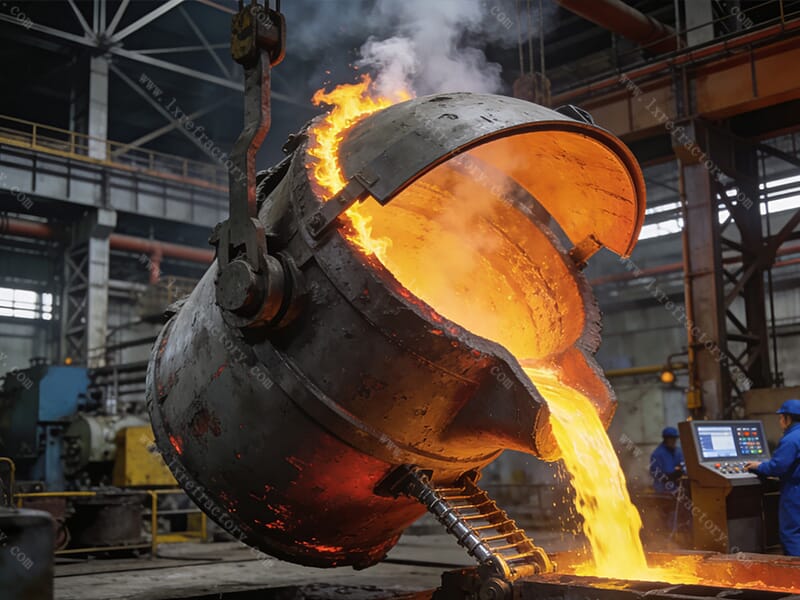
glass melting kiln
This requires that refractory brick suppliers be able to provide bricks with appropriate load softening temperatures based on the stress conditions at different heights.
2. Performance requirements of refractory bricks for regenerators
The temperature at the top of the heat storage chamber can reach over 1200°C and is continuously subjected to alkaline vapor erosion. Although the lower part has a lower temperature, it needs to bear the long-term load of the lattice. Therefore, the performance requirements for refractory fire bricks vary significantly in different parts of the regenerator.
(1) High temperature section
In the high-temperature range, directly bonded magnesia bricks or electrofused rebonded magnesia bricks are typically used. These high-quality refractory bricks maintain good volume stability even when subjected to temperatures above 1400℃, effectively resisting the erosion of alkaline vapors.
(2) Low temperature section
In the low-temperature range, although the heat load is relatively low, clay bricks or high-alumina bricks with reasonable porosity should still be selected to prevent ash accumulation and blockage.
Professional refractory brick suppliers provide precise brick designs to ensure the overall tightness of the masonry and maximize its service life.
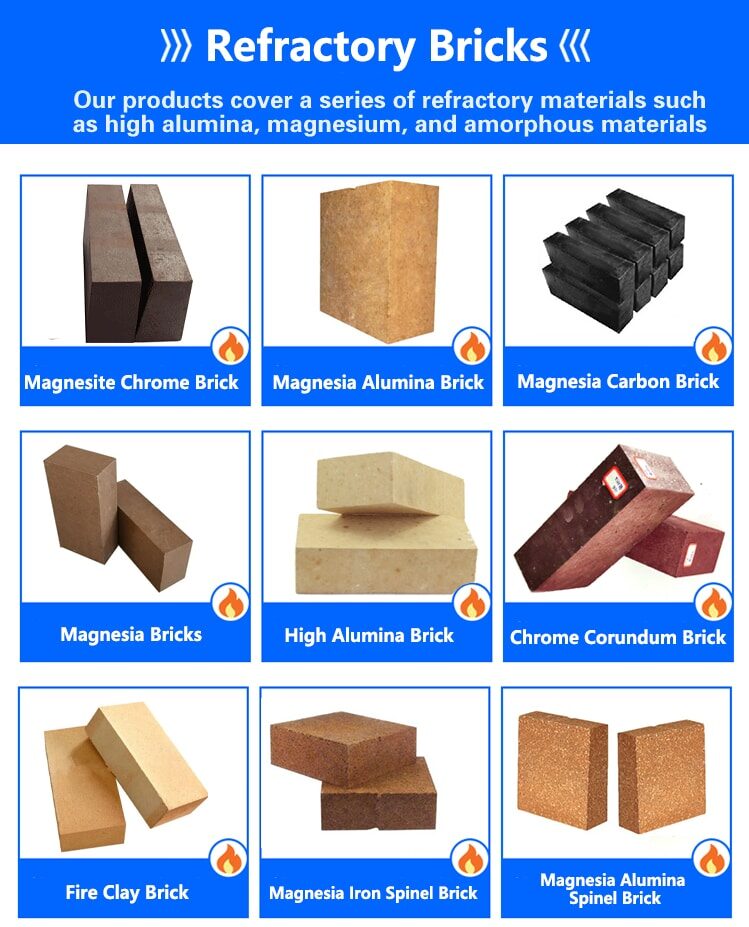
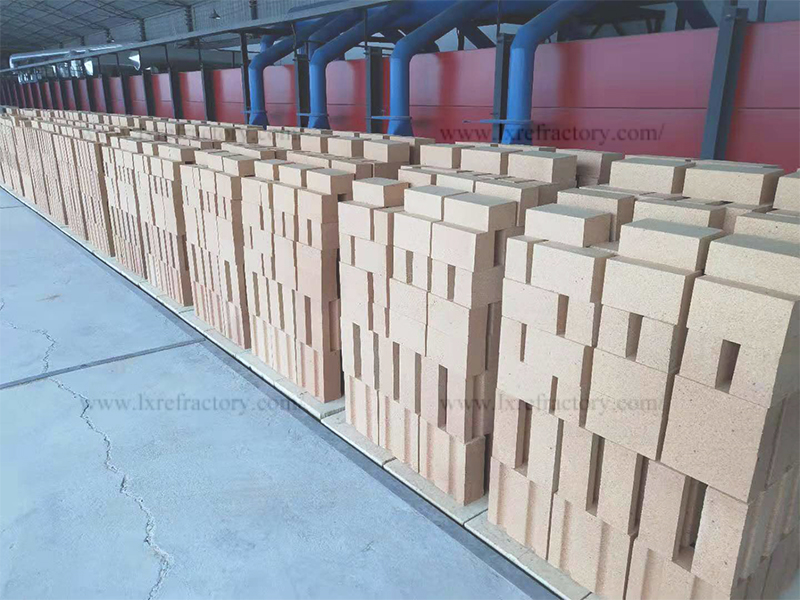
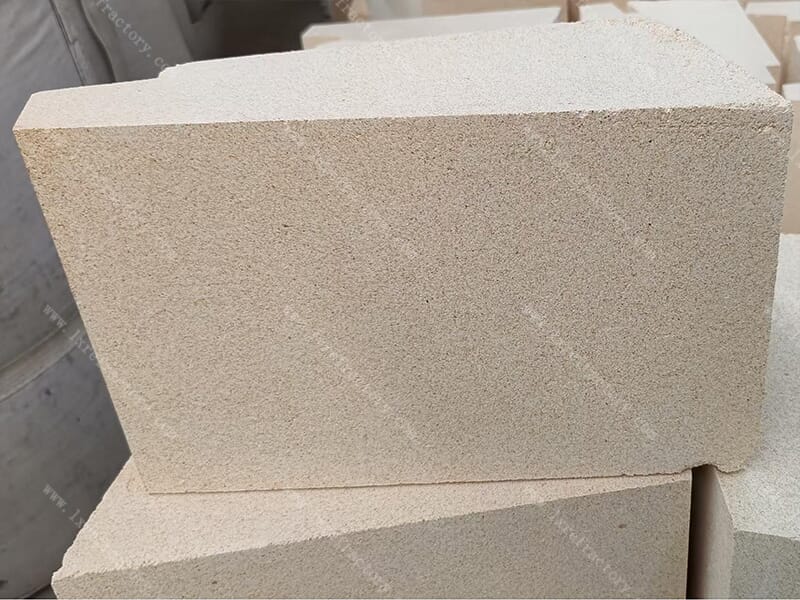
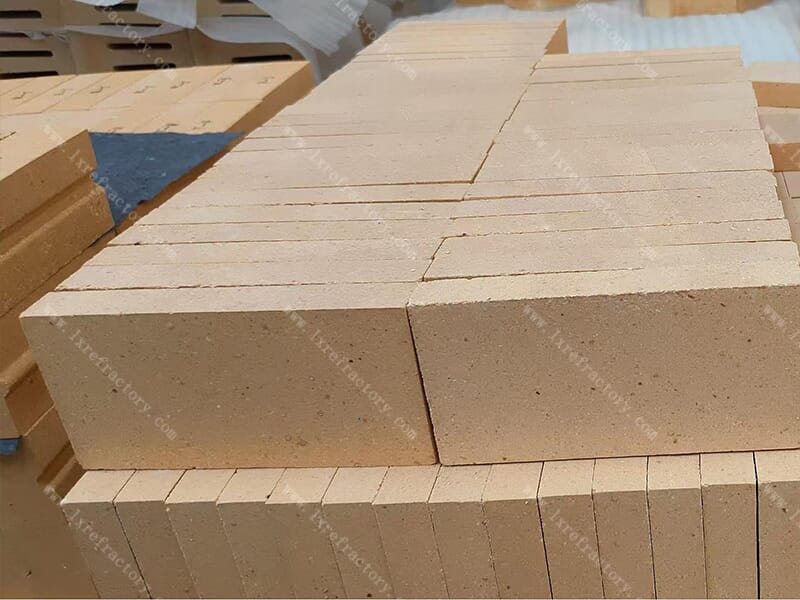
Kiln Refractory Brick
Henan Ruitai Lianxin Refractory Materials Co., Ltd. has 20 years of experience in refractory material production. It not only provides customers with high-quality refractory bricks that meet quality standards, but also offers the most suitable kiln operating conditions solutions.
Please feel free to contact us if you have any needs. Choosing Ruitai Lianxin means choosing strength.