Refractory materials are a crucial component of industrial furnaces, ensuring their safe, efficient, and stable operation under extremely high temperatures and harsh conditions. As high-temperature refractories, they are widely used in industries such as steel, cement, glass, non-ferrous metals, and power generation.
1. What are Refractory Materials?
Refractory materials are non-metallic materials. Their design purpose is to withstand high temperatures, mechanical stress, chemical corrosion, and thermal shock without sacrificing structural integrity.
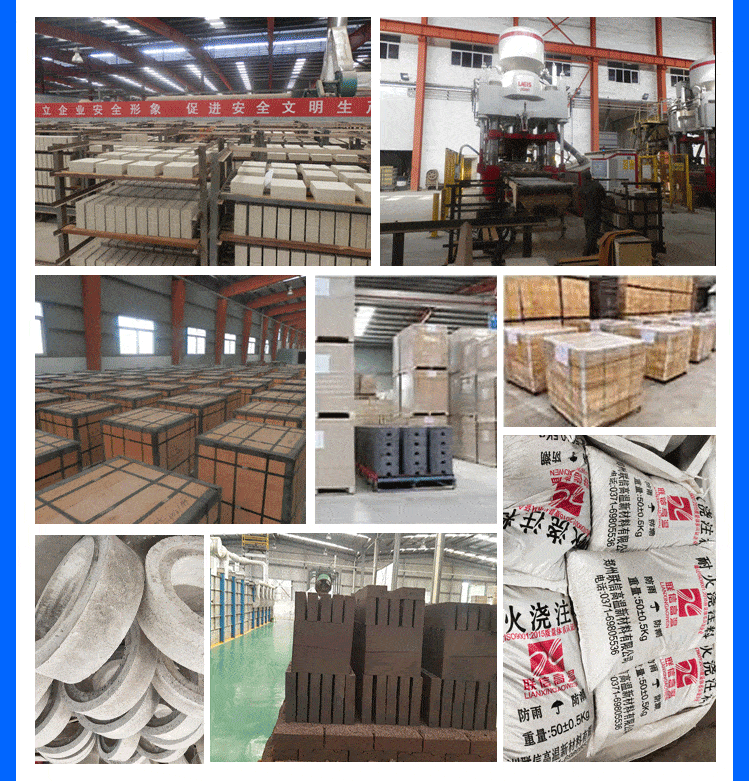
Refractory materials
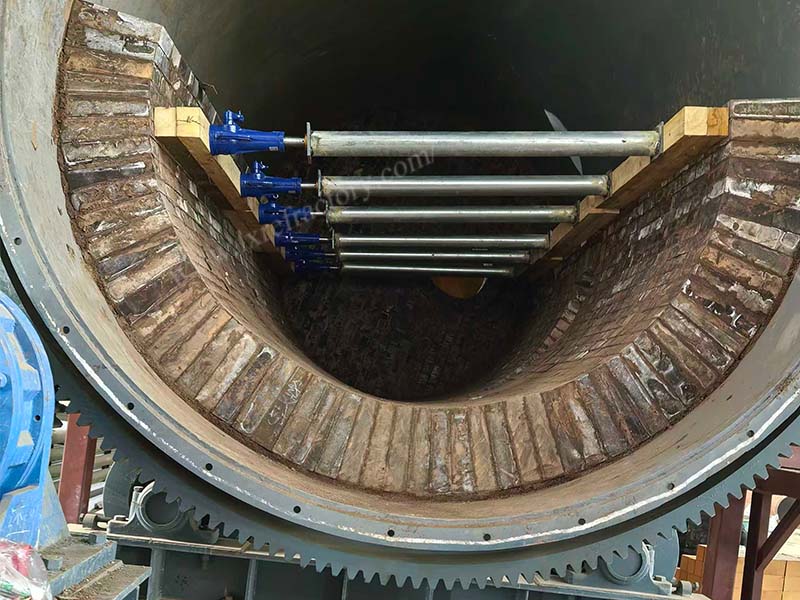
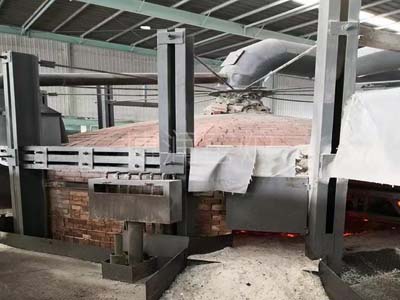
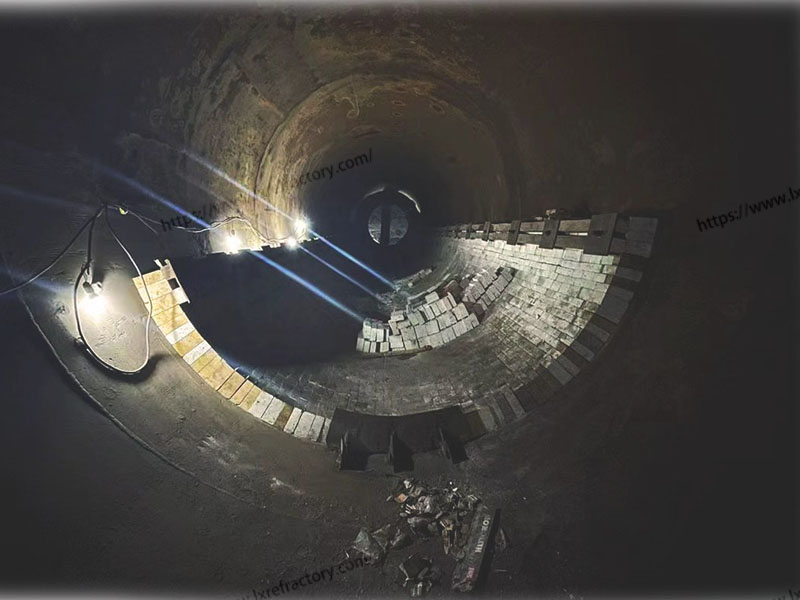
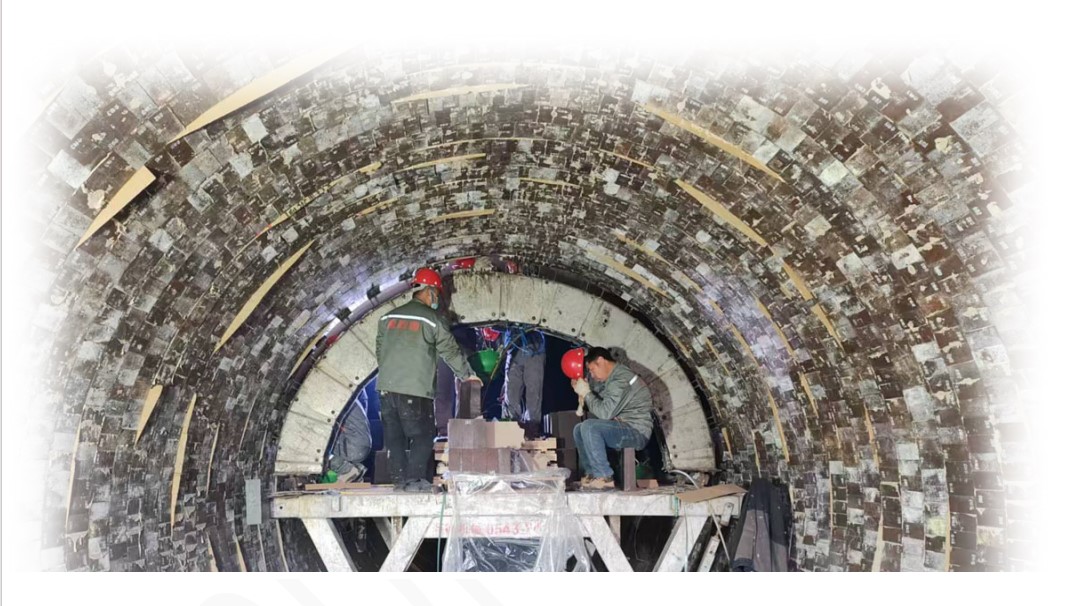
In industrial applications, furnace lining refractories protect the furnace shell, reduce heat loss, and ensure long-term operational safety.
Most industrial refractories need to maintain stable performance at temperatures above 1000°C, while many applications require performance exceeding 1500°C.
2. Key Characteristics of Refractory Materials
To operate reliably in industrial furnaces, refractories must meet stringent performance requirements.
(1) High Refractoriness
The ability of a refractory material to not soften or melt at extremely high temperatures.
(2) Thermal Shock Resistance
Thermally shock resistant refractories can withstand rapid temperature changes during furnace start-up and shutdown.
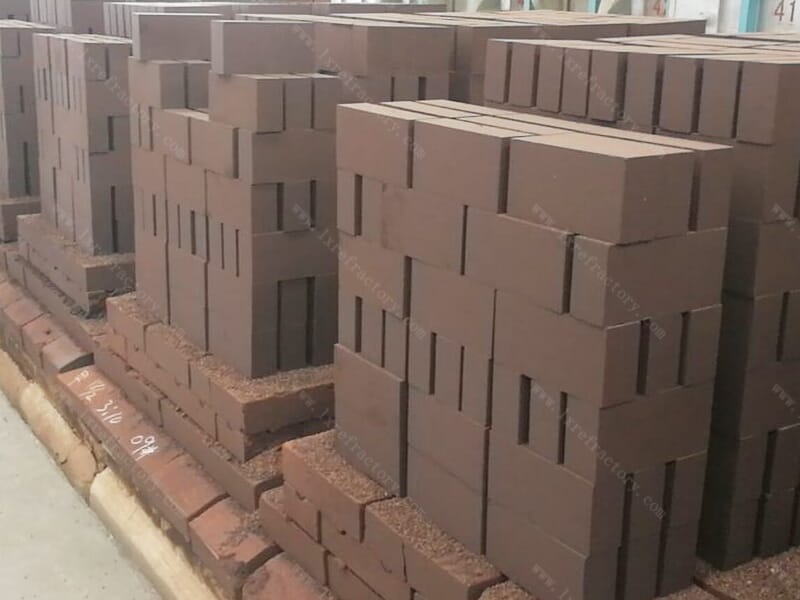
magnesia chrome refractory brick
(3) Mechanical Strength
Including cold compressive strength and hot compressive strength, it is crucial for areas subjected to wear and mechanical loads.
Corrosion-resistant refractories resist erosion from slag, molten metal, gases, and chemical vapors.
(4) Low Thermal Conductivity
Refractory materials with low thermal conductivity help reduce energy loss and improve furnace efficiency.
3. Types of Refractory Materials
Refractory materials can be classified according to their form and application requirements.
(1) Refractory Bricks
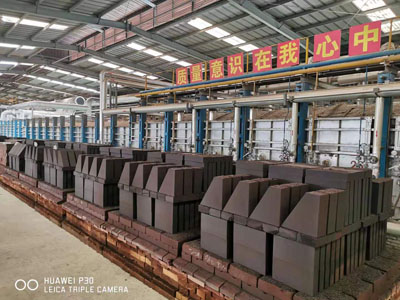
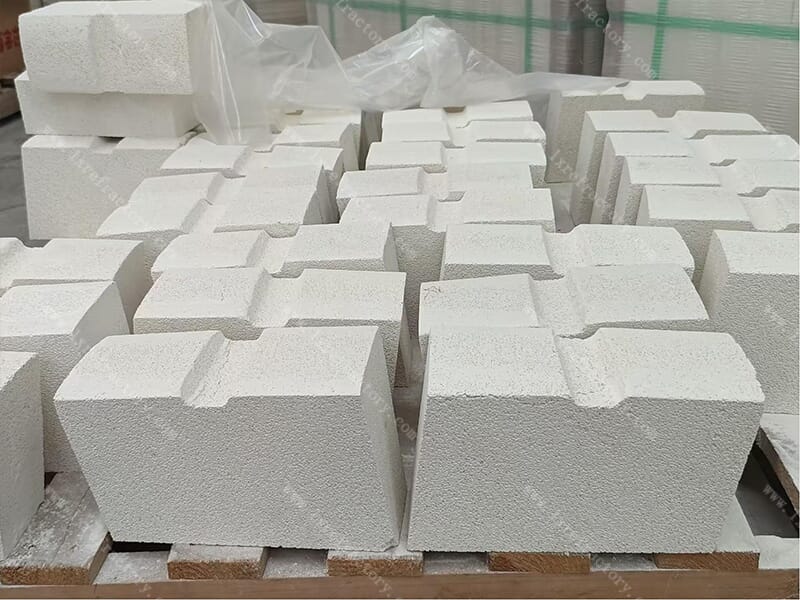
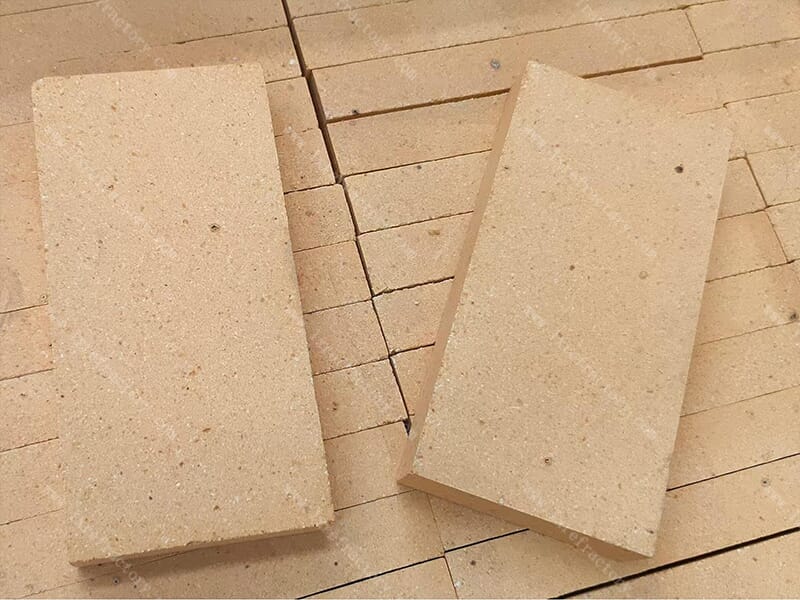
Refractory bricks are shaped refractory products widely used in furnace walls, kilns, and combustion chambers.
Common types include clay bricks, high-alumina bricks, silica bricks, and magnesia bricks.
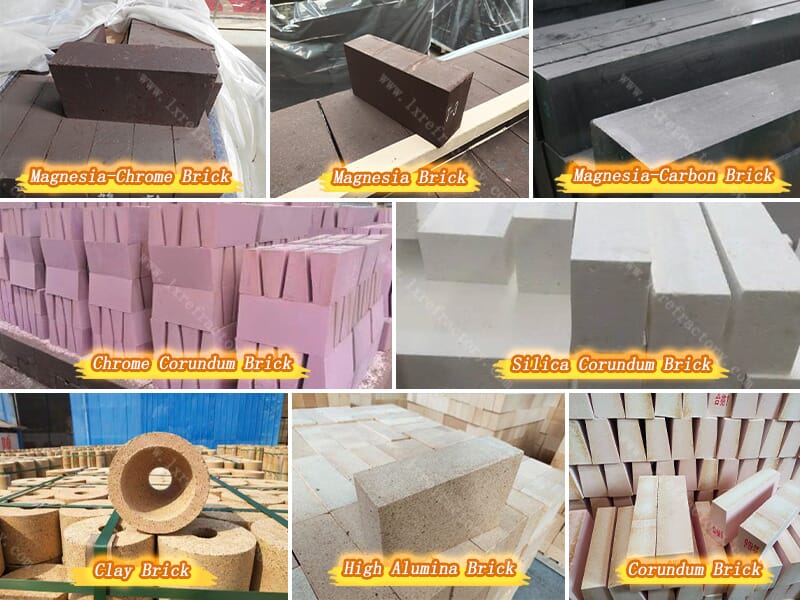
Various Refractory Bricks
(2) Unshaped Refractories
Unshaped refractories are unshaped materials installed without firing. They reduce joints and provide flexible installation. Typical unshaped refractories include:
① Refractory castables
② Rammed blocks
③ Spray-applied materials
④ Plastic refractories
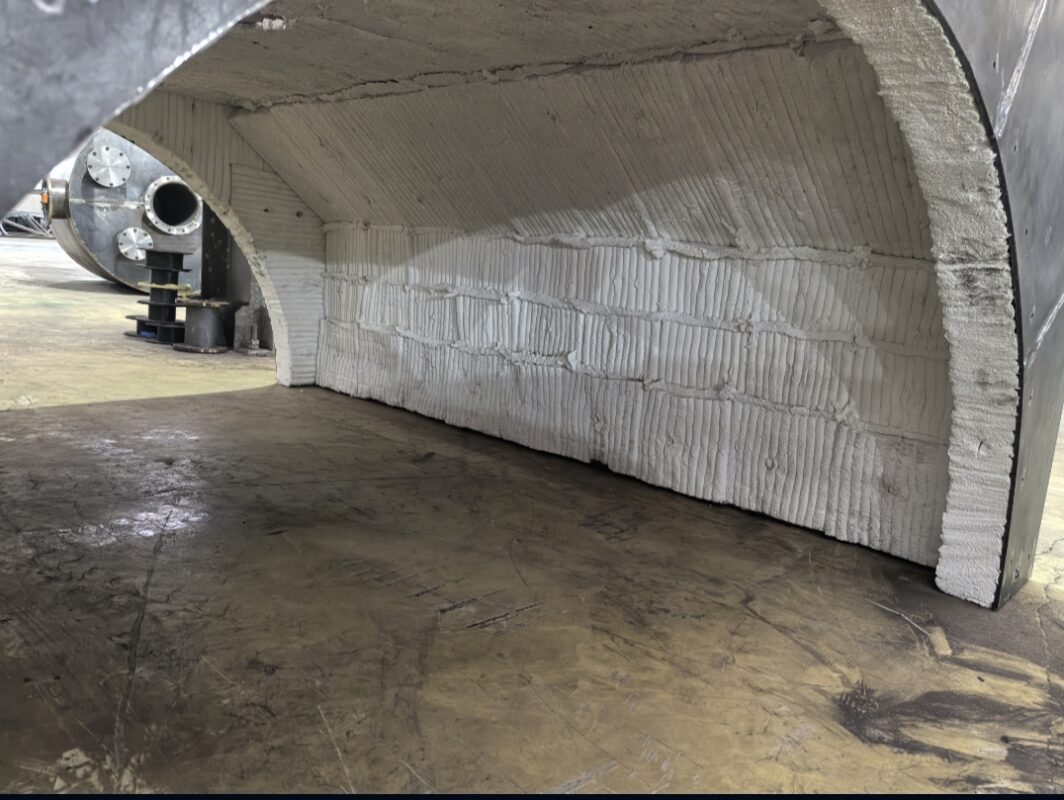
(3) Insulating refractories
Insulating refractories are designed to reduce heat loss and improve energy efficiency.
They are commonly used as backup linings for industrial furnaces.
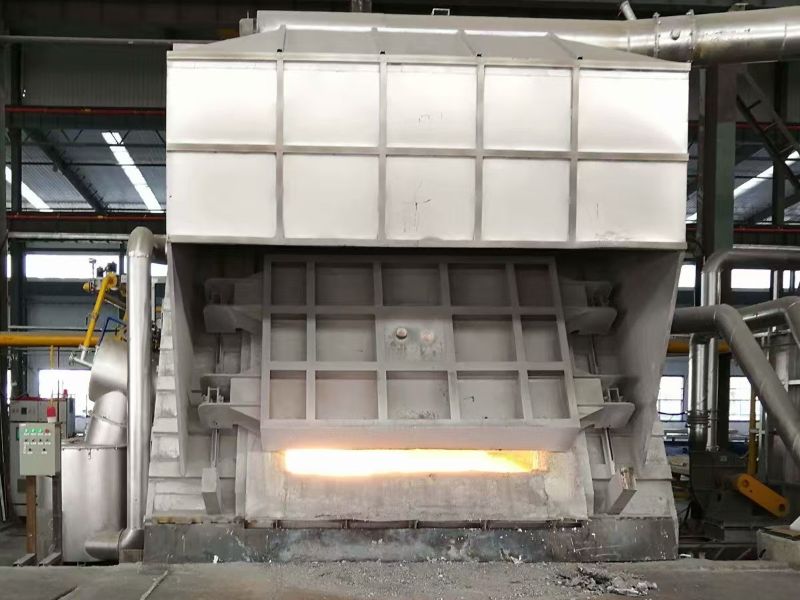
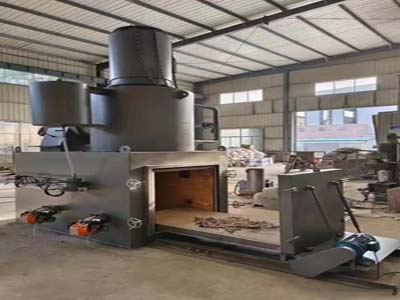
(4) Refractories for industrial furnaces
Different industrial furnaces require specific refractories depending on their operating temperature, chemical environment, and mechanical stress.
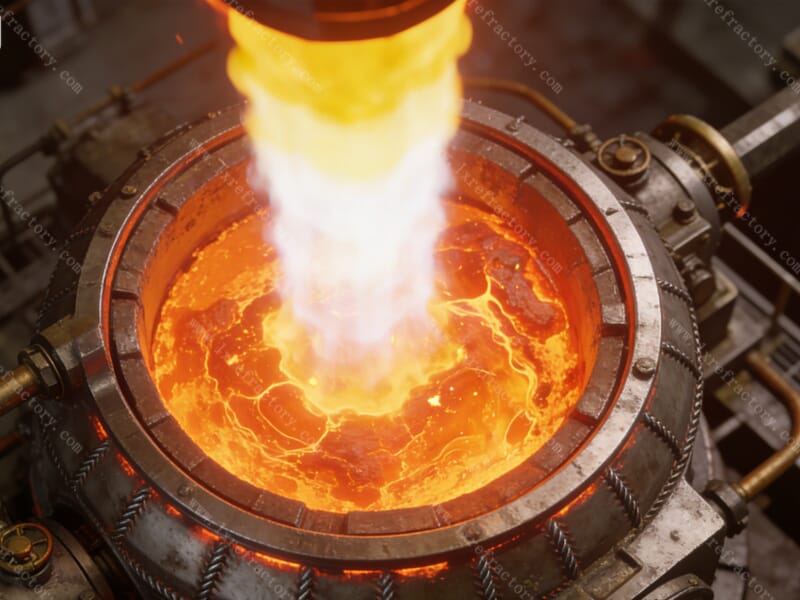
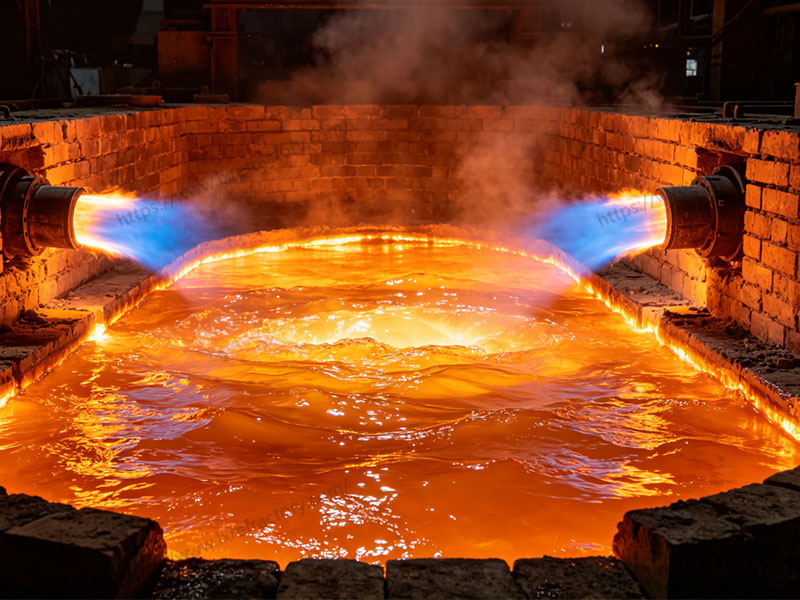
Steelmaking Furnace
(5) Refractories for the iron and steel industry
In steelmaking and metallurgical furnaces, refractories must be resistant to high temperatures, molten metal erosion, and slag corrosion.
(6) Refractories for cement kilns
The refractories for cement kilns must be able to withstand the thermal cycles, alkali erosion, and mechanical wear in rotary kilns and precalciners.
(7) Refractories for glass melting furnaces
Glass melting furnaces require high-purity refractories with excellent corrosion resistance to avoid contamination by molten glass.
4. The role of refractories in industrial furnaces
Refractory materials play multiple crucial roles.
① Protects the furnace steel structure from high-temperature damage
② Improves thermal efficiency and reduces energy consumption
③ Extends furnace service life
④ Ensures safe and stable furnace operation
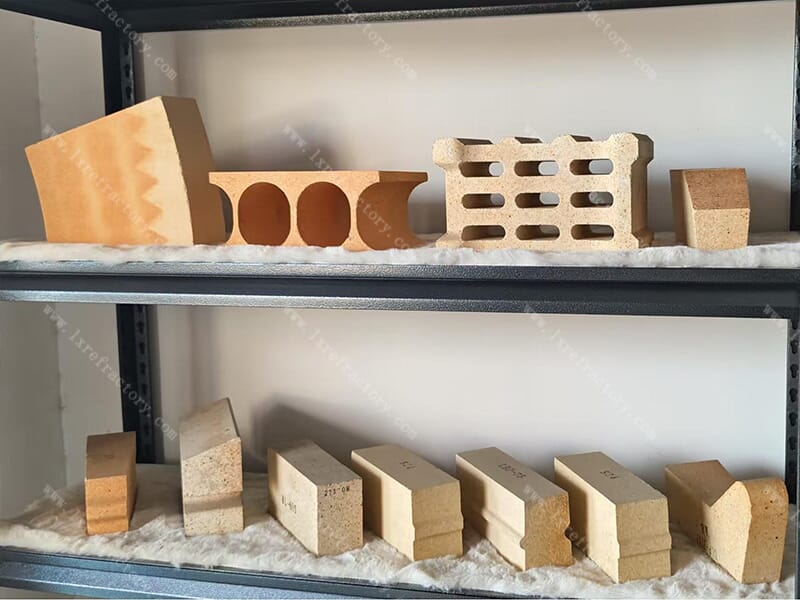
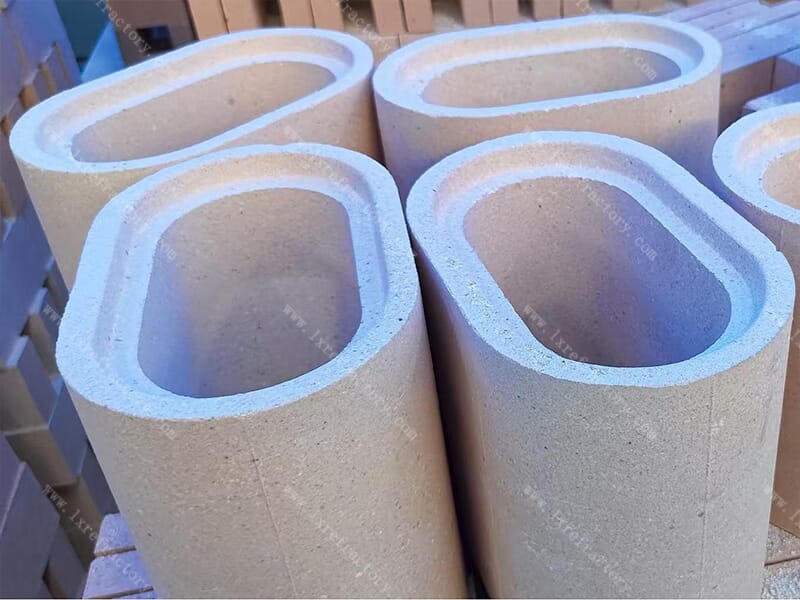
ruitai fire bricks
5. How to Select Refractory Materials
Selecting suitable refractory materials depends on:
① Operating temperature and heat load
② Chemical conditions (acidic, alkaline, or neutral)
③ Mechanical stress and wear
④ Furnace structure and installation method
With the continuous development of industrial processes, the demand for high-performance refractory materials in high-temperature industries remains urgent. For purchasers, establishing stable cooperative relationships helps obtain better supply conditions and continuous technical iteration support.
Henan Ruitai Lianxin Refractory Materials Co., Ltd. has 20 years of experience in refractory material production. It not only provides customers with high-quality refractory bricks that meet quality standards, but also offers the most suitable kiln operating conditions solutions and installation services.
If you have any needs, please feel free to contact us. Choosing Ruitai Lianxin means choosing strength.