Furnace bricks are crucial refractory materials in high-temperature industrial equipment. They protect the furnace shell, maintain thermal efficiency, and ensure safe operation. So, how long is the service life of furnace bricks?
There are different answers to this question. Generally speaking, the service life of furnace bricks depends on the type of refractory bricks, operating conditions, and maintenance measures.
1. Service life of different types of furnace bricks
Different refractory bricks are suitable for different working environments, and therefore their service life varies.
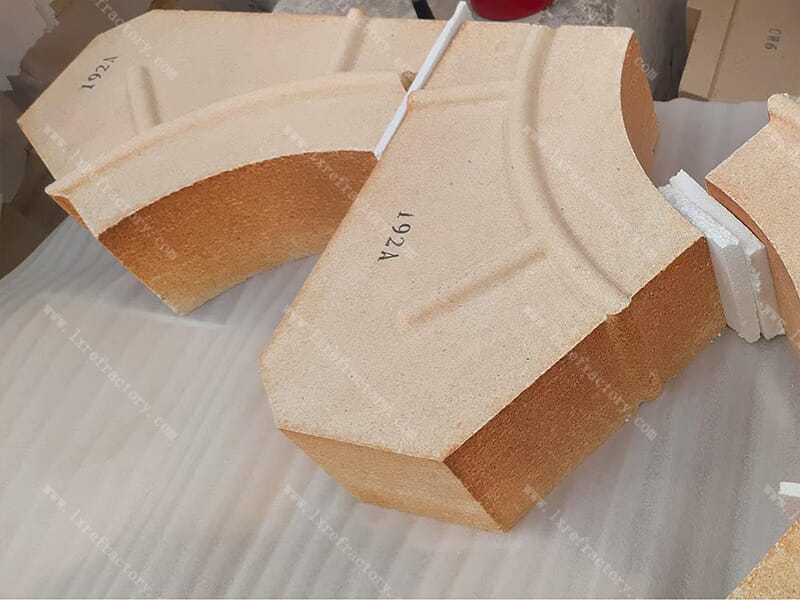
lianxin firebrick
(1) High-alumina bricks
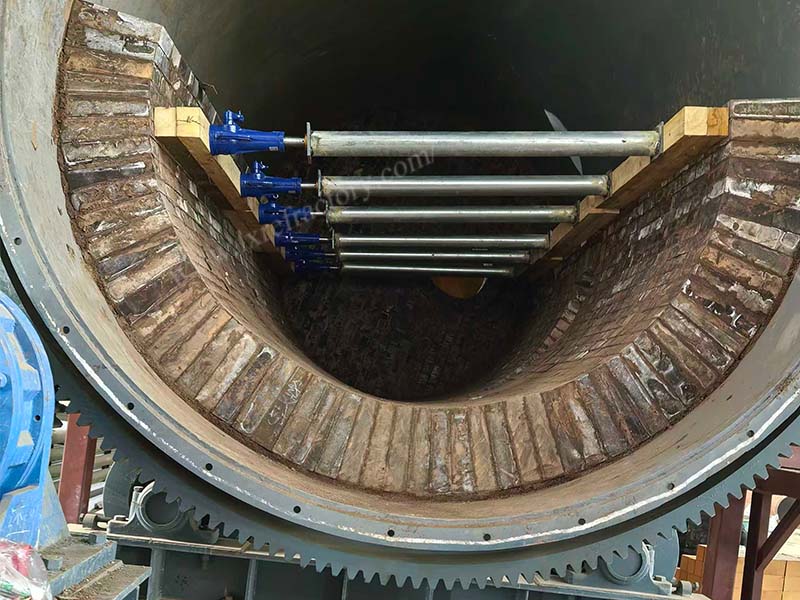
High-alumina bricks are widely used in steel plants, rotary kilns, and high-temperature industrial furnaces. High-alumina bricks have excellent refractory properties, strong load-bearing capacity, and good slag resistance. Generally speaking, high-alumina bricks can be used for 3 to 8 years.
(2) Refractory clay bricks
Refractory clay bricks are suitable for medium-temperature furnaces and boilers. They offer excellent value for money and typically have a lifespan of 2-5 years, depending on temperature stability and maintenance.
(3) Refractory silica bricks
Silica bricks are commonly used in places where temperatures remain high, such as coke ovens and glass furnaces. Under stable thermal conditions, silica bricks can have a service life of 5-10 years because they perform well in sustained high-temperature environments.
(4) Magnesium oxide bricks
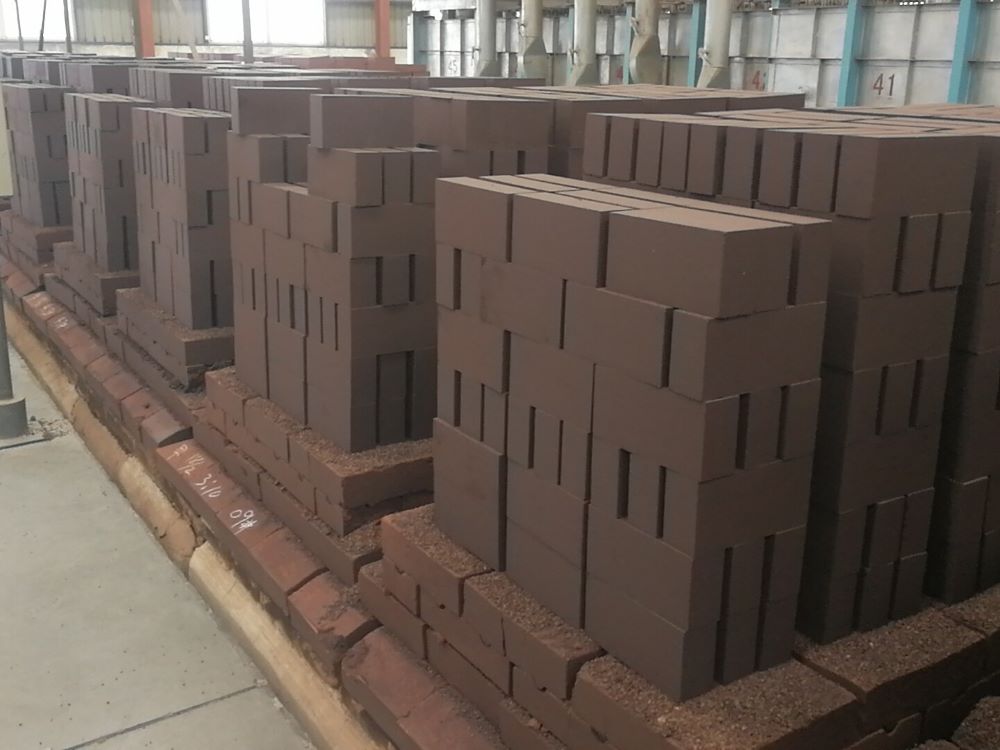
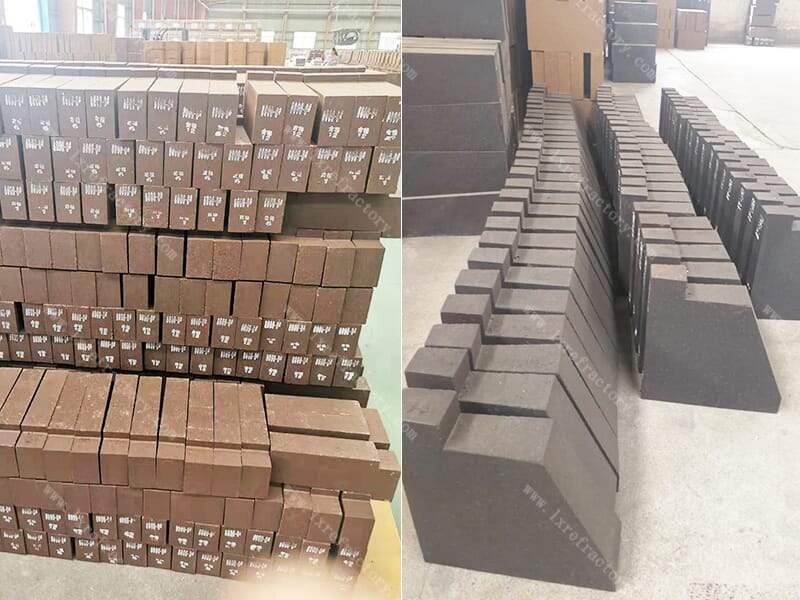
Magnesia bricks are well-suited for alkaline slag environments, such as electric arc furnaces and converters. Due to its strong resistance to alkali corrosion, its service life is usually 2-6 years, depending on the chemical composition of the slag and the intensity of operation.
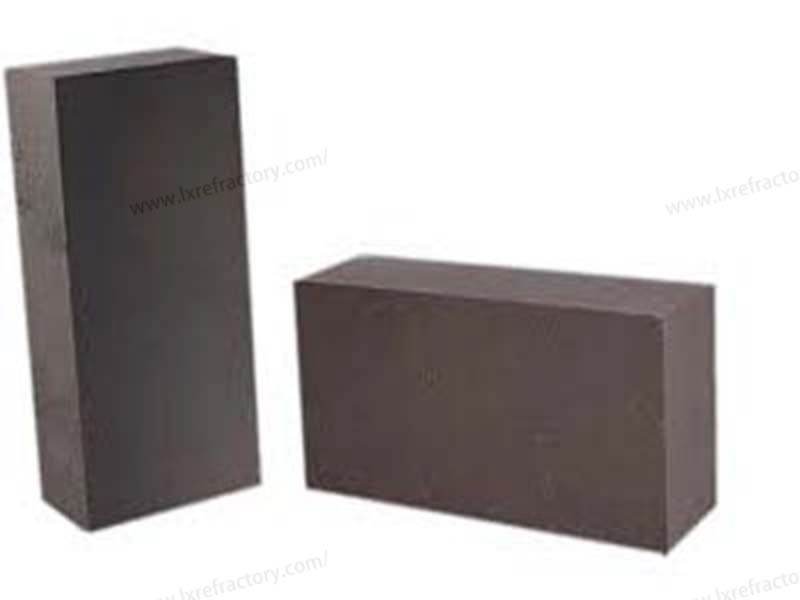
Magnesia-carbon bricks
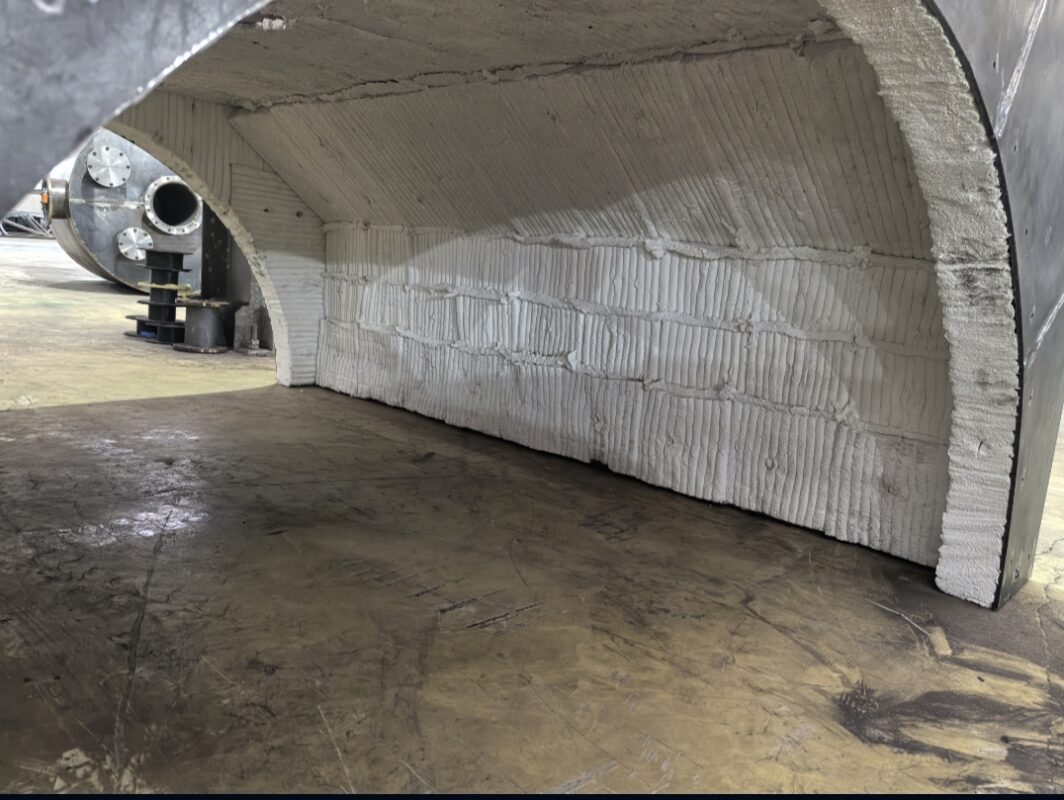
(5) Insulating refractory bricks
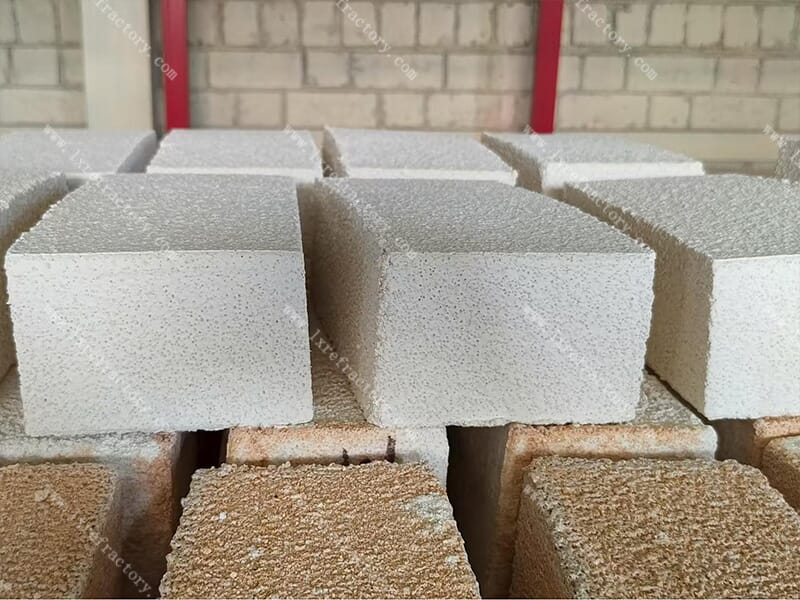
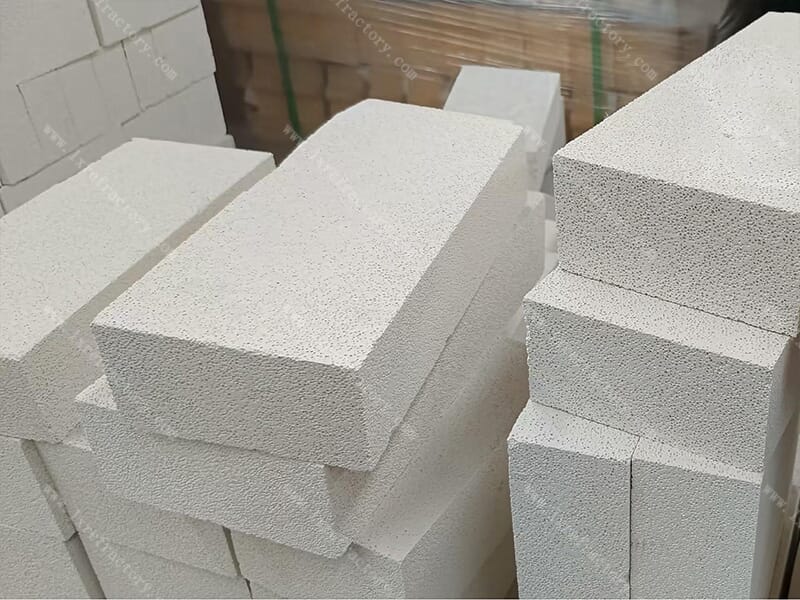
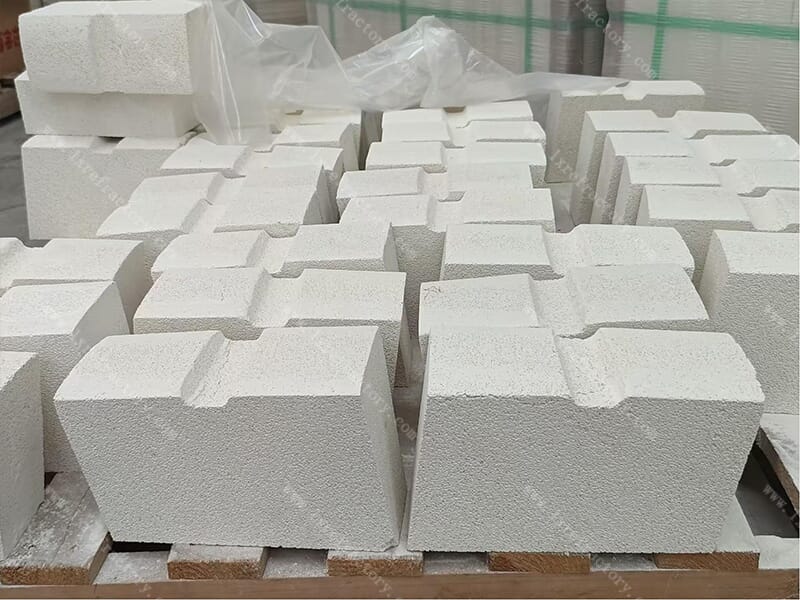
Insulating refractory bricks will not directly bear heavy wear and tear. Therefore, if installed properly, it can last for 5 years or longer.
2. Factors affecting the lifespan of furnace bricks
Even high-quality furnace bricks can fail prematurely under harsh working conditions.
① Operating temperature –– Continuous overheating will weaken the structure of the brick.
② Thermal shock –– Frequent heating and cooling cycles can lead to cracking and peeling.
③ Chemical corrosion –– Slag, alkaline vapors, and acidic gases all accelerate corrosion.
④ Mechanical wear –– Wear, vibration, and heavy loads will shorten service life.
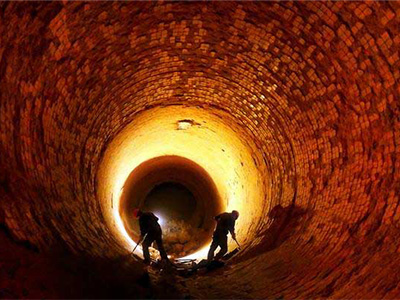
Magnesia-Chrome Bricks
⑤ Installation quality –– Proper construction of expansion joints and refractory mortar is crucial for durability.
Choosing the right type of refractory brick for your specific furnace type is the most important step in extending its service life.
For industrial users, choosing high-quality kiln bricks can significantly reduce downtime and lower long-term operating costs.
Of course, choosing a suitable refractory brick supplier is of paramount importance.
Henan Ruitai Lianxin Refractory Materials Co., Ltd. not only provides customers with high-quality refractory bricks that meet quality standards, but also offers solutions tailored to specific kiln operating conditions. Please feel free to contact us if you have any needs.
Choosing Ruitai Lianxin means choosing strength.