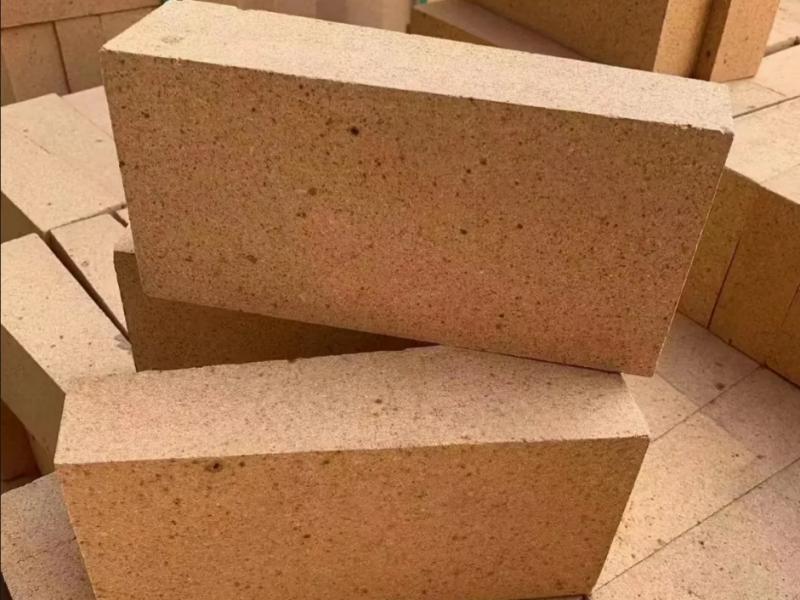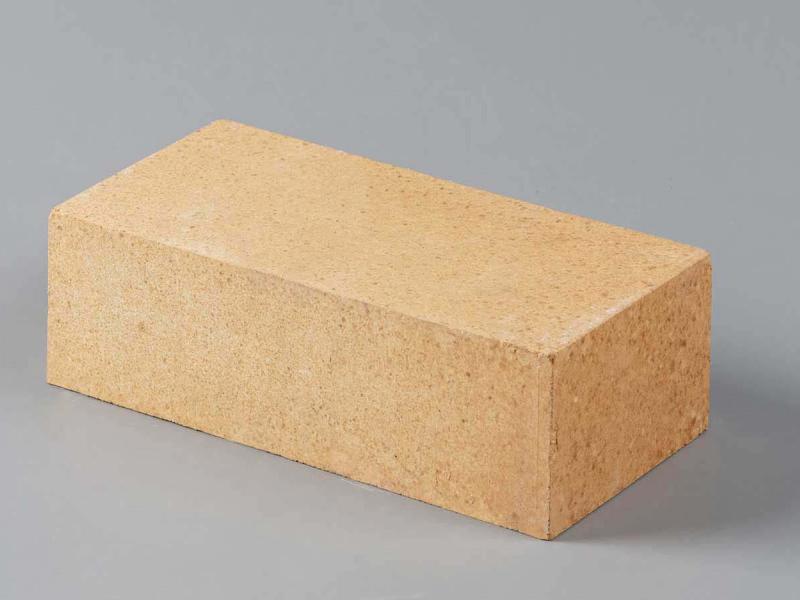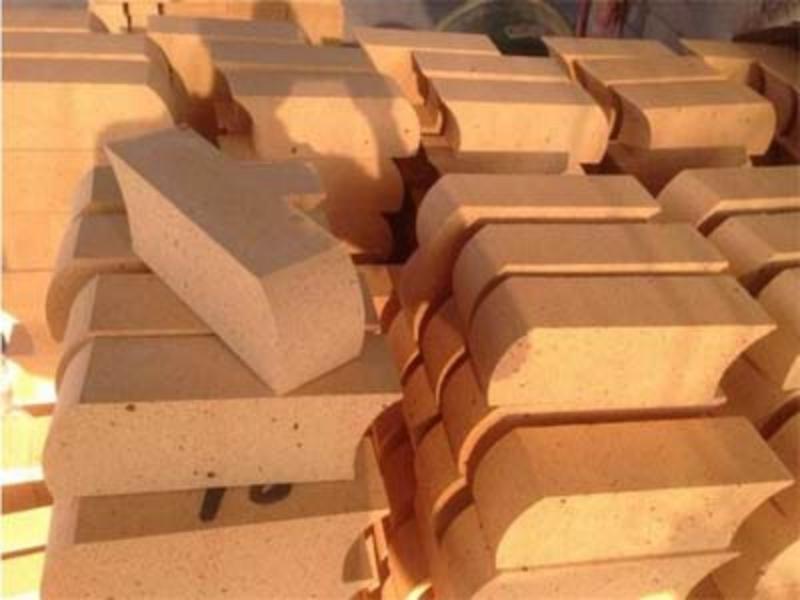
Clay refractory bricks and high-alumina bricks are two commonly used refractory materials in industrial kilns. Their core difference lies in their alumina (Al₂O₃) content, which directly determines their performance, applications, and cost.
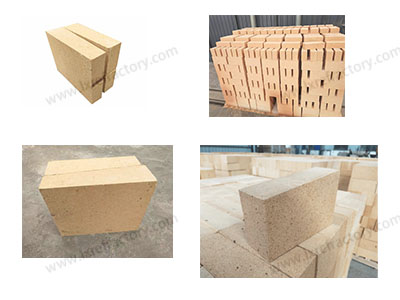
I. Different Compositions and Raw Materials
Clay bricks have an Al₂O₃ content of 30%-48%, primarily made from refractory clay and kaolin. High-alumina bricks have an Al₂O₃ content greater than 48% (high-quality products can reach over 80%), primarily made from high-alumina bauxite and corundum.
II. Significant Differences in Refractory Performance
Refractory Temperature: Clay bricks: approximately 1580℃-1750℃. High-alumina bricks: above 1770℃, reaching 1790℃-1850℃.
Load Softening Temperature: Clay bricks: 1250℃-1350℃, prone to deformation under high temperatures and loads. High-alumina bricks can withstand temperatures above 1420℃-1500℃, exhibiting better structural strength at high temperatures.
Actual operating temperature: Clay bricks generally do not exceed 1400℃. High-alumina bricks can reach around 1650℃.
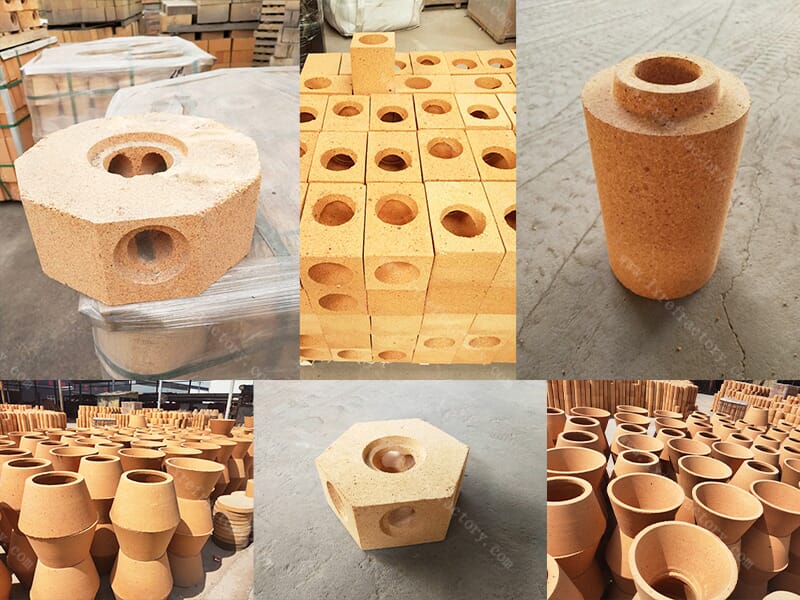
III. Differences in slag resistance and chemical stability
Clay bricks are weakly acidic, exhibiting strong resistance to acidic slag, but are susceptible to alkaline slag. High-alumina bricks are neutral materials, offering good resistance to both acidic and alkaline slag, making them suitable for complex slag conditions.
IV. Opposite thermal shock resistance (resistance to rapid heating and cooling)
Clay bricks have a low coefficient of thermal expansion, resulting in good thermal shock resistance, making them suitable for environments with frequent temperature fluctuations. With increasing Al₂O₃ content, the thermal shock stability of high-alumina bricks decreases, making them prone to cracking and spalling.
V. Significant economic differences
Clay bricks have abundant raw materials, simple processing, and are inexpensive. High-alumina bricks use expensive raw materials, resulting in high production costs.
VI. Clearly Defined Application Scenarios
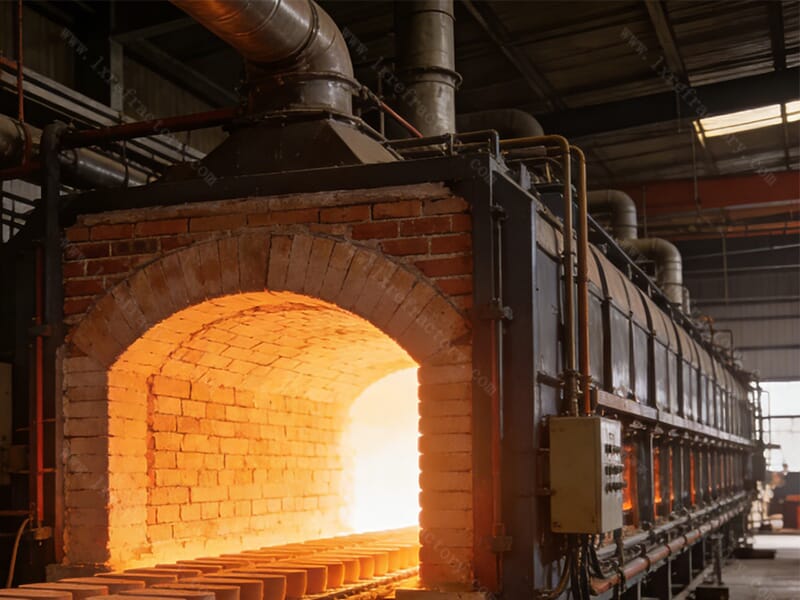
Clay bricks: Suitable for medium-low temperature applications (<1400℃), applications with large temperature fluctuations, and applications without strong alkaline corrosion, such as furnace walls, flues, boiler linings, and hot blast stoves.
High-alumina bricks: Used in high-temperature (>1400℃), high-load, and highly corrosive conditions, such as the top of steelmaking electric furnaces, glass kiln regenerators, high-temperature zones of cement rotary kilns, and blast furnace bellies.